Pruning
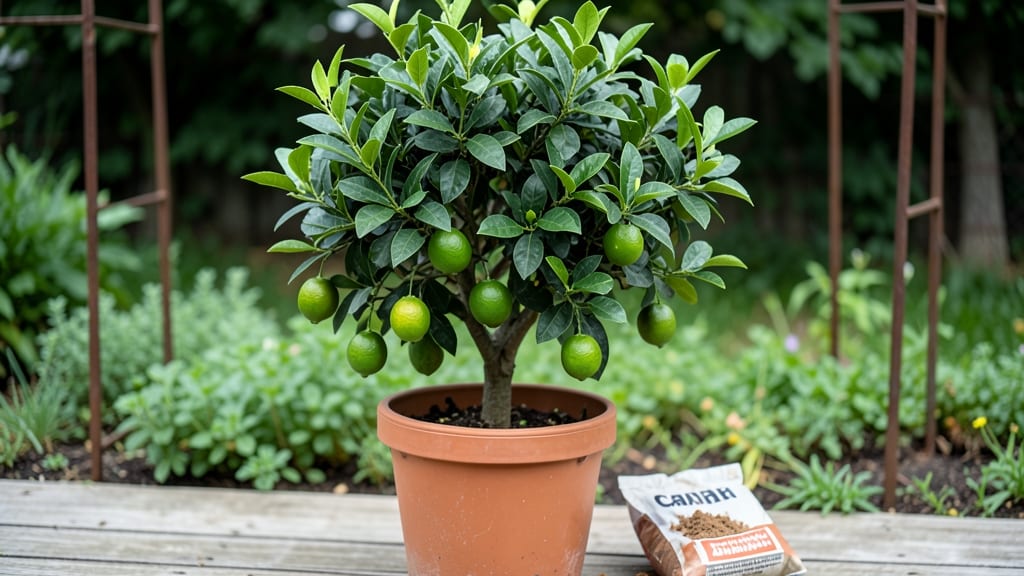
A 25-gallon tree in your yard isn’t just possible—it’s a game-changer for small spaces and cool climates. I’ve grown dwarf fruit trees, ornamental cherries, and even full-sized apples in containers for years, and the secret lies in choosing the right species and mastering the container’s limitations.
The key isn’t just the pot size; it’s how you work with it.
You’ll need a sturdy container with drainage holes, a well-draining soil mix designed for trees, and a spot that gets at least 6 hours of sunlight daily.
Dwarf varieties like ‘Columnar Apple’ or ‘Patio Pear’ thrive in 25 gallons, while even some full-sized trees (like ‘Liberty’ Elm) can manage with proper care. The real trick? Pruning to control root growth and keeping the soil moist but never soggy.
By summer’s end, you’ll have a lush, productive tree that outpaces its in-ground neighbors—no yard required. The roots stay contained, so you avoid gopher damage and soil depletion, and you can move the tree if winter threatens.
Plus, container trees fruit earlier and more reliably than their ground-planted cousins.
This works for urban balconies, rural patios, or even greenhouses in Zone 5-7. The same principles apply whether you’re growing for fruit, shade, or sheer beauty. Let’s get your tree thriving—container and all.
📚 In This Guide
- What you need
- Instructions
- Tips and common mistakes
- Wrapping up and next steps
What you need
- ● 25-gallon container: A high-quality, durable pot with drainage holes (minimum 18" diameter and 20" depth). Pro tip: Opt for fabric grow bags for better aeration! 🌡️
- ● Well-draining soil: 15-20 gallons of a mix like 50% potting soil, 30% perlite, and 20% compost to prevent waterlogging.
- ● Tree sapling: A cold-hardy species (e.g., Japanese maple, dwarf apple, or columnar hawthorn) suited for your zone.
- ● Pruning tools: 1 pair bypass pruners (for clean cuts)
- ● 1 pruning saw (for thicker branches)
- ● 1 sterilizing solution (70% isopropyl alcohol)
- ● Support system: 1 tree stake or bamboo pole (for young trees)
- ● Soft tree tie straps (2-3 pieces, 1" wide)
- ● Fertilizer: Slow-release balanced fertilizer (10-10-10) or organic options like worm castings.
- ● Mulch: 3-4 gallons of shredded bark or wood chips to retain moisture.
- ● Soil moisture meter (to monitor water levels)
- ● Tree guard (to protect from pests)
- ● Cold frame or frost cloth (for winter protection)
- ● Growth regulator (e.g., paclobutrazol for compact growth)
How to maintain a 25-Gallon tree for year-long growth in cool climates
Cool-season trees thrive with the right care—here’s how to keep yours lush and productive through winter.
Choose the Right Tree for Your Climate
Select a 25-gallon tree suited for your hardiness zone, focusing on varieties like dwarf fruit trees, ornamental cherries, or cold-hardy conifers. These trees handle cooler temperatures better than tropical species. I always check the USDA zone range on the tag—it’s the first clue to long-term success.
For year-round growth, prioritize evergreens like dwarf blue spruce or Japanese maples—they stay vibrant even in winter. Deciduous trees like apple or pear need extra protection when buds form in early spring. Avoid citrus or olive trees unless you have a heated greenhouse.
Plant in Well-Draining, Nutrient-Rich Soil
Use a custom blend of 60% high-quality potting mix, 20% compost, and 20% perlite to ensure drainage while retaining moisture. I dig a hole twice as wide as the root ball but only as deep as the container’s base—this prevents root strangulation as the tree grows.
Amend the native soil with 2 cups of slow-release fertilizer mixed into the bottom of the hole. Water the root ball thoroughly before planting to reduce transplant shock. Press the soil gently around the roots but avoid compacting it—you want air pockets for root expansion.
Position for Maximum Sunlight and Wind Protection
Place the 25-gallon tree in a spot with at least 6 hours of sunlight daily, even in winter. South-facing exposures work best, but east or west-facing spots can also support growth if the tree is cold-hardy. I test sunlight exposure by observing how shadows move across the area—this helps me adjust placement before planting.
Shield the tree from strong winds using a burlap windbreak or evergreen hedge on the north or west side. Cold winds dry out foliage and stress roots, especially in early spring or late fall. Mulch the base with 3 inches of organic mulch to insulate roots and retain moisture.
Water Deeply and Adjust for Seasonal Needs
Water deeply once a week in summer, ensuring the soil is moist 6 inches down. In cooler months, reduce frequency to every 10-14 days, checking moisture by inserting a finger into the soil. Overwatering in winter can lead to root rot, especially in heavy clay soils.
Use a soaker hose or drip irrigation to deliver water slowly at the base, avoiding wetting leaves. This mimics natural rainfall and reduces disease risk. If your tree shows yellowing leaves or wilting, it’s a sign of either underwatering or poor drainage—adjust accordingly.
Prune and Fertilize for Year-Long Health
Prune in late winter or early spring before new growth begins, removing dead, crossing, or weak branches with clean cuts. I sterilize pruning shears with rubbing alcohol between cuts to prevent bacterial spread. Aim to open the canopy for better airflow and sunlight penetration.
Fertilize twice a year: once in early spring with a balanced 10-10-10 formula and again in early fall with a low-nitrogen, high-phosphorus blend to strengthen roots. Avoid fertilizing in winter—trees enter dormancy and don’t absorb nutrients efficiently.
Tips & tricks for perfect year-round tree growth in cool climates
These insider strategies will help your 25-gallon tree thrive through every season without the guesswork.
Selection Strategy: When choosing your tree, verify the USDA hardiness zone on the tag matches your location. I once planted a Japanese maple in zone 6 when my yard was zone 5—it survived but struggled for years. For evergreens like dwarf blue spruce, look for tags specifying "zone 3-7" for maximum cold resilience. The key is matching the tree's native cold tolerance to your winter lows.
Soil Preparation Insight: The 60-20-20 soil blend in Step 2 creates the perfect balance for cool climates. I recommend adding a handful of worm castings to the compost portion—this introduces beneficial microbes that improve root health. When pressing soil around roots, use your fingers to create small air pockets rather than compacting with your hands, which mimics natural soil aeration.
Sunlight Optimization: For the required 6 hours of sunlight, prioritize morning sun exposure, especially in cooler climates. East-facing positions provide gentle warmth without the harsh afternoon heat that can stress young trees. If your only option is west-facing, consider using a sheer curtain during peak summer afternoons to prevent leaf scorch while still allowing winter sun penetration.
Winter Protection: The 3-inch organic mulch layer in Step 3 is your tree's best friend during winter. I add an extra 1-2 inches of straw mulch in late fall specifically for insulation. For deciduous trees like apple or pear, wrap the trunk with tree wrap or burlap to prevent sunscald—a common issue when winter sun hits dormant bark. This simple step can mean the difference between a tree that thrives and one that struggles each spring.
Pro Tips for 25 Gallon Tree
- These insider strategies will help your 25-gallon tree thrive through every season without the guesswork.
- Selection Strategy: When choosing your tree, verify the USDA hardiness zone on the tag matches your location.
- Soil Preparation Insight: The 60-20-20 soil blend in Step 2 creates the perfect balance for cool climates.
Frequently asked questions
Got questions about keeping a 25-gallon tree thriving in cooler climates? You’re not alone! Here are some of the most common concerns—and their solutions—to help you grow confidently.
How often should I prune a 25-gallon tree in cool weather?
Prune your 25-gallon tree once or twice a year, ideally in early spring (before new growth) and late summer (after flowering). Avoid heavy pruning in fall/winter, as it stresses the tree. Focus on removing dead branches, shaping, and thinning to improve airflow—especially in dense varieties like Thuja or Picea.
Can a 25-gallon tree survive winter in Zone 5-6 without extra protection?
Most evergreen 25-gallon trees (e.g., spruce, fir, or arborvitae) handle Zone 5-6 winters if established, but young or broadleaf varieties may need help. Wrap the trunk with burlap to prevent sunscald, and mulch the root zone with 2–3 inches of wood chips. For extreme cold snaps, add a breathable frost blanket around the base.
What’s the best way to repot or transplant a 25-gallon tree?
Transplant in early spring or fall when temps are mild. Dig a hole twice as wide as the root ball, loosen roots gently, and amend the soil with peat moss or compost for drainage. Water deeply before and after planting, then stake if needed. Avoid repotting unless roots circle the pot—25-gallon trees prefer being root-bound for stability.
Why are the needles/branches dying on my 25-gallon tree?
Brown needles or dead branches often signal overwatering, underwatering, or fungal issues. Check soil moisture (top 2 inches should be dry), ensure proper drainage, and inspect for spider mites or canker diseases. Prune affected areas with sterilized shears, and treat with neem oil if pests are present. Evergreens may also shed old needles naturally—don’t panic!
Are there drought-tolerant 25-gallon tree alternatives for dry climates?
Yes! Opt for native or Mediterranean species like Juniperus (juniper), Pinus sylvestris (Scotch pine), or Cercis canadensis (eastern redbud) for low-water needs. These thrive in well-draining soil and require less frequent watering once established. Just mulch heavily to retain moisture.
Wrapping up and next steps
Growing a 25-gallon tree in cool climates is totally doable with the right care—pruning, soil prep, and seasonal adjustments make all the difference! 🌳 Whether you’re shaping it for aesthetics, health, or harvest, remember that consistency is key.
With patience and the tips you’ve learned, your tree will thrive year-round and reward you with lush growth.
Ready to take the next step? Start small:
- Pick a sunny spot and prep your soil.
- Grab your pruners and follow the seasonal schedule.
- Monitor your tree’s progress and adjust as needed!