Pruning
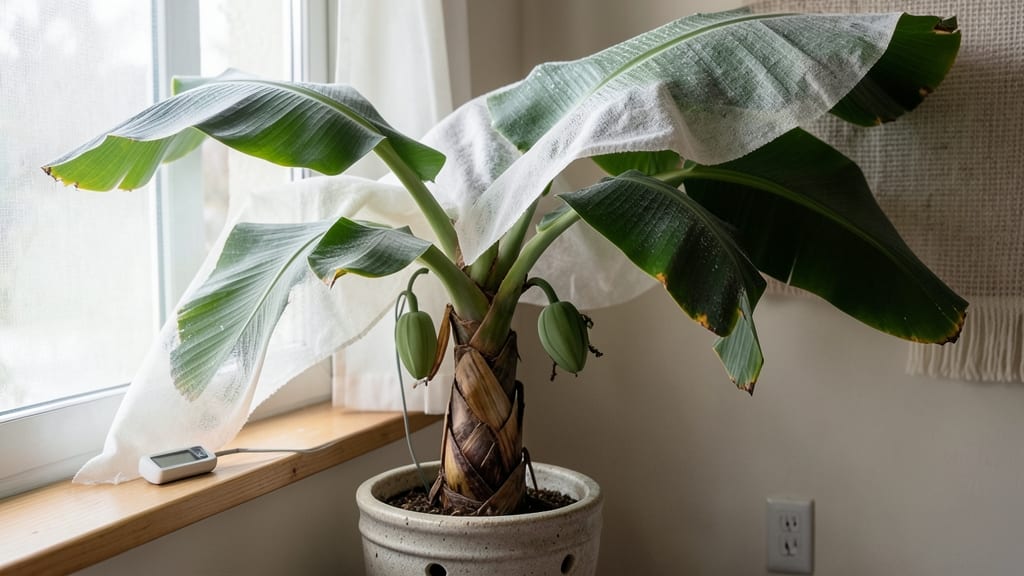
Mastering banana tree care in winter means acting fast when Pacific Northwest winds start whispering through those fronds—before frost turns the giant leaves into brittle lace. 🌿 I’ve spent three winters learning which cuts to make (and which to avoid) to keep my Musas thriving through December’s drizzle.
The key isn’t just chopping branches—it’s protecting the roots, timing the prune just right, and knowing when to tuck your tree indoors for safekeeping.
You’ll need sharp pruners, a tarp or frost cloth, mulch, and maybe a spare container if you’re bringing your tree inside. The goal is to mimic its tropical roots: keep the soil slightly moist but not soggy, and shield the trunk from freezing temperatures.
My tree’s largest leaves get trimmed back by half to reduce water loss, while the smaller ones stay intact to keep photosynthesis going.
By spring, you’ll see new shoots pushing through the soil, stronger than ever, with fewer brown patches and more vibrant green. The secret is patience—banana trees don’t bloom overnight, but with the right winter care, they’ll reward you with lush regrowth that outpaces anything you’ve grown before.
Here’s how to do it without losing your plant (or your sanity) to the cold.
Works for both container-grown and in-ground banana trees in zones 8-10, though container plants move indoors more easily. If you’re in a milder microclimate, outdoor protection might be all you need. Let’s get that tree through winter like a pro.
📚 In This Guide
- What you need
- Instructions
- Tips and common mistakes
- Wrapping up and next steps
What you need
- ● Pruning shears or loppers – Sharp, clean, and sterilized (sterilize with rubbing alcohol to prevent disease).
- ● Heavy-duty gloves – Thick, cut-resistant (banana leaves pack a punch!).
- ○ Disposable pruning bags or bucket – For collecting large leaf debris (optional but helpful for cleanup!).
- ○ Pruning sealant (optional) – Wound dressing (like Tanglefoot Tree Wound Pruning Sealer) to protect cuts.
- ● Mulch (straw, wood chips, or pine needles) – 3–4 inches thick for insulation.
- ● Burlap or frost cloth – Lightweight, breathable (for wrapping young or sensitive trees).
- ● Garden twine or stakes – For securing wraps if needed.
- ○ Thermometer (optional) – Soil or air thermometer to monitor temps (aim for above 40°F/4°C).
- ● Choose a dry, mild day – Avoid pruning before frost (wait until temps stabilize above freezing).
- ● Clear the area – Remove weeds, rocks, or debris around the base.
- ● Check for pests/disease – Inspect leaves and stems for signs of trouble before pruning.
- ● Have a water source nearby – A hose or watering can for post-pruning hydration.
Step-by-Step guide for protecting banana trees in winter
Here’s how I keep my Pacific Northwest banana trees thriving through cold snaps—no frost damage in sight.
🌱 Step 1: Assess and Prepare the Plant for Winter
Start by inspecting your banana tree for any weak or damaged fronds. Healthy fronds should be firm and upright, while damaged ones will feel brittle or brown. Gently shake each frond—if it crumbles easily, it’s ready for removal. I like to do this in late fall, just before the first frost warning, because early prep gives the plant time to recover.
Next, reduce watering gradually over 2-3 weeks before winter sets in. Banana trees store water in their trunks, so you want them hydrated but not soggy. Water deeply every 7-10 days until the top 2 inches of soil feel dry. Overwatering now can lead to root rot, which weakens the plant further when cold hits.
✂️ Step 2: Prune Strategically to Prevent Frost Damage
Use sterilized pruning shears to cut back any dead or yellowing fronds at the base, leaving only the healthy, green ones. I avoid cutting into the trunk itself—this can create entry points for cold air and pests. Focus on removing fronds that are brown, black, or mushy to the touch, as these won’t survive frost and can drag down the rest of the plant.
If your banana tree is in a container, move it to a sheltered spot like a garage or under an eave before temperatures drop below 35°F. For in-ground plants, mound 4-6 inches of mulch (like straw or wood chips) around the base to insulate the roots. This extra layer acts like a blanket, keeping the soil temperature stable and protecting the roots from freezing.
🪴 Step 3: Protect the Trunk and Roots from Freezing
Banana tree trunks are surprisingly sensitive to cold—they can split or crack if exposed to below 30°F. Wrap the trunk in burlap or frost cloth, securing it tightly with twine or plant ties. Leave the top few inches uncovered so the plant can still breathe. For extra protection, I’ve even used cardboard boxes cut in half and placed over the trunk, propped up slightly to avoid direct contact.
If you’re in a particularly chilly microclimate (like a valley or low-lying area), consider adding a clear plastic bottle filled with water around the base. As the water freezes, it releases heat, creating a tiny greenhouse effect. Just make sure the bottle doesn’t touch the trunk directly—leave a 1-inch gap to prevent rot.
☀️ Step 4: Monitor and Adjust Through Winter
Check your banana tree once every 2 weeks during winter to ensure the protective measures are holding. Look for signs of frost damage like blackened fronds or soft spots on the trunk. If you notice any, remove the damaged parts immediately with sterilized tools to prevent disease. Healthy fronds should still feel firm and green, even in cold weather.
If temperatures are forecasted to drop below 25°F, take extra precautions. Move potted banana trees indoors to a bright, cool spot (like a basement with a window) or cover them with a thick frost blanket secured with bricks or stakes. Avoid using plastic sheeting directly on the plant—it can trap too much moisture and cause rot.
Tips & tricks for frost-proofing banana trees
Real talk: The Pacific Northwest’s winter chill can turn your banana tree into a sad, frostbitten shadow if you’re not careful. These simple tricks will keep yours thriving even when temperatures plunge.
Timing is Everything: That 2-3 week watering reduction in Step 1 is non-negotiable. I learned this the hard way after watching a neighbor’s tree develop root rot from overwatering during fall’s damp transitions. Check soil moisture by sticking your finger 2 inches deep—if it’s damp, wait another day. The goal is to prepare the tree for dormancy without stressing it.
Pruning Precision: When you’re cutting back those dead fronds in Step 2, don’t just eyeball it—look for the brown, black, or mushy spots mentioned. Healthy fronds should snap cleanly when bent, while damaged ones will tear or crumble. I keep a small bucket nearby to collect the debris, which I then compost away from the tree to prevent disease spread.
Insulation Hacks: For the 4-6 inches of mulch around your tree’s base, I’ve found that straw works best because it breaks down slowly and adds organic matter to the soil. Pro tip: Add a 1-inch layer of leaves on top of the straw—this creates extra insulation while keeping moisture in. Just avoid piling mulch against the trunk itself to prevent rot.
Emergency Cold Protection: If your forecast drops below 25°F, that’s your cue to pull out the big guns. I’ve used clear plastic milk jugs (cut in half) as mini greenhouses around individual fronds—just make sure they’re propped up to allow airflow. For potted trees, move them to a garage with a window (not a dark closet!) to maintain some light exposure while protecting from freezing temps.
Pro Tips for Banana Tree Care In Winter
- Real talk: The Pacific Northwest’s winter chill can turn your banana tree into a sad, frostbitten shadow if you’re no...
- Timing is Everything: That 2-3 week watering reduction in Step 1 is non-negotiable. I learned this the hard way after...
- Pruning Precision: When you’re cutting back those dead fronds in Step 2, don’t just eyeball it—look for the brown, bl...
Frequently asked questions
about banana tree winter care in the Pacific Northwest—because even tropical plants need a little TLC when the chill sets in!How cold can a banana tree tolerate before it needs winter protection?
A mature banana tree can handle light frosts down to 28–30°F (-2 to -1°C), but prolonged exposure below 25°F (-4°C) risks damage. In the PNW, where temperatures can dip lower, wrap the trunk with burlap or frost cloth and mulch heavily around the base. Young plants or dwarf varieties are even more sensitive—bring them indoors or use a greenhouse if frost is forecasted.
When is the best time to prune a banana tree in winter?
Prune after the first hard frost (typically late November to early December in the PNW) but before new growth starts in spring. This timing helps the tree conserve energy over winter while removing dead or damaged leaves. Pro tip: Use sterilized pruners to cut back 1/3 of the foliage and trim any pseudostems showing signs of rot or disease. Avoid heavy pruning—banana trees are sensitive!
Can I keep my banana tree in a pot over winter, or should I plant it in the ground?
Potted banana trees are easier to winter-proof in the PNW! Move them to a garage, shed, or indoor space with bright, indirect light and temperatures above 50°F (10°C). If planted in the ground, mound 6–12 inches of mulch (straw or wood chips) around the base and wrap the trunk. Warning: Avoid soggy soil—banana trees hate wet roots in winter.
What should I do if my banana tree’s leaves turn black or wilt after a frost?
Blackened or wilted leaves are signs of cold damage, but don’t panic! Prune away the affected foliage cleanly (cut to the base of the pseudostem) to prevent rot. If the trunk is cracked or oozing, it’s severely damaged—wait until spring to see if new shoots emerge. Recovery tip: Fertilize lightly in early spring with a balanced, low-nitrogen mix to encourage regrowth.
Are there frost-resistant banana tree varieties better suited for the PNW?
Yes! Consider these cold-hardy options:
- Dwarf Cavendish (tolerates 20°F/-7°C with protection)
- Red Dacca (survives to 25°F/-4°C, great for containers)
- Ice Cream Banana (ornamental, handles 20°F/-7°C)
Wrapping up and next steps
Caring for your banana tree in winter doesn’t have to be stressful—with the right prep, you can protect it from frost and even encourage stronger growth for spring! 🌱 Remember to prune wisely, insulate the base, and monitor temperature shifts to keep your tropical friend thriving.
Your efforts now will pay off with a lush, resilient plant come warmer months.
Ready to take the next step? Grab your pruning shears and schedule a quick check-in with your banana tree this week! A little winter TLC ensures it stays healthy and happy until spring blooms arrive. 🌿✨