Why I started Tree Rows Care
It was the year my tomato plants decided to outsmart me. I’d spent the spring coaxing them along—fertilizer, pruning, even talking to them like my grandmother used to do. But when the first fruits ripened, they were smaller than a marble, warped like they’d been squeezed through a straw.
The local nursery clerk just shrugged and said, *‘That’s just how it goes.’* I didn’t believe her. I still don’t.
So I started writing down what I was doing wrong. Not the ‘perfect’ way to grow tomatoes, but the messy, trial-and-error way that actually worked for me—my soil’s pH, the exact shade of red that meant ‘pick me,’ the way my cat’s paws left muddy prints on every seedling.
This site is for anyone who’s ever stared at a wilted leaf or a stubborn weed and thought, *‘There’s got to be a better way.’* No degrees, no jargon, just the dirt under the nails.
Meet the founder
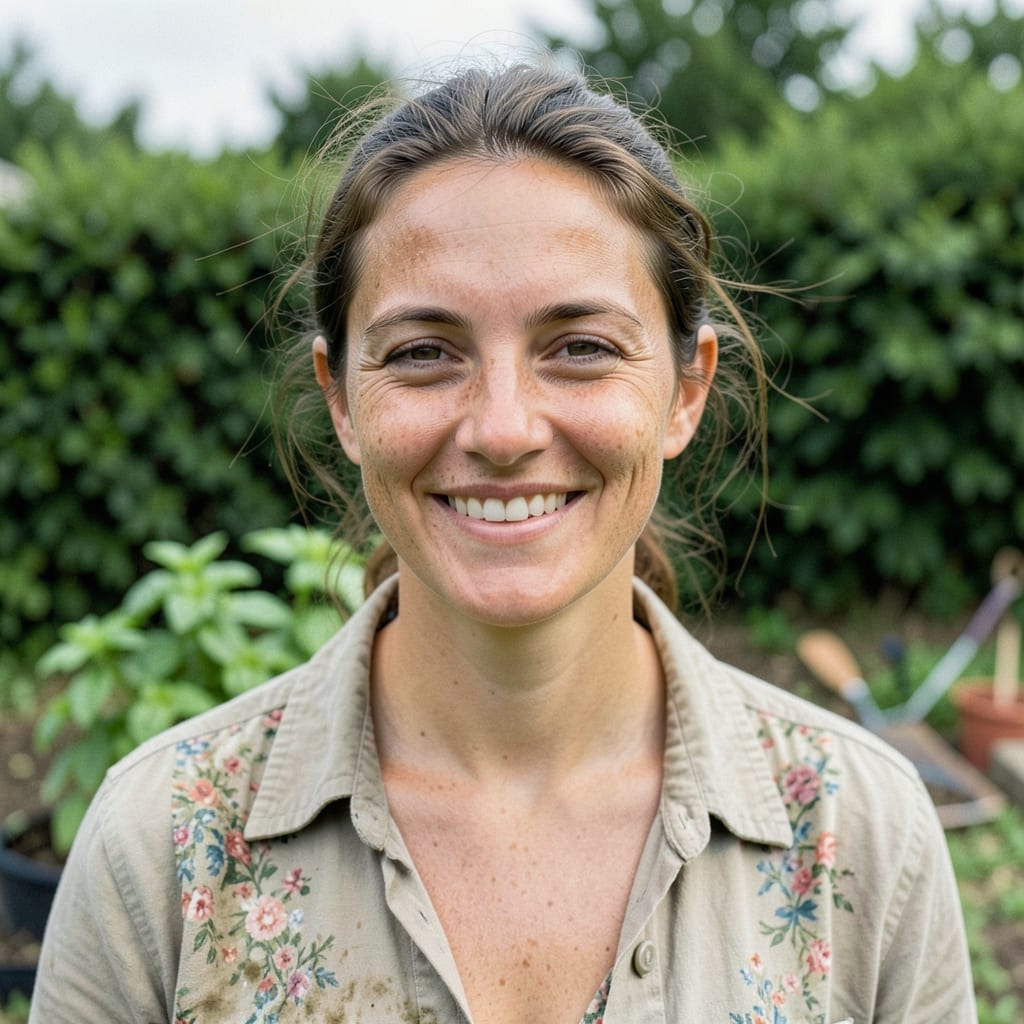
The first time I held a seed packet, I was ten, pressing my forehead against a greenhouse window in my aunt’s backyard. She’d let me hold the tweezers while she planted basil, and when I dropped one into the soil, she laughed and said, *‘Now it’s yours.
See what it does.’* That’s the only gardening rule I’ve ever kept: trust the plant. My first attempt at growing peppers ended with a sad, leggy sapling that lasted three weeks before keeling over. My aunt just handed me a trowel and said, *‘Dig it up. Learn.’*
I still have that trowel—rusted, the handle split down the middle, but it’s the one I use when I’m teaching someone to transplant seedlings. The first time I tried to ‘harden off’ a batch of seedlings, I nearly gave up after the first day of wilting.
Now I know it’s not the plants’ fault; it’s the shock of the world. That trowel’s seen every failure, every breakthrough, and every time I’ve had to admit I’d overwatered something.
The habit I can’t shake? Talking to plants. Not the poetic kind—more like *‘Come on, bean, you can do this’* when they’re struggling to climb the trellis. My neighbor thinks I’m nuts, but if it helps the zucchini grow faster, I’m not stopping.
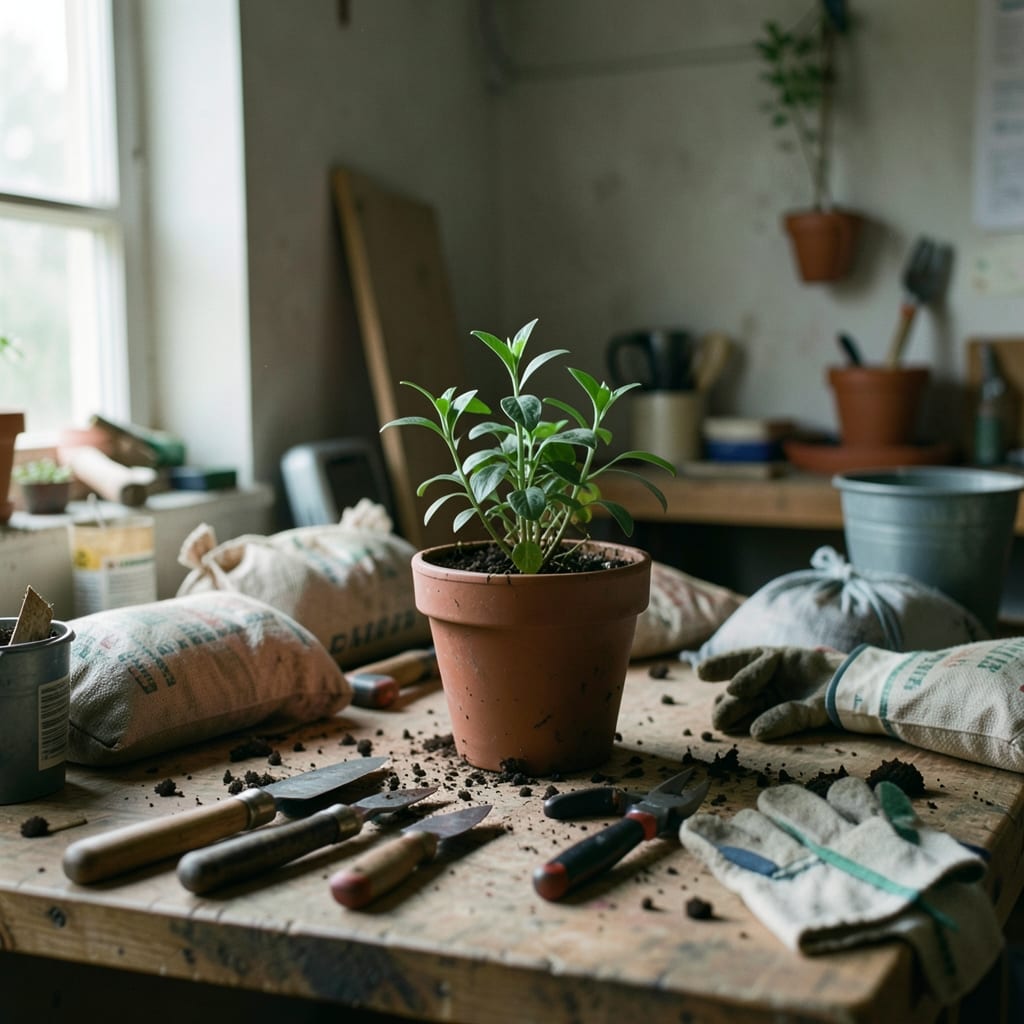
The light in my workroom is always the same: a single bulb dangling over my desk, casting long shadows on my notes. That’s where the real growing happens—between the lines of what didn’t work and what might.
‘Gardening is the art of patience, combined with the hope that, despite all evidence to the contrary, things just might grow.’ — Me, scribbled in a notebook after my first successful harvest (three carrots).
Janelle Cardoso, 2018
Meet the mascot

It started on a napkin at a diner, during a rain delay at a minor-league baseball game. I’d been sketching a dandelion gone wrong—a stem too long, a head splitting into too many seeds—when my coffee arrived.
The first scribble had the roots tangled like spaghetti, and the leaves looked like they’d been chewed by something. I laughed so hard the waitress asked if everything was okay.
The proper drawn version was on my kitchen table, where I traced over the napkin sketch with a real pencil.
The roots got thicker, the head split into five uneven petals, and I gave it a face—just two dots for eyes and a grin that looked like it knew a secret. The secret was that it was *supposed* to look wrong.
That’s how most plants start: lopsided, stubborn, refusing to follow the rules.
By the time it became the site’s mascot, I’d simplified it down to three lines: a root curl, a jagged leaf, and a seedpod that looked like it was about to explode. It had to fit on a browser tab without turning into a blob.
Now it’s the face of Tree Rows Care—because the best gardens are the ones that don’t play by the book.
Named after the first plant I ever pulled—then regretted it. He’s the unofficial mascot of Tree Rows Care, and yes, he *is* judging your pruning.
What I promise you
This site isn’t about growing flawless gardens. It’s about growing *yours*—the one with the uneven rows, the weeds you can’t bring yourself to pull, and the tomatoes that split open in the rain.
What you can hold me to: honesty about what works (and what doesn’t), no shortcuts, and a refusal to treat gardening like a science when it’s really just a conversation with the earth.
What you can hold me to
- Every tip is tested in my own soil—no borrowed advice, no ‘this works for me’ without proof.
- If a plant fails, I’ll tell you why *and* how to save the next one.
- No jargon. If I say ‘harden off,’ you’ll know exactly what that means—and how to do it right.
- The ‘perfect’ garden is a myth. Here, we celebrate the messy, the stubborn, and the unexpectedly beautiful.
How I create a recipe
A recipe here starts with a question, not a seed packet. *‘Why did that basil bolt so fast?’* *‘How do I keep my squash from rotting on the vine?’* The answer isn’t always in a book—sometimes it’s in the way the soil smells after a rain, or the way a neighbor’s roses thrive where mine wilt.
I write it down while the soil’s still damp, then I wait. That’s the hardest part: knowing when to stop tinkering and just let the plants do their thing.
The first stage: watching
The first three weeks are all about watching—not digging, not rushing, just observing. I check the soil moisture with my finger (if it’s dry an inch down, it’s time to water), and I mark the calendar when the first true leaves appear. The red flags?
Yellowing leaves that start at the bottom (overwatering), or stems that lean toward the light like they’re drunk (underwatering). Temperature matters too: if the nights dip below 50°F, my peppers throw a fit and stop flowering.
That’s when I move them under a grow light, even if it means rearranging the whole setup.
The second stage: fixing
Fixing starts with a notebook. If the soil’s too dense, I add compost and mix it in by hand—no power tools, just elbow grease.
If the pests show up (and they always do), I start with the least invasive fix first: a spray of neem oil, a barrier of diatomaceous earth, or a handful of ladybugs from the garden center. The rule?
If it takes more than an hour to solve, I’m doing something wrong. Once, I spent a weekend trying to ‘save’ a dying tomato plant by overfertilizing it. It died anyway. Now I just pull it out and plant something else.
How a page gets onto this site
A page starts as a scribbled note on the back of a seed envelope—*‘Try mulching earlier next year’* or *‘This variety hates humidity.’* By the time it’s ready, it’s been rewritten at least twice: once after the first harvest, once after the second.
I cut anything that doesn’t hold up to the test of real dirt—no ‘this might work’ without proof. And if a page gets rewritten months later? That’s when I know it’s worth keeping.
Write to me
I love hearing about the plants that outsmarted you, the weeds that became dinner, or the one time your garden actually followed the plan. Did your tomatoes split open in the rain? Did your zucchini grow into a jungle?
Send me the story—I’ll add it to the ‘Lessons from the Dirt’ section. You’ll find the contact page in the menu above. Just don’t ask me how to keep squirrels out of your bird feeder. That’s a war I’ve lost every year.
The guides are grouped by category: Blooming, Container Gardens, Fertilization, Flowers, How To and Landscaping.