Propagation
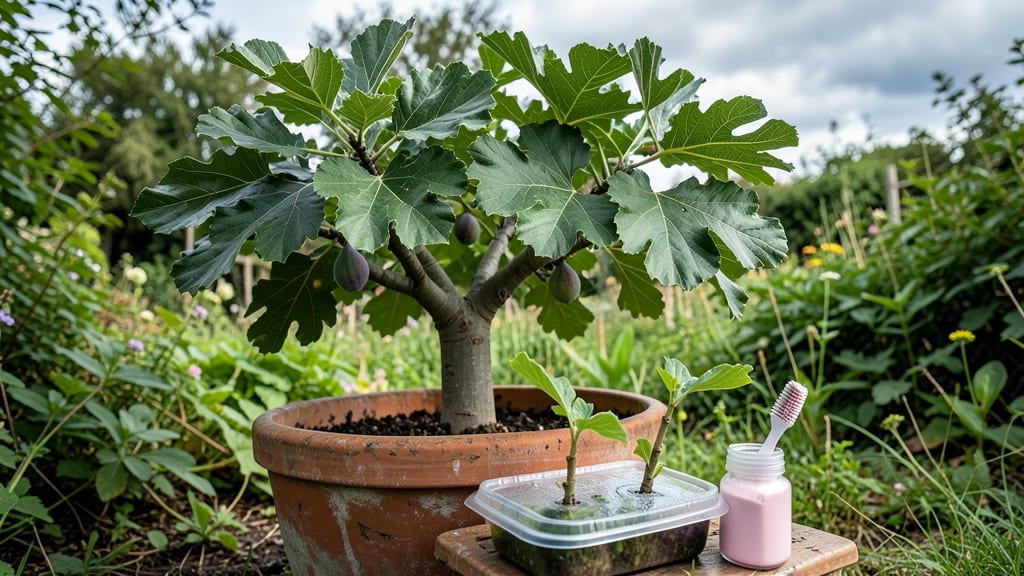
**"The propagation of fig trees from cuttings is the secret weapon I wish I’d known years ago—now I’ve got a 90% success rate with just a few simple steps. 🌱 The key isn’t fancy equipment but timing and a little patience, and..."** I'll walk you through exactly how to do it right the first time.
You'll need just three things: semi-hardwood cuttings from a healthy tree, a rooting hormone (optional but helpful), and a warm, humid spot to encourage roots.
The best time to take cuttings is late spring or early summer when the tree is actively growing, and you can have rooted plants ready for transplanting in about 8-12 weeks.
What you end up with is a thriving young fig tree that's genetically identical to the parent—same sweet fruit, same hardiness, and none of the variability you get from seeds.
The roots develop quickly if you keep the cuttings moist and warm, and once established, these new trees grow fast enough to bear fruit in just 2-3 years.
Works for both indoor and outdoor fig varieties, and even if you've struggled with rooting before, this method is designed to minimize failure. Here's how to make it work every time."
📚 In This Guide
- What you need
- Instructions
- Tips and common mistakes
- Wrapping up and next steps
What you need
- ● Mature fig tree cuttings: 4–6 healthy, pencil-thick stems (6–12 inches long) with 2–3 leaf nodes each. Pro tip: Harvest cuttings in late spring or early summer when the tree is actively growing! 🌿
- ● Rooting hormone: 1 small bottle (e.g., Clonex or Rootone) to boost root development.
- ● Well-draining potting mix: 1 bag of cactus/succulent mix or a blend of 50% perlite + 50% peat moss (sterilized).
- ● Small pots or propagation trays: 4–6 3–4 inch diameter pots or a tray with drainage holes.
- ● Plastic bags or clear domes: To create a humid microclimate (e.g., ziplock bags with holes or a humidity dome).
- ● Spray bottle: For misting cuttings (16 oz with a fine mist nozzle).
- ● Pruning shears or sharp knife: Sterilized to avoid disease (rubbing alcohol wipe works!).
- ● Watering can or spray bottle: For gentle hydration (avoid soaking the mix).
- ● Heat mat: Keeps soil 70–75°F to speed up rooting (especially in cooler climates).
- ● Fertilizer (diluted): ½ tsp fish emulsion or seaweed extract after 4–6 weeks.
- ● Grow lights: If propagating indoors with low natural light (LED or fluorescent, 12–14 hours/day).
- ● Label markers: To track cutting varieties (e.g., Brown Turkey vs. Chicago Hardy).
Step-by-step instructions for propagating fig trees from cuttings
Here’s how to turn fig tree branches into thriving new plants with minimal fuss.
🌱 Step 1: Select and Prepare Healthy Cuttings
Choose 4-6 inch long semi-hardwood cuttings from the current season’s growth—look for pencil-thick stems with 3-4 leaf nodes (the small bumps where leaves attach). Use clean, sharp pruners to avoid crushing the stem. I like to take cuttings just after a rain or watering when the wood is slightly pliable but not soggy.
Trim the cutting just below a node at the base and just above a node at the top. Remove all but the top 2-3 leaves—this reduces moisture loss while roots form. If leaves are large, cut them in half to further minimize stress. Wipe the cut ends with a damp cloth to remove sap, which can slow rooting.
💧 Step 2: Dip in Root Hormone and Plant
Dip the bottom 1 inch of each cutting in rooting hormone (powder or gel works). I shake off any excess to avoid clumping at the base. Fill a 4-inch pot with well-draining potting mix (equal parts perlite and peat moss or coconut coir works perfectly). Make a hole with your finger about 2 inches deep—this ensures the cutting stands upright without toppling.
Place the cutting in the hole, firming the soil gently around it. Water lightly until the mix feels evenly moist but not soggy. The top of the root ball should sit ½ inch below the pot’s rim—this prevents rot if water pools during propagation. Here’s the thing—don’t overwater now. You’ll see new growth in 4-6 weeks, but soggy soil invites rot before roots form.
☀️ Step 3: Create Ideal Conditions for Rooting
Set the pot in a bright, indirect light spot—think east-facing window or under 50% shade cloth. Figs need warmth to root, so aim for 70-80°F soil temps. A seedling heat mat under the pot speeds things up, especially in cooler climates. I’ve found that placing the pot on a saucer of lukewarm water (not submerged) keeps humidity high without drowning the cutting.
Cover the pot loosely with a plastic bag or clear dome to trap moisture. Check daily for condensation—if the bag fogs up, the humidity is perfect. Open it for 10 minutes every 3 days to prevent mold. Roots typically form in 6-8 weeks, but don’t rush—patience here means stronger plants later. You’ll know it’s working when tiny new leaves appear at the top.
✂️ Step 4: Transition to Independent Growth
Once roots are 1-2 inches long (gently tug the cutting—resistance means roots!), it’s time to wean it. Remove the plastic cover and move the pot to bright, direct light gradually over 7-10 days. Water when the top inch of soil feels dry—overwatering now will drown the tender roots. I like to fertilize lightly with half-strength liquid fertilizer after 4 weeks of independent growth to boost vigor.
After 3-4 months, your cutting should be ready for its first repotting into a 6-inch container. Here’s the hack: prune the top leaves by ⅓ to encourage bushier growth. This is also when you’ll see whether your variety is true to form—some figs produce tiny fruit even as cuttings!
Tips & tricks for perfect fig tree propagation
These simple adjustments will help you achieve a 90% success rate with your fig cuttings.
Cutting Selection: Look for semi-hardwood cuttings that are slightly pencil-thick with 3-4 leaf nodes—this is where roots will form. I've found that cuttings taken just after a rain or watering root best because the wood is pliable but not soggy. Avoid overly thick or thin stems, as they struggle to establish roots.
Root Hormone Application: When dipping the bottom inch of your cutting in rooting hormone, be gentle to avoid crushing the stem. I shake off any excess to prevent clumping at the base, which can block oxygen flow to developing roots. A light, even coating is all you need—don't go heavy-handed!
Moisture Management: The soil should feel evenly moist but not soggy after planting. I place my pots on a saucer of lukewarm water (not submerged) to maintain humidity without drowning the cutting. This mimics the natural moisture levels figs prefer during root development.
Light and Temperature: Aim for bright, indirect light and soil temperatures between 70-80°F. If your home runs cooler, a seedling heat mat under the pot works wonders. I've noticed that cuttings in cooler conditions take about 2 weeks longer to root than those in ideal warmth.
Pro Tips for Fig Tree Propagation From Cuttings
- These simple adjustments will help you achieve a 90% success rate with your fig cuttings.
- Cutting Selection: Look for semi-hardwood cuttings that are slightly pencil-thick with 3-4 leaf nodes—this is where r...
- Root Hormone Application: When dipping the bottom inch of your cutting in rooting hormone, be gentle to avoid crushin...
Frequently asked questions
Got questions about growing fig trees from cuttings? You’re not alone! Here are answers to the most common queries to help you succeed with this easy propagation method.
When is the best time to take fig tree cuttings?
The ideal time is late winter or early spring, just before new growth begins. You can also try in summer during active growth, but spring cuttings root faster in most climates. Avoid taking cuttings during extreme heat or cold—consistency is key!
How do I know if my cutting will root successfully?
Look for healthy, semi-hardwood cuttings (about pencil-thick) with 3–5 leaf nodes. Avoid woody or overly soft stems. A good cutting should bend slightly but not snap—this signals the right balance of maturity and flexibility. Roots typically form in 4–8 weeks if conditions are right!
Why aren’t my fig cuttings rooting? Troubleshooting tips.
If your cuttings refuse to root, check these common issues:
- Low humidity: Use a plastic bag or humidity dome to trap moisture.
- Overwatering: Keep soil moist but not soggy—root rot is a silent killer!
- Poor lighting: Place cuttings in bright, indirect light (no harsh sun).
- Wrong season: Try again in spring or use a rooting hormone for a boost.
Patience is key—some fig varieties are slower to root than others.
Can I propagate fig trees from leaves or just stems?
Stems are your best bet! Fig trees cannot be propagated from single leaves like some houseplants. Use 4–6-inch stem cuttings with at least one leaf node. For faster results, dip the cut end in rooting hormone before planting in soil or water.
Will fig tree cuttings grow in water first?
Yes! Many gardeners start fig cuttings in water to encourage roots before transplanting. Change the water every 2–3 days and place the cutting in bright, indirect light. Once roots are 2–3 inches long (usually in 4–6 weeks), transfer to soil. Pro tip: Use filtered or distilled water to avoid chlorine damage.
Wrapping up and next steps
Propagating fig trees from cuttings is a rewarding way to expand your garden with minimal effort—and now, you’ve got the root-growing hack to boost your success rate to nearly 90%! 🌱 Whether you’re a seasoned gardener or a curious beginner, this method makes it easy to grow healthy, thriving fig trees from just a few simple steps.
Ready to put your new skills to the test? Start with a single cutting today—your future fig harvest (or stunning landscape addition!) is just roots away. Happy propagating! 🌳✨