Pruning
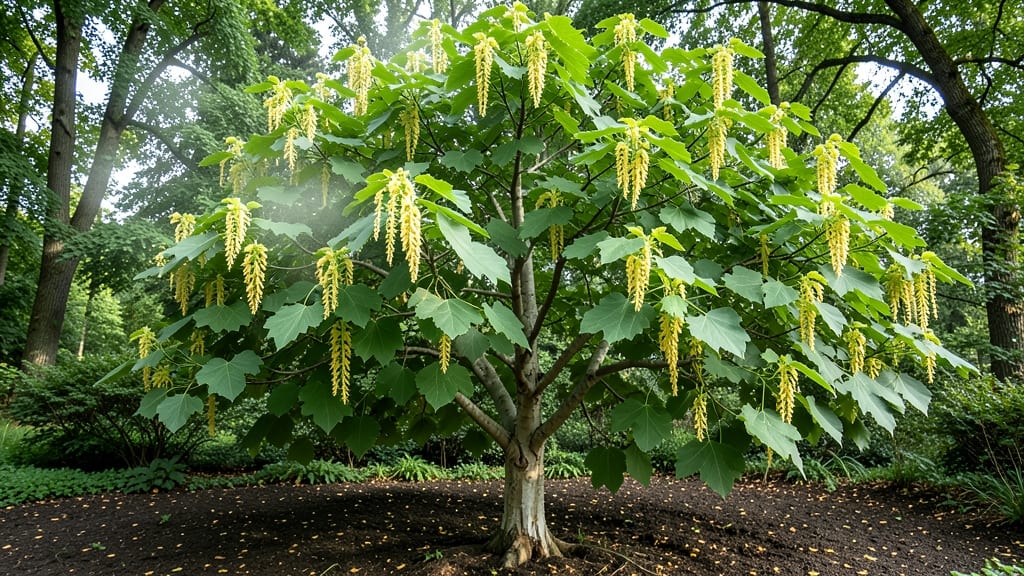
All-green tree care isn’t just about pruning—it’s about keeping your Pacific Northwest trees vibrant through every season, from the damp winters to the dry summers.
I’ve been maintaining trees in this climate for over a decade, and the difference between a thriving specimen and a struggling one often comes down to timing and technique. The key?
Pruning when the tree is least stressed, watering deeply but not drowning the roots, and monitoring for pests before they become a problem.
This isn’t about complicated schedules or expensive tools—just a few simple, seasonal checkpoints that keep your trees healthy year-round. You’ll need basic pruning gear, a hose with a gentle spray, and maybe a soil meter to track moisture.
The real secret? Working with the tree’s natural rhythms instead of fighting them. For example, late winter is prime time for pruning deciduous trees, while evergreens respond better to light trims in early spring or fall.
By following this calendar, you’ll see stronger branch structure, fewer pest issues, and trees that flourish even in PNW’s unpredictable weather. No more guessing when to cut or how much water to give—just clear, actionable steps that adapt to your trees’ needs.
Ready to transform your yard into a lush, low-maintenance forest? Let’s get started with the first cut of the year.
Whether you’ve got towering Douglas firs or delicate Japanese maples, these principles scale to every tree in your landscape. The only thing you’ll need to adjust is the frequency—mature trees need less attention than young ones, and drought-tolerant species handle summer watering differently.
We’ll cover all of that in the seasonal breakdown ahead.
📚 In This Guide
- What you need
- Instructions
- Tips and common mistakes
- Wrapping up and next steps
What you need
- ● Pruning shears: Bypass pruners (for cuts up to ¾ inch) – 1 pair (look for Felco F-2 or Gonicc G9 for durability).
- ● Loppers: For branches 1–2 inches thick – 1 pair (e.g., Corona SL2 with ratcheting leverage).
- ● Pruning saw: Curved-tooth saw for thick branches (2+ inches) – 1 (e.g., Felco F-1).
- ● Extension pole: 6–10 ft with saw attachment – 1 (for hard-to-reach branches).
- ● Gloves: Heavy-duty, cut-resistant (e.g., Worthington Industrial) – 1 pair.
- ● Ladder: Sturdy, extendable (12–20 ft) – 1 (or hire a pro for tall trees!).
- ● Disposable pruning bags: 3–5 gallon size – 2–3 bags (for debris collection).
- ○ Sealing wax: (e.g., Tanglefoot Tree Wound Pruning Sealer) – 1 small tub (optional, for large cuts).
- ● Hand sanitizer: (to avoid spreading disease between cuts) – 1 bottle.
- ● Safety glasses: ANSI-rated – 1 pair.
- ○ Ear protection: (for loud chainsaw pruning) – 1 pair (optional).
- ● First-aid kit: Basic cuts/bruises – 1.
- ● Tree map or diagram: (to plan cuts—sketch or use a tree-pruning app like iTree).
- ● Weather check: Prune on dry, calm days (PNW rain = slippery ladders!).
- ● ✨ Sharp is key: Dull tools tear bark—hone blades before starting.
- ● 🌡️ Timing matters: Avoid pruning cedars or juniper in late summer (PNW pest magnet!).
- ● 🔥 Disease watch: Sterilize tools with 70% isopropyl alcohol between trees.
- ● 🎯 Local regulations: Check if your city requires permits for large-tree removal (e.g., Seattle’s Tree Preservation Ordinance).
How to maintain all-green trees in the Pacific Northwest year-round
Here’s the seasonal approach I’ve refined over years of working with evergreens and broadleaf evergreens in the PNW’s damp, mild climate.
Assess and Plan for Winter Pruning (Late November–Early February)
Winter’s the ideal time to prune all-green trees because they’re dormant, so you won’t stress the plant by removing foliage when it’s actively growing. Start by inspecting each tree for dead, diseased, or crossing branches—these are your top priorities. I use a sharp bypass pruner to make clean cuts just outside the branch collar, where the branch meets the trunk. This prevents unsightly stubs and promotes faster healing.
Focus on structural integrity first. Remove any branches that rub against each other or grow inward—they’ll create wounds and weak points. For broadleaf evergreens like rhododendrons or pieris, prune lightly to shape, but avoid heavy cuts. Over-pruning in winter can expose tender new growth to late frosts. If you’re unsure, limit cuts to no more than 25% of the tree’s canopy in a single season.
Light Pruning for Spring Growth (March–April)
Once new growth begins—you’ll spot pale green buds swelling along branches—switch to corrective pruning. This is when you address any winter damage, thin out overly dense areas, and encourage air circulation. Use hand pruners for branches under ½ inch thick and a pruning saw for thicker stems. Always cut at a 45-degree angle just outside the branch collar to prevent water from pooling and rotting the wound.
For conifers like cedars or firs, this is also the time to shape young trees by pinching back new growth to encourage bushier habits. If you notice yellowing or browning needles, it’s often a sign of fungal issues—prune out affected areas immediately and sterilize your tools with rubbing alcohol between cuts to prevent spread.
Summer Maintenance (June–August)
Summer pruning is all about cleanup and minor adjustments. Wait until after the tree has finished its main flush of growth—you’ll know it’s ready when new shoots stop elongating rapidly. Remove any water sprouts (fast-growing, vertical shoots) and suckers (shoots at the base of the tree) as soon as you spot them. These compete with the main structure for nutrients and weaken the tree.
For broadleaf evergreens, this is also when you deadhead spent flowers to redirect energy into foliage growth. Use sharp, clean shears to avoid tearing the stems. If you notice pests like spider mites or scale, prune infested branches and dispose of them in sealed bags. Never compost pruned material from infected trees—it spreads disease.
Fall Preparation (September–October)
Late summer to early fall is the time to prune for next year’s shape and health. Start by removing any crossing, rubbing, or weak branches—these are the same targets as winter, but now you’re also prepping the tree for dormancy. For conifers, thin the inner canopy to improve light penetration and reduce fungal risks. Use a pole pruner for higher branches, and always face cuts away from the trunk to prevent bark damage.
This is also when you fertilize lightly (if needed) to support root growth before winter. Water deeply after pruning to help the tree recover. If you’re in a wet PNW winter, avoid heavy pruning now—exposed wounds take longer to heal in damp conditions. Instead, focus on removing only the most problematic branches and leave the rest for winter.
Tips & tricks for perfect all-green tree care
Mastering year-round pruning for Pacific Northwest evergreens takes more than just timing—it’s about understanding how each season affects your tree’s health. Here’s what I’ve learned after years of working with these resilient plants.
Seasonal Tool Selection: The right tools make all the difference. For winter pruning (Late November–Early February), I always use a sharp bypass pruner for clean cuts—dull tools crush branches, creating larger wounds that heal poorly. In spring and summer, switch to hand pruners for branches under ½ inch thick and a pruning saw for thicker stems. For higher branches in fall, a pole pruner becomes essential. Sterilize all tools with rubbing alcohol between cuts, especially when dealing with fungal issues in spring.
Visual Cues for Pruning Timing: Don’t rely solely on the calendar—watch your tree’s natural signals. In spring (March–April), look for pale green buds swelling along branches as your cue to begin corrective pruning. For summer maintenance (June–August), wait until new shoots stop elongating rapidly before making adjustments. These visual cues ensure you’re pruning at the optimal growth stage, preventing stress on the tree.
PNW-Specific Pruning Adjustments: The damp climate here demands special attention. In winter, limit cuts to no more than 25% of the canopy to prevent exposing tender new growth to late frosts. In fall (September–October), avoid heavy pruning—exposed wounds heal more slowly in our wet conditions. Instead, focus on removing only the most problematic branches and leave the rest for winter. This seasonal adjustment prevents fungal infections that thrive in our damp air.
Post-Pruning Recovery Care: After any significant pruning, water deeply to help the tree recover. In fall, consider a light fertilization (if needed) to support root growth before winter dormancy. For broadleaf evergreens, redirect energy into foliage growth by deadheading spent flowers in summer. This targeted aftercare ensures your trees stay healthy year-round, especially in our challenging PNW climate.
Pro Tips for All Green Tree Care
- Mastering year-round pruning for Pacific Northwest evergreens takes more than just timing—it’s about understanding how each season affects your tree’s health.
- Seasonal Tool Selection: The right tools make all the difference.
- Visual Cues for Pruning Timing: Don’t rely solely on the calendar—watch your tree’s natural signals.
Frequently asked questions
Got questions about keeping your trees lush and healthy year-round in the Pacific Northwest? You’re not alone! Here are some of the most common concerns—and straightforward answers—to help you master all-green tree care like a pro.
When is the best time to prune evergreens in the PNW?
The ideal window for pruning evergreens like pine, fir, or cedar is late winter to early spring (February–March). This timing minimizes stress, encourages new growth, and avoids pests that thrive in late summer/fall. Pro tip: Avoid heavy pruning in fall—it can leave trees vulnerable to winter dieback.
Can I prune my tree anytime if it’s not flowering?
While non-flowering trees can tolerate pruning year-round, timing still matters. Summer pruning (June–August) can stress trees by encouraging rapid regrowth before winter. For best results, stick to dormant seasons (winter for deciduous, late winter/early spring for evergreens). If you must prune in summer, do it early and keep cuts small.
How do I know if my tree is overpruned?
Watch for these red flags:
- Stunted growth or sparse foliage
- Dead branches (brown, brittle, or no leaves)
- Weak, leggy stems or excessive water sprouts
- Pests or disease appearing after pruning
What’s the difference between thinning and heading cuts?
| Thinning Cuts | Heading Cuts |
|---|---|
| Remove entire branches back to the trunk or larger branch. Improves airflow and light penetration. | Trim the tips of branches to encourage bushier growth. Can lead to dense foliage but may require more frequent pruning. |
| Best for: Open-canopied trees, storm damage cleanup, or shaping mature trees. | Best for: Shaping young trees, hedges, or promoting fullness in evergreens. |
PNW tip:
Thinning is often better for native trees like Douglas fir or bigleaf maple to reduce disease risk.
Should I prune before or after rain?
Prune before rain if possible—wet tools and branches can spread disease (like Phytophthora) and make cuts harder to seal. If you must prune after rain, wait 24–48 hours to let the tree dry out slightly. Always sterilize tools with rubbing alcohol or bleach solution between cuts!
Wrapping up and next steps
Caring for your trees in the Pacific Northwest’s lush, ever-changing climate doesn’t have to feel overwhelming—just strategic! 🌿 From seasonal pruning to tool prep, you now have a clear, year-round roadmap to keep your trees thriving.
Remember, consistency is key, but so is patience and observation—your trees will thank you with vibrant growth and resilience.
Ready to roll up your sleeves? Start small: pick one season’s tasks this month and build from there. Whether it’s sharpening your shears or scheduling a deep clean, every step brings you closer to a healthier, greener landscape. Your trees (and future generations) will love you for it!