
Pruning
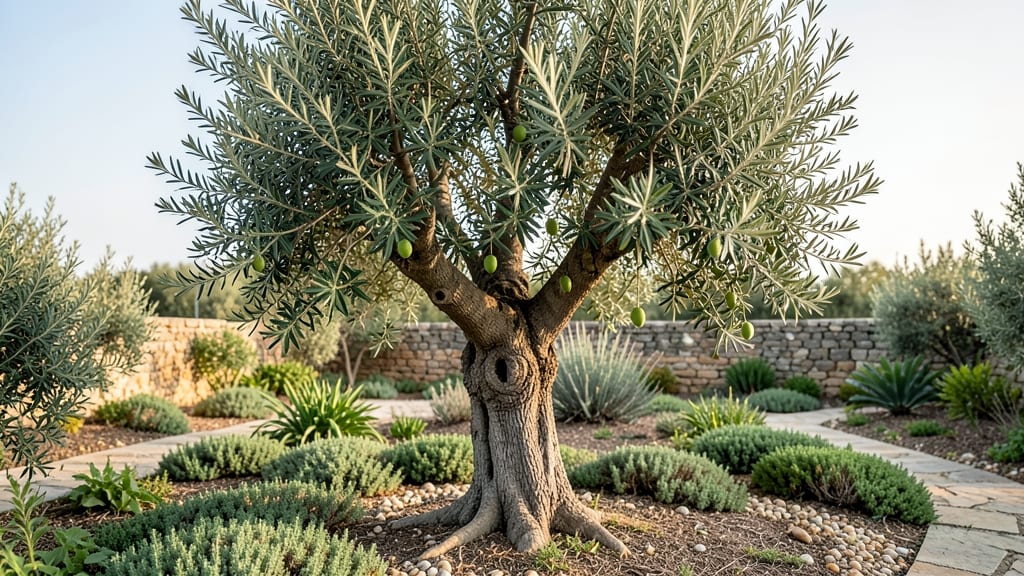
Growing an at-home olive tree in the Pacific Northwest means choosing cold-hardy varieties like 'Arbequina' or 'Frantoio'—the ones that survive our damp winters with the right care.
I learned this the hard way after my first tree took a frost hit last December, but now I’ve got a system that keeps mine thriving year-round. The key isn’t just pruning; it’s timing, shelter, and understanding how olives handle our unique climate.
You’ll need a sunny spot (at least 6 hours of direct light daily), well-draining soil, and a 15-gallon container if growing indoors or in colder zones. Pruning isn’t just about shaping—it’s about air circulation to prevent fungal issues and protecting tender growth before the first frost.
My tree now stays compact, productive, and frost-resistant with just a few strategic cuts each season.
By winter, you’ll see sturdy branches ready for spring growth, and those first olives forming by late summer. The best part? Even in our rainy climate, a properly pruned tree produces sweet, flavorful fruit that rivals Mediterranean varieties.
The secret’s in the layers—soil prep, pruning technique, and knowing when to bring it indoors.
Works for patios, balconies, or even a sunny windowsill if you’re in a colder microclimate. Let’s get your olive tree winter-ready—no frost damage in sight!
📚 In This Guide
- What you need
- Instructions
- Tips and common mistakes
- Wrapping up and next steps
What you need
- ● Olive tree (Olea europaea) – Choose a frost-hardy variety like ‘Arbequina’ or ‘Frantoio’ (USDA Zones 7-9 with winter protection).
- ● Pruning shears – Bypass pruners (for clean cuts) or anvil pruners (for thicker branches). Sharpness is key!
- ● Loppers – For branches ½” to 2” thick (extendable loppers help reach high branches).
- ● Hand saw – Pruning saw with a curved blade for branches over 2” in diameter.
- ● Disinfectant (70% isopropyl alcohol or bleach solution) – Clean tools between cuts to prevent disease.
- ● Rubbing alcohol wipes – For quick tool sanitization mid-pruning.
- ● Garden gloves – Cut-resistant to protect hands from thorns and sap.
- ● 5-gallon bucket – For collecting pruned branches (compost or dispose of later).
- ● Frost cloth or row covers – Lightweight, breathable fabric (rated for 25–32°F) to protect young trees in winter.
- ○ Heat lamp or space heater – Optional for container-grown trees during cold snaps (place safely, away from foliage).
- ● Mulch (straw or wood chips) – 3–4 inches deep around the base to insulate roots.
- ● Tree wrap or bubble wrap – Wrap the trunk in late fall to prevent sunscald and frost cracks.
- ● Timing matters: Prune in late winter or early spring (before new growth) to avoid frost damage.
- ● Container growers: Use a large pot (15+ gallons) with drainage holes and move it indoors when temps drop below 20°F.
- ● Soil prep: Amend with sand or perlite for drainage—olive trees hate soggy roots!
Step-by-Step pruning guide for Pacific Northwest olive trees
This method keeps your olive tree healthy through wet winters and mild summers.
Assess the Tree’s Growth Pattern and Frost Damage
Begin by examining the tree’s structure in late winter, just before new growth starts. Look for branches that died back from frost—these will appear brown and brittle, while healthy wood remains green or tan with slight flexibility. Pacific Northwest winters often cause dieback, so prune these dead sections first to encourage fresh growth from the base.
Identify the tree’s central leader—the main vertical stem—and any competing vertical branches. In olive trees, a single strong leader is ideal for structural integrity. Use your fingers to gently bend each branch: healthy wood should bend slightly without snapping, while dead wood will crumble. Mark these branches with a small piece of twine or tape for clarity.
Remove Dead, Diseased, or Weak Wood
Start pruning by cutting out all dead, diseased, or crossing branches. Use clean, sharp pruning shears to make cuts just outside the branch collar—the swollen area where the branch meets the trunk. This prevents unsightly stubs and promotes faster healing. For larger branches over ½ inch thick, use loppers or a pruning saw, and make the cut at a slight angle to allow water runoff.
If you notice any signs of fungal infection—such as dark spots, oozing sap, or powdery residue—sterilize your tools with rubbing alcohol between cuts. Olive trees are susceptible to silver leaf fungus in damp climates, so removing infected branches early prevents spread. Dispose of diseased wood immediately in a sealed bag, not in your compost pile.
Shape the Canopy for Airflow and Sun Exposure
Olive trees thrive with open canopies that allow sunlight to penetrate to the inner branches. Step back and visualize the tree’s shape—aim for a rounded, vase-like form with a clear central leader. Remove any branches growing inward or rubbing against others, as these create wounds and block airflow. Cut back to a lateral branch or bud that faces outward to encourage new growth in the right direction.
Thin out crowded areas by selecting the strongest, most vigorous branches. In the Pacific Northwest, where winters are wet, proper airflow reduces humidity-related diseases. Leave 6-8 inches of space between branches to ensure good circulation. Avoid heavy pruning in late summer or fall, as new growth won’t harden off before winter’s first frost.
Prune for Frost Resistance and Encourage New Growth
To harden the tree for Pacific Northwest winters, focus on selective pruning that balances growth and dormancy. Cut back overgrown branches by ⅓ to ⅕ of their length, making the cuts just above a leaf bud or lateral branch. This stimulates bushier growth while keeping the tree compact enough to withstand frost. Avoid heavy pruning in early spring, as new shoots may not mature before the next cold snap.
Pay special attention to the lower branches—these are most vulnerable to frost damage. If a branch shows signs of winter dieback, prune it back to a healthy bud or lateral branch. Olive trees are resilient and will often regrow from old wood, but pruning aggressively encourages stronger regrowth. Water the tree deeply after pruning to help it recover and establish new roots before the next growing season.
Tips & tricks for pruning Pacific Northwest olive trees
Pruning your olive tree properly is the key to keeping it thriving through our region's unique climate challenges.
Timing Secret: Late winter is the absolute best time to prune—just before new growth begins. This timing allows the tree to heal before the growing season starts and prevents late-season pruning that could leave it vulnerable to frost. In the Pacific Northwest, where winters are wet and cold, pruning too late can stress the tree and reduce its frost resistance. I always prune mine in late February or early March, right after the last frost warning.
Tool Technique: Sterilize your pruning tools between cuts, especially when dealing with diseased wood. Olive trees are particularly susceptible to silver leaf fungus in our damp climate, and contaminated tools can spread infection rapidly. I keep rubbing alcohol handy and wipe down my shears after every 3-4 cuts. For branches thicker than ½ inch, use loppers or a pruning saw to make clean cuts at a slight angle—this prevents water from pooling and causing rot at the cut site.
Structural Strategy: Maintain that single central leader at all costs—it's the backbone of your tree's strength. When you identify competing vertical branches in Step 1, cut them back completely to a lateral branch or bud. This creates a strong, upright structure that can better withstand heavy snow loads common in our region. I've seen too many olive trees develop weak forks where competing leaders grow together, leading to splits during winter storms.
Canopy Care: Leave at least 6-8 inches of space between branches to ensure proper airflow. This spacing is crucial in our wet climate, as it prevents fungal diseases that thrive in humid conditions. When thinning crowded areas, always cut back to an outward-facing bud or lateral branch—this encourages new growth to develop in the right direction, away from the center of the tree. I visualize the tree as an open vase shape, with sunlight able to reach all the way to the inner branches.
Pro Tips for At Home Olive Tree
- Pruning your olive tree properly is the key to keeping it thriving through our region's unique climate challenges.
- Timing Secret: Late winter is the absolute best time to prune—just before new growth begins.
- Tool Technique: Sterilize your pruning tools between cuts, especially when dealing with diseased wood.
Frequently asked questions
Got questions about growing an at-home olive tree in the Pacific Northwest? You’re not alone!
Here are the most common concerns—plus straightforward answers to help you thrive.
Can olive trees survive PNW winters?
Yes, with the right care! While olive trees (Olea europaea) aren’t native to cold climates, hardy varieties like ‘Arbequina’ or ‘Frantoio’ can tolerate brief dips to 15–20°F if protected. Use burlap wraps, mulch, or move potted trees indoors during freezes. Prune in late winter to reduce frost damage and improve airflow.
When’s the best time to prune for frost resistance?
Prune late winter to early spring (February–March), before new growth starts. This timing hardens wood for winter and removes weak branches that trap cold air. Avoid heavy pruning in fall—it stunts recovery before dormancy. Focus on open-center shaping to let sunlight warm the center.
How do I protect my olive tree from sudden frost?
Act fast! Cover the tree with frost cloth or burlap at dusk, securing it tightly. For potted trees, move them to a garage or sheltered porch. Avoid plastic—it traps moisture and can burn leaves. Water deeply before frost (but not soggy) to help roots insulate the tree.
What if my olive tree’s leaves turn brown or fall off?
Brown leaves often signal cold stress, overwatering, or root rot. Check soil moisture—olives hate soggy roots! If leaves drop but buds remain, it’s likely dormancy or frost damage. Prune dead branches in late winter, and fertilize lightly in spring to encourage new growth. Yellowing leaves? Could be nutrient deficiency—try an iron supplement.
Can I grow an olive tree in a container? How big should it be?
Containers are ideal for PNW growers. Use a 5-gallon pot minimum (bigger = more stability), with drainage holes and well-draining soil (mix potting soil with perlite/sand). Repot every 2–3 years to prevent root-bound stress. In winter, move pots to unheated garages or porches (avoid freezing temps).
Wrapping up and next steps
Growing an at-home olive tree in the Pacific Northwest is totally doable—especially with the right pruning strategies to toughen it against frost! By mastering selective pruning, seasonal timing, and protective techniques, you’ll nurture a resilient tree that thrives year-round. 🌿❄️
Now that you’re armed with the knowledge, roll up your sleeves and start pruning! Begin with a single branch or two, observe how your tree responds, and gradually refine your approach. Before you know it, you’ll be harvesting homegrown olives—and maybe even sharing tips with fellow gardeners. Happy pruning! 🌱✨