
Pruning
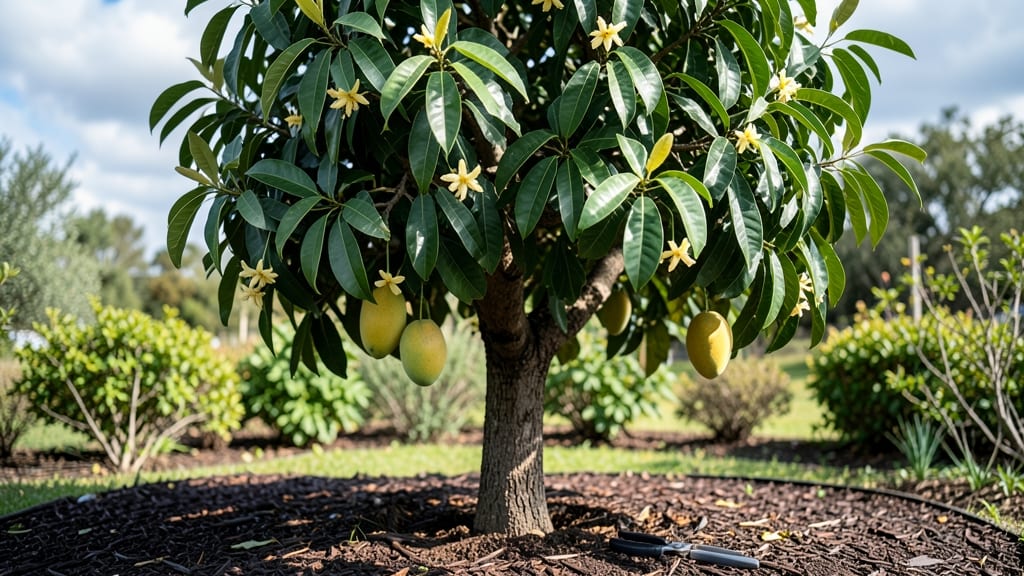
Growing an Ataulfo mango tree in your backyard means sweet, creamy fruit year-round—but only if you prune it right. 🌱 I learned the hard way that skipping this step leads to fewer, smaller mangoes and a messy canopy.
The secret isn’t complicated: three strategic cuts in early spring keep the tree productive and manageable.
This variety thrives in warm climates but can handle mild winters with protection. You’ll need well-draining soil, full sun, and patience—those first fruits take 3-5 years. The payoff? Juicy, snow-white mangoes that ripen over months, not just one season. Even in containers, this tree delivers.
Start with a young tree or a cutting, and focus on removing dead wood, thinning crowded branches, and shaping the canopy. A well-pruned Ataulfo produces 20-30% more fruit per season, with fewer pests and better air circulation. The best part? You’ll harvest continuously, not just once a year.
Works for home gardeners in zones 10-11, with adjustments for cooler areas. Let’s get that tree shaped for maximum harvests!
📚 In This Guide
- What you need
- Instructions
- Tips and common mistakes
- Wrapping up and next steps
What you need
- ● Pruning shears: Bypass pruners (for cuts up to ½ inch in diameter). Required: 1 pair (sharp, clean, and sterilized).
- ● Pruning saw: Curved-tooth saw for thicker branches (½ inch to 2 inches). Required: 1 saw (with a fine-tooth blade for clean cuts).
- ● Loppers: For branches 2–4 inches in diameter. Required: 1 pair (with a long handle for reach).
- ● Rubbing alcohol (70% isopropyl) or bleach solution: For sterilizing tools between cuts. Required: Small bottle or spray.
- ● Garden gloves: Heavy-duty, cut-resistant gloves (to protect hands from thorns and sap). Required: 1 pair.
- ● Disposable pruning bags or bucket: For collecting and disposing of pruned branches. Required: 1–2 bags or a 5-gallon bucket.
- ○ Permanent marker: For labeling cuts or branches (optional but helpful for tracking growth).
- ○ Tree wound dressing (optional): Pruning paste or sealant for large cuts (controversial—some gardeners skip this!).
- ● Safety gear: Long sleeves, closed-toe shoes, and safety glasses (to protect from sap and debris).
- ● Weather check: Prune on a dry, calm day (avoid wind or rain to prevent sap splatter and fungal risks).
- ● Tree assessment: Inspect the tree beforehand for dead, diseased, or crossing branches (mark them with flags or tape if needed).
- ● Clean workspace: Lay down a tarp or old sheet to catch debris and make cleanup easier.
How to prune an Ataulfo mango tree for continuous fruit
Here's the straightforward approach I've used to keep my Ataulfo bearing fruit year-round.
✂️ Step 1: Remove Dead or Diseased Branches First
Start by inspecting your tree for any branches that are completely dead, diseased, or broken. These are your priority cuts—they'll never produce fruit and can spread problems to healthy growth. Use sharp pruning shears to make clean cuts just outside the branch collar where it meets the trunk or larger branch.
Look for branches with blackened spots, oozing sap, or hollow centers—these are clear signs of infection. I always remove these first because they disrupt the tree's energy flow. Make your cut at a slight angle to prevent water from pooling where the branch used to be. This simple step keeps your tree healthy and focused on producing fruit.
✂️ Step 2: Thin Out Overcrowded Growth
Next, focus on thinning out branches that are growing too close together. When branches rub against each other or grow in dense clusters, they compete for sunlight and nutrients, which reduces fruit quality. Aim to leave about 6-8 inches of space between branches to allow good airflow and sunlight penetration.
Start from the center of the tree and work outward. Remove about 20-30% of the total branches—this might sound aggressive, but it's what your Ataulfo needs to maintain steady fruit production. Cut back to a side branch or bud that grows outward rather than inward. This encourages an open canopy that lets sunlight reach all parts of the tree.
✂️ Step 3: Shape for Year-Round Flowering
The key to continuous harvests is encouraging multiple flowering cycles. To do this, focus on shaping your tree to maintain a balance between old and new growth. Start by selecting 3-4 main scaffold branches that form the tree's structure. These should be evenly spaced around the trunk and angled outward.
For each of these main branches, trim back any vigorous shoots that are growing too fast or too upright. Cut these back to a leaf bud that grows at a better angle. This redirects the tree's energy into producing more flowers and fruit rather than just leafy growth. I like to do this pruning right after harvests to give the tree time to recover before its next flowering cycle.
⏰ Step 4: Time Your Pruning for Optimal Results
Timing matters more than you might think. For Ataulfo mangoes, the best time to prune is just after a harvest cycle, when the tree has finished fruiting but before new growth becomes too vigorous. This is usually in late spring or early summer. Avoid heavy pruning during the winter months when the tree is dormant.
Watch for new growth to appear after your pruning—this is your signal that the tree is responding well. You'll see fresh green leaves emerging from the buds you left behind. This new growth is crucial because it's where your next set of flowers will develop. If you prune too late in the season, you might delay the tree's flowering and fruit production.
Tips & tricks for pruning your Ataulfo mango tree
Here's what nobody tells you about keeping your Ataulfo producing fruit like clockwork.
Tool Prep: Before you even start cutting, make sure your pruning shears are sharp and clean. Dull blades can crush branches instead of making clean cuts, which stresses the tree. I also like to disinfect my tools with rubbing alcohol between cuts—especially when removing diseased branches. This prevents spreading any potential infections to healthy parts of your tree.
Visual Cues for Step 2: When thinning out overcrowded branches in Step 2, look for branches that are rubbing against each other or growing directly toward the center of the tree. These are your targets. I think of it like opening up a window—you want sunlight to flow freely through the canopy. The 6-8 inch spacing is your guide, but trust your eye more than the measurement when you see branches competing for space.
Seasonal Timing Secret: The instructions mention late spring/early summer, but here's the real trick: watch your tree's natural cycle. If you see new leaves starting to form after harvest but before the heat of summer, that's your perfect window. I've found that pruning when the tree is already showing signs of recovery gives it the best chance to bounce back quickly with new growth and flowers.
Scaffold Branch Selection: When choosing your 3-4 main scaffold branches in Step 3, look for ones that are evenly spaced around the trunk and have good upward angles. These branches should be sturdy enough to support future fruit but not so thick that they'll be hard to prune later. I like to visualize an open umbrella shape—this helps sunlight reach all parts of the tree and makes harvesting easier.
Pro Tips for Ataulfo Mango Tree
- Here's what nobody tells you about keeping your Ataulfo producing fruit like clockwork.
- Tool Prep: Before you even start cutting, make sure your pruning shears are sharp and clean.
- Visual Cues for Step 2: When thinning out overcrowded branches in Step 2, look for branches that are rubbing against each other or growing directly toward the center of the tree.
Frequently asked questions
Got questions about growing and maintaining an Ataulfo mango tree? You’re not alone! Here are some of the most common queries—and their straightforward answers—to help you keep your tree thriving with minimal fuss.
How often should I prune my Ataulfo mango tree?
Prune your Ataulfo mango tree once a year, ideally in late winter or early spring (before new growth starts). Focus on removing dead, diseased, or crossing branches—just 3 key cuts (as outlined in our guide) will keep it healthy and productive. Avoid heavy pruning during fruiting season to prevent stress.
When will my Ataulfo mango tree start bearing fruit?
With proper care, your Ataulfo mango tree can produce fruit in 3–5 years, though some trees may take longer. Factors like climate, sunlight (6+ hours/day), and soil quality speed up fruiting. Patience is key—once established, it rewards with year-round harvests in warm regions!
Can I grow an Ataulfo mango tree in a pot?
Yes! Ataulfo mango trees thrive in large containers (15+ gallons) if given full sun and well-draining soil. Use a fast-draining mix (like cactus/succulent blend) and repot every 2–3 years. Just know: Potted trees may fruit later than in-ground plants and need winter protection in cold zones.
Why are my Ataulfo mango leaves yellowing or dropping?
Yellowing leaves often signal overwatering, nutrient deficiency, or pests. Check soil moisture (let it dry between waterings) and inspect for aphids or spider mites. A balanced citrus/mango fertilizer (applied every 2–3 months) can also revive growth. If issues persist, test your soil’s pH (ideal: 6.0–7.0).
What’s the best alternative if Ataulfo mangoes are hard to find?
If Ataulfo mangoes aren’t available, try these similar varieties:
- Keitt: Sweeter, firmer flesh; great for slicing.
- Haden: Balanced flavor, cold-hardy.
- Kent: Juicy, fiber-free, and disease-resistant.
Wrapping up and next steps
Growing an Ataulfo mango tree with year-round harvests is totally within reach—thanks to just three strategic pruning cuts! By mastering these techniques, you’ll boost fruit production, improve air circulation, and keep your tree thriving.
Whether you’re a seasoned gardener or a curious beginner, the key is consistency and patience. 🌱
Now that you’re armed with the tools, tips, and answers to common questions, it’s time to roll up your sleeves! Start with a single cut today—your future mango feast begins with that first snip. Happy pruning! 🍈✨