
Trees
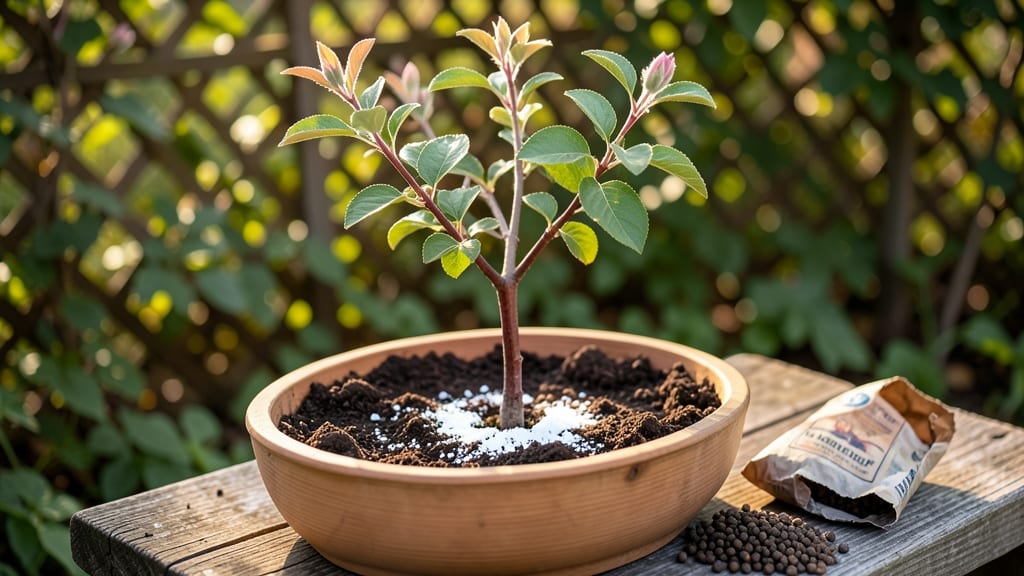
When your azaleas refuse to bloom or your rhododendrons turn yellow, baking soda for trees might be your secret weapon—though it’s not as simple as sprinkling it like flour. 🌳 I’ve used it to gently raise soil pH for acid-loving trees, and the difference in foliage color and growth is noticeable within months.
The key is precision: too much throws off the balance, but the right amount can revive struggling plants without harsh chemicals.
This isn’t a one-size-fits-all fix—it works best for soil pH adjustment in acid-loving trees like pines, blueberries, or camellias, but it also helps deter pests like aphids and fungal issues like powdery mildew when mixed correctly.
You’ll need a 1-teaspoon-per-gallon solution, a spray bottle, and patience, because results take time. Think of it as a gentle nudge, not an overnight miracle.
What you’ll actually see is darker green leaves, fewer pest outbreaks, and—if your soil was too acidic—better nutrient uptake that leads to stronger roots and blooms. For example, my neighbor’s struggling azalea rebounded after two applications, and the flowers came back bigger than ever.
The trick is consistency: apply every 2-4 weeks during growing season, and always test your soil first.
It’s not a cure-all—overly alkaline soil or severe pest infestations may need stronger solutions—but for mild pH issues or preventative care, baking soda is a budget-friendly, chemical-free option. Just avoid overdoing it, and pair it with proper mulching and watering for the best results. Let’s get those trees thriving again.
📚 In This Guide
- What you need
- Instructions
- Tips and common mistakes
- Wrapping up and next steps
What you need
- ● Baking soda (sodium bicarbonate) – 1–2 tablespoons per gallon of water (adjust based on soil pH levels). Opt for food-grade baking soda for safety.
- ● Water – 1 gallon per application (use rainwater or distilled if possible to avoid chlorine).
- ● Measuring tools – A spoon or scale for precise baking soda amounts and a bucket or spray bottle (5–10 gallons) for mixing.
- ● Soil pH test kit – To check if your soil is alkaline (pH > 7.0) before treating (required for accuracy).
- ● Garden gloves – To protect your hands from soil and baking soda residue.
- ● A hose-end sprayer for even distribution around tree roots.
- ● Organic mulch (e.g., pine needles or wood chips) – 2–3 inches thick to retain moisture and acidify soil over time.
- ● Lime or sulfur – For long-term soil adjustments if baking soda alone isn’t enough.
- ● pH buffer solution (e.g., aluminum sulfate) – For severe alkalinity cases (use sparingly).
How to use baking soda as a natural soil pH balancer for trees
Here's the method I trust to safely adjust soil pH for acid-sensitive trees—no harsh chemicals needed.
🌱 Step 1: Test Your Soil's Current pH
Before adding baking soda, grab a soil pH test kit (digital probes work best) and test the top 6 inches of soil where tree roots spread. Most acid-loving trees thrive at pH 4.5-6.0, while alkaline-sensitive species like hickory, walnut, and birch need pH 6.5-7.5. Take readings from 3-4 spots around the tree's drip line—soil pH varies even in small areas.
If your test shows below 6.0, baking soda can help raise pH. But if it's already above 7.0, skip this step—adding more alkali will harm roots. Here's the thing: baking soda works best when soil pH is slightly acidic (5.5-6.0). You're not fixing extreme cases; you're fine-tuning.
💧 Step 2: Mix the Right Amount of Baking Soda
For each 100 square feet of soil around your tree, measure 1 cup of baking soda (sodium bicarbonate). Spread it evenly over the soil surface within the tree's drip line. Don't exceed 2 cups per 100 sq ft—too much creates a toxic salt buildup that burns roots. I like to use a broadcast spreader for even distribution, but a simple hand-sprinkling works too.
Water the area deeply immediately after applying—this dissolves the baking soda and carries it down to the root zone. Use 2-3 gallons of water per 100 sq ft to ensure full penetration. The goal is to move the sodium bicarbonate 6 inches deep, where most tree roots live. If your soil is sandy, you may need to repeat this every 3-4 months—sandy soils drain alkali faster.
☀️ Step 3: Monitor and Adjust Over Time
Wait 4-6 weeks before retesting soil pH. Baking soda doesn't work instantly—it needs time to react with soil microbes and minerals. If pH hasn't shifted enough (still below 6.5), you can apply another ½ cup per 100 sq ft, but never exceed 1.5 cups total per season. Overapplication causes sodium buildup, which damages soil structure and prevents water absorption.
Watch your tree for signs of stress: yellowing leaves (could mean overapplication) or stunted growth (may need more time). Healthy trees show deep green foliage and vigorous new shoots within 8-12 weeks of proper pH correction. If you see crusty white deposits on the soil surface, you've overdone it—flush the area with 5 gallons of water per 100 sq ft to dilute excess sodium.
✂️ Step 4: Combine With Organic Matter for Long-Term Balance
Baking soda is a quick fix, but for lasting results, mix 3 inches of compost into the topsoil annually. Compost naturally buffers pH swings and improves soil structure. Spread it evenly over the root zone and water deeply to help it integrate. I like to do this in early spring when trees are actively growing—new roots will thrive in the balanced environment.
For trees in containers, reduce baking soda to ¼ cup per 5-gallon pot and flush the soil with 1 gallon of water afterward. Container soils dry out faster, so check pH every 2 months and adjust as needed. Remember: container trees need more frequent monitoring because their root systems can't access natural soil buffers.
Tips & tricks for perfect soil pH balancing with baking soda
These practical insights will help you avoid common pitfalls and get the most out of your baking soda treatment.
Testing Accuracy Matters: For the most reliable pH readings in Step 1, use a digital soil pH test kit rather than litmus paper. Digital probes give precise measurements down to one decimal place, which is crucial when working with the narrow pH range (5.5-6.0) where baking soda works best. I've found that soil pH can vary by up to 1.5 points just a few feet apart around the same tree—always test multiple spots. This precision helps you avoid under- or over-applying the baking soda, which can either leave your tree struggling or damage the roots.
Application Technique: When applying the 1 cup of baking soda per 100 square feet in Step 2, focus on spreading it evenly within the tree's drip line—not just around the trunk. Use a broadcast spreader for consistency, but if you're hand-sprinkling, work in small sections to avoid missing spots. The key is getting that sodium bicarbonate into the root zone where it can actually affect pH. I've seen gardeners accidentally concentrate all the baking soda near the trunk, leaving the outer roots (which often account for 80% of nutrient uptake) untreated. After application, use a garden rake to gently work the baking soda into the top 1/2 inch of soil before watering deeply.
Timing is Everything: The 4-6 week waiting period in Step 3 is non-negotiable for accurate results. Baking soda doesn't work through direct chemical action—it relies on soil microbes to convert sodium bicarbonate into usable nutrients over time. If you retest too soon, you'll get false readings that might make you think you need more baking soda when you actually don't. For container plants, reduce this waiting period to 2-3 weeks since the smaller soil volume allows for faster microbial activity. Watch for the first signs of new growth (typically within 6-8 weeks) as your best indicator that the pH adjustment is working.
Safety First: Never apply baking soda when the soil is frozen or waterlogged. In frozen soil, the sodium bicarbonate can't dissolve properly and may create harmful salt concentrations near the surface. In waterlogged conditions, excess sodium can leach into groundwater. If you must treat in late fall or early spring, focus on container plants where you have better control over moisture levels. For established trees, aim for treatment in early spring when soil temperatures consistently stay above 50°F—this gives the baking soda time to work before the tree's active growing season begins.
Pro Tips for Baking Soda For Trees
- These practical insights will help you avoid common pitfalls and get the most out of your baking soda treatment.
- Testing Accuracy Matters: For the most reliable pH readings in Step 1, use a digital soil pH test kit rather than litmus paper.
- Application Technique: When applying the 1 cup of baking soda per 100 square feet in Step 2, focus on spreading it evenly within the tree's drip line—not just around the trunk.
Frequently asked questions
Got questions about using baking soda for trees?
Here are answers to the most common ones—so you can treat your plants with confidence!
How often should I apply baking soda to my trees?
Apply baking soda to trees once every 2–3 months during the growing season (spring and summer). Overuse can disrupt soil pH balance, so consistency is key—not frequency. Monitor soil pH after 2–3 applications to adjust as needed.
How long does it take for baking soda to work?
Results vary, but you’ll often see improvements in 4–8 weeks for acid-loving plants like azaleas or blueberries. Soil pH changes gradually, so patience is crucial. Test soil pH before and after treatment for the most accurate timeline.
Can I use baking soda for all types of trees?
No! Baking soda is best for acid-loving trees (e.g., pines, rhododendrons, or citrus). For trees thriving in neutral/alkaline soil (like oaks or maples), it may do more harm than good. Always test soil pH first!
What’s a better alternative if baking soda isn’t working?
If baking soda fails, try elemental sulfur (lowers pH) or peat moss (for organic acidification). For severe cases, consider lime-free compost or professional soil amendments. Pair any treatment with regular pH testing for precision.
Why is my tree’s soil still acidic after using baking soda?
Possible causes: Overwatering (dilutes baking soda), poor soil drainage, or high organic matter (like decomposed leaves). Try mixing baking soda with perlite for better absorption or apply it directly to root zones during dry spells.
Wrapping up and next steps
Baking soda isn’t just a kitchen staple—it’s a game-changer for acid-loving trees struggling in alkaline soil! By balancing pH levels naturally, you’re giving your plants the best chance to thrive without harsh chemicals. Start small, monitor progress, and watch your garden flourish.
Ready to take action? Test your soil first—then grab that baking soda and get mixing! Your trees (and future harvests) will thank you. 🌱✨