Pruning
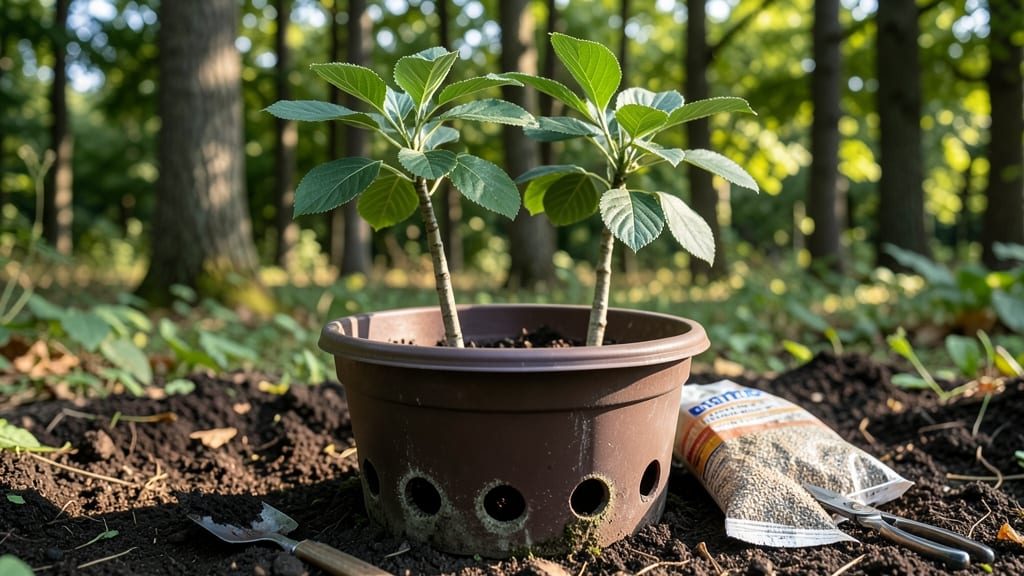
Planting beech tree saplings in the Pacific Northwest means choosing a tree that thrives where others struggle—its frost resistance and adaptability make it a standout for our damp, cool climate.
I’ve watched mine push through winter’s chill only to burst into fresh green by spring, and that’s the magic you’re planting for. The key starts with soil: rich, well-draining, and slightly acidic, just like the forest floor they mimic.
Skip the heavy clay, and give them room to grow—these trees aren’t shy about space.
Timing matters most in our region. Plant in early fall or late winter when the ground is workable but not frozen, giving roots time to establish before summer’s heat.
A 5-foot-deep hole and 10-foot spacing between saplings keeps roots from competing, and mulch helps retain moisture while protecting young trunks from temperature swings. Water deeply once a week after planting—enough to soak 12 inches down, but avoid soggy soil that invites rot.
What you’ll end up with is a sturdy, slow-growing giant that outlasts many ornamental trees. By year three, you’ll see sturdy branches and that signature glossy leaf, and by year ten, it’ll cast shade like a veteran.
The trade-off? Patience—beech trees take their time, but their reliability makes every season worth the wait. Here’s how to set yours up for success from day one.
Common challenges like transplant shock or borer infestations are easy to prevent with the right prep. Inspect saplings for pests before planting, and avoid overwatering—both are quick fixes that save months of frustration.
In our climate, beech trees rarely need pruning, but removing low branches early keeps the base clear and healthy. Let’s get those roots settled right.
📚 In This Guide
- What you need
- Instructions
- Tips and common mistakes
- Wrapping up and next steps
What you need
- ● Beech tree saplings: 3–5 healthy, 1–2 ft tall saplings (preferably Fagus grandifolia or hybrid varieties suited for zones 5–7)
- ● High-quality potting soil: 10–15 gallons (sterilized, well-draining mix with compost)
- ● Garden containers or nursery pots: 3–5 gallon size (with drainage holes) or a raised bed (4’x8’ recommended)
- ● Mulch: 2–3 inches of cedar chips or pine straw (to insulate roots from frost)
- ● Organic fertilizer: Slow-release, balanced formula (10-10-10 or similar) for young trees
- ● Garden gloves & trowel: For planting and soil prep
- ● Watering can or hose with nozzle: For gentle, deep watering
- ○ Frost cloth or row covers: Lightweight fabric (optional but highly recommended for young saplings)
- ● Root stimulator: Mycorrhizal fungi or liquid rooting hormone for faster establishment
- ● Soil moisture meter: To monitor watering needs without over-saturating
- ● Tree stakes & ties: For support if saplings are tall or windy conditions exist
- ● Anti-desiccant spray: (e.g., Wilt-Pruf) to protect leaves from winter drying
- ● Compost tea: For an extra nutrient boost during early growth
Step-by-Step guide for planting and nurturing beech tree saplings in the Pacific Northwest
Here’s how I’ve successfully established hardy beech saplings in wetter climates—key adjustments for our region’s unique frost patterns.
🌱 Step 1: Select and Prepare the Planting Site
Choose a location with partial shade to full sun, avoiding low spots where cold air pools. Beech trees tolerate moist but well-drained soil—critical in the Pacific Northwest’s rainy winters. Test drainage by digging a 12-inch deep hole; if water pools after 24 hours, amend with 2-3 inches of compost mixed into the native soil.
Beech saplings need 6-8 feet of clearance from structures or other trees to prevent root competition. Mark the spot with a stake, then loosen the soil in a 2-foot diameter circle around the planting hole. This reduces compaction and encourages root spread. I always plant in early spring or fall, when temperatures are mild and frost isn’t a risk.
🪴 Step 2: Plant Saplings at the Correct Depth and Stake for Stability
Position the sapling so its root flare—the swollen base where roots meet the trunk—sits 1-2 inches above soil level. Backfill the hole with native soil (not amended mix) to avoid settling issues. Tap the soil gently as you fill to remove air pockets, then water deeply to encourage root contact.
Stake only if the sapling is over 4 feet tall or in windy areas. Use two 2-foot stakes tied loosely with soft twine to the central leader. Avoid tight ties—beech bark is sensitive to girdling. Mulch with 3 inches of wood chips in a 3-foot diameter circle, keeping mulch 6 inches away from the trunk to prevent rot.
☀️ Step 3: Water Strategically to Build Frost Tolerance
Water deeply once a week during the first growing season, delivering 1-2 gallons per sapling to encourage deep root growth. In the Pacific Northwest, consistent moisture prevents drought stress, which weakens trees before winter. Check soil moisture by inserting a 6-inch screwdriver—if it goes in easily, roots are established; if it resists, water again.
Reduce watering in late fall to every 10-14 days to harden off the sapling. Overwatering before frost can lead to winter dieback. Apply a 2-inch layer of mulch in early winter to insulate roots, but avoid piling against the trunk. Young beech trees benefit from dappled shade during summer heat waves, which helps them conserve moisture.
✂️ Step 4: Prune for Structure and Frost Resistance
Prune only to remove dead, crossed, or rubbing branches in late winter or early spring. Beech trees are sensitive to heavy pruning—never remove more than 25% of the canopy in a single season. Use clean, sharp pruners to make cuts just outside the branch collar to prevent disease entry.
Focus on opening the center of the tree to improve air circulation, which reduces fungal risks. Avoid topping or heading cuts—these stimulate weak, frost-sensitive growth. After pruning, apply a copper fungicide spray if the area has a history of anthracnose, a common beech disease in moist climates.
⏰ Step 5: Monitor for Frost Adaptation and Adjust Care
Watch for new growth in early spring—this signals successful frost hardening. If buds swell but don’t break, the sapling may need additional winter protection, like a burlap wrap around the trunk to prevent sunscald. Pacific Northwest frosts can fluctuate, so avoid removing winter mulch until mid-April.
By year three, your sapling should show 3-4 inches of trunk caliper (measure at 4.5 feet high). At this stage, reduce staking and gradually taper watering to encourage self-sufficiency. Beech trees mature slowly but reward patience with dense, drought-tolerant canopies once established.
Tips & tricks for perfect beech tree sapling establishment
Real talk: Beech trees are finicky in our rainy climate, but these tricks will help you avoid the common pitfalls that sink so many saplings.
Soil Preparation Secret: In Step 1, when testing drainage, don't just check for pooling water—also look for clay layers. If you hit hardpan at 12 inches, consider digging deeper or installing a French drain. I've seen saplings fail within months because their roots couldn't penetrate compacted soil. The 2-3 inches of compost should be mixed into the top 6 inches of soil, not just dumped in the hole.
Staking Strategy: For Step 2, if you're planting in particularly windy areas, use three stakes in a triangular formation rather than two parallel stakes. This creates a more stable support system that mimics natural wind resistance. And remember: The stakes should be buried at a 45-degree angle with only 6-8 inches showing above ground—this prevents them from acting like sails in high winds.
Watering Wisdom: During the first growing season, those 1-2 gallons per week should be delivered slowly over 20-30 minutes to prevent runoff. I use a soaker hose buried 2 inches deep in the mulch ring—this encourages roots to grow deeper rather than staying shallow. In late fall, when you reduce to every 10-14 days, water in the morning so any excess has time to evaporate before evening frosts.
Pruning Precision: In Step 4, when making those cuts just outside the branch collar, use a sharp pruning saw for branches thicker than 1 inch. The clean cut prevents tearing that invites disease. And here's what nobody tells you—after pruning, wipe your tools with rubbing alcohol between cuts to prevent spreading any potential pathogens from one branch to another.
Pro Tips for Beech Tree Saplings
- Real talk: Beech trees are finicky in our rainy climate, but these tricks will help you avoid the common pitfalls that sink so many saplings.
- Soil Preparation Secret: In Step 1, when testing drainage, don't just check for pooling water—also look for clay layers.
- Staking Strategy: For Step 2, if you're planting in particularly windy areas, use three stakes in a triangular formation rather than two parallel stakes.
Frequently asked questions
Got questions about growing beech tree saplings in the Pacific Northwest? You’re not alone! Here are answers to the most common concerns—from planting timing to troubleshooting—so you can nurture resilient, frost-hardy trees with confidence.
When is the best time to plant beech tree saplings in the PNW?
The ideal window is early spring (March–April) or fall (September–October). Spring lets roots establish before summer heat, while fall planting avoids winter stress. Avoid planting in late fall—young saplings need time to root before frost sets in.
How cold-hardy are beech saplings, and how do I protect them from PNW winters?
Beech saplings (especially Fagus sylvatica) tolerate down to -20°F (-29°C) once established, but younger trees need extra care. Mulch heavily (3–4 inches) with wood chips, wrap the trunk with burlap in harsh winters, and water deeply before the first freeze to prevent drought stress.
Can I grow beech saplings from seed, or should I buy nursery-grown ones?
While possible, nursery-grown saplings are far easier—they’re disease-resistant, faster-growing, and already pruned for shape. If you’re determined to grow from seed, cold-stratify acorns for 60–90 days in moist sand before planting in spring. Patience is key; seedlings take 5–10 years to mature!
Why are my beech saplings’ leaves turning yellow or brown?
Yellowing leaves often signal overwatering or poor drainage, while brown edges can mean underwatering or salt buildup. Check soil moisture (top 2 inches should dry between waterings) and ensure well-draining soil. Fungal issues (like beech leaf disease) are rare but may require fungicide if spotted. Prune affected branches to improve airflow.
How close can I plant beech saplings to my house or other trees?
Keep saplings at least 15–20 feet away from structures to avoid root conflicts and future pruning headaches. For mature beech trees (50+ feet tall), maintain 30+ feet of spacing from buildings, sidewalks, and power lines. Their shallow roots can disrupt foundations or driveways over time!
Wrapping up and next steps
Growing beech tree saplings in the Pacific Northwest’s chilly climate is absolutely doable—with the right prep, patience, and care! 🌱 These frost-resistant beauties thrive when you prioritize well-draining soil, strategic pruning, and winter protection.
By following the blueprint in this guide, you’ll set your saplings up for stunning, long-term growth while keeping pests and diseases at bay.
Ready to take the next step? Start small: plant one sapling this season, monitor its progress, and refine your approach. Before you know it, your garden will be dotted with majestic beech trees—and you’ll be the proud gardener who made it happen! 🌿✨