Planting
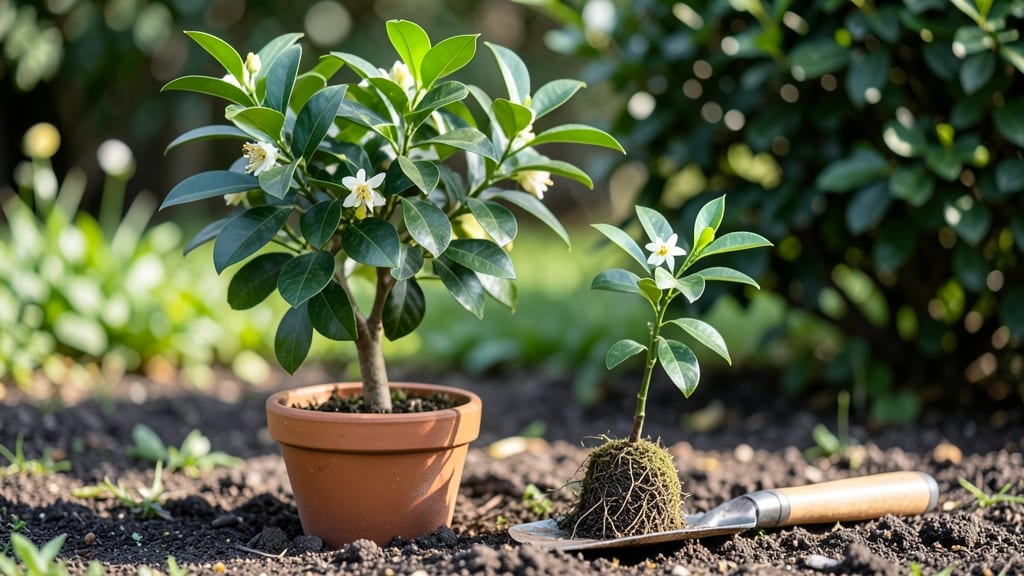
Planting a lemon tree starts with the right timing and soil—my first attempt failed because I rushed it in spring when roots were still tender. 🌱 The best way to plant a lemon tree is in early fall or late winter, when temperatures stay mild and roots can establish before summer heat.
Whether you're planting in the ground or a container, the key is mimicking its Mediterranean homeland: well-draining soil, full sun, and protection from frost.
For ground planting, dig a hole twice as wide as the root ball but no deeper—lemon trees hate soggy roots. Mix in compost or citrus-specific soil to improve drainage, and avoid heavy clay.
Container growers need pots at least 18 inches wide with drainage holes, and a mix of potting soil and perlite for aeration. Both methods require the same sunny spot: at least 6-8 hours of direct sunlight daily.
After planting, water deeply but let the top inch of soil dry between waterings—overwatering is the #1 killer of young lemon trees. Mulch around the base (but not touching the trunk) to retain moisture and keep roots cool.
Within a few weeks, you’ll see new growth, and with proper care, your tree could bear fruit in 2-3 years. The secret? Patience and consistency—lemon trees reward slow, steady attention.
Climate matters: if you live in a cold zone, container growing lets you move the tree indoors during winter. In warmer areas, shade cloth protects young trees from harsh afternoon sun.
Either way, avoid fertilizing for the first 3 months—let those roots settle in before pushing new growth. Now, let’s get that tree in the ground!
📚 In This Guide
- What you need
- Instructions
- Tips and common mistakes
- Wrapping up and next steps
What you need
- ● Lemon Tree: 1 healthy lemon tree sapling (choose between Meyer lemon for containers or Eureka/Lisbon for ground planting).
- ● Ensure it’s disease-free and has a sturdy root system.
- ● Soil: For ground planting: Well-draining, slightly acidic soil (pH 6.0–7.0). Mix in compost or aged manure (5–10 lbs per planting hole).
- ● For containers: Citrus-specific potting mix (or blend: 60% peat moss, 30% perlite, 10% sand).
- ● Container (if applicable): 1 15–25 gallon pot (minimum 18" deep) with drainage holes.
- ● Grow bag (alternative for portability).
- ● Fertilizer: Slow-release citrus fertilizer (e.g., 8-3-6 NPK ratio) or organic options like fish emulsion.
- ○ Citric acid (optional, to adjust soil pH if needed).
- ● Tools: Trowel or small shovel
- ● Garden gloves
- ● Watering can or hose with gentle spray nozzle
- ● Mulch (e.g., straw or wood chips, 2–3 inches thick)
- ● Support: Stake or trellis (for young trees in windy areas).
- ● Drip irrigation system (to maintain consistent moisture).
- ● Pest control: Neem oil or horticultural oil (preventative measure).
- ● Pruning shears (for shaping and maintenance).
- ● Soil moisture meter (to monitor watering needs).
- ● Epsom salt (occasional magnesium boost for yellowing leaves).
Step-by-step guide to planting a lemon tree for long-term success
Here's how I ensure lemon trees thrive whether in pots or garden beds.
🪴 Step 1: Choose the Right Spot and Prepare the Soil
Lemon trees need full sun—at least 6-8 hours daily—and well-draining soil. If planting in the ground, pick a location with shelter from strong winds (they hate being tossed around). Work in 2-3 inches of compost into the top 12 inches of native soil to improve drainage and fertility. Lemon trees despise soggy roots, so if your soil stays wet for more than a day after rain, amend it with sand or perlite to loosen the texture.
For container growing, select a pot at least 18 inches wide and deep—larger is better for mature trees. Drill drainage holes if they don’t exist. I always fill the bottom 3 inches with gravel or broken pottery to prevent root rot. This is the moment that matters: Drainage is non-negotiable for lemon trees.
🌱 Step 2: Plant at the Correct Depth and Water Thoroughly
Dig a hole twice as wide as the root ball but no deeper. If planting a bare-root tree, soak the roots in lukewarm water for 10 minutes before placing it in the hole. Position the tree so the graft union (the bump where the scion meets the rootstock) sits 1-2 inches above soil level. This prevents it from being buried too deep, which can cause rot.
Backfill with native soil mixed with compost, tamping gently as you go. Water deeply until it drains from the bottom—you’ll see moisture emerge from drainage holes. For containers, add 1 inch of mulch (like bark chips) around the base, keeping it 2 inches away from the trunk to prevent rot. Real talk: Overwatering kills lemon trees faster than underwatering—let the top 2 inches of soil dry out before watering again.
☀️ Step 3: Provide Consistent Care for the First Critical Months
Keep the soil moist but not soggy for the first 4-6 weeks—this is when roots establish. Lemon trees are shallow-rooted, so water slowly at the base rather than overhead to avoid fungal issues. If growing in a container, move it to a sunny indoor spot (like a bright kitchen window) during winter if temperatures drop below 40°F. Cold snaps will kill your tree overnight.
Fertilize lightly with a balanced citrus fertilizer (10-10-10 or similar) every 6-8 weeks starting in spring. You’ll see new growth in 3-4 weeks—that’s your signal everything’s working. Watch for yellow leaves, which usually mean overwatering or nutrient deficiency. If leaves curl or drop, reduce watering and check for pests like spider mites on the undersides.
✂️ Step 4: Prune and Train for Shape and Fruit Production
Prune in late winter or early spring before new growth starts. Remove dead, crossing, or inward-growing branches with clean sterilized pruners. Cut just above a leaf node at a 45-degree angle to encourage healing. I always aim to create an open center—this improves airflow and sunlight penetration, which prevents disease and boosts fruit set.
Pinch back new growth by one-third to encourage bushier growth. If your tree grows leggy (stretching toward light), it needs more sun or a smaller pot. Lemon trees fruit best on mature wood, so avoid heavy pruning until the tree is 2-3 years old. You’ll know you’re doing it right when you see small white flowers in spring—these will turn into lemons within 6-12 months.
Tips & tricks for planting a lemon tree that actually thrives
Here's what nobody tells you about keeping lemon trees alive and producing fruit for years.
Sunlight Strategy: Those 6-8 hours of daily sun are non-negotiable, but here's the secret: position your tree where it gets morning sun and afternoon shade in hot climates—this prevents leaf scorch. I've seen trees crisp up in direct afternoon sun even with perfect drainage. South-facing windows or garden spots work best in most regions.
Root Health Hack: The 10-minute lukewarm water soak for bare-root trees isn't just about hydration—it helps roots absorb oxygen. After soaking, gently separate any circling roots with your fingers before planting. This prevents girdling, where roots strangle the trunk as the tree grows. I've lost count of trees saved by this simple step.
Watering Wisdom: That top 2 inches of dry soil before watering is your guide, but here's the real trick: use your finger to check moisture at the base of the tree, not just the surface. Lemon trees hate soggy roots but also struggle when the soil dries out completely. I water deeply every 3-4 days in summer and reduce to once a week in winter—adjust based on your climate.
Fertilizer Timing: The 6-8 week schedule starting in spring is perfect, but here's what I do differently: I cut fertilizer in half during the first year. Young trees need time to establish roots before handling heavy nutrients. You'll notice new growth in 3-4 weeks as promised, but it'll be stronger and healthier with this adjustment.
Pro Tips for Best Way To Plant A Lemon Tree
- Here's what nobody tells you about keeping lemon trees alive and producing fruit for years.
- Sunlight Strategy: Those 6-8 hours of daily sun are non-negotiable, but here's the secret: position your tree where it gets morning sun and afternoon shade in hot climates—this prevents leaf scorch.
- Root Health Hack: The 10-minute lukewarm water soak for bare-root trees isn't just about hydration—it helps roots absorb oxygen.
Frequently asked questions
Got questions about planting your lemon tree? Here are some of the most common concerns—and their answers—to help you grow a thriving citrus plant with confidence!
How deep should I plant a lemon tree?
When planting, bury the root ball just below the soil line—about 1–2 inches deeper than it was in the nursery pot. This protects the roots from drying out while keeping the graft union (the bulge near the base) above soil level to prevent rot. If planting in containers, use a pot at least 12–18 inches wide with drainage holes.
Can I plant a lemon tree in winter?
Ideally, plant in early spring (after the last frost) when temperatures are mild and the tree can establish roots before summer heat. However, if you’re in a warm climate (Zones 9–11), winter planting is fine as long as you water deeply and protect young trees from cold snaps with frost cloth. Avoid planting in freezing temps!
How long does it take for a lemon tree to bear fruit?
Patience is key! Dwarf varieties (grafted) may produce lemons in 3–5 years, while standard trees can take 5–10 years. For faster results, choose a self-pollinating variety like ‘Meyer’ or ‘Eureka’ and ensure full sun (6+ hours daily), well-draining soil, and consistent watering. Cold snaps or poor care can delay fruiting.
What if my lemon tree’s leaves turn yellow?
Yellow leaves often signal overwatering or nutrient deficiencies. Check the soil—it should be damp but not soggy. If roots are waterlogged, let the soil dry slightly between waterings. For yellowing between veins, your tree may need iron or nitrogen. Use a citrus-specific fertilizer or apply chelated iron. Pests like aphids can also cause stress—inspect leaves for sticky residue or tiny bugs.
Can I grow a lemon tree indoors year-round?
Yes! Lemon trees thrive indoors with bright, indirect light (south-facing window) and 12+ hours of artificial grow lights in winter. Choose a dwarf variety for containers, and rotate the pot monthly for even growth. Keep humidity high (use a pebble tray) and water when the top inch of soil is dry. Watch for spider mites—a common indoor pest—by misting leaves occasionally.
What’s the best way to revive a struggling lemon tree?
Start with pruning dead/diseased branches and adjusting water (most issues stem from over- or underwatering). Repot if roots are circling or the soil is compacted. Boost health with organic matter (compost or worm castings) and a balanced citrus fertilizer. If the tree is severely stressed, trim back 1/3 of the foliage to redirect energy to roots. Patience and consistency pay off!
Wrapping up and next steps
Planting a lemon tree is a rewarding journey that combines patience, care, and a little sunshine! 🌱 Whether you choose to grow it in a container or directly in the ground, the key is to provide the right soil, sunlight, and water while protecting it from frost.
With these steps, you’ll be well on your way to harvesting fresh, zesty lemons in no time.
Now that you’re ready to start, grab your gloves and get planting! 🌿 For extra tips, check out our guide on pruning and fertilizing to keep your lemon tree thriving year-round.