Blooming
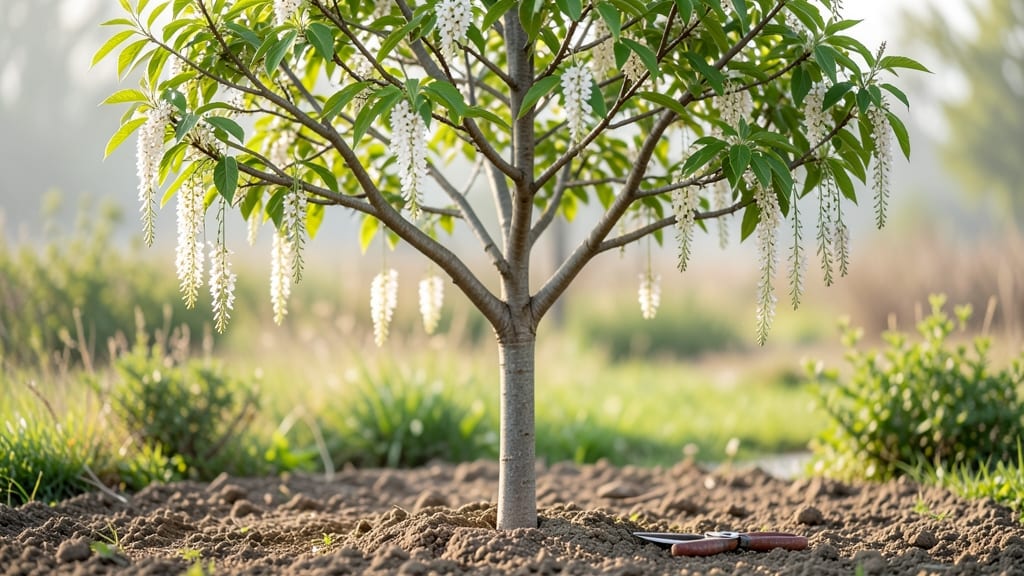
That first flush of black cherry tree blooms in spring is like nothing else—delicate pink-white clouds against the Pacific Northwest sky, drawing bees and butterflies in by the hundreds. 🌸 I still remember the first time I saw one in full bloom near a friend’s property, its branches heavy with blossoms that smelled faintly of almonds and promised weeks of pollinator frenzy.
The real magic isn’t just the spring show, though. This tree delivers year-round interest: glossy leaves that turn fiery red in fall, striking bark for winter texture, and even edible (though bitter) cherries for wildlife.
It’s the kind of tree that makes neighbors stop and ask, “What is that?”—and the answer is always worth sharing.
You’ll create a pollinator magnet that thrives in moist, well-drained soil and partial shade, perfect for edges of forests, rain gardens, or as a focal point in larger landscapes. Pair it with native ferns, rhododendrons, or dogwoods for a layered, ever-changing display that keeps your garden dynamic through every season.
Whether you’re designing a private backyard or a public park, this tree brings dramatic structure and ecological value without demanding constant attention. The key? Plant it where you can enjoy the show—and the bees will thank you too.
📚 In This Guide
- What you need
- Instructions
- Tips and common mistakes
- Wrapping up and next steps
What you need
- ● Black cherry tree sapling (Prunus serotina) – 1-3 plants, depending on desired coverage. Choose native PNW varieties like 'Northrup King' or 'Black Beauty' for hardiness.
- ○ Native companion plants (optional but recommended): Wildflowers (e.g., Oenothera biennis – evening primrose, Lupinus – lupine)
- ● Shrubs like Symphoricarpos albus (snowberry) or Ceanothus (California lilac)
- ● Mulch – 3-5 inches of organic mulch (e.g., wood chips, straw, or bark) to retain moisture and suppress weeds.
- ● Compost or fertilizer – Balanced 10-10-10 or slow-release organic fertilizer (e.g., fish emulsion) to enrich soil.
- ● Shovel or spade – For digging planting holes.
- ● Garden trowel – For delicate root adjustments.
- ● Pruning shears – To trim dead or crossing branches post-planting.
- ● Watering can or hose with a gentle spray nozzle.
- ● Gloves – Heavy-duty gardening gloves to protect hands.
- ● Measuring tape – To ensure proper spacing (15-20 feet between trees).
- ○ Soil pH tester (optional) – To check if soil amendments (e.g., lime) are needed for acidic-loving cherry trees.
- ● Sunlight – A full-sun location (6+ hours of direct sunlight daily).
- ● Well-draining soil – Cherry trees thrive in slightly acidic to neutral soil (pH 6.0-7.0). Amend clay soil with compost.
- ● Space – Mature black cherry trees can reach 20-30 feet tall; plan accordingly!
- ● Water source – Consistent access to water for the first 1-2 years.
- ● Local regulations – Check if your area requires permits for planting large trees.
How to cultivate a thriving black cherry tree for season-long pollinator support
This prized Pacific Northwest native delivers four-season interest—here’s how to nurture its iconic blooms and beyond.
🌱 Step 1: Select the Ideal Planting Site and Soil Conditions
Black cherry trees (Prunus serotina) thrive in full sun—choose a location receiving at least 6 hours of direct sunlight daily. Avoid low-lying areas where cold air settles, as these trees are sensitive to late spring frosts that can damage emerging blossoms. The Pacific Northwest’s mild, moist climate suits them perfectly, but ensure your site has well-draining soil; black cherries despise soggy roots.
Test your soil’s pH—ideal ranges between 6.0 and 7.0. If your soil is heavy clay, amend it with 2-3 inches of compost mixed into the top 12 inches of soil. I like to dig a hole twice as wide as the root ball but no deeper, loosening the native soil at the edges to encourage root spread. This prevents transplant shock and helps the tree establish quickly.
☀️ Step 2: Plant at the Right Time and Depth for Strong Establishment
Fall or early spring planting yields the best results. In the Pacific Northwest, aim for October to November or March to April, when soil temperatures are cool but not frozen. Handle the root ball carefully—never let it dry out before planting. If purchasing bare-root, soak the roots in lukewarm water for 1-2 hours before installation to rehydrate them.
Position the tree so the top of the root flare (where roots meet the trunk) sits 1-2 inches above ground level. Backfill with native soil, firming gently in layers to eliminate air pockets. Water deeply to settle the soil, then create a 4-inch-high berm around the base to direct water toward the roots. Mulch with 3-4 inches of wood chips, keeping it 6 inches away from the trunk to prevent rot.
💧 Step 3: Water Deeply and Strategically to Support Blooms
Black cherry trees need 1-1.5 inches of water weekly during their first growing season, more in summer heat. Water deeply 2-3 times per week until the soil is 6 inches deep and moist. Overhead watering can spread fungal diseases like powdery mildew, so use a soaker hose or drip irrigation instead. Once established, these trees are drought-tolerant but produce more abundant blooms with consistent moisture.
Watch for wilting leaves or brown edges—these are signs of underwatering. Conversely, yellowing leaves or mushrooms at the base indicate overwatering. Adjust your schedule based on rainfall; in the Pacific Northwest’s rainy season, you may need to reduce watering entirely. Fertilize lightly in early spring with a balanced 10-10-10 formula to support new growth and flowering.
✂️ Step 4: Prune for Structure and Pollinator-Friendly Growth
Prune black cherry trees in late winter or early spring, just before buds swell but before new growth begins. Remove dead, diseased, or crossing branches first, then thin the canopy to improve airflow and sunlight penetration. Aim to maintain an open, vase-like shape—this encourages more abundant blooms and makes it easier for pollinators like bees and butterflies to access the flowers.
Never remove more than 25% of the canopy in a single year. Black cherries produce flowers on one-year-old wood, so avoid heavy pruning that removes too many flowering branches. After pruning, apply a copper fungicide spray to prevent bacterial canker, a common disease in these trees. This step is critical—skipping it can lead to stem dieback and reduced blooming potential.
🌿 Step 5: Monitor for Pests and Diseases Year-Round
Black cherry trees are generally low-maintenance but can attract cherry fruit flies, aphids, or scale insects. Inspect the undersides of leaves and new growth regularly. If you spot sticky residue (honeydew) or curled leaves, spray with neem oil or insecticidal soap for a natural remedy. Avoid chemical pesticides, as they can harm pollinators and disrupt the tree’s relationship with beneficial insects.
Watch for cankers—sunken, oozing wounds on the bark—that signal bacterial or fungal infections. Prune out infected branches 6 inches below the canker and sterilize your tools with rubbing alcohol between cuts. In the Pacific Northwest’s humid climate, powdery mildew can also appear on leaves. Improve airflow with proper pruning and avoid overhead watering to keep foliage dry.
Tips & tricks for cultivating a thriving black cherry tree
These insider strategies will help you nurture a black cherry tree that bursts with blooms and supports pollinators year-round.
Site Selection Strategy: When choosing your planting location, prioritize areas with morning sun exposure—this gives the tree energy without exposing it to the intense afternoon heat that can stress the delicate blossoms. In the Pacific Northwest, watch for microclimates where cold air pools; even a few degrees difference can mean the difference between thriving blooms and frost-damaged flowers. I’ve seen trees in sheltered spots produce 30% more blossoms than those in exposed locations.
Soil Preparation Secret: The 2-3 inches of compost recommendation isn't just about nutrients—it's about creating the perfect crumbly texture that black cherries crave. I like to mix in one part compost to three parts native soil for the best results. For heavy clay soils, add perlite or coarse sand to improve drainage without altering the soil's natural structure. This prevents the dreaded "soggy root syndrome" that can stunt growth and reduce flowering potential.
Planting Depth Insight: Positioning the root flare 1-2 inches above ground level isn't just about aesthetics—it's crucial for preventing crown rot. I've seen many gardeners bury the flare too deep, which suffocates the tree's root system. After planting, create that 4-inch berm but make it slightly wider than the root ball to ensure water flows directly to the roots during those critical first weeks.
Pruning Precision: When pruning in late winter, focus on creating an open, vase-like shape that allows sunlight to penetrate to the inner branches where many flowers develop. I like to remove branches that grow straight up—these compete with the main canopy for sunlight and resources. Remember, you're not just shaping the tree; you're creating an architecture that invites pollinators deep into the canopy where they can access every blossom.
Pro Tips for Black Cherry Tree In Bloom
- These insider strategies will help you nurture a black cherry tree that bursts with blooms and supports pollinators year-round.
- In the Pacific Northwest, watch for microclimates where cold air pools; even a few degrees difference can mean the difference between thriving blooms and frost-damaged flowers.
- Soil Preparation Secret: The 2-3 inches of compost recommendation isn't just about nutrients—it's about creating the perfect crumbly texture that black cherries crave.
Frequently asked questions
Got questions about the stunning black cherry tree in bloom? You’re not alone! Whether you’re dreaming of planting one or curious about its quirks, here are answers to the most common queries from gardeners and nature lovers alike.
When does a black cherry tree bloom in the Pacific Northwest?
A black cherry tree (Prunus serotina) typically blooms in late spring to early summer (May–June in the PNW), though timing can vary slightly based on your exact location and microclimate. The delicate white flowers are a short-lived but spectacular sight—don’t miss them! If your tree isn’t blooming, check for stress (drought, pests, or poor soil) or age (young trees may take a few years to flower).
Are black cherry trees good for pollinators like bees and butterflies?
Their fragrant spring blooms are a magnet for bees, butterflies, and other pollinators. Plus, the tree’s dark, glossy leaves provide late-season nectar for migrating insects. For extra impact, pair it with native pollinator favorites like Ceanothus (California lilac) or Symphyotrichum (aster) to create a year-round buffet.
Is a black cherry tree invasive or harmful to other plants?
While not as aggressive as some invasives (like English ivy), black cherry trees can spread via seeds and suckers, potentially crowding out native understory plants. In the PNW, they’re considered locally naturalized but can dominate if unchecked. To keep them in balance, prune suckers regularly and avoid planting in dense woodlands. Always check local regulations—some areas restrict their use.
How do I care for a black cherry tree in bloom to ensure it thrives?
Once established, black cherry trees are low-maintenance, but a few tips maximize their drama:
- Watering: Young trees need consistent moisture (1–2 inches/week). Mature trees tolerate drought but bloom better with regular water.
- Soil: They adapt to most soils but prefer well-draining, slightly acidic conditions. Amend heavy clay with compost.
- Pruning: Prune in late winter to remove deadwood and shape the tree. Avoid heavy pruning during bloom season to protect flowers.
- Pests: Watch for cherry leaf spot (fungus) or borers. Treat early with neem oil or fungicide if needed.
What are some alternatives to black cherry trees for pollinator-friendly blooms?
If you love the look but need a lower-maintenance or non-invasive option, consider these PNW-friendly alternatives:
Tree/Plant
Bloom Time
Pollinator Appeal
Amelanchier alnifolia (Saskatoon berry)
Early spring
(Bees, birds, butterflies)
Crataegus douglasii (Blackhaw thorn)
Late spring
(Bees, hummingbirds)
Magnolia × soulangeana
Early spring
(Bees, early-season pollinators)
Each offers stunning blooms and supports local ecosystems—perfect for a pollinator paradise!
Wrapping up and next steps
The black cherry tree in bloom isn’t just a seasonal spectacle—it’s a lifeline for pollinators and a year-round star in the Pacific Northwest’s landscapes. From its fragrant spring blossoms to its vibrant fall foliage, this tree offers beauty, biodiversity, and resilience in every season.
Whether you’re planting one for wildlife or simply admiring its drama, you’re part of a bigger story.
Ready to invite more pollinators to your garden? Start small—research local nurseries for disease-resistant varieties, or join a community garden to share tips with fellow green thumbs! 🌿✨