
Pruning
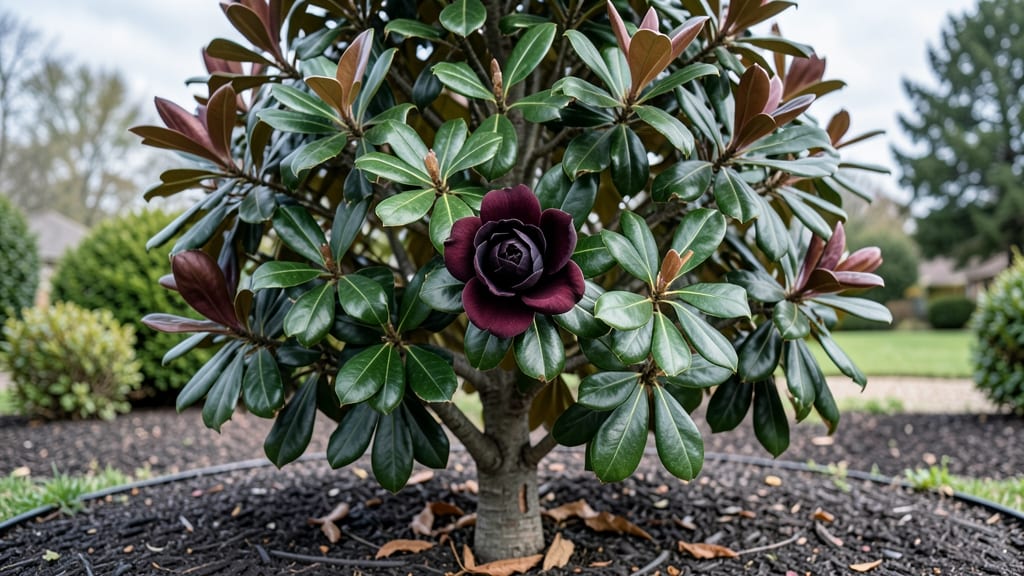
The black tulip magnolia tree thrives in the Pacific Northwest’s damp winters—its dark, tulip-shaped blooms and glossy leaves make it a standout. I’ve pruned mine for five years now, and the secret to keeping it healthy through frost is all in the timing and technique.
Most gardeners over-prune in spring, but this tree needs a gentler approach after blooming. The result? A stronger structure that handles our rainy winters without losing its signature dark foliage.
This magnolia loves part shade to full sun and well-draining soil—think loamy or sandy mixes with a touch of compost. Planting in fall or early spring gives roots time to establish before summer heat hits. Water deeply once a week after planting, then taper off as it matures.
A balanced fertilizer in early spring keeps it vibrant, but avoid heavy feeding—this tree prefers humus-rich soil over rich nutrients. The key is patience; it grows slowly but rewards you with bold, velvety blooms by late spring.
Pruning isn’t just about shaping—it’s about frost protection. After the blooms fade, trim back any dead or crossing branches with clean cuts. The goal is to open the canopy for airflow, which prevents fungal issues common in our damp climate.
Never prune in late summer or fall, as new growth won’t harden off before winter. With the right cuts, your tree will burst into deep purple-black blooms year after year, even after our coldest snaps.
Watch for aphids or scale—they love new growth—but a strong spray of water usually clears them. If you’re in a windy spot, stake young trees to prevent root damage.
The Black Tulip Magnolia isn’t just frost-resistant; it’s drought-tolerant once established, making it a low-maintenance stunner for any Pacific Northwest garden. Ready to give it a try?
📚 In This Guide
- What you need
- Instructions
- Tips and common mistakes
- Wrapping up and next steps
What you need
- ● Pruning shears: Bypass pruners (sharp, clean, and disinfected with rubbing alcohol or a 10% bleach solution). Specs: 6-8" blade length for precision cuts.
- ● Loppers: For thicker branches (½"–1½" diameter). Specs: Bypass or anvil type (bypass preferred for clean cuts).
- ● Pruning saw: For branches >1½" in diameter. Specs: Curved blade for ease of use.
- ● Gloves: Heavy-duty, cut-resistant (e.g., leather or synthetic blend) to protect from thorns and sap.
- ● Disinfectant: 70% isopropyl alcohol or a commercial pruning sealant (e.g., Pruning Seal) to prevent disease spread.
- ● Rags or paper towels: For cleaning tools between cuts.
- ● Ladder or step stool: (If your tree is >6 ft tall). Safety note: Use a sturdy, 3-sided ladder for stability.
- ● Trash bags or bucket: For collecting pruned branches and debris.
- ● Hand saw or pruning saw with a fine-tooth blade: For ultra-clean cuts on larger branches.
- ● Extension pole pruners: For high branches without a ladder (e.g., Felco FPP 2).
- ● Tree wound dressing: (Controversial but useful for large cuts—e.g., Tanglefoot Tree Wound Pruning Seal).
- ● Notebook & pencil: To sketch a pruning plan or track cuts.
- ● Safety glasses: Protect your eyes from flying debris.
- ● Know your tree’s age: Young Black Tulip Magnolias (<5 years) need minimal pruning—focus on shaping as they mature.
- ● Timing matters: Prune after flowering (late spring to early summer) to avoid removing next year’s blooms.
- ● Weather check: Choose a dry day (no rain forecast for 24 hours) to prevent fungal issues.
- ● Tool sharpness: Dull blades tear wood—always sharpen or replace blades before starting.
Step-by-step guide for pruning Black Tulip Magnolia trees in cold climates
Mastering this technique ensures your frost-hardy magnolia thrives year after year.
Time Your Pruning for Optimal Growth
Prune your Black Tulip Magnolia in late winter to early spring, just as new growth begins but before buds swell. This timing prevents frost damage to fresh cuts while encouraging robust spring flowering. Avoid pruning in fall—new growth won’t harden off before winter, leaving it vulnerable to cold snaps.
If you must prune later in the season, wait until after the first flush of flowers has faded. The tree’s energy is already directed toward seed production, so late cuts may reduce next year’s bloom quality. Watch for the first signs of pink buds—that’s your cue to hold off on major pruning.
Use Proper Tools and Techniques for Clean Cuts
Start by sterilizing your pruning tools with rubbing alcohol to prevent spreading disease. Use sharp bypass pruners for smaller branches and a pruning saw for thicker stems over ½ inch in diameter. Never use dull tools—they tear bark and invite infection.
Make cuts just outside the branch collar (the swollen area where the branch meets the trunk). Avoid leaving stubs, which weaken the tree and trap moisture. Angle cuts slightly downward to encourage water runoff. For larger branches, make a notch cut first to control the branch’s fall before completing the final cut.
Remove Dead, Weak, or Crossed Branches First
Scan the tree for dead wood (branches that snap easily or lack bark) and weak growth (thin, spindly stems). Remove these first—they compete with healthy branches for energy and leave the tree vulnerable to pests. Cut back to the branch collar without hesitation.
Next, address crossing or rubbing branches that create wounds. These often develop at the tree’s center where light can’t penetrate. Remove one of the two branches at the base, choosing the smaller or weaker of the pair. This opens the canopy to airflow and sunlight, improving overall health.
Thin the Canopy for Air Circulation and Light
Step back and visualize the tree’s structure. Aim to remove no more than 25% of the foliage in a single pruning session to avoid shocking the plant. Focus on branches growing inward or downward—they block light and air, creating conditions for fungal diseases like powdery mildew.
For a balanced silhouette, prioritize branches that improve the tree’s natural shape. Remove suckers (shoots growing from the base) immediately—they drain energy from the main trunk. Use a 3:1 ratio when thinning: keep three strong, outward-growing branches for every one you remove.
Clean Up and Monitor for Recovery
Rake up all pruned branches and dispose of them in the trash (never compost diseased wood). Sterilize your tools again with rubbing alcohol before storing them. Apply a fungal preventative spray (like neem oil) to fresh cuts if your region has high humidity—this reduces the risk of infection.
Water the tree deeply after pruning to help it recover. Monitor the cuts for oozing sap (normal) or discoloration (sign of stress or disease). If you notice wilting or leaf drop, reduce pruning intensity next time. With proper care, your Black Tulip Magnolia will reward you with vibrant blooms and dense foliage for decades.
Tips & tricks for pruning Black Tulip Magnolia trees
These insider techniques will help you master the art of pruning while preserving your tree's natural beauty and resilience.
Timing is Everything: The late winter to early spring window is critical because it allows the tree to heal before summer heat stress. I've seen too many gardeners rush pruning after the first warm spell, only to watch their magnolia struggle with late-season regrowth that can't harden off before winter. Look for those first hints of green at the branch tips—this is your signal that the tree is waking up from dormancy and ready to handle pruning.
Tool Precision Matters: That ½-inch diameter threshold for when to switch from bypass pruners to a pruning saw isn't arbitrary. I learned this the hard way when I used the wrong tool on a stubborn branch—it crushed the bark and left a wound that took years to heal. For branches thicker than your thumb, always make that notch cut first. It gives you control and prevents the branch from tearing as it falls, which can create larger wounds than necessary.
Canopy Strategy: The 25% foliage limit might seem restrictive, but trust me—it's better to do less now and more later than to over-prune and shock the tree. I recommend working in sections if your tree is particularly large. Start with the dead wood and weak growth first, then move to the crossing branches. This systematic approach helps you visualize the tree's natural shape without getting overwhelmed. Think of it like sculpting—you're revealing the tree's inherent beauty rather than forcing a shape upon it.
Recovery Monitoring: That oozing sap you see after pruning is actually a good sign—it's the tree's natural response to injury. But if you notice dark, gummy sap or any signs of discoloration, act quickly. In high-humidity Pacific Northwest climates, I've found that applying a neem oil spray within 24 hours of pruning creates a protective barrier that can prevent fungal infections before they take hold. Keep an eye on the cuts for the first few weeks after pruning—they should gradually seal over with calloused tissue.
Pro Tips for Black Tulip Magnolia Tree
- These insider techniques will help you master the art of pruning while preserving your tree's natural beauty and resilience.
- Timing is Everything: The late winter to early spring window is critical because it allows the tree to heal before summer heat stress.
- Tool Precision Matters: That ½-inch diameter threshold for when to switch from bypass pruners to a pruning saw isn't arbitrary.
Frequently asked questions
Got questions about nurturing your Black Tulip Magnolia? You’re not alone! This stunning Pacific Northwest native deserves care that matches its beauty. Below, we tackle the most common concerns—from pruning timing to troubleshooting—so you can keep your tree thriving year after year.
When is the best time to prune a Black Tulip Magnolia?
The ideal time to prune is late winter or early spring (February–March), just before new growth begins. Avoid pruning in fall or winter, as cold stress can harm the tree. Light shaping can be done after flowering (May–June), but never cut back more than 25% of the canopy in one season to prevent shock.
How cold-hardy is the Black Tulip Magnolia, and does it need winter protection?
This magnolia is USDA Zone 5–9 hardy, making it perfect for the Pacific Northwest’s frosty winters! However, young trees (under 5 years) may benefit from a light burlap wrap or mulch ring to insulate roots. Established trees typically handle winter well—just avoid heavy snow buildup on branches.
Can I prune dead or diseased branches year-round?
Yes! Dead, diseased, or crossing branches should be removed immediately to prevent pests or fungal spread. Use sterilized pruners and seal larger cuts with pruning sealant. Focus on 30–45° angles for clean cuts just outside the branch collar. Pro tip: Disinfect tools with rubbing alcohol between cuts!
Why aren’t my Black Tulip Magnolia flowers blooming?
Lack of blooms often stems from over-pruning, poor sunlight, or young age (they may take 3–5 years to flower). Ensure it gets 6+ hours of sun daily and avoid heavy pruning of flower buds (they form in late summer). If the tree is mature but still sparse, check for nutrient deficiencies—a balanced fertilizer in early spring can help.
Are there smaller or faster-growing alternatives to the Black Tulip Magnolia?
If space is limited, consider these Pacific Northwest-friendly magnolia alternatives:
- Little Gem Magnolia (M. grandiflora ‘Little Gem’): Compact (15–20 ft tall), fast-growing, and fragrant.
- Yulan Magnolia (M. denudata): Smaller (15–25 ft), early bloomer with white flowers.
- Jane Magnolia (M. × ‘Jane’): Hybrid with dark foliage and pink blooms (10–15 ft).
Wrapping up and next steps
The Black Tulip Magnolia is a stunning addition to the Pacific Northwest’s gardens, offering year-round beauty with minimal fuss—especially when you master its frost-resistant pruning techniques. 🌿 By following the right steps, you’ll keep your tree thriving, promote vibrant blooms, and protect it from winter’s chill.
Now that you’re armed with the how-to, it’s time to grab those shears and give your magnolia the care it deserves!
Next step: Schedule a pruning session during late winter or early spring (before buds swell) and watch your tree flourish. Happy pruning! ✂️💚