
Flowers
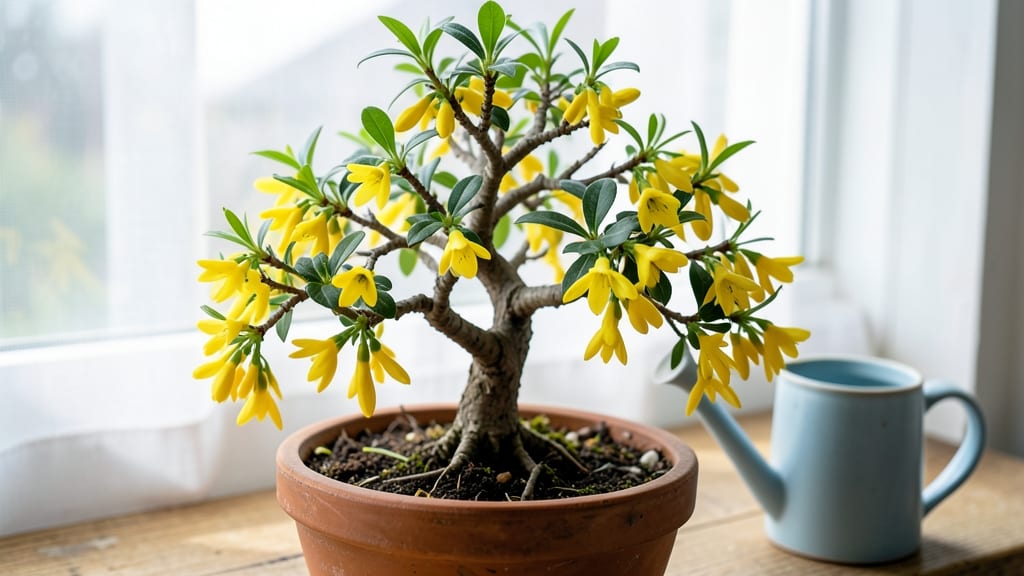
A bonsai tree with white flowers transforms any space into a serene sanctuary. 🌸 The delicate petals of varieties like Serissa foetida or Jasminum nudiflorum create a dreamy, almost ethereal atmosphere—perfect for adding quiet elegance to your home or garden.
These miniature bloomers aren’t just pretty; they’re conversation starters that bring nature’s grace indoors or outdoors, no matter the season.
What makes them special is their versatility. You can showcase them in sleek ceramic pots on a sunlit windowsill, nestle them into a rock garden for a naturalistic look, or even create a themed bonsai exhibit with complementary plants like moss or ferns.
The key is playing with textures—soft foliage against the crispness of white blossoms creates stunning visual contrast. Plus, their compact size means they fit anywhere, from a cozy living room to a patio corner.
Imagine waking up to the faint, sweet scent of winter jasmine or the cheerful pop of broomspireas in spring. These trees aren’t just decorative; they’re living art that evolves with the seasons.
Their blooms return year after year, rewarding your patience with bursts of purity that brighten even the grayest days. The styling possibilities are endless—twisting trunks, cascading branches, or a perfectly balanced silhouette—each one a tiny masterpiece.
Whether you’re a bonsai enthusiast or just love the idea of a delicate, blooming centerpiece, these white-flowering varieties offer something magical. They’re the perfect way to blend horticulture and design, turning a simple plant into a statement piece. Ready to bring a touch of refined beauty into your space?
📚 In This Guide
- What you need
- Instructions
- Tips and common mistakes
- Wrapping up and next steps
What you need
- ● Bonsai Tree: 1 pre-bonsai tree with white flowers (e.g., Jasminum nudiflorum, Sargentodoxa cuneata, or Cerasus serrulata—choose a variety known for white blooms).
- ● Size: 1–3 years old (smaller = easier to shape).
- ● Pot: 1 shallow, well-draining bonsai pot (5–8 inches wide, with drainage holes).
- ● Material: Unglazed ceramic or plastic (avoid metal).
- ● Soil: 3–5 lbs of akadama (60%), pumice (30%), and organic matter (10%, e.g., compost or peat moss).
- ● Tools: 1 bonsai wire (aluminum or copper, 1–3mm gauge).
- ● 1 concave cutter or scissors (for root pruning).
- ● 1 branch cutter (sterilized).
- ● 1 watering can (with a fine rose nozzle).
- ● 1 spray bottle (for misting).
- ● 1 pair of tweezers (for delicate adjustments).
- ● 1 humidity tray or pebble tray (to retain moisture).
- ● 1 bonsai fertilizer (balanced 10-10-10 or slow-release granules).
- ● 1 root stimulator (for repotting).
- ● 1 decorative stone or moss (for aesthetic touches).
- ● 1 grow light (if indoors with limited sunlight).
Step-by-step guide to cultivating a blooming white-flowered bonsai
Here’s how to coax delicate white blossoms from your miniature masterpiece—season after season.
🌱 Step 1: Select the Right Species for Reliable White Blooms
Not all bonsai produce flowers, let alone white ones. For consistent blooms, choose a Japanese flowering cherry (Prunus serrulata) or jacquemontii (Sorbus commixta)—both dwarf varieties that reliably produce white flowers. Avoid junipers or pines; they’re conifers and won’t bloom. Start with a 3-5 year old specimen already trained on its own root system (no grafted trees—they rarely rebloom).
Check the bark texture: smooth, slightly peeling bark means maturity, while rough or hairy bark signals a younger tree that may not flower yet. If buying bare-root, soak the roots in lukewarm water for 2 hours before planting to revive them. White-flowered bonsai need full sun (6+ hours daily)—place yours near a south-facing window or under a grow light if indoors.
☀️ Step 2: Master the Light and Seasonal Timing for Blooms
White-flowered bonsai demand bright, indirect light year-round. In winter, supplement with a 14-hour photoperiod using a full-spectrum LED grow light (place it 6 inches above the tree). Too little light causes bud drop—you’ll see tiny white buds form, then fall off before opening. If this happens, move the tree closer to the light source immediately.
Blooming requires cold dormancy. In late fall, reduce watering and move the tree to a cool room (45-50°F) for 8-10 weeks. This mimics winter conditions and triggers flower buds. Avoid heat sources like vents—consistent chilling is key. Watch for bud swell in early spring (tiny green bumps appear along branches)—this is your cue to return the tree to room temperature (65-75°F) and resume normal care.
💧 Step 3: Water and Feed for Healthy, Prolific Blooms
White-flowered bonsai hate soggy roots. Water when the top ½ inch of soil feels dry—stick your finger in; if it’s damp, wait. Overwatering causes root rot, which kills the tree before it blooms. Use room-temperature water to avoid shocking the roots. In spring and summer, water every 2-3 days; in winter, reduce to once a week.
Feed with a balanced liquid fertilizer (10-10-10) diluted to half-strength every 2 weeks from March to September. Stop fertilizing in October to let the tree rest. For extra blooms, add a bloom-boosting fertilizer (high in phosphorus) in early spring when buds form. Prune spent flowers immediately after blooming to redirect energy into next year’s buds—not later, or you’ll weaken the tree.
✂️ Step 4: Prune and Wire for Structure Without Sacrificing Blooms
Prune only after flowering to avoid cutting off next year’s buds. Use clean, sharp bonsai shears to trim 1/3 of the new growth on each branch. Avoid heavy pruning—white-flowered bonsai bloom on old wood, so preserve mature branches. If a branch is bare, wire it in spring to encourage new growth, but remove the wire within 3-4 months to prevent scarring.
Shape the tree gradually. Start with light pruning in the first year, then adjust annually. Never remove more than 20% of the foliage at once—this stresses the tree and reduces blooms. In late summer, do a light pinch of new growth to promote bushiness, but avoid heavy cuts. The goal is a balanced silhouette with plenty of mature branches to carry flowers.
🪴 Step 5: Repot and Refresh the Soil for Longevity
Repot every 2-3 years in early spring, just as buds swell. Use a well-draining bonsai mix (50% akadama, 30% pumice, 20% organic matter). Trim 1/3 of the roots with clean shears—this keeps the tree compact and encourages new root growth. If roots are matted or circling, untangle them gently with your fingers (don’t force it).
Place the tree in a slightly larger pot (1-2 inches wider) than the previous one. Tap the pot gently to settle the soil, then water lightly. Avoid repotting in fall or winter—this disrupts dormancy and can prevent blooming. After repotting, reduce watering for a week to let roots establish before resuming normal care. A well-repotted tree will bloom more vigorously the following year.
Tips & tricks for perfect white-flowered bonsai blooms
Here's what nobody tells you about keeping your delicate bonsai thriving—and blooming—year after year.
Species Maturity Check: That 2-hour soak for bare-root specimens isn't just about hydration—it's your first chance to assess maturity. Press gently on the bark: mature trees have smooth, slightly peeling bark that gives just a little when pressed. If it feels rock-hard or hairy, your tree isn't ready for consistent blooms yet. I've seen gardeners overlook this and wonder why their tree never flowers—don't make that mistake.
Lighting Strategy: The 6+ hours of daily sun requirement is non-negotiable, but here's the secret: position your bonsai where it gets morning sun and afternoon shade. Direct afternoon sun can scorch delicate white blossoms, while morning light provides the gentle warmth they need to open properly. In winter, that 14-hour photoperiod with grow lights should be timed to mimic natural daylight—turn lights on at 6am and off at 8pm for consistency.
Dormancy Timing: Those critical 8-10 weeks at 45-50°F are what trigger bud formation, but timing matters. Start the dormancy period when your tree shows signs of slowing growth—usually around mid-October. If you wait until November, you'll miss the prime window for next spring's blooms. I track this by watching for leaves that begin to yellow slightly; that's your cue to move the tree to its cool spot.
Pruning Precision: When you're trimming that 1/3 of new growth in Step 4, focus on the outward-facing branches first. These will create the most balanced silhouette while maintaining flower-carrying capacity. And here's a pro move: after pruning, wipe your shears with rubbing alcohol between cuts. This prevents spreading any potential diseases that could compromise next year's blooms.
Pro Tips for Bonsai Tree With White Flowers
- Here's what nobody tells you about keeping your delicate bonsai thriving—and blooming—year after year.
- Species Maturity Check: That 2-hour soak for bare-root specimens isn't just about hydration—it's your first chance to assess maturity.
- Lighting Strategy: The 6+ hours of daily sun requirement is non-negotiable, but here's the secret: position your bonsai where it gets morning sun and afternoon shade.
Frequently asked questions
Got questions about your bonsai tree with white flowers? You’re not alone! Here are some of the most common queries—plus straightforward answers to keep your miniature masterpiece thriving.
Can a bonsai tree with white flowers bloom every year?
Many bonsai varieties, like the Sargent cherry or juniper with white blossoms, can bloom annually with proper care—pruning, sunlight (4–6 hours/day), and balanced fertilization. However, younger trees may take 2–5 years to establish a reliable blooming cycle. Pro tip: Avoid over-pruning flower buds in early spring to encourage blooms!
Why aren’t my white-flowering bonsai blooms opening?
Closed buds often signal stress from underwatering, overwatering, or insufficient light. Check soil moisture (top inch should dry slightly between waterings) and move your tree to a bright, indirect spot. If buds drop before opening, it could mean temperature shock—keep it in a stable 60–75°F range.
Do white-flowering bonsai trees need winter care?
Yes! Most flowering bonsai (e.g., azalea or camellia) are dormant in winter. Reduce watering by 50% and protect from frost (<32°F) with a breathable cover or move indoors near a sunny window. Avoid fertilizing until spring—focus on light and humidity instead.
What’s a good alternative if I want white flowers but bonsai care feels tricky?
Consider these low-maintenance white-flowering options:
- Jasmine bonsai (fragrant, fast-growing, tolerates slight neglect)
- Hawthorn bonsai (hardy, blooms spring/summer, great for beginners)
- Miniature orchid (Phalaenopsis) (technically not a tree, but thrives indoors with bright light)
How do I prune a white-flowering bonsai without killing the blooms?
Timing is key! Prune after flowering (late spring/early summer) to shape the tree, but never cut back more than 1/3 of new growth. For flowering branches, avoid shearing buds—use concave cutters to maintain branch structure. Pro tip: Thin out crowded branches in winter to improve airflow and future blooms.
Wrapping up and next steps
Growing a bonsai tree with white flowers is a rewarding journey that blends artistry with nature’s beauty. Whether you’re drawn to the delicate blooms of a Sargent cherry or the serene elegance of a juniper bonsai, patience and care will transform your space into a tranquil haven.
Start small—choose the right species, master pruning techniques, and embrace the process with joy!
Ready to bloom? Take the next step:
- 🌱 Pick your favorite white-flowering bonsai and gather supplies.
- 📅 Schedule your first pruning session (spring is ideal!).
- 📸 Document your progress—share your bonsai’s growth story!