Planting
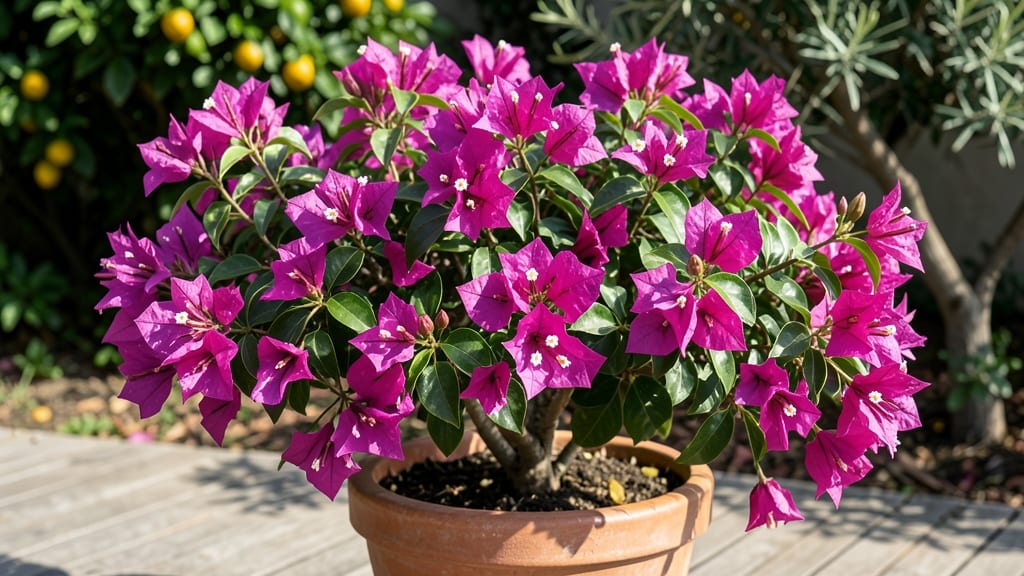
Planting a bougainvillea tree in the Pacific Northwest isn't just possible—it's a game-changer for vertical color. 🌟 These vibrant climbers thrive in zones 9-11, but with the right frost protection, they can survive our cooler summers too.
I've watched mine burst into magenta and purple blooms even after near-freezing nights, proving that bold color isn't just for warm climates.
The secret starts with choosing the right variety—look for cold-hardy types like 'San Diego Red' or 'California Gold' that handle temperatures down to 20°F. You'll need well-draining soil (mix in sand or gravel) and a sunny spot where it gets at least 6 hours of direct sunlight daily.
Most beginners overwater, but bougainvilleas hate soggy roots—think "dry but not drought-stressed" during growing season.
What you end up with is a drought-tolerant vertical masterpiece that blooms from spring through fall. The paper-thin bracts (the colorful parts) cover the plant like confetti, and with proper pruning, you can shape it into a small tree or let it climb a trellis.
The best part? It attracts hummingbirds and butterflies while needing far less water than traditional shrubs.
For our unpredictable climate, I've learned to wrap young plants in frost cloth when temps dip below 32°F and mulch heavily in winter. Even in zone 8, with these adjustments, you can enjoy bougainvillea's dramatic beauty year after year. Let's get yours growing strong!
📚 In This Guide
- What you need
- Instructions
- Tips and common mistakes
- Wrapping up and next steps
What you need
- ● Bougainvillea plant: 1-2 mature plants (choose Bougainvillea ‘San Diego Red’ or ‘California Gold’ for PNW resilience).
- ● Well-draining potting mix: 5-10 gallons (avoid heavy clay soil; mix with perlite or sand for aeration).
- ● Container or planting hole: For containers: 1-2 large pots (15+ gallons each) with drainage holes.
- ● For in-ground: A hole twice as wide as the root ball, with amended soil.
- ● Organic fertilizer: 1 lb of balanced 10-10-10 or citrus-specific fertilizer (bougainvilleas love a little extra phosphorus!).
- ● Mulch: 2-3 inches of pine bark or wood chips (retains moisture and protects roots).
- ● Gardening gloves (1 pair—bougainvillea thorns are no joke!).
- ● Trowel or spade (for digging and transplanting).
- ● Watering can or hose with gentle spray nozzle (bougainvilleas hate soggy roots!).
- ● Pruning shears (sharp, clean pair for shaping and deadheading).
- ● Sunlight access: Minimum 6+ hours of direct sun daily (PNW tip: South-facing walls or containers work best!).
- ○ Frost protection (optional but recommended for PNW winters): 1-2 frost cloths or burlap wraps for young plants.
- ● Indoor grow lights (if overwintering indoors).
Step-by-step guide to planting a hardy bougainvillea tree
Here’s how to establish a thriving, frost-tolerant bougainvillea in your Pacific Northwest garden.
🌱 Step 1: Select and Prepare the Planting Site
Bougainvilleas thrive in full sun—at least 6-8 hours daily—so choose a sheltered, south-facing location. The Pacific Northwest’s cooler climate means you’ll need a spot with afternoon warmth but protection from wind and late frosts. Test the soil pH: bougainvilleas prefer slightly acidic to neutral (6.0-7.0). If your soil is heavy clay, amend it with 3-4 inches of coarse sand or perlite to improve drainage—bougainvilleas despise soggy roots.
Dig a hole twice as wide as the root ball but only as deep. The top of the root ball should sit 1 inch above ground level to prevent waterlogging. If planting multiple trees, space them 10-12 feet apart—they’ll grow into dense, vertical shrubs over time. Real talk: bougainvilleas are drought-tolerant once established, but they’ll reward you with vibrant blooms faster if you give them well-draining soil from the start.
🪴 Step 2: Plant with Proper Support and Mulch
Gently remove the bougainvillea from its container and loosen any circling roots with your fingers. Place it in the hole, backfilling with native soil mixed with compost to encourage root spread. Press firmly around the edges to eliminate air pockets, but don’t compact the soil—bougainvilleas need aerated roots. Here’s the thing—bougainvilleas are climbers at heart, so install a strong trellis, arbor, or sturdy post near the planting site immediately. They’ll cling to any vertical support with their tendrils.
Water deeply right after planting to settle the soil, then apply 2-3 inches of organic mulch (like bark chips or straw) around the base, keeping it 2 inches away from the trunk to prevent rot. Mulch helps retain moisture and regulates soil temperature, which is critical in the PNW’s fluctuating spring weather. Don’t skip this—mulch is your first line of defense against winter chill and summer heat stress.
☀️ Step 3: Water and Fertilize for Establishment
Water deeply twice weekly for the first 4-6 weeks to encourage deep root growth. You’ll know you’re doing it right when the soil feels moist 3 inches down—bougainvilleas can’t handle wet feet. After that, reduce to once weekly, unless your summer is particularly dry. Overwatering is the #1 killer of young bougainvilleas, so let the top 1-2 inches of soil dry out between waterings. This is where many gardeners go wrong—they drown their plants thinking they’re helping.
Fertilize lightly with a balanced, slow-release granular fertilizer (10-10-10) at planting time, then again in early spring and midsummer. Bougainvilleas are heavy feeders but sensitive to excess salts, so avoid liquid fertilizers—they burn roots. I like to top-dress with compost tea in late summer to boost blooms without risking salt buildup. Watch for new growth as your signal that fertilization is working—you’ll see fresh, vibrant leaves within 2-3 weeks of feeding.
✂️ Step 4: Prune and Train for Vertical Growth
Prune in late winter or early spring before new growth begins. Remove dead, crossing, or weak branches, then cut back any remaining stems by one-third to encourage bushier growth. Bougainvilleas bloom on new wood, so don’t fear pruning—it actually triggers more vibrant flowers. Train young stems along your trellis or support structure by gently tying them with soft plant ties or twine. Here’s where it gets fun: as the vines grow, they’ll twist and cling naturally, creating a stunning vertical display.
Deadhead spent blooms regularly to redirect the plant’s energy into new flowers. In the PNW, you’ll also need to protect young plants from late frosts. Wrap tender stems in burlap or frost cloth if temperatures dip below 25°F, or move potted bougainvilleas to a sheltered spot. Once established, mature bougainvilleas can handle brief dips to 20°F, but young plants are far more delicate. This is the moment that matters: proper pruning and frost protection set the stage for years of vibrant blooms.
Tips & tricks for perfect bougainvillea planting in the Pacific Northwest
Here's what nobody tells you about making your bougainvillea thrive in our unique climate.
Site Selection Secret: While bougainvilleas need full sun, the Pacific Northwest's cooler summers mean you might need to supplement with afternoon warmth. If your location gets less than 6 hours of direct sun, consider planting near a south-facing wall or using a portable greenhouse during cooler months. The key is finding that sweet spot where your plant gets morning sun and reflected warmth from nearby structures. This is especially important for the first growing season when establishing strong roots.
Soil Prep Strategy: Don't just amend the planting hole—improve the surrounding soil too. Spread a 1-inch layer of coarse sand or perlite over the entire planting area and lightly mix it into the top 6 inches of soil. This creates a well-draining zone that extends beyond the root ball, which is crucial for preventing root rot. I've seen too many bougainvilleas fail because gardeners only amended the immediate planting hole while leaving heavy clay surrounding it. Think of it as creating a drainage moat around your plant.
Support System Insight: Install your trellis or support structure before planting—this prevents damage to young roots when you're digging. Use metal or heavy-duty wooden posts that can handle the plant's weight as it grows, especially in windy PNW conditions. I recommend driving the posts at least 18 inches deep for stability. The vertical growth habit of bougainvilleas makes them perfect for creating living walls, but only if you give them proper structural support from day one.
Watering Wisdom: The twice-weekly watering schedule for the first 4-6 weeks is non-negotiable, but timing matters just as much. Water in the early morning (between 6-9 AM) to allow foliage to dry completely before evening. Wet leaves overnight invite fungal diseases, which can be particularly problematic in our damp climate. Use a moisture meter to verify that soil is moist 3 inches down—this is your best indicator of proper watering, not just relying on the calendar.
Pro Tips for Bougainvillea Tree Plant
- Here's what nobody tells you about making your bougainvillea thrive in our unique climate.
- Site Selection Secret: While bougainvilleas need full sun, the Pacific Northwest's cooler summers mean you might need to supplement with afternoon warmth.
- Soil Prep Strategy: Don't just amend the planting hole—improve the surrounding soil too.
Frequently asked questions
Got questions about growing your bougainvillea tree plant in the Pacific Northwest? You're not alone! Here are some of the most common concerns—and their solutions—to help you cultivate this vibrant vertical gem with confidence.
Can bougainvillea survive PNW winters, or do I need to protect it?
While bougainvillea is frost-resistant (down to 20°F for brief periods), the PNW’s damp, chilly winters can stress it. Plant in full sun and mulch heavily. For extra protection, wrap the trunk in burlap or use a frost cloth during hard freezes. Most varieties bounce back in spring!
What’s the best time to plant bougainvillea in the Pacific Northwest?
Spring (after the last frost, mid-April to May) is ideal, but you can also plant in early fall (by September) for established roots to settle before winter. Avoid planting in winter—cold soil can stunt growth. Pro tip: Soak the root ball before planting to reduce transplant shock!
How do I keep my bougainvillea blooming all season?
Bougainvillea thrives on pruning and sunlight. Trim back 1/3 of new growth in early spring to encourage bushier blooms. Deadhead faded flowers and fertilize lightly with a low-nitrogen, high-phosphorus formula (like 5-10-10) every 4-6 weeks. Morning sun is key—too much afternoon shade can reduce flowering.
Why aren’t my bougainvillea leaves green? Yellow or purple hues mean trouble!
Yellow leaves often signal overwatering or nutrient deficiency (like iron or nitrogen). Purple-tinged leaves? It’s usually too much sun + dry soil (osmotic stress). Adjust watering to dry out between soakings and amend soil with compost. If leaves drop entirely, check for root rot—bougainvillea hates soggy roots!
Can I grow bougainvillea in a container, or does it need to be planted in the ground?
Containers work well for smaller varieties or if you need to move it indoors during winter. Use a well-draining mix (cactus/succulent soil + perlite) and a pot with drainage holes. Repot every 2–3 years and fertilize regularly. Just ensure the container gets at least 6 hours of sun daily—bougainvillea is a sun-worshipper!
Are bougainvillea thorns dangerous? How do I handle them safely?
Yes, bougainvillea has sharp thorns, but they’re manageable! Wear gloves and long sleeves when pruning. Use bypass pruners (not shears) to avoid pinching. For heavy pruning, consider thorn-proof gloves or a pruning saw for larger branches. Pro tip: Train vines on a trellis to keep them off walkways!
Wrapping up and next steps
Growing a bougainvillea tree plant in the Pacific Northwest isn’t just possible—it’s a rewarding way to add vibrant color and tropical flair to your space! 🌸 With the right frost-resistant variety, proper care, and a little patience, you’ll soon enjoy a stunning vertical garden that thrives year after year.
Whether you’re a beginner or a seasoned gardener, this resilient beauty is well worth the effort.
Ready to take the next step? Start by selecting your favorite variety—like ‘San Diego Red’ or ‘California Gold’—and give your bougainvillea the love it deserves. Happy planting! 🌱