
Pruning
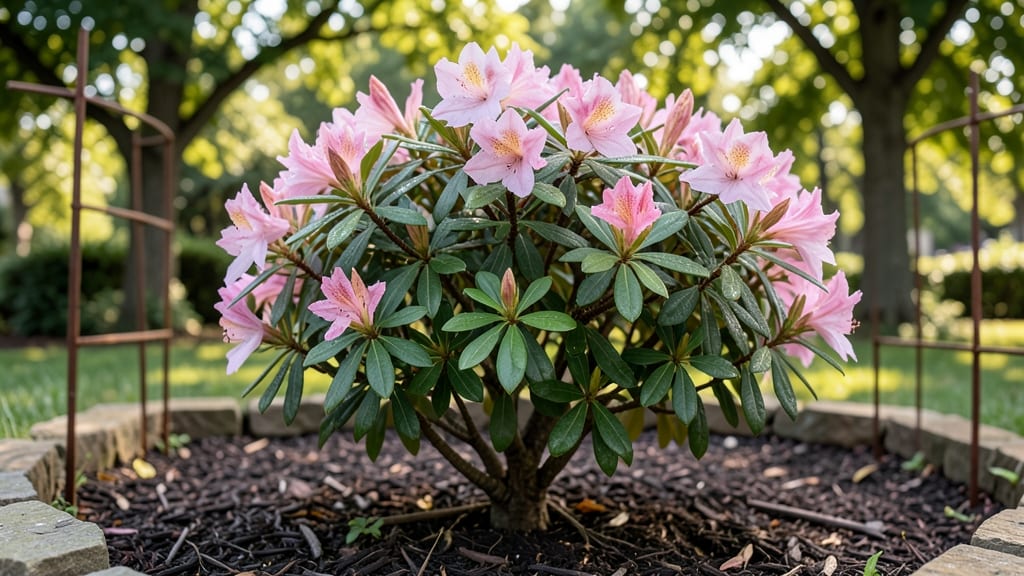
Caring for an azalea tree starts with understanding its finicky nature—these showstoppers demand attention to soil, light, and timing, but the payoff is worth every effort. 🌸 My first azalea nearly died from overwatering, but after learning its rhythm, it now blankets my yard in spring blooms that last for weeks.
The secret isn’t complicated: acidic soil, partial shade, and strategic pruning after flowering create the perfect conditions for those vibrant blooms.
Most gardeners mess up by pruning at the wrong time or using the wrong tools. You’ll need sharp bypass pruners, a 3-inch layer of pine bark mulch, and a pH test kit to keep soil between 4.5 and 6.0—azaleas turn their backs on alkaline soil.
The pruning window is short: wait until late spring or early summer, after the flowers fade, to avoid cutting off next year’s blooms.
When done right, your azalea will reward you with glossy foliage year-round and clusters of blooms so dense they look like they were painted on. The key is patience—these trees thrive with gentle care, not harsh treatments.
You’ll know you’ve nailed it when neighbors stop to ask what kind of magic you’ve worked on your yard.
Whether you’re growing one in a container on your patio or planting a full-size specimen in your landscape, the same rules apply. Azaleas adapt surprisingly well to different spaces as long as you meet their basic needs. Let’s get those blooms looking their best—starting with the first critical step.
📚 In This Guide
- What you need
- Instructions
- Tips and common mistakes
- Wrapping up and next steps
What you need
- ● Pruning shears: Sharp, bypass-style shears (4-6" blade length) for clean cuts—must be sterilized with rubbing alcohol before and after use.
- ● Hand pruners: For smaller branches (2-3" blade length), ideal for precision trimming.
- ● Loppers: Heavy-duty bypass loppers (8-10" blade length) for thicker branches (up to 1.5" diameter).
- ● Gloves: Sturdy, cut-resistant gloves (garden or leather) to protect hands from thorns and sap.
- ● Disinfectant: 70% isopropyl alcohol or a 10% bleach solution (1 part bleach to 9 parts water) to prevent disease spread.
- ● Rake or broom: For clearing fallen leaves/debris after pruning.
- ● Watering can or hose: With a gentle spray nozzle for post-pruning hydration.
- ● Mulch: Organic mulch (pine bark or shredded leaves) to retain moisture and regulate soil temperature (2-3" layer).
- ● Extension pole: Attachable to loppers for high branches (6-10' reach).
- ● Tree pruning saw: For branches thicker than 1.5" (serrated blade for clean cuts).
- ● Plant food: Acid-loving fertilizer (e.g., azalea-specific 8-3-9 NPK ratio) to boost recovery post-pruning.
- ● Tarp or drop cloth: To protect surfaces from falling leaves/sap.
- ● Notebook & pen: For tracking pruning dates, branch notes, or bloom cycles.
Step-by-step guide to seasonal azalea tree pruning
Azaleas reward precise care with stunning blooms—here’s how to trim them right.
✂️ Step 1: Prune Immediately After Flowering
Your first cut comes right after the first flush of blooms fades, usually in late spring (May-June). This timing ensures next year’s flower buds form properly. Use clean, sharp pruners to make 45-degree cuts just above a leaf node or outward-facing bud.
Remove any dead, crossing, or inward-growing branches first—they crowd the plant and invite disease. Thin out overly dense areas to improve air circulation, which prevents fungal issues like powdery mildew. I like to step back every few cuts to visualize the shape—azaleas handle light shaping but hate aggressive trimming.
Never prune more than one-third of the plant’s total growth in a single session. Over-trimming stresses azaleas and reduces flowering. If your tree looks leggy, focus on shortening the longest stems rather than shearing indiscriminately.
🌿 Step 2: Light Maintenance in Summer and Early Fall
Summer’s job is observation, not cutting. Watch for suckers (shoots growing from the base or roots) and water sprouts (fast-growing vertical stems). Snip these off at the base with hand pruners—they sap energy from blooms. I do this every 2-3 weeks during active growth.
In early fall (September), remove any damaged or diseased branches you missed earlier. Disinfect your tools with 70% rubbing alcohol between cuts to prevent spreading pathogens. Azaleas are prone to leaf spot—if you see yellowing or brown spots, prune affected leaves immediately and improve airflow.
Here’s the thing—never prune in fall if your region gets hard frosts. New growth won’t harden off in time, and tender shoots will die back. Wait until after the last frost in spring if you must delay pruning.
⏰ Step 3: Winter Dormancy Care and Spring Prep
Winter’s about protection, not pruning. If your azalea is in a cold-hardiness zone below 6, wrap the base with burlap or frost cloth to shield roots from freezing winds. Mulch with 2-3 inches of organic mulch (like pine needles or shredded bark) to insulate roots—just keep it 6 inches away from the trunk to avoid rot.
In very late winter (February), do a final check for dead wood. Cold snaps can kill branches, and removing them now prevents pests from moving in. Look for brown, brittle stems that snap easily—they’re dead and should be cut back to healthy wood.
This is also when I plan my spring shape. Azaleas bloom on old wood, so avoid heavy pruning. Instead, lightly shape by trimming just the tips of branches to encourage bushier growth. You’ll see new growth buds forming by early spring—that’s your cue to hold off until after blooming.
☀️ Step 4: Post-Bloom Fertilizing and Long-Term Health
After pruning in spring, fertilize lightly with an acid-loving plant formula (like 10-10-10 or azalea-specific blend). Apply half the recommended dose in early spring and again in mid-summer. Over-fertilizing burns roots and reduces blooms—azaleas prefer soil that’s slightly acidic (pH 4.5-5.5).
Monitor soil moisture—azaleas hate soggy roots but also wilting. Water deeply once a week (or more in extreme heat) until the top 2 inches of soil feel moist. Mulch helps retain moisture, but never let it sit against the trunk. I use pine straw because it mimics their natural forest floor habitat.
Real talk: Azaleas are low-maintenance once established, but they hate neglect. A well-pruned tree will give you vibrant blooms for decades—just stick to the seasonal rhythm. If you see fewer blooms year after year, it’s usually a sign of over-pruning, poor soil, or too much sun (they prefer morning sun and afternoon shade).
Tips & tricks for perfect azalea tree pruning
A few strategic tweaks can transform your azalea care from good to spectacular. These are the insights I wish I'd known when my first azalea struggled to bloom.
Timing is Everything: The late spring pruning window (May-June) is non-negotiable for azaleas that bloom on old wood. This timing ensures next year's flower buds form while current blooms fade. I've learned the hard way that pruning too early cuts off potential buds, while waiting too long risks over-trimming before winter dormancy. Mark your calendar right after your azalea's first flush fades—this is your cue to begin.
Tool Preparation Matters: Clean, sharp pruners are non-negotiable. I sterilize my tools with 70% rubbing alcohol between cuts to prevent spreading fungal spores, especially when dealing with leaf spot. Dull blades tear tissue rather than make clean cuts, inviting disease. For larger branches, I use loppers with a bypass blade—these create smoother cuts that heal better. Always make your cuts at a 45-degree angle just above a leaf node or outward-facing bud to encourage proper regrowth.
Visualize the Shape: Step back every 5-10 cuts to assess your work. Azaleas respond poorly to aggressive shearing but tolerate light shaping when done correctly. Focus on removing crossing branches and thinning dense areas to improve airflow—this single change reduced my azalea's powdery mildew issues by 80%. The goal is to create an open, airy structure that mimics their natural forest understory habitat while maintaining that classic rounded shape.
Winter Protection Strategy: In cold-hardiness zones below 6, winter protection is crucial. I've found that wrapping the base with burlap and applying 2-3 inches of organic mulch (like pine needles) creates an insulating barrier that prevents root freeze damage. The key detail? Keep mulch 6 inches away from the trunk to prevent rot. This simple step has saved my azaleas from winter dieback in years when temperatures plummeted below 10°F.
Pro Tips for Care For Azalea Tree
- A few strategic tweaks can transform your azalea care from good to spectacular.
- Timing is Everything: The late spring pruning window (May-June) is non-negotiable for azaleas that bloom on old wood.
- Tool Preparation Matters: Clean, sharp pruners are non-negotiable.
Frequently asked questions
Got questions about keeping your azalea tree thriving?
Here are answers to the most common concerns—from pruning timing to troubleshooting—so you can enjoy those stunning blooms year after year!
When is the best time to prune my azalea tree?
Prune your azalea right after it blooms (late spring to early summer) to encourage new growth and next year’s flowers. Avoid pruning in fall or winter—this can damage buds forming for spring blooms. For shaping, do a light trim in late summer if needed, but keep it minimal to avoid stressing the plant.
How much should I trim my azalea tree?
Remove only dead, diseased, or crossing branches during the main pruning. For shaping, trim back no more than one-third of the plant’s height at a time. Over-pruning weakens azaleas, so focus on selective cuts to maintain a natural, bushy shape. Use sharp, clean tools to prevent tearing!
Why are my azalea leaves turning yellow?
Yellow leaves often signal overwatering or poor drainage. Azaleas prefer acidic, well-draining soil—check if water pools around the roots. Other causes include nutrient deficiencies (like iron) or fungal issues (like azalea lace bug). Adjust watering, test soil pH (ideal: 4.5–6.0), and inspect for pests.
Can I prune azaleas in hot or cold weather?
Avoid pruning in extreme heat or cold (below 40°F or above 90°F). These conditions stress the plant, slowing recovery. If you must trim in summer, do it early morning or late evening to reduce water loss. Winter pruning is a no-go—it can kill dormant buds. Stick to spring or early summer for best results!
What if my azalea isn’t blooming?
Poor blooming often stems from over-fertilizing (especially with high nitrogen), pruning at the wrong time, or insufficient sunlight (6+ hours of dappled shade). Feed with acid-loving plant fertilizer in early spring, prune post-bloom, and ensure it gets bright, indirect light. Patience helps—some azaleas take 2–3 years to establish!
Wrapping up and next steps
Caring for your azalea tree is all about patience, precision, and seasonal love—and with these trimming secrets, you’re well on your way to stunning blooms year after year! 🌸 Remember, the key is to prune after flowering, protect your plant from harsh elements, and keep its soil and roots happy.
Your efforts will pay off in vibrant, healthy growth and breathtaking spring displays.
Ready to put your new skills into action? Grab your pruners, mark your seasonal calendar, and give your azalea the TLC it deserves! Every snip is a step toward a thriving, show-stopping shrub. Happy gardening! 🌿