Trees
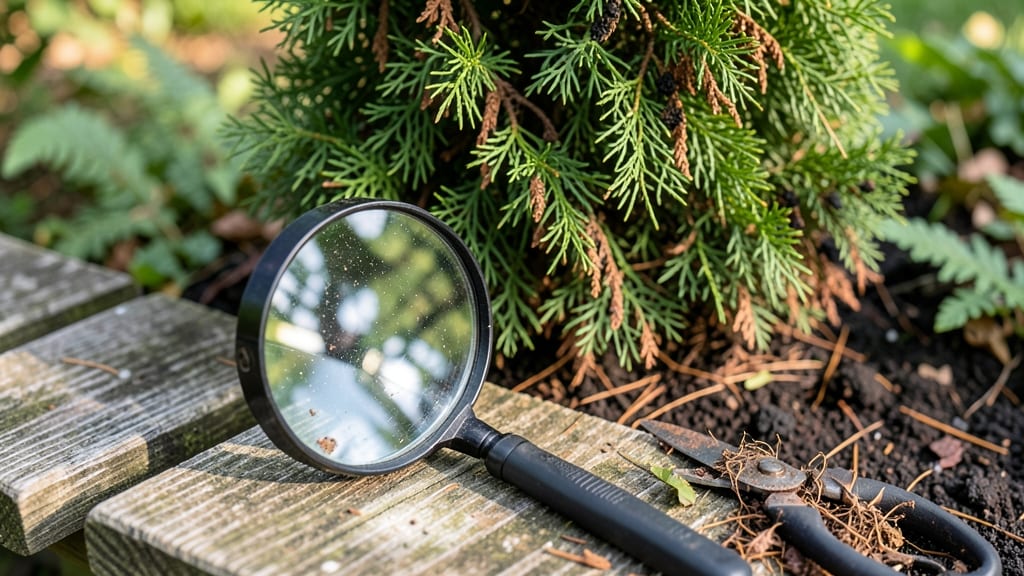
That orange crust on your cedar needles isn’t just unsightly—it’s a fungus that can weaken your tree over time. I’ve seen cedar apple rust and needle blight turn vibrant evergreens into sad, struggling shadows, but early action can save them.
The key is spotting the signs fast: rust-colored spots, blackened needles, or strange growths on branches.
Most fungal issues start with moisture and poor airflow, so pruning crowded branches and keeping the base dry makes a huge difference. Organic sprays with neem oil or copper fungicide can stop the spread, but you’ll need to act before the fungus spreads to the roots.
I’ve revived trees that looked doomed just by cutting out infected branches and treating the wounds.
📚 In This Guide
- What you need
- Instructions
- Tips and common mistakes
- Wrapping up and next steps
What you need
- ● Pruning shears or loppers – Sharp, sterilized tools (1 pair, 6–8" blades for loppers).
- ● Gloves – Heavy-duty, chemical-resistant gloves (1 pair).
- ● Fungicide – Copper-based or systemic fungicide (e.g., Bordeaux mixture, 1–2 gallons).
- ○ Hose with nozzle – For thorough spraying (optional but recommended).
- ● Disposable bags or tarp – For collecting infected debris (1–2 large bags or a 4’x6’ tarp).
- ● Rake or broom – For cleaning up fallen spores (1 medium-sized tool).
- ● Safety goggles – To protect eyes from spores and chemicals (1 pair).
- ● Ladder or step stool – For hard-to-reach branches (if trees are tall).
- ○ Pressure washer – For deep cleaning bark (optional, high-pressure setting).
- ● Tree wound dressing – For pruning cuts (e.g., pruning sealant, 1 small tube).
- ● Spray bottle with water – For spot-testing fungicide on small areas first.
Step-by-step guide for removing cedar tree fungus
Here's how I tackle cedar tree fungus safely and effectively—keeping your trees strong.
Identify the Fungus Type and Damage
Start by examining the infected branches and bark closely. Cedar trees commonly suffer from cedar-apple rust or canker diseases, which appear as orange pustules or sunken, discolored patches. I look for yellowing needles or dark streaks along branches—these are key signs. Avoid touching the spores if possible, as they spread easily.
Check the undersides of branches and the bark crevices for fungal growth. If you see white or gray mold, that’s often a sign of powdery mildew, while black tar-like spots indicate sooty mold. Document the affected areas with photos before treatment—this helps track progress later.
Prune Infected Branches Properly
Use clean, sharp pruning shears to remove all infected branches, cutting 6 inches below the visible damage. Sterilize your tools with 70% isopropyl alcohol before and after each cut to prevent spreading spores. I always prune on a dry day to reduce stress on the tree and allow wounds to heal faster.
Dispose of the pruned branches immediately in a sealed plastic bag—do not compost them. Fungal spores can linger on organic matter for months. If the infection is severe, consider removing the entire branch or small tree section to prevent further spread. After pruning, inspect the tree again for any new signs of infection.
Apply Fungicide to Affected Areas
Choose a copper-based fungicide or a neem oil solution for organic control. Mix the fungicide according to the label instructions—typically 1-2 tablespoons per gallon of water. Spray the solution thoroughly on the infected areas and surrounding foliage, focusing on the undersides of branches where spores often hide.
Apply the fungicide in the early morning or late afternoon to avoid stressing the tree with direct sunlight. Reapply every 2-4 weeks during the growing season or as directed. For severe cases, I’ve found that a baking soda spray (1 tablespoon baking soda + 1 quart water + a few drops of dish soap) works as a preventive measure between treatments.
Strengthen the Tree’s Natural Defenses
Improve the tree’s health by ensuring it gets adequate water—deep watering once a week during dry spells helps prevent stress. Mulch the base of the tree with 2-3 inches of organic mulch, keeping it 6 inches away from the trunk to avoid moisture buildup. This encourages root growth and reduces fungal pressure.
Fertilize the tree in early spring with a balanced, slow-release fertilizer to boost its immune system. Avoid over-fertilizing, as excess nitrogen can make the tree more susceptible to disease. Prune lightly in late winter to encourage new, healthy growth and improve air circulation around the foliage.
Tips & tricks for healthy cedar trees
Real talk: Treating cedar tree fungus isn't just about cutting and spraying—it's about giving your tree the best chance to recover. Here's what I've learned from years of battling fungal infections.
Document Before You Treat: Take close-up photos of the infected areas before you start treatment. These photos become your baseline for tracking progress. I've seen cases where homeowners thought the fungus was gone, only to discover it had spread to new branches. Compare your photos every few weeks to spot any regrowth early.
Sterilize Tools Between Trees: While the instructions mention sterilizing your tools before and after each cut, I can't stress enough how important this is between trees. Fungal spores can hitch rides on unsterilized tools and infect other trees in your yard. Keep a small bottle of 70% isopropyl alcohol with you and wipe down your tools between each tree you treat.
Understand the Timing of Fungicide Applications: The instructions mention reapplying fungicide every 2-4 weeks, but timing matters more than you might think. For best results, apply your first treatment in early spring when new growth begins, then follow up according to the schedule. This prevents the fungus from establishing itself during the tree's most vulnerable growth phase.
Watering Wisdom: Deep watering once a week is crucial, but how you water matters just as much. Use a soaker hose or drip irrigation to deliver water directly to the root zone without wetting the foliage. Wet leaves create the perfect environment for fungal spores to thrive and spread. Water in the morning so any moisture on the leaves has time to dry before evening.
Pro Tips for Cedar Tree Fungus
- Real talk: Treating cedar tree fungus isn't just about cutting and spraying—it's about giving your tree the best chance to recover.
- Document Before You Treat: Take close-up photos of the infected areas before you start treatment.
- Sterilize Tools Between Trees: While the instructions mention sterilizing your tools before and after each cut, I can't stress enough how important this is between trees.
Frequently asked questions
What does cedar tree fungus look like, and how can I tell it apart from other issues?
Cedar tree fungus often appears as white, pink, or orange powdery growths (like cedar-apple rust) or black, tar-like spots (common with sooty mold). Unlike pests (which leave holes or chewed leaves), fungal infections usually create discolored patches, lesions, or unusual textures on needles, bark, or cones. Check for spore clusters under leaves or on stems—these are a dead giveaway!
When is the best time to treat cedar tree fungus?
Act early! Treat fungal issues during dormant seasons (late fall or early spring) to avoid stressing the tree. If you spot active infections in summer or early fall, act immediately—fungus spreads fast in warm, humid conditions. Pro tip: Prune infected branches before spores spread (spring is ideal), and always sterilize tools with rubbing alcohol to prevent cross-contamination.
What’s the fastest way to remove cedar tree fungus without harming the tree?
Start with pruning: Cut off all infected branches (at least 6 inches below the damage) and dispose of them in sealed bags (not compost!). Next, apply a fungicide (like copper-based sprays or neem oil) to remaining foliage, focusing on undersides of leaves where spores hide. For severe cases, baking soda spray (1 tbsp per gallon of water) can help as a natural preventative.
Can I save a cedar tree if it’s already heavily infected with fungus?
It depends! Early-stage infections are often treatable with pruning + fungicide, but advanced decay (mushrooms at the base, extensive bark sloughing, or dead branches) may mean the tree is beyond saving. If in doubt, consult an arborist—they can assess structural risks and recommend safe removal or salvage strategies (like root pruning for nearby healthy trees).
Are there natural or chemical-free ways to prevent cedar tree fungus?
Yes!
Improve airflow by thinning dense branches, water at the base (avoid overhead sprinkling), and mulch properly (3–4 inches of organic mulch, kept away from the trunk). Beneficial microbes like Trichoderma (found in compost tea) can boost tree immunity. For chemical-free sprays, try hydrogen peroxide (3%) or potassium bicarbonate—both disrupt fungal spores without harsh chemicals.
Wrapping up and next steps
Cedar tree fungus may seem intimidating, but with the right knowledge and tools, you can protect your trees and keep them thriving! 🌿 Whether you’re dealing with Cedar Apple Rust, Cedar Quince Rust, or other common fungal issues, early identification and proactive care make all the difference.
Don’t wait—take action now to ensure your cedars stay strong and healthy for years to come.
Next steps? Start by inspecting your trees regularly and applying the removal methods you’ve learned. If the problem persists, consider consulting a local arborist for expert advice. Your cedars will thank you! 🌳✨