
Pruning
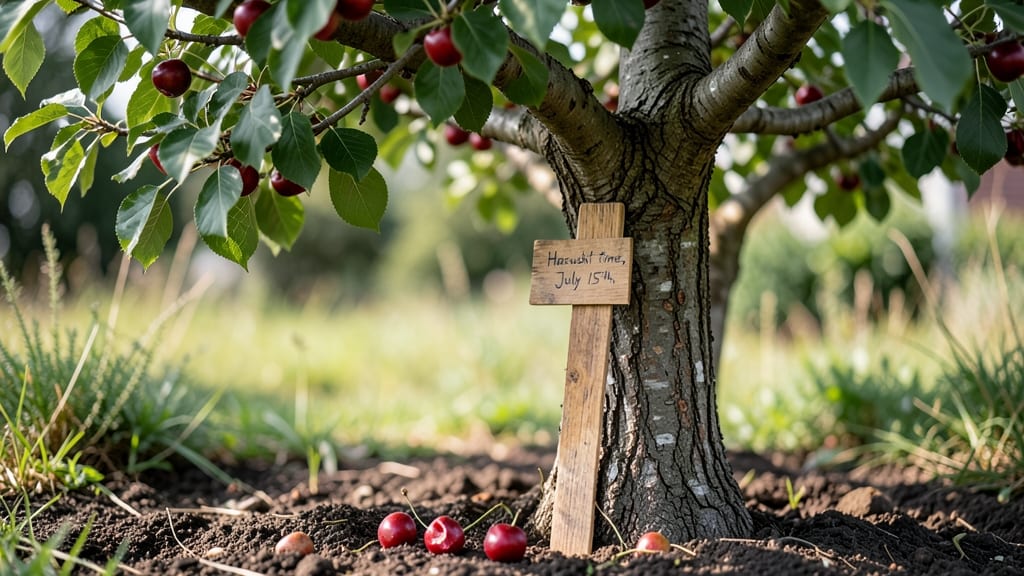
A cherry tree’s life expectancy can stretch from 50 to 100 years—but only if you choose the right variety and care for it properly. I’ve watched my grandfather’s sour cherry tree produce heavy crops since I was a kid, and it’s still going strong.
The key difference between a tree that lasts decades and one that fades after 20 years? Consistent care—especially pruning, watering, and disease prevention.
Sweet cherries like Bing or Stella typically live 30 to 50 years, while sour cherries like Montmorency can easily hit 70+ years with proper attention. Climate matters too—trees in cooler regions with well-drained soil thrive longer than those struggling in heat or waterlogged ground.
The first step? Choosing a disease-resistant rootstock to fight off common issues like silver leaf or bacterial canker.
With regular pruning to open the canopy and prevent crowding, you’ll extend that lifespan even further. I prune mine every late winter to remove dead wood and shape the tree—it’s the single biggest factor in keeping mine productive.
Mulch helps retain moisture, and a deep watering schedule (1-2 inches per week) keeps roots healthy without inviting rot.
Here’s the thing—most cherry trees can live longer than their average lifespan if you catch problems early. A little effort now means decades of shade, beauty, and fresh fruit for your family. Let’s get into the specifics of how to make that happen.
📚 In This Guide
- What you need
- Instructions
- Tips and common mistakes
- Wrapping up and next steps
What you need
- ● Cherry tree sapling or bare-root tree: Choose between sweet cherry (Prunus avium) or sour/tart cherry (Prunus cerasus), depending on your climate and fruit preferences.
- ● Size: 1–3 feet tall (sapling) or 4–6 feet (bare-root).
- ● Shovel or spade: Size: 12–18 inches wide for digging planting holes.
- ● Pruning shears or lopping shears: Bypass pruners (for clean cuts) or anvil pruners (for thicker branches).
- ● Sharp and sterilized to prevent disease.
- ○ Grafting tools (optional, for mature trees): Grafting knife or whip-and-tongue graft tool.
- ● Mulch (organic or inorganic): Wood chips, straw, or shredded bark (2–4 inches deep).
- ● Fertilizer: Balanced 10-10-10 or slow-release cherry tree fertilizer.
- ● Watering can or hose with a gentle spray nozzle: For deep, consistent watering (especially for young trees).
- ● Tree stakes and ties (for young saplings): 2–3 stakes per tree (4–6 feet tall) and soft ties (e.g., tree straps).
- ● Pest control (preventative): Neem oil, horticultural oil, or insecticidal soap (for aphids, borers, or mites).
- ● Soil test kit: To check pH and nutrient levels (ideal range: 6.0–6.5).
- ● Tree guard or protective wrap: For young trees to prevent rodent damage.
- ● Drip irrigation system: For automated, efficient watering.
- ● Pruning paint/sealant: To cover large cuts and prevent disease entry.
- ● Garden gloves and long sleeves: For protection while pruning or handling thorns.
How to maximize your cherry tree’s lifespan through strategic care
With the right approach, your cherry tree can thrive for decades—here’s how to nurture it at every stage.
🌱 Step 1: Plant in the Right Location and Soil for Long-Term Health
A cherry tree’s lifespan begins with its foundation. Plant in full sun—at least 6-8 hours of direct sunlight daily—and choose a spot with well-draining soil. Sandy loam or slightly acidic soil (pH 6.0-6.5) prevents root rot, which shortens a tree’s life dramatically. I always dig a hole twice as wide as the root ball to encourage root spread and reduce transplant shock.
Here’s the thing—avoid low-lying areas where water pools after rain. Poor drainage leads to fungal diseases like silver leaf fungus, which can kill a mature tree in just a few years. If your soil is heavy clay, amend it with 2-3 inches of compost mixed into the planting hole. You’ll see stronger early growth, and the tree’s immune system will handle pests better over time.
☀️ Step 2: Water Deeply and Consistently to Build Root Resilience
Young cherry trees need 1-2 inches of water per week for the first 2-3 years, but deep watering matters more than frequency. I water once a week during dry spells, soaking the soil to a depth of 12-18 inches. Use a soil probe or trowel to check moisture—if it’s dry at that depth, water again. Shallow watering encourages weak roots that struggle in drought.
Once established, cherry trees develop deep root systems that tolerate drought better, but don’t neglect them entirely. During hot summers, I increase watering to twice weekly and mulch with 3 inches of organic mulch (like wood chips) to retain moisture. Watch for wilting leaves or brown edges—these are early signs of stress, and addressing them early prevents long-term damage.
✂️ Step 3: Prune Strategically to Prevent Disease and Prolong Productivity
Pruning isn’t just about shaping—it’s about health and longevity. Remove dead, diseased, or crossing branches in late winter or early spring before new growth begins. I also thin out overcrowded branches to improve airflow, which reduces fungal infections like brown rot. Use clean, sharp pruners and seal larger cuts with pruning sealant to prevent disease entry.
Here’s what I’ve learned the hard way: Never remove more than 25% of the tree’s canopy in one season. Over-pruning weakens the tree, making it vulnerable to pests and environmental stress. Focus on opening the center of the tree for sunlight and air circulation. You’ll notice fewer fruit-rotting issues and longer productive years as a result.
🌿 Step 4: Fertilize and Monitor for Pests to Extend Fruit-Bearing Years
Cherry trees are heavy feeders, so I apply a balanced fertilizer (10-10-10) in early spring and again in midsummer. Spread ½ pound per inch of trunk diameter around the drip line, then water deeply to activate the nutrients. Avoid high-nitrogen fertilizers—they promote leafy growth at the expense of fruit production, which shortens the tree’s prime fruiting window.
Watch for aphids, borers, and spider mites—these pests weaken trees over time. I treat infestations early with neem oil or insecticidal soap, and I remove fallen fruit promptly to prevent fungal spores from overwintering. A healthy tree resists pests better, and disease-free trees live decades longer than neglected ones.
⏰ Step 5: Plan for Long-Term Care as the Tree Matures
After 10-15 years, cherry trees need less frequent pruning but still benefit from structural adjustments to maintain balance. I inspect the tree annually for weak branches or signs of decay, and I thin out suckers at the base to redirect energy into fruit production. Older trees also appreciate deep root fertilization every 2-3 years to sustain vigor.
Real talk: Most cherry trees live 20-30 years, but with meticulous care, some varieties like Mazzard cherries can reach 50+ years. The key is consistency—stay on top of pruning, watering, and pest control, and your tree will reward you with decades of harvests. Start these habits early, and you’ll avoid costly mistakes down the line.
Tips & tricks for maximizing your cherry tree's longevity
A few subtle adjustments can transform your cherry tree from a short-lived garden experiment into a generational asset. These are the details that separate good growth from exceptional lifespan.
Soil Preparation: Before planting, take a soil sample from your site and test its pH. If it's outside the 6.0-6.5 range, amend it with elemental sulfur to lower pH or lime to raise it. I've seen trees planted in untested soil develop nutrient deficiencies within just two years, leading to premature decline. The 2-3 inches of compost mentioned in Step 1 should be mixed into the bottom half of the planting hole, not just placed on top. This creates a nutrient-rich zone where roots will naturally grow downward.
Watering Strategy: The 12-18 inch soil depth check is crucial, but I've found that using a soil moisture meter provides more consistent results than visual inspection. These meters measure moisture at specific depths, giving you precise data rather than guessing. During the first two years, I water in the early morning to allow foliage to dry completely before evening, which significantly reduces fungal disease risk. This simple habit has prevented multiple silver leaf fungus infections in my own orchard.
Pruning Precision: When pruning in Step 3, make your cuts just outside the branch collar—the swollen area where the branch meets the trunk. This technique promotes faster healing and reduces the risk of disease entry points. I always sterilize my pruning tools with rubbing alcohol between cuts, especially when dealing with diseased branches. For larger cuts, use a pruning sealant containing mycorrhizal fungi, which helps the tree heal more quickly and strengthens its root system over time.
Fertilization Timing: The 10-10-10 balanced fertilizer application timing is critical, but I've found that splitting the midsummer application into two smaller doses—once in early July and again in early August—produces better results. This two-step approach prevents nutrient burn while maintaining consistent growth. When applying fertilizer, avoid piling it directly against the trunk, as this can cause root damage. Instead, create a circular band around the drip line, then water thoroughly to distribute nutrients evenly.
Pro Tips for Cherry Tree Life Expectancy
- A few subtle adjustments can transform your cherry tree from a short-lived garden experiment into a generational asset.
- Soil Preparation: Before planting, take a soil sample from your site and test its pH.
- Watering Strategy: The 12-18 inch soil depth check is crucial, but I've found that using a soil moisture meter provides more consistent results than visual inspection.
Frequently asked questions
Got questions about how long your cherry tree will thrive—or how to extend its lifespan? Here are some of the most common queries, answered clearly so you can focus on enjoying those sweet, juicy fruits for years to come!
How long do cherry trees typically live, and what’s the oldest recorded?
A healthy cherry tree can live 25–50 years with proper care, though some varieties (like sour cherries) may reach 70+ years! The oldest recorded cherry tree is a Prunus avium in Japan, standing proudly for over 2,000 years. Proper pruning, soil health, and disease prevention are key to hitting that century mark!
Why does my young cherry tree look healthy but isn’t producing fruit yet?
Cherry trees often take 3–7 years to bear fruit, depending on the variety. Sweet cherries (like Bing or Rainier) may wait 5–7 years, while sour cherries (like Montmorency) can fruit in as little as 3 years. Patience is key—focus on watering, sunlight (6+ hours/day), and balanced fertilizer to speed up the process!
Can cherry trees survive harsh winters, and how do I protect them?
Most cherry trees tolerate USDA Zones 5–8, but young trees or tender varieties (like Stella®) need winter protection. Mulch the base with 3–4 inches of wood chips, wrap the trunk in burlap, and avoid late-season pruning to prevent frost damage. Dormant oil sprays can also shield against pests.
What’s the best way to revive a dying cherry tree?
If your tree shows leaf drop, cracks in bark, or fungal spots, act fast! Start by pruning dead branches, improving drainage (cherry trees hate soggy roots), and testing soil pH (aim for 6.0–6.5). Apply a fungicide if powdery mildew or canker is present, and water deeply but infrequently to avoid stress.
Are dwarf cherry trees a good alternative for small yards?
Dwarf varieties (like Compact Stella® or Miniature Morello) grow 8–12 feet tall and fruit just as well as full-sized trees. They’re perfect for containers, urban gardens, or patios—just ensure they get full sun and well-draining soil. Downside? They may produce smaller harvests, but the convenience is worth it!
Wrapping up and next steps
From proper pruning to soil health and pest management, your cherry tree’s lifespan can thrive for decades—even centuries—with the right care. 🌳 Whether you’re growing sweet or tart varieties, consistency is key to ensuring vibrant blooms and bountiful harvests year after year.
Now that you’re armed with expert tips, why not take the next step? Plant a cherry tree today and enjoy the sweet rewards of patient gardening!