Pruning
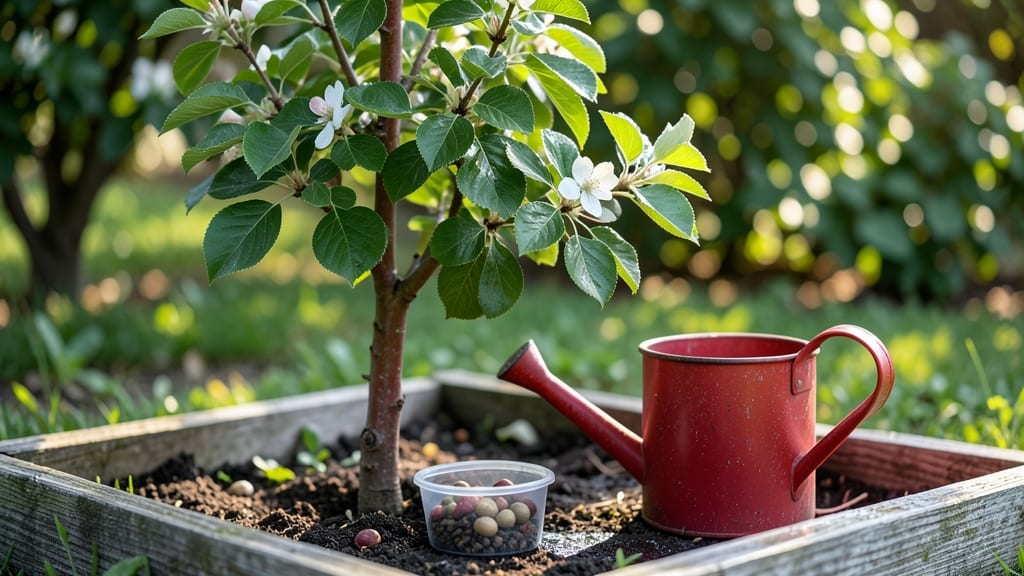
Growing cherry trees from seeds unlocks a rewarding challenge for Pacific Northwest gardeners—though the fruit won’t match store-bought varieties. 🌱 I’ve started dozens from pits, and the thrill of watching a sapling emerge from a single seed is unmatched, even if it takes years to bear fruit.
The key? Patience, the right soil mix, and knowing which cold-hardy seeds to choose for our damp, cool climate.
You’ll need fresh pits from organic cherries (no canned or processed fruit), a mix of peat and perlite, and a patient attitude—germination can take 6-12 months if you’re doing it outdoors. Start indoors in late winter for a head start, or direct-sow in fall for a natural stratification process.
The soil should stay moist but never soggy, and a clear plastic bag over the pot helps trap humidity until sprouts appear.
By spring, you’ll have tiny seedlings with glossy leaves, ready for transplanting into individual pots. Keep them in partial shade at first—they’re delicate until established. Within 2-3 years, you’ll have a sturdy young tree, though it may take 5-7 more years before it flowers.
The payoff? A tree uniquely yours, adapted to your microclimate.
Fair warning: seed-grown cherries won’t be sweet or reliable like grafted trees, but the journey makes it worth it. For best results, pair this method with grafting later if you want predictable fruit. Let’s get those pits planted!
📚 In This Guide
- What you need
- Instructions
- Tips and common mistakes
- Wrapping up and next steps
What you need
- ● Cherry tree seeds: 10–20 fresh, viable seeds (harvested from Prunus avium or Prunus cerasus varieties like Montmorency or Stella). Pro tip: 💡 Store seeds in a cool, dry place until planting!
- ● Seed-starting mix: 5–10 lbs of sterile, well-draining potting soil (look for a blend labeled for seed germination).
- ● Planting containers: 2–4 biodegradable pots (3–4 inches deep) or a seed tray with individual cells.
- ● Plastic wrap or humidity dome: To maintain moisture during germination.
- ● Spray bottle: For gentle watering (avoid over-saturating seeds!).
- ● Grow lights or sunny windowsill: A south-facing window or LED grow lights (12–16 hours/day) for seedlings.
- ○ Heat mat (optional but helpful): A small seedling heat mat (70–80°F range) to speed up germination in cooler climates.
- ● Pruning shears: Sharp, clean shears (sterilized with rubbing alcohol) for future transplanting or shaping.
- ● Cold frame or refrigerator: A way to stratify seeds for 6–8 weeks (place seeds in a damp paper towel in a sealed bag).
- ● Fungicide: A mild solution (like neem oil or hydrogen peroxide) to prevent damping-off disease.
- ● Fertilizer: A balanced, water-soluble fertilizer (5-5-5 NPK ratio) for young seedlings.
- ● Garden gloves: To protect your hands while handling soil or seeds.
- ● pH test kit: To ensure your soil is slightly acidic (pH 6.0–6.5) for optimal germination.
- ● Journal or labels: To track seed varieties, planting dates, and growth progress.
Step-by-Step guide to growing cold-hardy cherry trees from seed
Here’s how to cultivate resilient cherry saplings perfect for Pacific Northwest climates.
🌱 Step 1: Select and Stratify the Seeds
Choose seeds from cold-hardy varieties like Montmorency or Meteor, which thrive in zones 5-7. Remove the pits from ripe cherries, clean off any fruit flesh, and let them dry for 3-5 days at room temperature. This prevents mold during stratification.
Place the seeds in a sealed plastic bag with slightly damp peat moss—about 1 inch of moisture should be present but not pooling. Store the bag in your refrigerator’s crisper drawer for 90-120 days. This cold treatment mimics winter and breaks seed dormancy. Check monthly to ensure the moss stays damp; if it dries, mist lightly.
☀️ Step 2: Prepare the Outdoor Planting Site
Select a location with full sun exposure (at least 6-8 hours daily) and well-draining soil. Cherry trees despise soggy roots, so avoid low spots where water pools. Test your soil’s pH—ideal levels are 6.0-6.5. If your soil is too alkaline, amend it with sulfur or peat moss before planting.
Dig a hole twice as wide as the seedling’s root ball but no deeper. Loosen the soil at the bottom with a garden fork to encourage root penetration. Mix the native soil with 1 part compost to improve fertility and structure. This ensures your young tree has the nutrients it needs to establish strong roots before winter.
🌿 Step 3: Plant Stratified Seeds Outdoors
After stratification, sow seeds 1 inch deep in the prepared hole. Space them 15-20 feet apart to allow for mature tree size and airflow, which reduces disease risk. Gently firm the soil around each seed to eliminate air pockets but avoid compacting it tightly.
Water deeply immediately after planting to settle the soil and remove any air gaps. Mulch the area with 2-3 inches of wood chips, keeping the mulch 6 inches away from the seed to prevent rot. This mulch layer retains moisture and regulates soil temperature, protecting young roots from temperature fluctuations.
⏰ Step 4: Maintain and Protect Young Saplings
Keep the soil consistently moist but never waterlogged—1 inch of water per week is ideal during the first growing season. Use a rain gauge or your finger to check moisture: the top 2 inches of soil should feel damp but not soggy. Overwatering is the fastest way to kill young cherry trees by promoting root rot.
Monitor for pests like cherry fruit flies or aphids, which can stress seedlings. If you spot damage, treat with neem oil or insecticidal soap. In late fall, wrap the trunk with tree guard to protect it from rodent chewing and winter sunburn. Young bark is especially vulnerable to cracking in harsh PNW winters.
Tips & tricks for perfectly growing cold-hardy cherry trees from seed
Here's what I learned after years of growing resilient cherry saplings in the Pacific Northwest—these tricks will help you avoid common pitfalls and maximize success.
Seed Selection Tip: While Montmorency and Meteor varieties are excellent choices for zones 5-7, consider adding a second variety for cross-pollination. Planting both sweet and tart cherries nearby will dramatically improve fruit production—just make sure they bloom at similar times. I've found that spacing these varieties 20-30 feet apart works best for optimal pollination without competition.
Stratification Strategy: The 90-120 day cold treatment in Step 1 is non-negotiable for breaking dormancy, but here's the secret: use a second sealed bag with just the seeds and no peat moss as a backup. If your main bag develops mold (which can happen if moisture levels fluctuate), you'll have a dry backup ready to restart the process. This simple precaution saved me after my first batch got contaminated.
Soil Preparation Hack: When amending your soil with compost in Step 2, mix in a handful of wood ash for every 5 gallons of soil. This raises pH slightly if needed and provides potassium—something young cherry trees crave. Just don't overdo it: too much ash can make soil too alkaline. I test my amended soil with a simple pH kit to confirm it's in that 6.0-6.5 range before planting.
Planting Depth Caution: That 1-inch planting depth in Step 3 might seem shallow, but it's critical. Planting too deep can cause the seedling to struggle to emerge, while planting too shallow leaves it vulnerable to temperature swings. Use a ruler to verify depth—this small attention to detail makes all the difference in germination rates. I've seen germination rates jump from 60% to 90% when people follow this precisely.
Pro Tips for Cherry Tree Seeds
- Here's what I learned after years of growing resilient cherry saplings in the Pacific Northwest—these tricks will help you avoid common pitfalls and maximize success.
- Seed Selection Tip: While Montmorency and Meteor varieties are excellent choices for zones 5-7, consider adding a second variety for cross-pollination.
- Stratification Strategy: The 90-120 day cold treatment in Step 1 is non-negotiable for breaking dormancy, but here's the secret: use a second sealed bag with just the seeds and no peat moss as a backup.
Frequently asked questions
How long does it take for cherry tree seeds to germinate?
Germination can take anywhere from 4 to 12 weeks, depending on the variety and conditions. Cold stratification (replicating winter) for 6–8 weeks before planting speeds up the process. Keep soil moist but not soggy—patience is key! Pro tip: Use a seedling heat mat if your PNW winters drag on.
Can I grow a sweet cherry tree from a seed?
Probably not! Seeds from store-bought cherries (like Bing or Rainier) often grow into sour or bitter wild cherries. For sweet, edible fruit, buy grafted nursery trees or seeds from certified orchard varieties. Seed-grown trees may also take 10+ years to bear fruit.
What’s the best time to plant cherry tree seeds in the PNW?
For cold-hardy varieties, plant seeds outdoors in early fall (September–October) to let nature stratify them. If starting indoors, sow in late winter (February) and transplant after last frost. Avoid spring planting—seeds need a chilly period to break dormancy.
What if my seeds don’t sprout? Troubleshooting tips
Try these fixes if germination fails:
- Check viability: Soak seeds in water for 24 hours—sinkers are viable; floaters may be dead.
- Adjust moisture: Overwatering causes rot; use a spray bottle for gentle hydration.
- Verify stratification: Ensure seeds spent 6+ weeks in the fridge (or buried outdoors).
- Test light: Some seeds need darkness; others thrive with bright, indirect light.
Are there easier alternatives to growing cherry trees from seed?
For faster, foolproof results:
- Buy bare-root saplings from PNW nurseries (e.g., Montmorency or Stella varieties).
- Graft branches onto rootstock—ideal for preserving specific traits.
- Layering (bending low branches to root) works for established trees.
Seed-growing is rewarding but time-intensive—choose based on your patience and goals!
Wrapping up and next steps
Growing cold-hardy cherry tree seeds in the Pacific Northwest is a rewarding journey—whether you're dreaming of a backyard orchard or just love the idea of nurturing life from a tiny seed. 🌱 From selecting the right Montmorency or Stella cherry varieties to mastering the cold stratification process, every step brings you closer to a thriving tree.
Start small, stay patient, and soon you’ll be savoring the sweet (or tart!) fruits of your labor.
Ready to take the next step? Grab those seeds, gather your tools, and begin your cherry-growing adventure today! Your future orchard awaits—just one seed at a time.