Trees
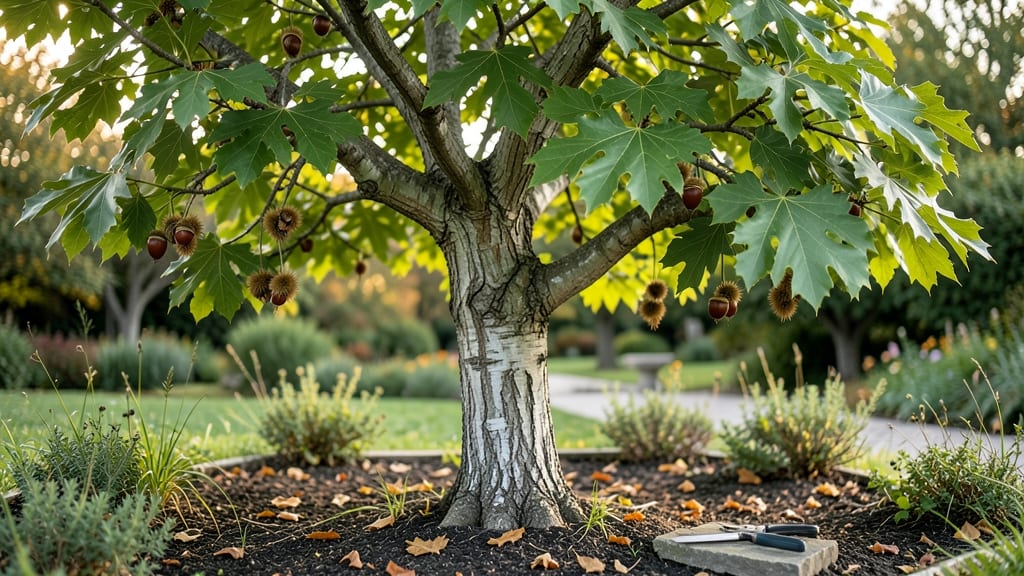
Growing chestnut trees in the Pacific Northwest means choosing varieties that shrug off winter’s worst—think Japanese chestnuts or sweet chestnuts with thick bark and deep roots that thrive where others freeze.
The first year is all about patience: these trees take time to establish, but once they do, they reward you with glossy leaves, sturdy trunks, and—eventually—those prized nuts. I planted my first chestnut sapling in a windbreak zone, and after three winters, it’s already outpacing its neighbors.
You’ll need well-draining soil rich in organic matter, a spot with full sun to partial shade, and space—these trees aren’t shy about growing. 6–10 feet apart for small varieties, up to 20 feet for full-sized chestnuts. Water deeply once a week after planting, then taper off as roots spread.
The key? Mimic their natural habitat: moist but never soggy, with a mulch ring to protect young roots from temperature swings. My journal notes say the trick is consistency—no drought stress, no waterlogging.
By year five, you’ll see the real magic: velvety new leaves in spring, golden-brown husks in fall, and a canopy that provides shade for decades. Prune in late winter to remove dead wood, and watch for the first nuts—small but sweet—by year seven or eight.
The Pacific Northwest’s cool summers actually improve chestnut flavor, so embrace the climate instead of fighting it. This isn’t just a tree; it’s a legacy.
For container growing, dwarf varieties like ‘Asiatica’ work in 15-gallon pots, though they’ll need winter protection in colder zones. Whether you’re planting a single specimen or a windbreak row, the payoff is worth the wait—year-round beauty with a harvest to boot.
Start small, think long-term, and let these trees do the heavy lifting.
📚 In This Guide
- What you need
- Instructions
- Tips and common mistakes
- Wrapping up and next steps
What you need
- ● Chestnut Trees: 1–3 saplings or grafted trees (e.g., Castanea mollissima or Castanea sativa hybrids like ‘Dunstan’ or ‘Paradise’ for PNW resilience)
- ● OR 5–10 chestnut seeds (if starting from scratch—germination takes patience!)
- ● Soil Amendments: 5–10 lbs of compost (well-aged, nutrient-rich)
- ● 2–3 lbs of bone meal (for phosphorus, critical for root growth)
- ● 1 lb of sulfur (if soil pH is >6.5; chestnuts prefer slightly acidic soil)
- ● Planting Supplies: 1–2 5-gallon containers (for seedling starts) or 1 large planting hole (2–3 ft wide/deep)
- ● 1 roll of landscape fabric (to suppress weeds)
- ● Mulch (3–4 inches of wood chips or straw)
- ● Hand Tools: 1 shovel (for digging)
- ● 1 pruners (sterilized, sharp)
- ● 1 garden trowel (for delicate seedling work)
- ● Safety Gear: 1 pair of gloves (nitrile or leather)
- ● 1 safety glasses (for handling sharp tools)
- ● Climate Check: Ensure your zone is USDA 5–8 (PNW fits perfectly!). Chestnuts thrive in cold winters (down to -15°F) but need well-draining soil to avoid root rot.
- ● Space: Mature trees need 30–50 ft of space (account for canopy spread!).
- ● Time: Saplings take 5–10 years to produce nuts; grafted trees may fruit sooner.
- ○ Optional (But Helpful): Soil test kit ($15–$25) to check pH/nutrients
- ● Tree stakes + ties (for young saplings in windy areas)
- ● Drip irrigation system (for consistent moisture)
How to plant and care for Pacific Northwest chestnut trees
Here’s the straightforward approach I’ve used to establish thriving frost-resistant chestnut trees in the region’s challenging climate.
Choose the Right Variety for Cold Hardiness
Select a Pacific Northwest-adapted variety like Castanea pumila (American chestnut) or Castanea mollissima hybrids, which tolerate 10-20°F winters. Avoid European chestnuts—they’re not cold-hardy enough. Nursery-grown bare-root seedlings establish faster than seeds, so buy from reputable growers familiar with local conditions.
Check the root flare—where the roots meet the trunk—should sit just above soil level. If buried too deep, the tree struggles to absorb nutrients. Plant in late fall or early spring when soil is workable but not frozen. This timing gives roots time to establish before summer heat stress.
Prepare the Planting Site for Optimal Growth
Chestnuts thrive in full sun (6+ hours daily) and deep, well-draining soil with a pH of 4.5-6.5. Test your soil—amend with 2-3 inches of compost if it’s clay-heavy or sandy. Avoid low-lying areas where cold air pools, as frost damage is more severe there.
Dig a hole twice as wide as the root ball but no deeper. Loosen the sides of the hole to encourage root spread. If your soil is compacted, mix in 1 part peat moss or pine bark fines with the native soil to improve aeration. This step prevents root suffocation, which is a common killer of young trees.
Plant and Stake for Stability
Place the tree in the hole so the root flare sits 1-2 inches above soil level. Backfill with native soil, tamping gently to remove air pockets. Water deeply to settle the soil—you’ll know it’s right when moisture drains freely but the surface holds shape. Mulch with 3-4 inches of wood chips, keeping it 6 inches away from the trunk to prevent rot.
Stake only if necessary—chestnut seedlings often have strong root systems. If staking, use two sturdy stakes and a soft tree tie to avoid girdling the trunk. Remove stakes after 1-2 years to prevent dependency. Prune only to remove dead branches; avoid heavy pruning in the first year, as it stresses the tree.
Water and Fertilize for Long-Term Health
Water deeply once a week for the first 2-3 years, providing 10-15 gallons per tree each time. Let the soil dry slightly between waterings—soggy roots invite fungal diseases. In the Pacific Northwest’s wet winters, reduce watering to prevent waterlogged soil, which stunts root growth.
Fertilize lightly in early spring with a balanced 10-10-10 formula, applying ½ cup per inch of trunk diameter. Over-fertilizing encourages weak, fast growth that’s prone to frost damage. Chestnuts are slow growers—patience here pays off with stronger, more resilient trees.
Protect from Pests and Winter Damage
Monitor for chestnut weevils and blight, which are common in the region. Apply neem oil spray in early summer if you spot signs of infestation. Prune out infected branches immediately and dispose of them away from the planting site. Healthy trees develop natural resistance over time, so focus on cultural care first.
In harsh winters, wrap the trunk with tree guard to prevent rodent damage and snow mold. If your area gets extreme cold snaps below 0°F, consider a lightweight burlap wrap to protect the bark. Chestnuts are tough, but a little extra care in their first few years ensures they’ll thrive for decades.
Tips & tricks for perfect chestnut trees in the Pacific Northwest
These battle-tested strategies will help you establish hardy chestnut trees that thrive in our region's unique climate challenges.
Variety Selection Matters: While Castanea pumila and Castanea mollissima hybrids are your best bets for our climate, consider consulting with local nurseries about specific cultivars that perform exceptionally in your microclimate. Some hybrids have shown remarkable resilience to the 10-20°F winters we experience, particularly those bred for Pacific Northwest conditions. I've found that trees with thicker bark tend to handle our sudden cold snaps better, so look for mature specimens when possible.
Soil Preparation is Critical: The 2-3 inches of compost recommendation is non-negotiable for our often acidic soils. However, I've learned that adding 1 part peat moss or pine bark fines to compacted soil creates a perfect growing medium that mimics the forest floor where chestnuts naturally thrive. This amendment improves drainage while retaining moisture—essential for our rainy winters. Test your soil pH before planting; if it's outside the 4.5-6.5 range, adjust with sulfur (to lower pH) or lime (to raise it) according to local extension service guidelines.
Planting Depth and Mulching Strategy: Getting the root flare positioned 1-2 inches above soil level is crucial—this prevents water from pooling around the trunk and causing rot. When mulching with 3-4 inches of wood chips, choose locally sourced hardwood chips rather than softwoods like cedar, which can acidify the soil over time. I've noticed that maintaining a 6-inch gap between mulch and trunk creates the perfect environment for beneficial mycorrhizal fungi to form, which significantly boosts nutrient uptake in young trees.
Winter Protection for Extreme Conditions: While chestnuts are tough, I've found that wrapping trunks with tree guard in late fall before the first hard freeze prevents rodent damage that can compromise the tree's structural integrity. For areas experiencing extreme cold snaps below 0°F, adding a lightweight burlap wrap provides an extra layer of insulation without restricting airflow. Remember to remove these protective layers in early spring to prevent overheating during our warm days.
Pro Tips for Chestnut Trees
- These battle-tested strategies will help you establish hardy chestnut trees that thrive in our region's unique climate challenges.
- Some hybrids have shown remarkable resilience to the 10-20°F winters we experience, particularly those bred for Pacific Northwest conditions.
- Soil Preparation is Critical: The 2-3 inches of compost recommendation is non-negotiable for our often acidic soils.
Frequently asked questions
Got questions about growing chestnut trees in the Pacific Northwest? Here are some common ones—and their answers—to help you plant with confidence!
What’s the best time to plant chestnut trees in the PNW?
Plant chestnut trees in early spring (March–April) or early fall (September–October) for the best success. This gives roots time to establish before winter or summer heat. Avoid planting in late fall, as young trees may struggle with frost.
How cold-hardy are chestnut trees, and will they survive PNW winters?
Most chestnut varieties thrive in USDA Zones 4–8, making them perfect for the PNW’s chilly winters. Look for Castanea mollissima (Chinese chestnut) or Castanea dentata (American chestnut) hybrids—they’re bred for frost resistance. Mulch heavily in winter to protect roots!
What pests or diseases should I watch for with chestnut trees?
Chestnut trees are tough, but chestnut blight (a fungal disease) and chestnut weevils can be problematic. Choose blight-resistant hybrids (like ‘Dunstan’ or ‘Colossal’) and inspect leaves regularly. Prune infected branches immediately and avoid overwatering to prevent fungal spread.
How fast do chestnut trees grow, and how big do they get?
Chestnut trees grow at a moderate pace—about 1–2 feet per year—and can reach 50–75 feet tall (though dwarf varieties stay under 20 feet). In the PNW, expect slower growth in cooler climates. Give them plenty of space (30+ feet apart) for full canopy development.
Can I grow chestnut trees in containers, or do they need ground planting?
While chestnut trees prefer ground planting for long-term health, you can grow dwarf varieties (like ‘Bouquet’) in large containers (20+ gallons) for 3–5 years. Use well-draining soil and upgrade to ground planting once roots outgrow the pot. Containers limit root depth, so expect smaller yields.
Do chestnut trees lose leaves in winter, and how do I protect them?
Yes! Chestnut trees are deciduous and drop leaves in fall. To protect them, mulch the base with 3–4 inches of wood chips and wrap the trunk with burlap in extreme cold. Avoid heavy pruning in late winter, as it stresses the tree before new growth.
Wrapping up and next steps
From selecting the perfect frost-resistant chestnut varieties to mastering care techniques, growing these stunning trees in the Pacific Northwest is a rewarding journey. 🌳 Whether you're drawn to the European chestnut for its resilience or the American chestnut for its historical charm, your garden will thrive with the right knowledge—and a little patience.
Now that you're equipped with the essentials, why not plant your first sapling this season? Start small, dream big, and watch your backyard transform into a year-round haven of beauty and shade!