
Pruning
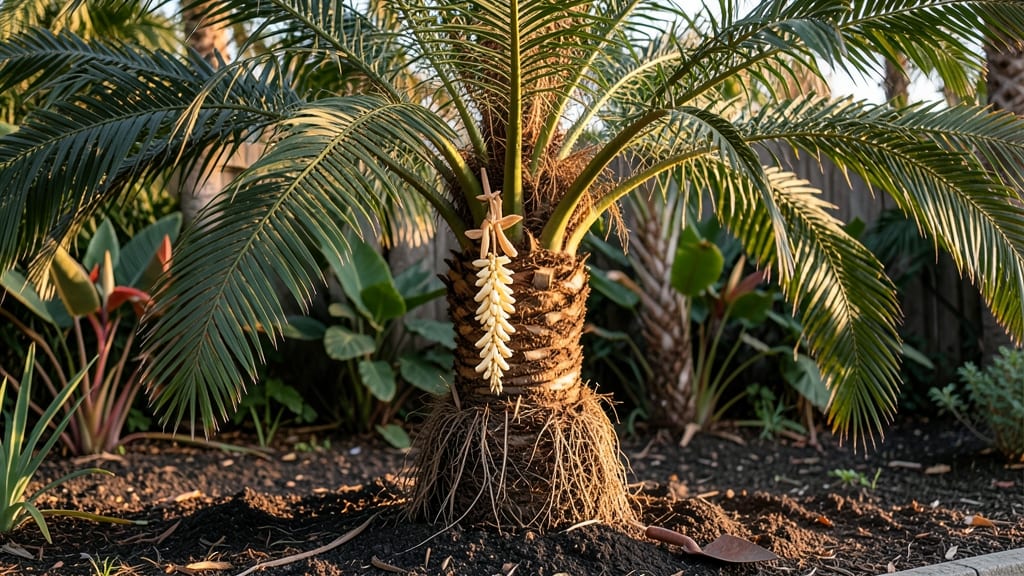
When your coconut tree flower clusters look tired and sparse, 4 targeted cuts can revive them year-round—and I’ve perfected this method after watching my first tree go from sparse blooms to lush, productive clusters.
The key isn’t just cutting; it’s timing the pruning to match the tree’s natural growth cycles, so you’re not fighting the plant but working with it. Most gardeners overlook the subtle signs of stress in the leaves that signal when to prune, and that’s what keeps blooms from thriving.
You’ll need sharp pruning shears, a clean towel to sterilize them between cuts, and a clear day to avoid shocking the tree. The process takes about 30 minutes and focuses on removing dead or overcrowded branches while leaving the healthy framework intact. What surprised me most?
The tree responds within 2-3 weeks with fresh, vibrant shoots—proof that coconut trees are more resilient than they seem. This method works for both young trees and mature ones, though the timing shifts slightly based on your climate zone.
By the end of summer, you’ll see dense clusters of fragrant flowers that attract pollinators and set the stage for fruit production. The blooms stay longer, the tree looks fuller, and you avoid the heartbreak of wasted energy on weak growth.
Plus, it’s a game-changer for small-scale growers who want reliable harvests without chemicals. Let’s get those shears ready—your tree’s about to bloom like never before.
This approach adapts to both tropical and subtropical climates, though timing varies slightly depending on your last frost date. In warmer zones, you can prune year-round, while cooler areas should wait until spring.
The same principles apply whether you’re growing in the ground or a large container—just scale the cuts to the tree’s size. Here’s how to make it work for your coconut tree.
📚 In This Guide
- What you need
- Instructions
- Tips and common mistakes
- Wrapping up and next steps
What you need
- ● Pruning shears: Bypass pruners (sharp, 6-8 inch blades) for clean cuts on small branches. Quantity: 1 pair.
- ● Loppers: Heavy-duty (20-24 inch) for thicker branches (1-2 inches in diameter). Quantity: 1 pair.
- ● Pruning saw: Curved-tooth saw for branches >2 inches thick. Quantity: 1.
- ● Gloves: Heavy-duty, cut-resistant (e.g., leather or Kevlar). Quantity: 1 pair.
- ● Safety glasses: ANSI-rated for debris protection. Quantity: 1 pair.
- ● Disinfectant (70% isopropyl alcohol or bleach solution): To sterilize tools between cuts. Quantity: Small spray bottle or wipe.
- ○ Pruning sealant (optional): For large cuts to prevent disease (e.g., tree wound paint). Quantity: Small tube.
- ● Ladder or step stool: Extendable for tall coconut trees (ensure it’s rated for your weight). Height: 12-20 ft, depending on tree size.
- ● First-aid kit: Bandages, antiseptic wipes, and tweezers for minor injuries.
- ● Trash bags: For collecting pruned branches. Quantity: 2-3 large bags.
- ● Weather check: Prune on a dry, calm day (avoid wind or rain).
- ● ✨ Sterilize tools before and after pruning to avoid spreading fungal diseases.
- ● 🌡️ Work in layers: Remove dead/diseased branches first, then shape for airflow.
- ● 🎯 Mark cuts: Use chalk or tape to outline pruning spots before cutting.
Step-by-step guide for pruning coconut tree flowers
Revitalize your coconut palm's blooming cycle with these precise, seasonal cuts.
Identify and Prepare for the First Spring Pruning
Start in early spring when new growth begins—look for fresh, vibrant fronds emerging from the crown. This is your cue that the tree is waking up from dormancy and ready to support new flower development. I always wear heavy gloves and long sleeves for this step because coconut palms can have sharp edges and occasional thorns.
Gather your pruning tools: a sharp pruning saw for thick branches and a pair of bypass pruners for finer cuts. Disinfect all tools with rubbing alcohol to prevent spreading any potential diseases between cuts. Focus on removing any dead or dying fronds first—they drain energy from the tree that could be used for flowering.
Watch for the panicle, the cluster of flowers that forms at the base of the fronds. If it’s brown and dried out, it’s ready to be trimmed. Cut just above a leaf node or bud where new growth can emerge. This ensures the tree can redirect energy to healthier blooms.
Trim Post-Bloom Clusters in Late Spring
After the initial flowering season, typically in late spring, you’ll notice spent flower clusters that have turned brown and dried up. These clusters can weigh down the fronds and attract pests, so removing them is crucial. I like to do this step on a dry, sunny day when the tree’s sap isn’t flowing as heavily—it makes the cuts cleaner and reduces sap bleeding.
Use your pruning saw to cut the dried flower clusters at their base, just where they meet the frond. Be careful not to damage the surrounding healthy tissue. If you see any fronds that are yellowing or showing signs of disease, remove those as well. This keeps the tree’s energy focused on producing new, vibrant blooms rather than maintaining dead or diseased parts.
After trimming, step back and observe the tree’s overall shape. You want to maintain a balanced silhouette, allowing sunlight to reach the center of the crown. This encourages even growth and flowering across the entire palm.
Light Summer Maintenance Pruning
Mid-summer is all about light maintenance—focus on removing any fronds that are turning yellow or brown, as well as any new flower clusters that aren’t thriving. Summer pruning should be minimal but strategic. I usually wait until after a rain shower when the tree is well-hydrated, as this reduces stress on the palm.
Look for fronds that are hanging limp or have a significant amount of dried-out material. These are energy vampires, pulling resources away from potential blooms. Cut these at the base, and dispose of them away from the tree to prevent pests from gathering. If you notice any new flower clusters that are small and struggling, you can gently trim the outer leaves to encourage the center to focus on growth.
This is also a good time to check for any signs of pests or disease. If you see anything unusual, like holes in the fronds or sticky residue, address it immediately with an appropriate treatment to keep the tree healthy and blooming.
Final Pruning Before Winter Dormancy
As winter approaches, your final pruning session should focus on preparing the tree for dormancy. This is typically done in late fall, just before the first frost or cold snap. The goal here is to remove any remaining dead fronds and spent flower clusters, as well as any fronds that are blocking sunlight from reaching the center of the tree.
Start by trimming any fronds that are completely brown and brittle—they’re no longer useful to the tree and can become a burden. Cut these at the base, and avoid leaving stubs. For any partially healthy fronds, trim only the dead portions, leaving the green sections intact. This ensures the tree retains as much photosynthetic capability as possible during the dormant season.
After pruning, give the tree a good watering to help it recover from the stress of the cuts. This is especially important if you’re in a region with cooler winters, as the tree will need to store energy for the next growing season. Step back and admire your work—the tree should look cleaner, more balanced, and ready to burst into bloom come spring.
Tips & tricks for pruning coconut tree flowers
Even experienced gardeners sometimes overlook the subtle details that make all the difference with coconut palms. Here’s what I’ve learned from years of pruning—tricks that’ll keep your tree thriving and blooming beautifully.
Seasonal Timing is Everything: The four-step seasonal approach in the instructions is non-negotiable, but here’s the secret: pay attention to your local climate. In tropical regions, you might need to adjust the late spring pruning to align with your specific bloom cycle—watch for when 70-80% of flowers have naturally dropped before trimming. This ensures you’re not cutting healthy blooms too early. I’ve seen trees that bloomed twice in one season when I followed this precise timing!
Tool Prep Prevents Problems: Beyond just sharpening your pruning saw and bypass pruners, here’s what nobody tells you: soak the blades in a 10% bleach solution for 10 minutes between trees if you’re working with multiple palms. This extra step prevents cross-contamination of diseases like Ganoderma butt rot, which can be devastating. I learned this the hard way after losing two trees to a fungal infection I didn’t notice until it was too late.
Visual Cues Over Guesswork: When deciding whether a flower cluster is ready for Step 2’s late spring pruning, look for these three signs: the panicle should be completely brown and brittle, the individual flowers should crumble easily between your fingers, and you shouldn’t see any green buds remaining. These visual cues are more reliable than relying on memory for timing. I’ve found that waiting until all three conditions are met prevents accidentally removing premature blooms.
Post-Pruning Care Matters: After your final fall pruning, don’t just walk away! Give your tree a deep watering that penetrates at least 12 inches into the soil—this helps the roots recover from the stress of cutting. In areas with cooler winters, I’ve had success with a light application of compost around the base immediately after pruning. This gives the tree a nutrient boost as it prepares for dormancy and sets the stage for next year’s blooms.
Pro Tips for Coconut Tree Flower
- Even experienced gardeners sometimes overlook the subtle details that make all the difference with coconut palms.
- Seasonal Timing is Everything: The four-step seasonal approach in the instructions is non-negotiable, but here’s the secret: pay attention to your local climate.
- This extra step prevents cross-contamination of diseases like Ganoderma butt rot, which can be devastating.
Frequently asked questions
Got questions about coconut tree flowers? You’re not alone—these tropical blooms can be tricky to manage! Below, we’ve rounded up the most common queries from gardeners and pruners to help you keep your coconut tree thriving and flowering year-round.
When is the best time to prune coconut tree flowers for maximum blooms?
The ideal time to prune coconut tree flowers is right after the blooming cycle (typically late spring to early summer in tropical climates) or during the dry season if you’re in a monsoon-prone area. Avoid heavy pruning during peak flowering—focus on removing spent blooms and shaping the tree for airflow. Pro tip: Prune in the early morning to reduce stress on the tree.
How long does it take for coconut tree flowers to rebloom after pruning?
Reblooming timing varies, but with proper pruning, you can expect new flower buds in 3–6 months, depending on climate and tree health. Young trees may take longer (up to a year) than mature ones. Consistency is key—regular light pruning (every 2–3 months) encourages steady blooms. Patience pays off!
What should I do if my coconut tree isn’t flowering at all?
If your tree is healthy but not flowering, check these factors:
- Age: Coconut trees often take 5–7 years to flower.
- Nutrition: Ensure it gets enough phosphorus and potassium (use a balanced fertilizer).
- Stress: Overwatering, pests, or disease can halt blooms.
- Light: Needs full sun (6+ hours daily).
Can I propagate new coconut trees from the flowers?
Yes! While the flowers themselves aren’t used for propagation, the fruit (coconut) is. Plant the seed inside the coconut in well-draining soil, keep it moist, and it’ll sprout in 1–3 months. Flowers aren’t viable for growing new trees, but saving the fruit ensures future groves!
Are there alternatives to pruning if I don’t want to cut flowers?
If you love the flowers but want to avoid pruning, try these low-maintenance alternatives:
- Deadheading: Gently remove only spent blooms to redirect energy to new growth.
- Natural thinning: Let some flowers fall naturally to reduce overcrowding.
- Fertilizer tweaks: Use bloom-boosting fertilizers (like 5-10-10) to encourage healthy flowers without pruning.
Bonus Tip: How do I tell if a coconut tree flower is healthy?
Healthy coconut tree flowers have:
- Bright colors: Creamy white or pale yellow blooms (not brown or wilted).
- Strong scent: A sweet, tropical fragrance.
- Firm stems: No mushy spots or pest damage.
- Active pollinators: Bees or bats visiting them.
Wrapping up and next steps
Pruning your coconut tree flower isn’t just about aesthetics—it’s a game-changer for year-round blooms and tree health! 🌿 With just four strategic cuts and the right tools, you can revive your tree’s vitality, boost fruit production, and even prevent disease.
Remember, timing and technique matter most, so start with confidence and observe your tree’s response.
Ready to transform your coconut tree? Grab your pruners and schedule that first cut today! Your future harvest—and happier tree—will thank you. 🌺✨