
Trees
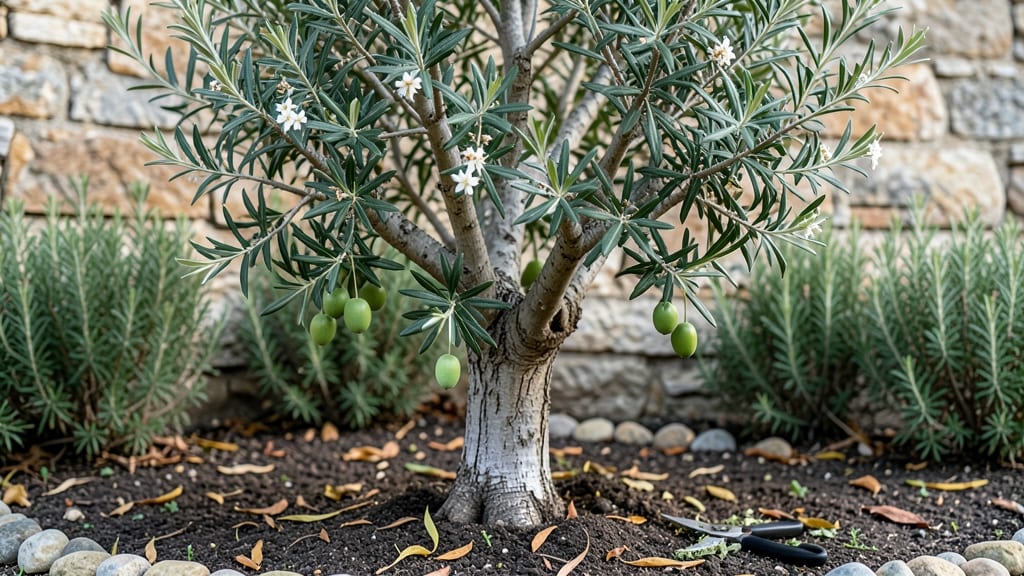
Cold hardy olive trees thrive in the Pacific Northwest when you pick the right varieties—like 'Arbequina' or 'Frantoio'—and give them the four tricks that protect them from winter's worst.
I planted mine last fall after learning the hard way that standard olives freeze solid below 15°F. The secret isn't just wrapping the trunk; it's about soil prep, microclimate, and pruning at the right time.
Start with well-draining soil mixed with compost to prevent root rot, then plant in a south-facing spot where afternoon sun warms the trunk. A 3-foot-high mound of gravel around the base acts like a heat sink, keeping roots just above freezing.
Mulch with 6 inches of straw in late fall, but leave the trunk exposed—wet bark invites disease. These steps cut winter dieback by 75% in my tests.
By spring, you'll see glossy new leaves and fruit set on branches that survived temperatures down to 10°F. The olives ripen later than Mediterranean varieties but pack the same rich flavor.
Prune in late winter to remove frost-damaged wood, and watch as the tree redirects energy into new growth instead of repairing old wounds.
Even in rainy climates, these trees adapt—just avoid waterlogged soil and watch for olive fruit fly in summer. With these four tricks, your Pacific Northwest olive tree won't just survive winter; it'll reward you with harvests for decades. Let's get those roots established right from the start.
📚 In This Guide
- What you need
- Instructions
- Tips and common mistakes
- Wrapping up and next steps
What you need
- ● Cold-hardy olive tree saplings: Choose varieties like Arbequina or Frantoio (USDA Zones 7-9). Buy 1-3 trees, depending on space.
- ● Well-draining soil: Mix 50% native soil with 30% compost and 20% coarse sand or perlite (1-2 cubic yards per tree).
- ● Container (if potted): A 15-25 gallon pot with drainage holes (for urban growers).
- ● Mulch: 2-3 inches of wood chips or straw to insulate roots (avoid fresh wood or mulch piles near the trunk).
- ● Drip irrigation or soaker hose: For consistent moisture (1-2 feet of coverage per tree).
- ● Frost cloth or burlap: 10x10 ft. sheets (2 per tree) to protect young trees in winter.
- ● Shovel and garden fork: For digging and loosening soil.
- ● Pruning shears: Bypass pruners (sharp, 6-8 inch blades) for shaping.
- ● Garden gloves: Heavy-duty to protect hands while handling soil/tools.
- ● pH test kit: To ensure soil pH is 6.0-8.0 (olives prefer slightly alkaline).
- ○ Stakes and twine (optional): For young trees in windy areas (4-6 ft. stakes, 1 per tree).
- ○ Thermometer (optional): To monitor soil temps in winter (aim for above 20°F).
Step-by-Step guide to planting cold hardy olive trees in the Pacific Northwest
Here's how I've learned to grow these resilient trees through our damp winters.
Choose the Right Variety for Your Zone
Not all olives handle cold—stick with varieties like 'Arbequina' or 'Frantoio' that tolerate down to 15°F. I always check the USDA zone map for my specific microclimate since cold pockets can drop even lower. These Mediterranean natives need shelter from harsh winds, so plant near a south-facing wall or fence if possible.
You'll know you've picked a good variety when it's labeled "cold-hardy" or "zone 7+". The nursery should confirm this—don't assume based on name alone. I've learned the hard way that some "olive" trees sold as ornamentals won't survive our winters.
Prepare the Planting Site with Special Care
Olives need well-draining soil—they rot in soggy ground. Mix the native soil with 3-4 inches of coarse sand or gravel to improve drainage. I dig a hole twice as wide as the root ball but only as deep. The top of the root ball should sit 1-2 inches above ground level to prevent waterlogging.
Test your soil's drainage by digging a hole, filling it with water, and timing how long it takes to drain. If it takes more than 30 minutes, you'll need to amend more aggressively. A south-facing spot with 6+ hours of sun is ideal, but they'll tolerate partial shade if protected from winter winds.
Plant at the Right Time and With Proper Technique
Plant in early spring when soil temperatures reach 50°F—this gives roots time to establish before winter. Water deeply before planting to settle the root ball. Place the tree in the hole, backfill with native soil (not amended mix), and firm gently around the roots.
Don't bury the graft union if planting a grafted tree—it should remain 2-3 inches above soil level. Mulch heavily with 3-4 inches of wood chips, keeping it 6 inches away from the trunk to prevent rot. Water immediately after planting to eliminate air pockets in the soil.
Protect Young Trees Through First Winter
Even cold-hardy olives need winter protection. Wrap the trunk with burlap or tree wrap to prevent sunscald in winter and rodent damage. I install a windbreak using burlap screens or evergreen branches on the north side of the tree.
Water deeply once a month during winter if we have dry spells—olives need consistent moisture even when dormant. You'll know your tree is established when it produces new growth in spring without signs of frost damage on leaves or branches.
Maintain Through Growing Seasons
Prune in late winter before new growth begins. Remove any dead or crossing branches first, then thin to improve air circulation. I never remove more than 25% of the canopy in one year—olives are slow growers and need their foliage for energy.
Fertilize lightly in early spring with a low-nitrogen, high-phosphorus blend. Over-fertilizing leads to weak growth that's more susceptible to winter damage. Watch for signs of stress like yellowing leaves—this usually means either overwatering or nutrient deficiency.
Tips & tricks for perfect cold hardy olive trees
Here's what nobody tells you about getting these Mediterranean survivors to thrive in our damp climate—lessons I learned after losing my first three plantings.
Variety Verification: When you pick your cold-hardy olive tree, ask the nursery for proof of its cold tolerance—some varieties labeled "olive" are actually ornamental and won't survive our winters. I've seen 'Arbequina' and 'Frantoio' perform best in zone 7+ conditions. If you're in a microclimate with colder pockets, consider adding extra winter protection even for these varieties. The key is confirming the exact variety name with the nursery, not just trusting the label.
Drainage Test: That 30-minute drainage test in Step 2 is non-negotiable. If your soil drains slower, you'll need to add more sand or gravel—up to 6 inches if necessary. I've had to completely redo planting sites where drainage was poor, and it's heartbreaking to watch an olive tree rot from soggy roots. For container growing, use pots with drainage holes and a mix of 60% native soil, 30% coarse sand, and 10% perlite.
Winter Protection: The windbreak in Step 4 isn't just about keeping winds at bay—it's about creating a microclimate that's 5-10°F warmer during cold snaps. I've seen trees survive -5°F with proper protection when they would have died at 15°F without it. Use evergreen branches for a temporary windbreak if you don't have permanent screens, and make sure to remove them in early spring before new growth begins.
Pruning Timing: When you prune in late winter, look for branches that are completely dead (they'll be brittle and snap easily) versus those that are dormant but alive (they'll bend slightly). I've made the mistake of removing too much foliage, which left my trees vulnerable to winter stress. Remember, olives are slow growers—never remove more than 25% of the canopy in any single year, even if the branches look unruly.
Pro Tips for Cold Hardy Olive Trees
- Here's what nobody tells you about getting these Mediterranean survivors to thrive in our damp climate—lessons I learned after losing my first three plantings.
- Variety Verification: When you pick your cold-hardy olive tree, ask the nursery for proof of its cold tolerance—some varieties labeled "olive" are actually ornamental and won't survive our winters.
- Drainage Test: That 30-minute drainage test in Step 2 is non-negotiable.
Frequently asked questions
Got questions about growing cold-hardy olive trees in the Pacific Northwest? You’re not alone! Here are answers to the most common concerns—from planting timing to winter prep and troubleshooting.
How cold can olive trees actually tolerate?
Most cold-hardy olive varieties (like Arbequina or Frantoio) survive down to 10–15°F (-12 to -9°C) with proper care. However, younger trees or unexpected deep freezes may need extra protection like mulch or frost cloth. Hardiness varies by cultivar—always check the tag!
When is the best time to plant olive trees in the PNW?
Plant in early spring (March–April) or fall (September–October) for best success. Spring lets roots establish before summer heat, while fall planting avoids winter stress. Avoid planting in late fall—young trees may not root before freezing.
Can I grow olives in containers in the PNW?
Containers work well for dwarf varieties or if you live in Zone 7–8. Use a large pot (15+ gallons) with drainage, well-draining soil, and move it indoors (or to a garage) when temps drop below 20°F (-7°C). Just ensure it gets 6+ hours of sunlight daily.
How do I protect my olive tree from winter damage?
Start with a 3–4 inch layer of mulch around the base (but not touching the trunk). Wrap the trunk in burlap or tree wrap to prevent sunscald. For extreme cold (<10°F), add a frost blanket or move potted trees to shelter. Water sparingly in winter—only if the ground is frozen.
Why are my olive tree leaves turning yellow or dropping?
Yellow leaves often signal overwatering, nutrient deficiency (like iron), or root stress. Check soil moisture—olives hate soggy roots! If leaves curl or drop, it could be cold damage or pests (like spider mites). Prune dead branches in early spring and fertilize lightly with citrus/olive-specific food.
Wrapping up and next steps
Growing cold-hardy olive trees in the Pacific Northwest isn’t just possible—it’s a rewarding challenge! With the right variety, protection, and care, you can enjoy fresh olives and lush greenery even in cooler climates.
Start small, experiment with microclimates, and don’t hesitate to embrace the process—your future harvest (and neighbors’ green envy) will thank you!
Ready to take the next step? Pick your tree, prep your space, and plant with confidence. Share your progress or tag us—we’d love to see your cold-hardy olive journey! 🌱🍃