
Pruning
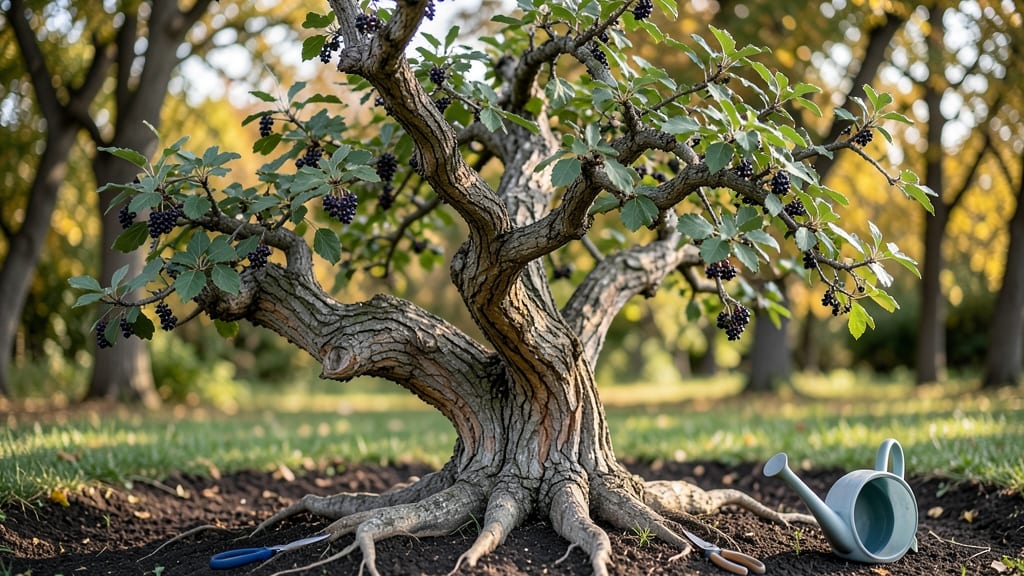
A contorted mulberry tree turns your landscape into a living sculpture with its dramatic, twisted branches that look like nature’s own bonsai. 🌳 I’ve grown mine for five years, and it’s become the centerpiece of my front yard—not just for its beauty, but because it thrives with almost no fuss.
The key lies in understanding its quirky growth habits and giving it the right conditions to show off its signature contorted form.
The tree loves full sun but tolerates partial shade, making it versatile for different yards. Well-draining soil is non-negotiable—amend heavy clay with compost to keep roots happy. Planting in spring or early fall gives roots time to establish before extreme weather hits.
Once settled, it’s surprisingly drought-tolerant, though young trees need consistent moisture to develop that iconic twisted shape.
Pruning is minimal but strategic—just enough to encourage the contortions and remove dead wood. I prune lightly in late winter to shape it, and the result? A tree that looks like it’s been growing for decades, even in its first few years.
The foliage turns golden in fall, and the bark develops striking patterns over time, giving you year-round interest.
Perfect for small spaces, urban gardens, or as a striking focal point in larger landscapes. With the right care, your contorted mulberry will be the talk of the neighborhood—and require almost no maintenance to stay stunning.
📚 In This Guide
- What you need
- Instructions
- Tips and common mistakes
- Wrapping up and next steps
What you need
- ● Pruning shears: Bypass pruners (sharp, clean, and sterilized with rubbing alcohol to prevent disease). Pro tip: 💡 Invest in a pair with ergonomic grips for comfort during long sessions!
- ● Loppers: For thicker branches (1–2 inches in diameter). Look for ratcheting or bypass-style loppers for precision.
- ○ Pruning saw: A curved-tooth pruning saw for branches over 2 inches thick. Optional: A foldable saw for portability.
- ● Gloves: Heavy-duty, cut-resistant gloves (e.g., mechanized or leather) to protect against thorns and sap.
- ○ Disposable pruning bags: 1–2 heavy-duty bags (20–30 gallon capacity) to collect debris. Optional: A wheelbarrow for larger jobs.
- ● Rubbing alcohol (70% or higher): For sterilizing tools between cuts.
- ○ Sealing wax or pruning paint: (e.g., Tanglefoot Tree Wound Pruning Seal) to coat large cuts (optional but recommended for mulberries to prevent disease).
- ● Weather check: Prune on a dry, cloudy day (avoid extreme heat or frost).
- ● Safety glasses: To shield eyes from debris.
- ● Long sleeves/pants: Protect against thorns and sap irritation.
- ● Ladder or stool: If your tree is over 6 feet tall (ensure it’s stable and non-slip). Pro tip: ✨ Use a harness and rope for trees over 15 feet!
- ● Notebook & pen: To sketch a simple pruning map of your tree’s structure.
- ● A pruning guidebook or app (e.g., iTree) for reference.
- ● Tree ties or zip ties to secure branches during shaping.
- ● Mulch or wood chips (5–10 bags) to replenish the base after pruning.
How to plant and maintain a stunning contorted mulberry tree
Here’s the simple method I use to keep these architectural wonders thriving with almost no fuss.
🌱 Step 1: Choose and Prepare the Planting Site
Contorted mulberries love full sun—at least 6 hours daily—but they’ll tolerate partial shade if you live in a hotter climate. I always pick a spot with well-draining soil because soggy roots cause root rot, which these trees hate. If your soil is heavy clay, mix in 2-3 inches of compost to loosen it up before planting.
Dig a hole twice as wide as the root ball but only as deep. The top of the root ball should sit 1-2 inches above ground level—this prevents water from pooling around the trunk. If planting in winter, wait until late fall so the tree establishes roots before freezing temperatures hit.
☀️ Step 2: Plant with Care to Preserve the Twisted Form
Gently remove the tree from its container and loosen any circling roots with your fingers. The contorted mulberry’s dramatic shape comes from its natural growth habit, so don’t prune or straighten branches during planting—just let them settle into their unique form. Place the tree in the hole and backfill with native soil, tamping lightly every 6 inches to eliminate air pockets.
Water deeply right after planting—1-2 gallons—to help the soil settle around the roots. Mulch the base with 2-3 inches of organic mulch (like shredded bark) to retain moisture and keep weeds down. Keep the mulch 6 inches away from the trunk to prevent rot. Here’s the thing—never mulch too thickly or the center will suffocate.
💧 Step 3: Water and Fertilize for Year-Round Health
Young trees need deep watering once a week during the first growing season, but mature contorted mulberries are surprisingly drought-tolerant once established. You’ll know it’s time to water when the top 2 inches of soil feel dry—stick your finger in to check. Overwatering is the biggest mistake here; these trees thrive on neglect once rooted.
Feed with a balanced, slow-release fertilizer (like 10-10-10) in early spring before new growth starts. Scatter ½ cup around the drip line (not the trunk) and water it in. Skip fall fertilization—it encourages tender growth that won’t survive winter. The contorted mulberry’s beauty comes from its natural structure, so resist the urge to prune unless dead or crossing branches appear.
✂️ Step 4: Minimal Pruning to Maintain the Drama
This is where the "minimal pruning" promise comes true. The contorted mulberry’s twisted branches are its signature, so prune only to remove dead, diseased, or rubbing branches. Use clean, sharp pruners and cut just outside the branch collar to avoid damaging the trunk. The best time to prune is late winter or early spring, right before new growth begins.
If you notice branches growing too close together, you can lightly thin them to improve airflow, but never cut more than 25% of the foliage in one season. The tree’s unique shape is its selling point—don’t over-prune or you’ll lose that whimsical, sculptural look. A little maintenance goes a long way with these low-maintenance stars.
Tips & tricks for perfect contorted mulberry tree care
These simple tricks will help you keep your contorted mulberry looking stunning with almost no effort.
Soil Prep Secret: Before planting, test your soil's drainage by digging a small hole and filling it with water. If it drains within an hour, you're good to go. If not, mix in additional compost (up to 4-5 inches) to improve drainage. The 2-3 inches mentioned in Step 1 is a minimum—don't be afraid to go deeper if your soil is particularly heavy. Well-draining soil is the foundation for healthy roots.
Planting Position: In Step 2, when positioning your tree, pay attention to how the twisted branches naturally want to grow. The top of the root ball should sit 1-2 inches above ground level, but also consider the tree's mature shape. If you plant it facing east, the morning sun will enhance the dramatic silhouette without scorching the leaves. This small adjustment makes a big difference in how striking your tree appears over time.
Watering Wisdom: The 1-2 gallons of water after planting is crucial, but here's what nobody tells you—water deeply again in 3-4 days to encourage root growth downward. After that, let the soil dry between waterings. The finger-check method in Step 3 works perfectly, but I also recommend using a moisture meter for the first year to avoid overwatering, which is the #1 killer of these trees.
Fertilizer Timing: While the instructions mention early spring fertilization, here's a pro move: split that ½ cup into two applications—one in early spring and another in late spring. This gives your tree a steady nutrient supply without overloading it. And if you notice yellowing leaves after fertilizing, flush the soil with extra water to prevent salt buildup from the fertilizer.
Pro Tips for Contorted Mulberry Tree
- These simple tricks will help you keep your contorted mulberry looking stunning with almost no effort.
- Soil Prep Secret: Before planting, test your soil's drainage by digging a small hole and filling it with water.
- Planting Position: In Step 2, when positioning your tree, pay attention to how the twisted branches naturally want to grow.
Frequently asked questions
What makes the contorted mulberry tree different from regular mulberries?
The contorted mulberry (Morus alba ‘Tortuosa’) stands out with its twisted, gnarled branches and compact growth habit—unlike standard mulberries, which grow upright and can reach 20+ feet. Its dramatic shape makes it a conversation piece in gardens, while its small size (typically 10–15 feet) fits tight spaces perfectly. Plus, it’s just as productive with edible fruit!
How often should I prune a contorted mulberry tree?
One of the best parts? You don’t have to prune it often! Light shaping in late winter (before buds swell) is enough to maintain its form. Focus on removing dead, crossing, or overly long branches—just 1–2 hours annually. Avoid heavy pruning, as it can disrupt the tree’s natural contorted look. Think of it as a “set it and forget it” plant!
Can I shape it into a bonsai-style tree?
The contorted mulberry’s natural gnarled branches make it ideal for bonsai-inspired pruning. Use sharp pruners to trim new growth and wire branches gently to guide them into artistic curves. Just avoid over-wiring (max 3–4 months) to prevent bark damage. For best results, start with a young tree—older wood is harder to reshape.
Will pruning reduce my mulberry harvest?
Not at all! Pruning focuses on structure, not fruit-bearing branches. The tree’s primary fruit clusters grow on older wood, so light pruning (removing only 10–20% of growth) won’t cut into your harvest. In fact, better airflow from pruning can improve fruit quality. Just avoid heavy cuts in summer when the tree is fruiting.
What’s the best alternative if I don’t want to deal with fruit mess?
If you love the contorted mulberry’s look but hate the berry cleanup, consider Morus alba ‘Pendula’ (weeping mulberry) or Celtis sinensis (Chinese hackberry), which have similar twisted forms but fewer (or no) edible fruits. For a non-fruiting option, ornamental trees like Cercis chinensis ‘Avondale’ (Avondale redbud) offer drama with zero mess!
Are contorted mulberries prone to pests or diseases?
Generally hardy, but watch for mulberry pyralid moths (they chew leaves) or scale insects. If you spot pests, hose them off or use insecticidal soap. Overwatering can lead to root rot, so ensure well-draining soil. A healthy contorted mulberry rarely needs treatment—just keep it in full sun and avoid soggy roots!
Wrapping up and next steps
The contorted mulberry tree proves that beauty and low-maintenance care can go hand in hand—its twisted, sculptural branches deliver year-round visual interest with just a little seasonal attention.
Whether you’re a seasoned gardener or a beginner, embracing its natural quirks and a few simple pruning tips will reward you with a stunning, drama-filled centerpiece that thrives with minimal effort. 🌿
Now that you’re armed with the know-how, why not take the next step? Grab your pruners, sketch a quick plan for your tree, and give it the TLC it deserves—your garden (and future visitors) will thank you!