
Pruning
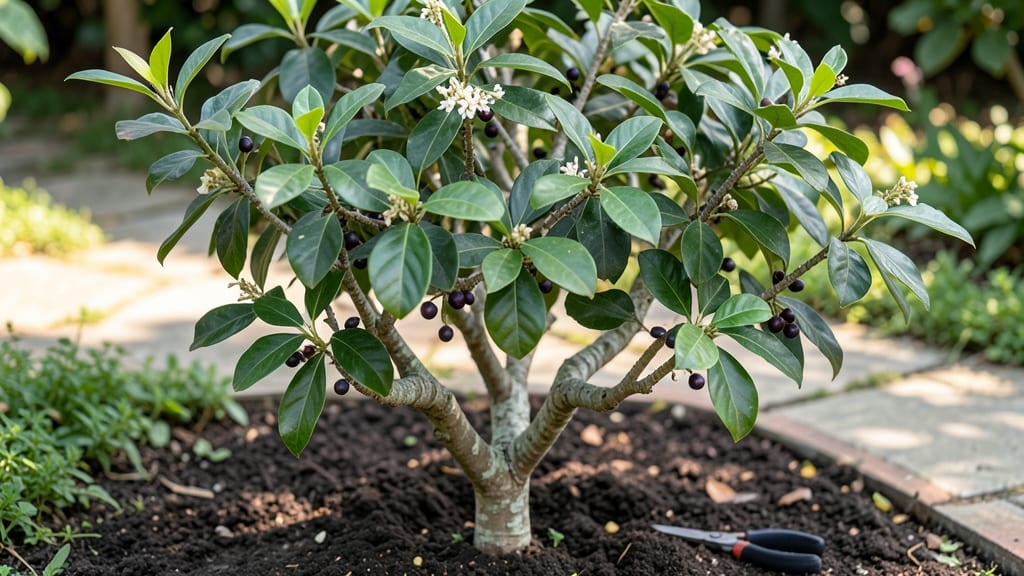
The curry leaf tree (Murraya koenigii) isn’t just a kitchen staple—it’s the unsung hero of South Asian cooking, and pruning it right keeps it producing fragrant leaves all year.
I’ve watched mine go from a scraggly bush to a lush, leafy powerhouse just by timing cuts and shaping it properly, and the difference in harvest is night and day. That first whiff of crushed leaves when you prune correctly?
Pure magic, and it means your curries will always have that authentic depth.
Pruning isn’t about hacking branches—it’s about encouraging new growth where you want it. You’ll need sharp pruning shears, a clean workspace, and a plan: trim back leggy stems in late winter to shape the tree, then do light maintenance pruning after harvests to keep it compact.
The key is cutting just above a leaf node, never into old wood, or you’ll lose your leaf supply faster than you can say “burnt naan.”
What you end up with is a tree that’s dense with glossy, aromatic leaves year-round, ready to be plucked fresh for dal, sambar, or chutneys. The branches stay sturdy, the leaves grow faster, and you avoid that sad, bare look that kills a tree’s productivity.
Plus, it’s ornamental—those tiny white flowers in spring are a bonus for pollinators.
Works in USDA zones 10-12, but even in containers, you can grow it in cooler climates with winter protection. Whether you’re pruning for flavor or form, the secrets are simple: cut at the right time, shape intentionally, and watch your tree thrive. Let’s get those shears ready!
📚 In This Guide
- What you need
- Instructions
- Tips and common mistakes
- Wrapping up and next steps
What you need
- ● Pruning shears: Sharp, bypass shears (for clean cuts on small branches; 6–8" blade length).
- ● Loppers: For thicker branches (1–2" diameter); ratcheting loppers make tough cuts easier.
- ● Pruning saw: Bow saw or pruning saw for branches >2" thick (avoid dull blades!).
- ● Disinfectant: 70% isopropyl alcohol or rubbing alcohol (to sterilize tools between cuts and prevent disease).
- ● Gloves: Heavy-duty gardening gloves (thick leather or nitrile-coated for protection against thorns).
- ● Ladder or step stool: Sturdy, non-slip (extendable ladder for taller trees; max height: 12–14 ft).
- ● Trash bags or bucket: For collecting pruned branches (1–2 large bags or a 5-gallon bucket).
- ● Rags or paper towels: To wipe tools clean post-pruning.
- ● Hand pruners with ratchet: For stubborn, oversized branches (e.g., Felco F-2 pruners).
- ● Pruning sealant: Tree wound dressing (like Tanglefoot Tree Wound Pruning Seal) for large cuts (>½" diameter).
- ● Safety glasses: To shield eyes from debris (especially when sawing thick branches).
- ● Notebook & pen: To sketch your tree’s shape or note areas for future pruning.
- ● Hose with nozzle: For rinsing tools and branches post-pruning (if pests are a concern).
Step-by-step guide to pruning your curry leaf tree
Here's how I keep my Murraya koenigii thriving with simple, effective pruning techniques.
Identify the Best Time to Prune
Prune your curry leaf tree during its active growing season, which is typically in late winter or early spring before new growth begins. This timing ensures the tree has plenty of time to recover and produce fresh foliage before summer's heat sets in. Avoid pruning during extreme weather—never trim when temperatures drop below 50°F or exceed 90°F, as stress from pruning combined with harsh conditions can weaken the plant.
Look for visual cues: healthy branches will have plump, glossy leaves, while dormant branches appear woody and bare. If you see clusters of fresh green leaves emerging, it's a clear sign the tree is ready for pruning. This is the moment that matters—pruning at the right time means faster recovery and more abundant leaf production.
Gather the Right Tools and Prepare the Tree
Use sharp, sterilized pruning shears or a pruning saw for thicker branches. Disinfect your tools with rubbing alcohol to prevent spreading disease. I always check my tools before starting—dull blades tear wood, which slows healing and invites infections. For your curry leaf tree, you’ll want to remove any dead, diseased, or crossing branches first. These are easy to spot: dead branches are dry and brittle, while diseased ones may have black spots or oozing sap.
Next, inspect the tree for any branches that are rubbing against each other or growing inward. These compete for sunlight and nutrients, weakening the tree over time. Mark these branches with a piece of twine or tape so you don’t miss them during pruning. Real talk: skipping this step can lead to stunted growth, so take your time here.
Prune for Shape and Airflow
Start by thinning out the center of the tree to improve airflow and sunlight penetration. Aim to remove about 20-30% of the foliage in one session—this encourages bushier growth without overstressing the plant. Cut just above a leaf node or outward-facing bud to promote new growth in the right direction. If you're unsure where to cut, look for a slight bump or swelling on the branch; this is where new leaves will emerge.
Shape the tree by trimming back any overly long or leggy branches to maintain a compact form. Curry leaf trees respond well to pruning, so don’t be afraid to be bold—just avoid cutting back more than one-third of the branch length at once. You’ll notice the tree’s natural shape emerging as you work, and the leaves will fill in more evenly over time. This is the moment the tree starts to look like the lush, productive plant you want.
Encourage New Growth with Strategic Cuts
To stimulate fresh foliage, make heading cuts just above a set of healthy leaves. These cuts encourage the tree to branch out and produce more leaves, which is especially useful if your curry leaf tree has become sparse. I like to focus on the outer branches first, as these often grow the fastest and can become leggy without regular trimming. Watch for new shoots emerging within 4-6 weeks—this is your sign that the pruning is working.
If your tree is young or hasn’t been pruned in a while, you can do a light renewal pruning by cutting back some of the oldest branches to encourage younger, more vigorous growth. Just be patient—it may take a season or two for the tree to fully recover and fill out. Don’t skip this step if your tree looks tired; renewal pruning is like giving it a fresh start.
Post-Pruning Care for a Healthy Tree
After pruning, water the tree deeply to help it recover. The soil should be moist but not soggy—think of it as giving the tree a drink of water to help it heal. Avoid fertilizing immediately after pruning, as the tree needs time to adjust. Wait 2-3 weeks before applying a balanced fertilizer to support new growth. You’ll see the difference in just a few weeks as the tree bounces back with fresh, vibrant leaves.
Keep an eye on the pruned areas over the next few weeks. If you notice any signs of stress—like yellowing leaves or wilting—reduce watering slightly and ensure the tree is getting enough sunlight. A healthy curry leaf tree should show new growth within 4-6 weeks of pruning. If it doesn’t, check for pests or disease, and adjust your care routine accordingly. You’ve got this—with the right pruning, your tree will thrive year-round.
Tips & tricks for perfect curry leaf tree pruning
Here's what nobody tells you about keeping your Murraya koenigii thriving after the initial pruning—these are the details that make all the difference.
Seasonal Timing Secret: The late winter to early spring window isn't just about avoiding extreme temperatures. I've learned that pruning when the tree has just started its growth spurt—when those first fresh green leaves appear—gives it the best chance to recover quickly. This is when the tree's natural energy is already shifting toward new growth, so it can handle the stress better than at other times. Watch for those tiny new leaves pushing through the old growth as your cue.
Tool Preparation Technique: Sterilizing your tools isn't just about disease prevention—it's about giving your tree the best possible start. I always double-check my pruning shears by wiping them with rubbing alcohol and then running them along a clean paper towel to remove any residue. This step might seem minor, but I've seen how quickly sap from one tree can transfer to another and cause infections. For the curry leaf tree, which is particularly sensitive to stress, this extra care pays off in healthier regrowth.
Visual Pruning Cues: When you're deciding what to cut, look for the slight swelling at the base of leaves—this is where new growth will emerge. I've found that making cuts just above this point encourages the tree to branch out beautifully. For the curry leaf tree specifically, these nodes are often more pronounced than in other trees, making them easier to spot. This is how you get that lush, productive shape without over-pruning.
Post-Pruning Recovery Strategy: That 2-3 week wait before fertilizing is crucial, but what's even more important is how you water during this period. I've learned to give my tree a deep watering right after pruning, then monitor the soil closely. The roots need to establish themselves in the new configuration before they can support vigorous new growth. Too much water too soon can actually set back recovery, so aim for moist but never soggy soil during this critical period.
Pro Tips for Curry Leaf Tree Murraya Koenigii
- Here's what nobody tells you about keeping your Murraya koenigii thriving after the initial pruning—these are the details that make all the difference.
- Seasonal Timing Secret: The late winter to early spring window isn't just about avoiding extreme temperatures.
- Tool Preparation Technique: Sterilizing your tools isn't just about disease prevention—it's about giving your tree the best possible start.
Frequently asked questions
Got questions about pruning your Murraya koenigii (curry leaf tree)?
You’re not alone! Here are answers to the most common queries—from timing to troubleshooting—so you can keep your tree thriving year-round.
When is the best time to prune my curry leaf tree?
The ideal time is late winter or early spring (just before new growth starts). Avoid heavy pruning during monsoons or extreme heat—this can stress the tree. Light trimming to shape or remove dead branches can happen anytime, but major cuts should wait for the dormant season for optimal recovery.
How much can I prune without harming the tree?
You can safely remove up to 25-30% of the foliage in one session, but avoid over-pruning. Heavy cuts (beyond 30%) may stunt growth or reduce leaf production. Focus on selective pruning—target dead, diseased, or overcrowded branches first. Think of it like a haircut: shape, not shear!
What should I do if my curry leaf tree stops producing leaves after pruning?
Don’t panic! This is often a sign of over-pruning or stress. If you’ve cut too much, the tree may take 2-3 months to recover. Water deeply and avoid fertilizing until new growth appears. If the issue persists, check for pests (like aphids) or root rot—both can hinder leaf production.
Can I prune my curry leaf tree during the monsoon?
Light pruning (like removing a few dead leaves) is fine, but avoid heavy cuts during monsoons. Excessive pruning can lead to fungal infections or weak regrowth due to high humidity. If you must prune, do it on a dry day and sterilize your tools with rubbing alcohol to prevent disease.
What’s the best way to shape a curry leaf tree for a bonsai look?
Start with small, frequent trims to encourage bushiness. Use concave cuts (curved cuts just above a leaf node) to promote branching. For a bonsai style, prune 1/3 of the new growth every 4-6 weeks during the growing season. Pair this with wiring young branches to guide their shape. Patience is key—bonsai takes years!
Wrapping up and next steps
Pruning your curry leaf tree (Murraya koenigii) isn’t just about keeping it tidy—it’s the key to unlocking vibrant, year-round growth and bountiful harvests! 🌿 By mastering the right techniques, timing, and tools, you’ll encourage healthier foliage, better yields, and even pest resistance.
Whether you’re a seasoned gardener or just starting, every snip is a step toward a thriving, lush tree.
Ready to take action? Grab your pruners, mark your calendar for the next pruning window, and give your curry leaf tree the care it deserves! Your future harvests—and your kitchen—will thank you. 🍴✨