Pruning
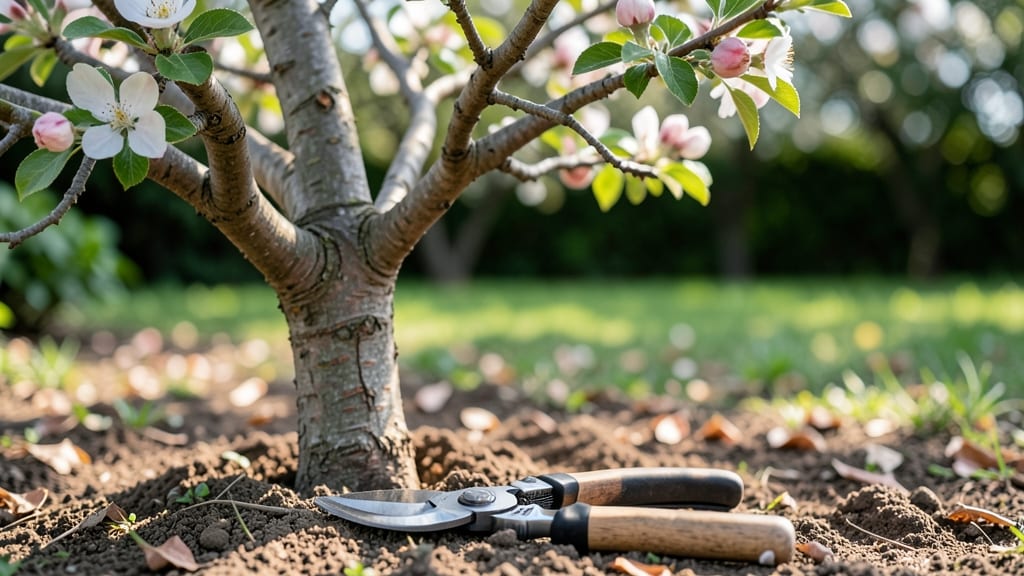
Cutting back peach trees isn't just about trimming branches—it’s about unlocking next year’s harvest and keeping your tree strong for decades. 🌿 I’ve pruned my own peach tree every winter for five years, and the difference between a well-shaped tree and a tangled mess is those few hours with the right cuts.
The key? Four strategic cuts timed to the seasons, not just winter cleanup.
Most gardeners make the mistake of pruning only in late winter, but peach trees need attention year-round. You’ll start in late winter to remove dead wood, then follow up after harvest to open the canopy, and make two more cuts in summer to control growth and shape.
The tools are simple—a sharp bypass pruner, loppers for thicker branches, and rubbing alcohol for sanitizing cuts—but the timing and technique make all the difference.
By the end of this process, your tree will have better air circulation, fewer disease issues, and more sunlight reaching the fruit. You’ll see thicker branches, more blossoms in spring, and a harvest that keeps coming year after year.
The best part? It takes less than an hour per session once you get the rhythm down.
Whether you’re dealing with a young sapling or a mature tree, these cuts work for any peach variety. The secret is patience—don’t rush the shaping, and always cut just outside the branch collar. Let’s get your tree ready for its best season yet.
📚 In This Guide
- What you need
- Instructions
- Tips and common mistakes
- Wrapping up and next steps
What you need
- ● Pruning shears: Sharp, bypass-style shears (for cuts up to ½ inch thick). Pro tip: 💡 Sanitize blades with rubbing alcohol between cuts to prevent disease.
- ● Loppers: 1 pair (for thicker branches, 1–2 inches in diameter). Look for bypass blades for cleaner cuts.
- ● Pruning saw: 1 handheld saw (for branches over 2 inches thick). A bow saw or pruning saw works best.
- ● Gloves: Heavy-duty, cut-resistant gloves (to protect from thorns and sharp tools).
- ● Ladder: Sturdy, extendable ladder (if your tree is over 6 feet tall). Safety first! 🔒
- ● Disposable pruning bags: 1–2 bags (for collecting debris and diseased branches).
- ● Rag or paper towels: For wiping tools and branches (to reduce sap spread).
- ● Pruning sealant: (For large cuts over ½ inch—controversial, but some gardeners swear by it for wound protection.)
- ● Tree wound paint: (Alternative to sealant; use sparingly if at all.)
- ● Handheld leaf blower: (To clear debris quickly after pruning.)
- ● Notebook & pen: (To sketch your tree’s structure before/after cuts—great for tracking progress!)
- ● Knowledge of your peach tree’s variety and age (young trees need lighter cuts!).
- ● Awareness of local frost dates (avoid heavy pruning 4–6 weeks before the last expected frost).
- ● Clear, dry weather (pruning in wet conditions can spread disease).
Step-by-Step guide to pruning peach trees for year-round health
Peach trees thrive when pruned at the right times—here’s how to keep them productive and strong.
✂️ Step 1: Late Winter Dormant Pruning (Before Bud Break)
This is the most critical cut—do it while the tree is still dormant, usually in late February or early March when temperatures stay above 20°F. You’ll see bare branches with no leaves or buds swelling yet. Grab your pruning shears and focus on removing dead, diseased, or crossing branches first—they’re easy to spot.
Next, thin out overcrowded branches to improve airflow. Aim to keep the center of the tree open so sunlight reaches all sides. Cut back any branches growing inward at a 45-degree angle, just outside the branch collar. Avoid leaving stubs—always cut cleanly to prevent disease entry points. If a branch is thicker than your wrist, use a pruning saw instead.
✂️ Step 2: Light Summer Pruning (After Harvest, Before Heat Sets In)
After the peaches are picked, usually in late June or early July, give your tree a quick trim to encourage new growth. Look for suckers (shoots growing from the base) and water sprouts (vertical shoots with no fruit). These compete with your main branches for energy. Snip them off at the base—don’t leave any stubs.
Also, thin out excessive fruit clusters to leave 6-8 inches between branches. This prevents overburdening and ensures larger, healthier peaches next season. If you notice any branches with signs of disease (like brown spots or oozing sap), prune those out immediately and disinfect your tools with rubbing alcohol.
✂️ Step 3: Post-Harvest Structural Pruning (Fall Cleanup)
Once the tree has finished bearing fruit and leaves start changing color, usually in October, do a final check for any weak or damaged branches. Remove any that are broken, diseased, or growing in odd directions. This keeps the tree’s shape balanced and prevents future issues. Cut just outside the branch collar again—this is where the tree naturally heals.
Here’s the thing—peach trees are sensitive to late pruning, so avoid heavy cuts after mid-October. You’ll also want to rake up and dispose of any fallen leaves or fruit to reduce pests and diseases overwintering in the debris. A clean workspace means a healthier tree come spring.
✂️ Step 4: Winter Thinning (Minimal Adjustments Only)
If you notice any dead branches during the winter months (December–January), go ahead and remove them. But keep cuts to a minimum—peach trees don’t like heavy pruning when they’re dormant. Focus only on cleaning up what’s already damaged or problematic. Avoid shaping the tree too much this time of year.
This is also a great time to inspect the tree’s structure and plan for next year’s pruning. Look for areas where branches are rubbing together or growing too close—these will need attention in late winter. Keep your tools sharp and clean to make quick, precise cuts. A little attention now prevents big headaches later.
Tips & tricks for cutting back peach trees
Here's what nobody tells you about keeping your peach tree thriving—these tricks make all the difference between a struggling bush and a fruit-bearing powerhouse.
Timing is Everything: In Step 1, when you're pruning in late February or early March, check the weather forecast for a few days ahead. You want temperatures consistently above 20°F, but if a cold snap is coming, delay your pruning by a week. Fresh cuts heal slower in freezing temperatures, making your tree more vulnerable to disease. I learned this the hard way after pruning too early one spring—my tree took months to recover.
The 45-Degree Rule: When you're cutting back overcrowded branches in Step 1, make sure every cut follows the 45-degree angle just outside the branch collar. This isn't just about looks—it's how the tree naturally heals. If you cut too close to the trunk or leave a stub, you're inviting disease right into the tree's system. For branches thicker than your wrist, use a pruning saw and make the cut on the underside of the branch to prevent tearing.
Summer Pruning Secrets: During Step 2's light summer pruning, don't just focus on suckers and water sprouts—look for branches that are growing toward the center of the tree. These shade out the interior and reduce fruit production. Thin these out first, then address the suckers. I've seen trees with perfect summer pruning but still struggling because they missed these hidden shade branches. Also, when you're thinning fruit clusters, leave the largest, healthiest peaches—this gives your tree the best chance for quality fruit next year.
Fall Cleanup Strategy: In Step 3's fall cleanup, pay special attention to any branches with brown spots or oozing sap—these are often signs of peach leaf curl or bacterial spot diseases. Remove these immediately and disinfect your tools between cuts with rubbing alcohol. After pruning, rake up all fallen leaves and fruit, then dispose of them in the trash, not your compost bin. Many peach diseases overwinter in this debris, and you don't want them infecting your tree next season.
Pro Tips for Cutting Back Peach Trees
- Here's what nobody tells you about keeping your peach tree thriving—these tricks make all the difference between a struggling bush and a fruit-bearing powerhouse.
- Timing is Everything: In Step 1, when you're pruning in late February or early March, check the weather forecast for a few days ahead.
- The 45-Degree Rule: When you're cutting back overcrowded branches in Step 1, make sure every cut follows the 45-degree angle just outside the branch collar.
Frequently asked questions
Got questions about pruning your peach trees?
You’re not alone! Here are answers to the most common concerns—so you can cut with confidence and keep your tree thriving.
When is the best time to cut back peach trees?
The ideal time depends on your goal: dormant season (late winter/early spring) is best for major structural pruning, while summer cuts help control growth and reduce disease risk. Avoid heavy pruning in fall—it can stress the tree before winter. Light maintenance (removing dead branches) can happen year-round.
How much can I cut back a peach tree without harming it?
Peach trees are resilient but don’t overdo it! Aim to remove no more than 25-30% of the canopy in one season—this prevents shock. For young trees, you can be bolder (up to 50%) to shape the structure. Always prioritize open-center growth to improve airflow and sunlight.
What if my peach tree starts bleeding sap after pruning?
Sap bleeding is normal in early spring and won’t harm the tree. To minimize it, prune on a dry day and avoid cuts larger than ½ inch. Seal larger wounds with pruning sealant (optional) if you’re concerned, but most peach trees heal fine on their own with time.
Can I use hedge trimmers instead of pruning shears for large branches?
Nope! Hedge trimmers are too aggressive and can tear bark or damage the tree’s structure. For branches thicker than ½ inch, use loppers or a pruning saw for clean cuts. Save hedge trimmers for shaping the outer foliage—never the main branches.
How do I know if I’ve pruned too much?
Watch for these red flags: yellowing leaves, stunted growth, or fewer fruit buds the next season. If the tree looks stressed (like it’s struggling to recover), you’ve likely over-pruned. Next time, cut back by half and focus on selective thinning instead of heavy removal.
Wrapping up and next steps
Cutting back your peach tree at the right times—late winter, post-harvest, summer thinning, and annual maintenance—keeps it thriving, productive, and disease-resistant. With the right tools, timing, and technique, you’ll enjoy healthier branches, bigger fruit, and fewer pests year after year. 🌱
Ready to take action? Grab your pruners, mark your calendar for late February, and start shaping your tree today! Your future peach harvests will thank you.