
Pruning
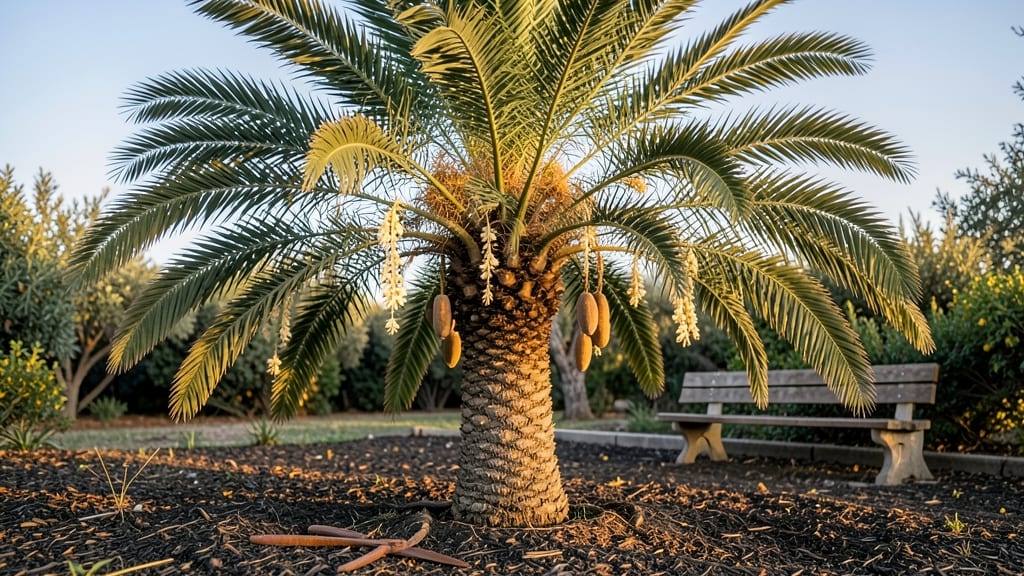
Growing a date palm tree in the Pacific Northwest isn’t just possible—it’s a rewarding challenge that turns your yard into a taste of desert oases. 🌵 I’ve watched mine survive winters down to 15°F with the right pruning and care, proving these palms are tougher than their tropical reputation.
The key isn’t coddling them but understanding their resilience when temperatures drop.
Start with the right variety like Phoenix canariensis or Phoenix dactylifera—both handle cooler climates better than most. Plant in well-draining soil with a slightly acidic pH (6.0-7.0) and give them full sun (at least 6 hours daily).
Water deeply but infrequently—these palms hate soggy roots, so let the top 6 inches dry out between waterings. Mulch heavily in winter to protect roots from freezing.
Pruning isn’t just about aesthetics—it’s survival. Remove dead fronds (brown, dry leaves) year-round, but in winter, trim back any damaged or weak fronds to redirect energy to the trunk. This keeps the palm upright and healthy even when frost threatens.
With proper care, your palm will reward you with sweet, edible dates (if you’re patient enough) and a striking focal point in your landscape.
For indoor growers, keep your palm near a south-facing window or under grow lights for 12+ hours daily. Rotate the pot monthly so it grows evenly—nothing ruins the look like a lopsided palm.
Whether outdoors or in, these palms thrive on neglect-proof care once established. Start small, and you’ll have a lifelong desert survivor in your space.
📚 In This Guide
- What you need
- Instructions
- Tips and common mistakes
- Wrapping up and next steps
What you need
- ● Pruning shears: Bypass pruners (sharp, sterilized) for clean cuts—2 pairs (one for small branches, one for thicker stems).
- ● Loppers: 1 pair (18–24” reach) for mid-sized branches (avoid dull blades!).
- ● Pruning saw: 1 (bow or folding saw) for thick fronds/stems (3–5” blade).
- ● Gloves: Heavy-duty 2 pairs (gardening gloves + cut-resistant for thorns).
- ● Disinfectant: 70% isopropyl alcohol or 1 bottle of horticultural spray (to prevent disease).
- ● Tar or pruning sealant: 1 small tub (for sealing cuts > ½” thick).
- ● Heavy-duty trash bags: 3–5 (30-gallon size) for debris disposal.
- ● Ladder: 1 (extendable, 12–16 ft) with non-slip feet.
- ● Work boots: 1 pair with ankle support (thorns are no joke!).
- ● Burlap or frost cloth: 1 roll (for wrapping trunks in winter).
- ● Mulch: 5–10 bags of straw or wood chips (3–4” layer around base).
- ● Thermometer: 1 (soil + air probe) to monitor winter temps (critical for PNW!).
- ● Drip irrigation kit: 1 (for consistent moisture in dry winters).
- ● Hedge shears: For shaping fronds (if you’re really ambitious).
- ● Knee pads: For long pruning sessions (your knees will thank you!).
- ● Safety goggles: 1 pair (sap + debris = messy!).
- ● Portable power washer: To clean tools post-pruning (if you’re extra tidy).
Step-by-step guide for pruning cold-hardy date palms in the Pacific Northwest
Here's how to keep your date palms thriving through PNW winters—no fancy tools needed.
🌿 Step 1: Identify and Prepare for Winter Pruning
Start by examining your palm for cold damage—look for brown, crispy fronds or blackened tips after frost. These are dead and should be removed immediately to prevent disease. I always prune late winter to early spring (February-March) when new growth is just starting but before buds fully swell.
Gather your supplies: sharp pruning shears, rubbing alcohol (to sterilize tools), thick gardening gloves, and a bucket of water. The PNW's damp climate means pruning wounds can rot quickly if not handled carefully. I sterilize my shears between cuts by wiping them with rubbing alcohol—this prevents fungal spores from spreading.
✂️ Step 2: Remove Dead and Damaged Fronds
Cut dead fronds at the base where they meet the trunk, making a clean 45-degree angle to shed water. Avoid leaving stubs—they trap moisture and invite rot. For partially damaged fronds, remove only the brown sections, leaving healthy green tissue intact. You'll know you're doing it right when the cut surface looks smooth and the remaining frond still has vibrant green areas.
Work your way around the palm, removing no more than 1/3 of the fronds in a single session. Over-pruning stresses the plant and exposes the growing tip to cold. If your palm has multiple dead fronds clustered, remove them all at once to restore balance. I like to step back every few cuts to check the palm's silhouette—it should look symmetrical and open to sunlight.
☀️ Step 3: Protect the Growing Tip and Trunk
The growing tip (the central bud at the top of the palm) is the most vulnerable to cold. If your palm is young or in a microclimate with harsh frosts, wrap the growing tip with burlap or frost cloth secured with twine. Leave it in place until mid-April, when nighttime temperatures consistently stay above 32°F.
For the trunk, apply a thick layer of mulch (3-4 inches) around the base, extending 2 feet outward. Use straw or wood chips—they insulate roots while allowing moisture to penetrate. Avoid plastic or dense mulches, which trap cold. I also paint young trunks with white latex paint in late fall to reflect sunlight and add a few degrees of warmth during cold snaps.
💧 Step 4: Post-Pruning Care for Recovery
Water deeply after pruning to help the palm recover, but avoid overwatering—soggy soil in winter slows healing. I check soil moisture by sticking my finger 2 inches deep; if it's dry, water until it's moist but not saturated. Fertilize only in spring (March-April) with a balanced palm fertilizer (6-6-6 ratio). Cold-hardy palms need less food in winter—they're focused on survival, not growth.
Monitor for new frond emergence, which signals successful pruning. If your palm produces no new growth by May, it may need additional winter protection next year. I keep an eye out for yellowing fronds in spring—a sign of over-fertilization or root stress. Adjust care accordingly: reduce fertilizer or improve drainage if needed.
Tips & tricks for pruning cold-hardy date palms
Here's what nobody tells you about keeping your palms healthy through PNW winters—these tricks make all the difference.
Timing is Everything: The February-March window is critical because that's when your palm starts its growth cycle but hasn't yet committed to new fronds. Pruning too early (January) risks exposing the growing tip to late frosts, while waiting until April may stress the plant as it prepares for summer. I've seen palms struggle when pruned outside this window—watch for new growth emerging at the base before you start.
Cutting Technique Matters: That 45-degree angle isn't just for looks—it's a water-shedding design that prevents moisture from pooling in the wound. Use your pruning shears to make a clean cut that extends slightly beyond the base of the frond. For stubborn fronds, I find gently twisting while cutting helps prevent tearing. Remember, rough cuts invite disease, especially in our damp climate.
Protective Layering: When applying mulch in Step 3, think of it as a winter blanket for your palm's roots. The 3-4 inch thickness creates an insulating layer that maintains soil temperature above freezing. For extra protection in microclimates with harsh frosts, I've had success adding a layer of bubble wrap around the trunk before applying mulch—it creates an air pocket that adds insulation without trapping moisture.
Spring Monitoring: The absence of new fronds by May is your warning sign, not just a suggestion. If you don't see new growth, it means either the pruning was too aggressive or the winter protection wasn't sufficient. This is when I pull out my soil thermometer to check root zone temperatures—if they've been below 40°F for extended periods, that's likely the culprit. Adjust next year's protection accordingly.
Pro Tips for Date Palm Tree
- Here's what nobody tells you about keeping your palms healthy through PNW winters—these tricks make all the difference.
- Timing is Everything: The February-March window is critical because that's when your palm starts its growth cycle but hasn't yet committed to new fronds.
- Cutting Technique Matters: That 45-degree angle isn't just for looks—it's a water-shedding design that prevents moisture from pooling in the wound.
Frequently asked questions
Got questions about growing and pruning date palm trees in the Pacific Northwest? You’re not alone! Here are some of the most common concerns—and their answers—to help you keep your palm thriving in cooler climates.
Can date palm trees survive winter in the Pacific Northwest?
Yes, but with care! Cold-hardy varieties like Phoenix canariensis (Canary Island date palm) can tolerate brief dips to 15°F (-9°C). For extra protection, wrap the trunk with burlap, mulch heavily, and avoid overhead watering before frost. Young palms are more vulnerable—consider moving potted trees indoors during harsh winters.
When is the best time to prune a date palm tree?
Prune in late winter or early spring (before new growth starts) to avoid stressing the tree. Remove dead fronds, seed stalks, and any fronds rubbing against the trunk. Never prune more than 1/3 of the fronds at once—this can weaken the palm. In milder PNW winters, you can prune lightly after frost threats pass.
How do I protect a date palm from frost damage?
Start with mulching (6–8 inches of wood chips or straw) around the base. Cover the crown with burlap or frost cloth and secure it with ropes. For potted palms, move them to a sheltered spot (like a garage) or insulate the pot with bubble wrap. Water deeply before frost to help the roots absorb moisture and reduce cold stress.
What should I do if my date palm’s fronds turn brown?
Brown fronds are usually dead or dying—prune them off at the base to prevent pests or disease. If browning happens suddenly (not just the oldest fronds), check for overwatering, nutrient deficiency, or cold damage. Adjust care: water only when the top 2–3 inches of soil are dry, and fertilize with a palm-specific mix in early spring.
Are there cold-hardy alternatives to traditional date palms?
If you love the look but need tougher options, try:
- Mediterranean Fan Palm (Chamaerops humilis) – Tolerates 5°F (-15°C) and thrives in containers.
- Needle Palm (Rhapidophyllum hystrix) – Survives 0°F (-18°C) and stays compact.
- Dwarf Palmetto (Sabal minor) – Handles 10°F (-12°C) and grows slowly.
Wrapping up and next steps
Growing a date palm tree in the Pacific Northwest is absolutely doable with the right care—and your patience will be rewarded with a stunning, cold-hardy centerpiece! 🌵 By mastering pruning techniques, selecting the right varieties, and providing seasonal protection, you’ll help your palm thrive even in cooler climates.
Remember, consistency is key: monitor your tree’s health, adjust strategies as needed, and don’t hesitate to consult local experts for tailored advice.
Ready to take the next step? Start small—whether it’s pruning a single frond or protecting your palm during the first frost. Every action brings you closer to a lush, resilient date palm that’ll be the envy of your neighborhood! 🌟