
Pests
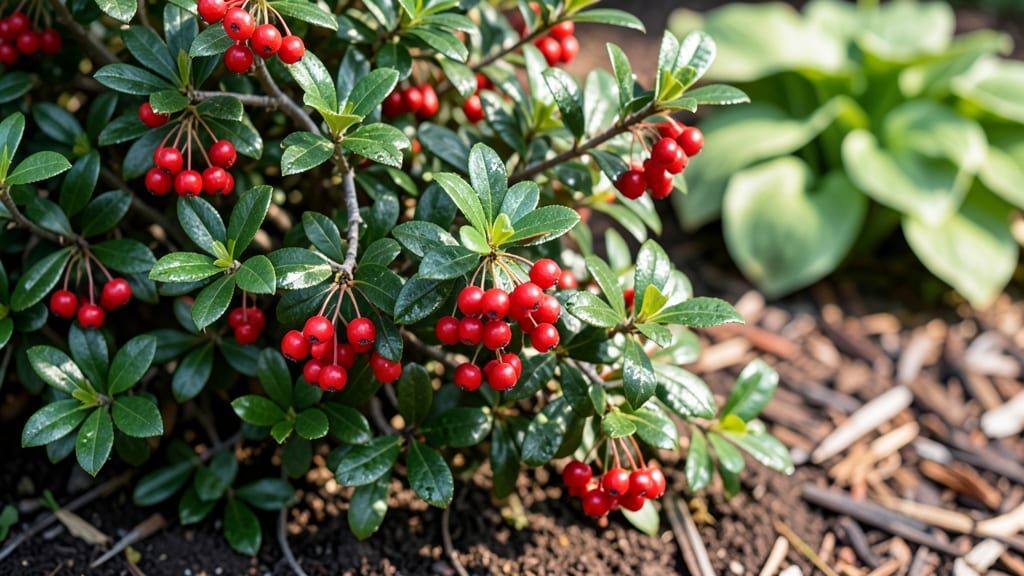
Deer-resistant trees and shrubs saved my backyard from becoming a buffet last fall. 🌿 After losing three azaleas in a single night, I swapped them for tougher native species that deer simply ignore.
The right plants don’t just survive—they thrive while acting as natural barriers that keep browsing deer at bay.
Think beyond just "deer-proof" foliage—some plants like oak trees and Russian olive actually improve with age, developing bitter compounds deer avoid. Boxwoods and serviceberry shrubs offer year-round structure while their dense growth makes climbing difficult. These plants work in hedges, borders, or as focal points, blending beauty with function.
You’ll create a landscape that stays lush without constant deer damage. Imagine fragrant serviceberries in spring, glossy boxwood hedges all year, and towering oaks providing shade while keeping deer moving on. The key is layering plants with different textures and aromas—deer find them unappealing but humans find them irresistible.
Best of all, these plants adapt to most U.S. climates. Native varieties need less maintenance while still delivering that "wow" factor. Let’s design a deer-proof haven that still feels like a garden, not a fortress.
📚 In This Guide
- What you need
- Instructions
- Tips and common mistakes
- Wrapping up and next steps
What you need
- ● Deer-resistant plants: 5–10 young trees (e.g., Oak, Red Maple, or Serviceberry)
- ● 15–20 shrubs (e.g., Boxwood, Holly, or Butterfly Bush)
- ● Planting supplies: 1–2 5-gallon containers or bare-root plants
- ● 1 shovel or digging spade (for planting holes)
- ● 1 garden trowel (for delicate root handling)
- ● 1 wheelbarrow (for transporting soil and plants)
- ● Soil & amendments: 5–10 50-lb bags of compost (to enrich planting soil)
- ● 1 garden hose or watering can (for hydration)
- ● Protective gear: 1 pair gardening gloves (for comfort and safety)
- ● 1 sun hat or cap (if working in direct sunlight)
- ● 1 deer repellent spray (for extra protection during establishment)
- ● 1 mulch (pine straw or shredded bark) (to retain moisture and deter deer)
- ● 1 soil pH tester (to ensure optimal growing conditions)
- ● 1 plant marker stakes (to label and organize your new greenery)
How to select and plant deer-resistant trees and shrubs
Here’s my go-to approach for choosing and establishing plants that deer will ignore.
🌱 Step 1: Choose the Right Deer-Resistant Species
Start with plants known for their natural resistance to deer browsing. Favorites like Oakleaf Hydrangea, Boxwood, Japanese Maple, Russian Olive, and Ninebark rarely get nibbled. I always check the mature size—3-6 feet for shrubs, 15-25 feet for trees—to ensure they fit your space.
Look for plants with fuzzy or waxy leaves, strong fragrances, or bitter-tasting foliage—deer avoid these. Avoid tender new growth like Dogwood or Rhododendron, which deer love. I also prefer evergreens like Juniper or Arborvitae because deer rarely browse them year-round.
☀️ Step 2: Plant in the Best Locations for Protection
Deer are less likely to graze in sunny, open areas where they feel exposed. Plant your selections in full sun to partial shade (6+ hours of light daily) and avoid dense thickets where deer hide. I also place them near windbreaks or fences—deer avoid areas with strong airflow.
Group plants in clusters of 3-5 to create a natural barrier. Deer are less likely to snack on a thicket than isolated plants. For extra protection, add thorny plants like Hawthorn or Barberry around the perimeter—deer avoid thorns like the plague.
💧 Step 3: Water and Mulch Properly After Planting
Water deeply once a week for the first 30 days to help roots establish. Use 1-2 gallons per plant for shrubs and 3-5 gallons for trees. I always water in the early morning to reduce evaporation and fungal risks.
Apply 2-3 inches of mulch (like pine straw or wood chips) around the base, keeping it 3 inches away from the trunk to prevent rot. Mulch conserves moisture and deters deer by making the area less inviting. Replenish mulch annually to maintain protection.
✂️ Step 4: Prune and Maintain for Long-Term Resistance
Prune in late winter or early spring before new growth appears. Remove any dead, damaged, or crossing branches to keep plants healthy and less appealing. I also thin out dense areas to improve airflow, which deters deer.
Fertilize lightly in early spring with a balanced, slow-release fertilizer (10-10-10). Over-fertilizing can make plants softer and more attractive to deer. I avoid high-nitrogen fertilizers—they encourage tender, fast growth that deer love.
🪴 Step 5: Add Natural Deer Deterrents
Plant deer-repelling companions like Lavender, Russian Sage, or Catmint nearby—their strong scents confuse deer. I also sprinkle deer-repellent granules (like rotten egg or garlic-based) around the base of plants. Deer avoid the smell, and it lasts 4-6 weeks per application.
Install motion-activated sprinklers or fencing (8 feet tall) if deer are persistent. Even a simple 4-foot fence can deter them from returning. I’ve found that combining plants with physical barriers works best—deer give up quickly when they can’t reach the foliage.
Tips & tricks for perfect deer-resistant landscaping
These practical insights will help you create a garden that deer will skip over—no matter how persistent they get.
Leaf Texture Matters: Deer avoid plants with fuzzy or waxy leaves because they’re harder to digest. When selecting your Oakleaf Hydrangea or Boxwood, run your fingers over the leaves—if they feel rough or slightly sticky, that’s a good sign. I’ve noticed deer completely ignore Russian Olive with its silvery, fuzzy foliage, even when other plants nearby get munched. This texture trick works especially well for shrubs in clusters of 3-5 as mentioned in Step 2.
Sunlight Strategy: Deer are less likely to browse in open, sunny areas where they feel exposed. If your yard has shady spots where deer hide, consider adding Japanese Maple or Ninebark—both tolerate partial shade but still deter deer. I planted Arborvitae along my north-facing fence line, and it’s remained untouched for years. The key is positioning these plants near windbreaks or fences where deer feel vulnerable.
Mulch as a Deterrent: That 2-3 inches of mulch you apply isn’t just for moisture—it’s a psychological barrier for deer. I’ve seen them sniff around mulched areas before giving up and moving on. Use pine straw or wood chips and keep it 3 inches away from the trunk to prevent rot while maintaining that protective layer. The mulch creates a less inviting environment that deer instinctively avoid.
Fertilizer Finesse: When fertilizing in early spring, stick with a balanced, slow-release fertilizer (10-10-10)—high-nitrogen fertilizers make plants tender and more appealing to deer. I learned this the hard way when my Boxwood hedge got heavily browsed after I used a fast-release fertilizer. The plants grew too quickly, becoming deer magnets. Slow-release fertilizers keep growth steady while maintaining that deer-resistant toughness.
Pro Tips for Deer Resistant Trees And Shrubs
- These practical insights will help you create a garden that deer will skip over—no matter how persistent they get.
- Leaf Texture Matters: Deer avoid plants with fuzzy or waxy leaves because they’re harder to digest.
- Sunlight Strategy: Deer are less likely to browse in open, sunny areas where they feel exposed.
Frequently asked questions
Got questions about keeping deer from turning your yard into their salad bar? You’re not alone! Here are answers to the most common concerns about deer-resistant trees and shrubs—so you can enjoy your green space without the nibbles.
What’s the most deer-resistant tree I can plant?
Top picks include Oak, Crabapple, Red Maple, and Hornbeam. While no plant is 100% deer-proof, these toughies are less appealing due to texture, scent, or toxicity. Pair them with deer repellents for extra protection!
When’s the best time to plant deer-resistant shrubs?
Spring or fall are ideal—cooler temps and moist soil help roots establish before deer get hungry. Avoid late summer/early fall when deer browse is at its peak. Pro tip: Plant in clusters to deter grazing and use mulch to hide young plants.
Will deer still eat my “resistant” plants if they’re desperate?
In harsh winters or droughts, deer will munch anything. Layer defenses: Fencing (8+ feet tall), repellents (like Rotten Egg spray), or companion plants (e.g., Marigolds) to mask scents. Troubleshoot: Add motion-activated sprinklers if damage persists.
Are there deer-resistant alternatives to my favorite plants?
Yes! Swap out Hostas (deer magnets) for Hellebores or Lavender. Replace Rhododendrons with Boxwood or Dwarf Lilac. Check the USDA’s deer resistance ratings for your region—local nurseries can help too!
What do I do if deer are already eating my plants?
Act fast! Physical barriers (like wire mesh) work best. Spray plants with deer repellent (reapply after rain). For severe damage, consider plant guards (e.g., Tree Shelters) until roots strengthen. Warning: Avoid chemical deterrents—they can harm pets!
Wrapping up and next steps
Transforming your landscape into a deer-resistant oasis is totally doable—and it doesn’t have to mean sacrificing beauty! 🌿 From sturdy oak trees to fragrant lavender shrubs, the right plants can keep your garden thriving while warding off unwanted visitors. Start small: pick 1-2 deer-resistant varieties, test them in your space, and expand as you see what works best.
Ready to take the next step? Sketch a quick layout of your garden, note sun exposure, and browse our top picks to curate your dream deer-proof haven. Happy planting—your future garden (and deer) will thank you! 🌱