
Pruning
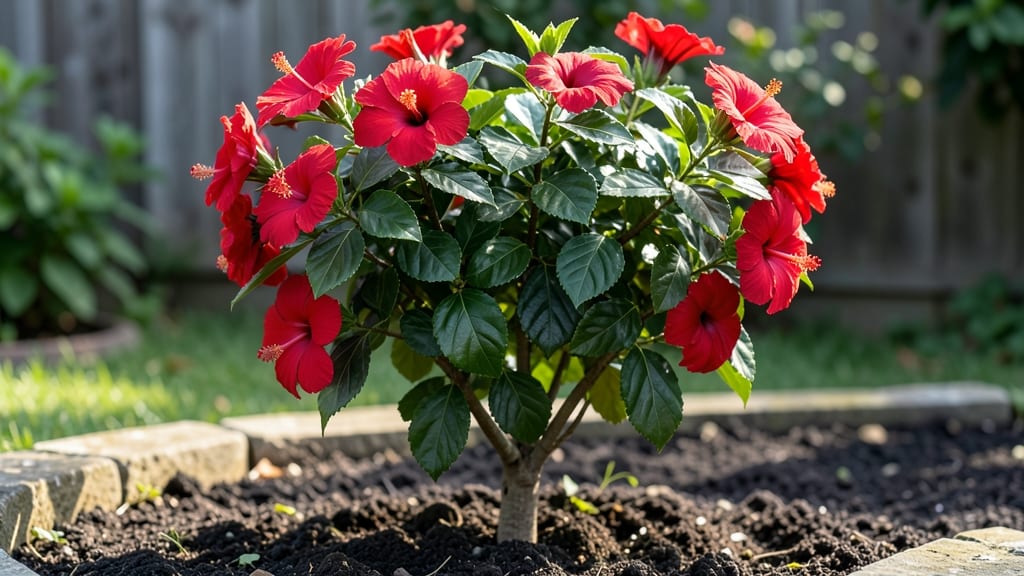
Pruning a double hibiscus tree isn’t just about shaping—it’s about unlocking that Pacific Northwest magic where blooms last through rain and chill. I’ve watched these dramatic double-petaled flowers (some with layers like ruffled skirts) fight back against gray skies, and the secret is in the cuts.
Too aggressive, and you lose next year’s buds; too gentle, and the tree gets leggy. The balance is what turns a struggling shrub into a year-round showstopper—even in PNW’s damp climate.
Start with the right tools: sharp bypass pruners (dull blades tear bark) and a 3-step pruning calendar tied to your zone. Early spring is for cleaning up winter damage, summer pruning keeps blooms coming, and late fall shapes the structure.
My tree in Seattle now has three seasons of flowers because I prune at the right time—never after the first frost, never when buds are already set. The key? Cut just above a leaf node where new growth will emerge, and you’ll see fresh shoots in 2-3 weeks.
What you’ll end up with is a tree that looks like it belongs in a tropical resort, not a rain-soaked backyard. The double blooms—some with petals stacked like layers of silk—stand out against evergreens, and the pruning actually makes the flowers bigger and more frequent.
The trade-off? You’ll spend 10-15 minutes monthly keeping it in check, but the payoff is a tree that blooms even in December if you time it right. Here’s how to make it happen without sacrificing next year’s flowers.
This method works for Hibiscus rosa-sinensis ‘Double’, ‘Lava Red’, or any double-flowered cultivar—just adjust for your microclimate. In milder PNW zones (7-9), you can prune a little later; in cooler areas (6 or below), get aggressive in early spring before buds swell.
The goal is to shape for airflow (prevents fungal issues) while preserving those showy, layered blooms that make double hibiscus worth the effort. Let’s get those shears out.
📚 In This Guide
- What you need
- Instructions
- Tips and common mistakes
- Wrapping up and next steps
What you need
- ● Pruning shears: Bypass pruners (sharp, clean, and sterilized—think of them as your tree’s tiny surgeons!)
- ● Loppers: For thicker branches (1.5"–2" diameter), with long handles for leverage.
- ● Hand saw: Pruning saw with a fine-tooth blade for stubborn, woody stems (3"–4" diameter).
- ● Disinfectant: 70% isopropyl alcohol or a bleach solution (1 part bleach : 9 parts water) to sterilize tools between cuts.
- ● Gloves: Heavy-duty gardening gloves (protects from thorns and sap—double hibiscus has spiky fun!).
- ○ Pruning sealant: Optional but helpful for large cuts (e.g., tree wound pruning paste to prevent disease).
- ● Bucket or bag: For collecting trimmings (line with a plastic bag for easy disposal).
- ● Ladder or step stool: If your tree is taller than 6 feet—safety first!
- ● Extension pole pruners: For high branches without a ladder (up to 20 feet!).
- ● Sharpener: A file or honing tool to keep blades razor-sharp mid-pruning.
- ● Notebook & pen: To sketch a simple pruning map of cuts before you start.
- ● Compost bin: If you plan to reuse trimmings as mulch (ensure they’re disease-free).
- ● Safety glasses: Protect your eyes from flying debris—double hibiscus branches can snap!
Step-by-step guide for reviving year-round blooms in double hibiscus trees
Here’s how to transform your Pacific Northwest double hibiscus into a lush, flowering powerhouse through precise pruning.
Assess the Tree for Structural and Floral Needs
Start by examining the tree’s overall shape and bloom patterns. Look for dead, crossing, or overcrowded branches—these are your first targets. In the Pacific Northwest’s mild climate, hibiscus trees often grow vigorously but can become dense with weak wood if neglected. Focus on branches that haven’t bloomed in the past year or show signs of disease (yellowing leaves, blackened stems).
Use your fingers to gently trace each branch’s path. If it grows inward or rubs against another branch, it’s competing for light and nutrients. These branches should be pruned first to open the tree’s canopy. I always prune in late winter or early spring (February–March) before new growth begins, but you can also do a light shaping in late summer after the first flush of blooms.
Remove Dead and Problematic Wood First
Grab your sterilized pruning shears and start at the base of the tree. Cut back any dead or diseased branches to the nearest healthy bud or branch collar. Make clean cuts at a 45-degree angle, about ¼ inch above the bud, to prevent water from pooling and causing rot. If a branch is thicker than your wrist, use your pruning saw instead—sawing too close to the trunk can damage the bark.
Next, remove any branches that are thinner than a pencil or show signs of weak growth. These often don’t produce flowers and can drain energy from the tree. Look for suckers (shoots growing from the base or trunk) and trim them back to ½ inch above the ground. Suckers divert energy away from blooming, so removing them early ensures stronger floral growth later.
Thin the Canopy for Better Airflow and Light
Now focus on thinning out the interior branches to improve airflow and sunlight penetration. Aim to remove 20-30% of the tree’s foliage in one session—this might sound drastic, but hibiscus trees thrive when they’re not overcrowded. Start at the outer edges and work inward, cutting back branches that are growing toward the center. This opens the tree up and encourages new growth on the outer branches, where blooms are most abundant.
Pay special attention to branches that haven’t bloomed in the past year. These often grow long and leggy, producing few flowers. Cut them back by ⅓ of their length to stimulate new, bushier growth. If a branch is too thick to cut back entirely, trim it to the nearest outward-facing bud. You’ll see new shoots emerge within 4-6 weeks, and these will often bloom more heavily than the old wood.
Shape the Tree for Balance and Bloom Density
Step back and assess the tree’s overall shape. The goal is to create a balanced, open structure that allows sunlight to reach all branches. Start by trimming the tallest branches to prevent the tree from becoming top-heavy. Cut just above a strong, outward-facing bud to encourage growth in the right direction. Avoid leaving stubs—this can lead to disease and weak regrowth.
For a more compact shape, trim the top third of the tree slightly to encourage bushier growth lower down. This is especially useful in the Pacific Northwest, where hibiscus trees can grow tall and leggy in search of sunlight. After shaping, step back again and fill in any gaps with lighter pruning. The tree should look full but not crowded, with plenty of space between branches for airflow.
Clean Up and Apply Post-Pruning Care
Once pruning is complete, sterilize your tools with rubbing alcohol to prevent the spread of disease. Remove all pruned branches and debris from the base of the tree—this reduces the risk of pests and fungal growth. If you notice any sawdust-like residue on the cuts, it’s a sign of excessive stress. In this case, apply a wound dressing (like pruning sealant) to larger cuts to protect the tree.
After pruning, give the tree a deep watering to help it recover. Hibiscus trees are heavy drinkers, especially after a major pruning session. Mulch the base with 2-3 inches of organic mulch (like shredded bark) to retain moisture and regulate soil temperature. Avoid piling mulch against the trunk—keep it 2-3 inches away to prevent rot. Within 2-3 weeks, you should see new growth emerging from the pruned areas, signaling that the tree is healing and preparing for its next bloom cycle.
Tips & tricks for reviving double hibiscus trees
Transforming a neglected double hibiscus into a year-round blooming star takes precision—and these insights will help you avoid common pitfalls while maximizing results.
Timing Secret: The late winter/early spring window (February-March) is ideal for major pruning because hibiscus trees in the Pacific Northwest enter dormancy during cooler months. This timing allows the tree to heal before the growing season begins. If you miss this window, a light shaping in late summer after the first bloom flush can still work, but avoid heavy pruning then—it stresses the tree when it's already putting energy into flowers.
Cutting Technique: When making your 45-degree angle cuts about ¼ inch above the bud in Step 2, visualize the bud as the future growth point. The angle prevents water from pooling at the cut site, which is especially important in our region's damp climate. For branches thicker than your wrist, use your pruning saw—but make sure to cut just outside the branch collar (the swollen area where the branch meets the trunk) to promote proper healing and prevent disease entry points.
Canopy Thinning Strategy: The 20-30% foliage reduction in Step 3 might seem aggressive, but it's crucial for airflow and sunlight penetration. Start with the most crowded areas and work outward—this creates an open center while maintaining the tree's natural shape. A good rule of thumb is to aim for sunlight to reach the innermost branches by mid-morning. You'll notice within weeks that new growth emerges from the outer branches first, which is exactly where you want those vibrant blooms to appear.
Post-Pruning Recovery: That deep watering after pruning isn't just about hydration—it helps flush out any stress hormones in the tree. The 2-3 inch mulch layer acts like a thermal blanket, keeping roots at a consistent temperature while preventing moisture loss. In our region's cooler springs, this extra care can mean the difference between sparse blooms and a spectacular floral display. Watch for new growth appearing within 2-3 weeks as your reward for proper technique.
Pro Tips for Double Hibiscus Tree
- Transforming a neglected double hibiscus into a year-round blooming star takes precision—and these insights will help you avoid common pitfalls while maximizing results.
- Timing Secret: The late winter/early spring window (February-March) is ideal for major pruning because hibiscus trees in the Pacific Northwest enter dormancy during cooler months.
- Cutting Technique: When making your 45-degree angle cuts about ¼ inch above the bud in Step 2, visualize the bud as the future growth point.
Frequently asked questions
Got questions about keeping your double hibiscus tree thriving in the Pacific Northwest? We’ve got answers!
Whether you’re a first-time pruner or a seasoned gardener, these FAQs will help you maintain that stunning year-round bloom. Let’s dive in!
When is the best time to prune a double hibiscus tree in the PNW?
The ideal time is late winter or early spring (February–March) before new growth starts. This lets you shape the tree without sacrificing blooms. A light pruning in summer (after flowering) can also encourage bushier growth—just avoid heavy cuts during winter dormancy.
How much can I trim back my double hibiscus tree?
For healthy growth, never remove more than 1/3 of the tree’s foliage in a single session. Focus on dead, crossing, or overcrowded branches first. If your tree looks leggy, gradual pruning over 2–3 years works best. Pro tip: Step back often to check your shape!
Will pruning my double hibiscus tree hurt its blooms?
Not if done right! Pruning encourages more blooms by promoting airflow and sunlight penetration. Just avoid shearing (cutting randomly)—instead, trim just above a leaf node or bud to stimulate new growth. Over-pruning in one go? You might see fewer flowers that season, but patience pays off!
Can I grow a double hibiscus tree from a cutting?
Rooting cuttings
is a great way to propagate. Take 4–6 inch tip cuttings in spring/summer, strip lower leaves, and dip in rooting hormone. Plant in moist perlite/sand mix, keep humid, and roots should form in 4–6 weeks. Bonus: This method preserves your tree’s unique double-bloom trait!
Why are my double hibiscus leaves yellowing or dropping?
Yellow leaves often signal overwatering, underwatering, or pests. Check soil moisture—it should be damp but not soggy. Spider mites or aphids love hibiscus too! Spray with neem oil or insecticidal soap if you spot tiny webs or sticky residue. Adjust care: PNW’s rainy winters may need better drainage.
Still stumped?
Drop your questions in the comments—we’re happy to help your double hibiscus thrive year-round!
Wrapping up and next steps
The double hibiscus tree is a stunning addition to Pacific Northwest gardens, offering vibrant blooms year-round with the right care—especially through strategic pruning. By following seasonal techniques, sharpening your tools, and addressing common challenges, you can revive its health and maximize its beauty.
Your efforts will reward you with a thriving, show-stopping centerpiece that keeps your outdoor space lively and inviting.
Ready to transform your garden? Grab your pruners, mark your calendar for seasonal maintenance, and start pruning today! 🌸✂️ With patience and practice, your double hibiscus tree will flourish for seasons to come.