Pruning
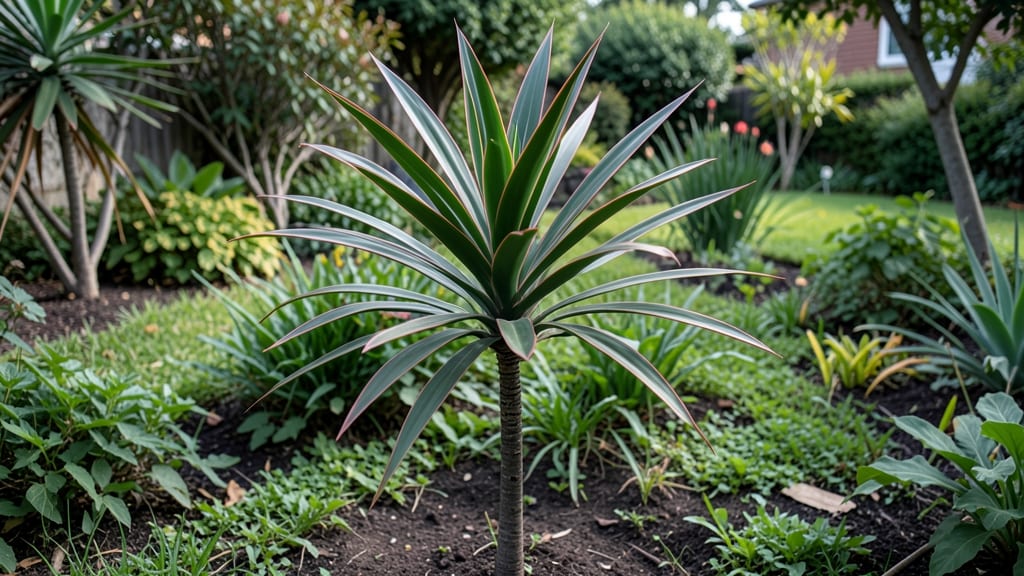
Growing a dragon tree sprout from a cutting is one of those gardening wins that feels like magic—no fancy equipment, just a few simple steps and patience. I’ve rooted my share of cuttings, and this particular plant always surprises me with how forgiving it is.
The key is understanding its natural rhythm: slow growth, minimal fuss, and that signature arching form taking shape over time.
You’ll need just three things: a healthy cutting with at least one leaf node, a small pot with drainage, and a mix of potting soil and perlite to keep roots happy.
The real trick is patience—these cuttings take 4-6 weeks to root, but once they do, the dragon tree thrives with almost no pruning. Even my black thumb can’t kill one of these.
What you end up with is a lush, upright plant that purifies the air and adds drama to any corner. The leaves stay glossy and vibrant year-round, and the minimal pruning keeps it looking sharp without constant upkeep.
By the time you’re done, you’ll have a plant that grows steadily, requires almost no attention, and becomes the quiet star of your indoor jungle.
Works perfectly for beginners, small spaces, or anyone tired of high-maintenance plants. Let’s get that cutting rooted—it’s easier than you think.
📚 In This Guide
- What you need
- Instructions
- Tips and common mistakes
- Wrapping up and next steps
What you need
- ● Pruning shears or sharp scissors: Sterilized to prevent disease (alcohol wipe recommended).
- ● Dragon Tree cutting: A healthy, 4–6 inch stem with at least one or two nodes (where leaves grow).
- ○ Rooting hormone (optional but helpful): A gel or powder to boost root growth.
- ● Well-draining potting mix: Cactus or succulent soil works best (or mix regular potting soil with perlite for aeration).
- ● Small pots or containers: 3–4 inches in diameter with drainage holes (yogurt cups or nursery pots work!).
- ● Watering can or spray bottle: For gentle hydration.
- ● Hydrogen peroxide (3% solution): To sterilize cuts and prevent rot.
- ○ Plastic wrap or clear bag: For creating a humidity dome (optional but speeds up rooting).
- ● Grow lights or bright indirect sunlight: A sunny windowsill or LED grow bulb works well.
- ● Twine or toothpicks: To secure cuttings if needed (for stability).
- ● Labels and markers: To track your sprouts’ progress!
How to grow a dragon tree sprout with minimal pruning
Here’s how to coax vibrant new growth from your dragon tree without heavy-handed pruning.
Choose a Healthy, Mature Dragon Tree
Look for a dragon tree (Dracaena marginata) with at least 3-4 feet of height and multiple sturdy stems. The best candidates have thick, upright canes—these store energy for new sprouts. Avoid plants with yellowing leaves or mushy stems, as they’re stressed and won’t recover well.
I always check the base of the plant for dormant buds—small bumps or swollen nodes along the stem. These are your growth points. If your plant lacks obvious buds, don’t worry; healthy canes will produce new shoots over time with the right care.
Prune at the Right Time for Maximum Growth
Prune in early spring (March-April) when the plant is entering its active growth phase. This timing ensures the plant has 6-8 weeks of warm weather to recover and produce new shoots before dormancy. Avoid pruning in fall or winter, as the plant conserves energy and may not sprout until the next growing season.
Use clean, sharp pruning shears to cut just above a node (the bump where leaves attach). I like to make the cut at a 45-degree angle to prevent water from pooling on the wound. Never prune more than one-third of the plant’s height at once—this stresses the dragon tree and slows recovery.
Encourage Sprouting With Proper Light and Water
After pruning, place the plant in bright, indirect light—think east or west-facing windows or 6 feet from a south window. Direct sunlight scorches the leaves, while low light stunts new growth. You’ll see new shoots emerge within 4-6 weeks if conditions are right.
Water deeply but infrequently—only when the top 2 inches of soil feel dry. Overwatering causes root rot, which kills the plant before it can sprout. I use room-temperature water to avoid shocking the roots. Mist the leaves occasionally to maintain humidity, especially in dry climates.
Support New Growth With Fertilizer and Patience
Once new shoots appear, feed the plant with a balanced liquid fertilizer (10-10-10) diluted to half strength every 4-6 weeks. This provides steady nutrients without overwhelming the roots. I skip fertilizer in winter, as the plant grows slowly and doesn’t need extra inputs.
Watch for leggy growth—long, weak stems with sparse leaves. This happens when the plant stretches toward light. If you notice this, move the plant closer to the light source or rotate it weekly so all sides get even exposure. Strong new shoots should have thick stems and vibrant green leaves within 2-3 months.
Maintain Year-Round Growth With Smart Pruning
To keep your dragon tree producing new sprouts, prune lightly every 6-8 months instead of waiting for major overgrowth. Remove only the topmost 2-3 inches of the tallest stems to encourage branching. This mimics natural growth patterns and prevents the plant from becoming too leggy.
Here’s the thing—dragon trees are slow growers. Don’t expect rapid results. If a shoot doesn’t appear after 8-10 weeks, check for pests (like spider mites) or root rot (smelly, mushy soil). Adjust care accordingly, and keep going. With consistent light, water, and patience, your dragon tree will reward you with year-round, low-maintenance growth.
Tips & tricks for perfect dragon tree sprouting
Real talk: Dragon trees don’t rush growth, but these tricks will help you coax the most vibrant sprouts possible without overdoing it.
Pruning Precision: In Step 2, when you're cutting just above a node, focus on making the cut clean and sharp. A jagged edge can invite disease, and a cut too far from the node might miss the growth point entirely. I’ve found that using a small mirror to check for dormant buds before pruning saves time—you’ll spot the perfect spots to encourage new shoots.
Light Strategy: The bright, indirect light mentioned in Step 3 is crucial, but here’s what nobody tells you—rotate your plant every 2-3 weeks. This prevents the plant from leaning toward one light source, which can cause uneven growth. A simple quarter-turn keeps all sides evenly exposed, leading to bushier, more balanced sprouting.
Fertilizer Timing: The 4-6 week fertilizer schedule in Step 4 works, but I’ve noticed better results when I fertilize right after pruning in spring. This gives the plant a nutrient boost as it starts its growth cycle. Just remember to flush the soil with water every 3 months to prevent salt buildup from fertilizers.
Patience Payoff: That 8-10 week waiting period in Step 5 can feel long, but here’s the thing—healthy dragon trees often produce multiple shoots within that time. If you see just one tiny sprout after 6 weeks, don’t panic. Sometimes the second or third sprout takes a little longer to emerge, but they’ll come with consistent care.
Pro Tips for Dragon Tree Sprout
- Real talk: Dragon trees don’t rush growth, but these tricks will help you coax the most vibrant sprouts possible without overdoing it.
- Pruning Precision: In Step 2, when you're cutting just above a node, focus on making the cut clean and sharp.
- Light Strategy: The bright, indirect light mentioned in Step 3 is crucial, but here’s what nobody tells you—rotate your plant every 2-3 weeks.
Frequently asked questions
How often should I prune a dragon tree sprout to encourage new growth?
A dragon tree sprout thrives with light, infrequent pruning—think once every 1–2 years or when leggy growth appears. Trim back overgrown branches in late spring or early summer to avoid stressing the plant. Focus on 10–20% of the foliage max per session to keep it balanced and energized for regrowth.
How long does it take for a dragon tree sprout to recover after pruning?
Recovery time varies, but you’ll typically see new shoots within 4–8 weeks if pruned correctly. Avoid heavy cuts in winter (dormancy slows regrowth). Keep the soil lightly moist and provide bright, indirect light to speed up healing. Patience is key! Over-pruning can delay recovery for months.
Can I propagate dragon tree cuttings from a sprout? If so, how?
Dragon trees propagate easily from stem cuttings. Snip a healthy 4–6 inch section just below a leaf node, let it callus for 1–2 days, then plant in well-draining soil or water. Roots form in 4–6 weeks with warmth and humidity. Pro tip: Use rooting hormone to boost success rates!
Why are my dragon tree sprouts’ leaves turning yellow or brown?
Yellowing leaves often signal overwatering or poor drainage, while brown tips usually mean low humidity or underwatering. Check the soil—it should dry out 1–2 inches deep between waterings. Move the plant to bright, indirect light and mist leaves occasionally. If pests (like spider mites) are the culprit, treat with neem oil.
Are there alternatives to pruning for controlling dragon tree sprout size?
Yes! If pruning feels drastic, try these low-maintenance tricks:
- Pinching: Gently pinch back new growth tips to encourage bushier growth.
- Light exposure: Rotate the plant occasionally to ensure even light distribution.
- Slow-release fertilizer: Use a balanced formula (like 10-10-10) to promote compact growth.
Wrapping up and next steps
Growing a thriving dragon tree sprout with minimal pruning is totally achievable—just follow the right techniques! 🌱 With the right tools, timing, and care, you’ll enjoy lush, year-round growth while keeping maintenance simple. The key is patience and consistency, but the rewards—a stunning, low-maintenance plant—are worth every effort.
Ready to take the next step? Start small:
Your dragon tree will thank you with vibrant, healthy foliage all year long. 🌿✨