Pruning
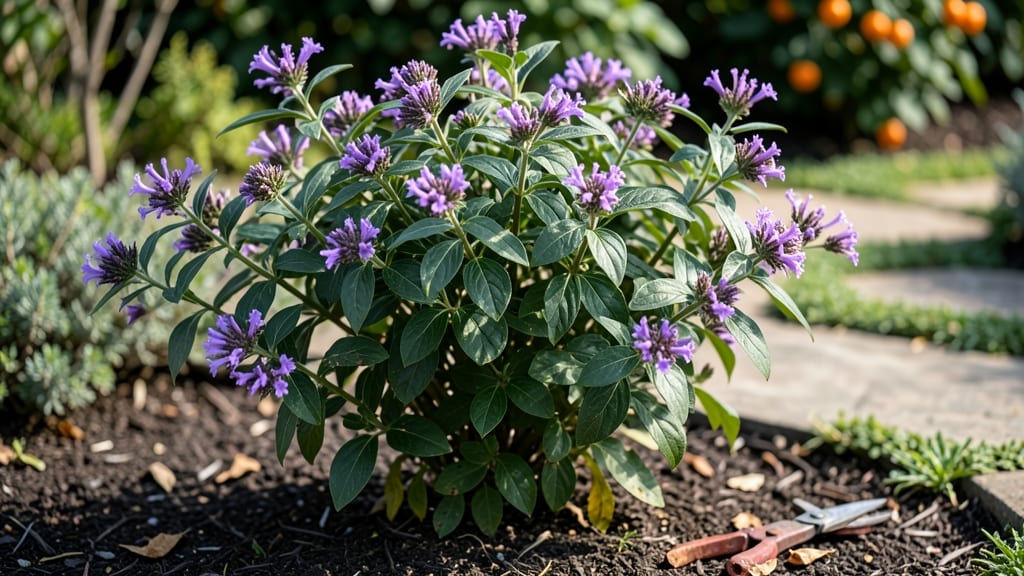
A duranta patio tree transforms any Pacific Northwest garden into a vibrant, low-maintenance statement piece—its glossy foliage and golden shower of flowers make it impossible to ignore. 🌿 I’ve pruned mine for years, and the secret to keeping it thriving through our damp winters lies in strategic cuts that encourage dense growth without sacrificing that signature burst of color.
The key is timing: prune right after flowering, and you’ll avoid winter dieback while shaping it to frame your patio or entrance.
This tree isn’t just pretty—it’s practical. Duranta handles our mild winters better than most tropical-looking plants, and with the right pruning, it stays compact enough for patios while still making a bold impact. Pair it with drought-tolerant ground covers like creeping thyme or ornamental grasses to highlight its year-round structure.
The foliage stays lush even in shade, making it a versatile choice for tight spaces or under trees.
You’ll end up with a tree that blooms reliably from summer through fall, its clusters of tiny flowers drawing hummingbirds and butterflies while keeping maintenance minimal. The pruning process itself is straightforward once you know the tricks—no heavy-duty tools or complicated techniques required.
Plus, the results speak for themselves: a patio centerpiece that’s both functional and stunning, even when the rain rolls in.
Whether you’re shaping it as a single-stem specimen or a multi-branched shrub, the same principles apply. The Pacific Northwest’s climate means you can push the limits of what this tree can handle—just avoid over-pruning in early spring, and you’ll have a frost-resistant showstopper for years to come.
Ready to give it a try?
📚 In This Guide
- What you need
- Instructions
- Tips and common mistakes
- Wrapping up and next steps
What you need
- ● Pruning shears: Bypass pruners (for small branches, ¼"–½" thick). Must be sharp and clean to avoid damaging the tree.
- ● Loppers: 1 pair (for branches ½"–2" thick). Look for ratcheting or bypass-style for precision.
- ● Pruning saw: 1 handheld saw (for branches 2"+ thick). A bow saw or folding pruning saw works best.
- ● Disinfectant: 70% isopropyl alcohol or a pruning sealant (to prevent disease spread).
- ● Gloves: Heavy-duty gardening gloves (to protect from thorns and sap).
- ○ Ladder (optional but helpful): A sturdy, extension ladder (16–20 ft) if your tree exceeds 6 ft tall.
- ● Trash bags or bucket: For collecting pruned branches (1–2 large bags or a 5-gallon bucket).
- ● Hand pruners (for small trims): Anvil-style for quick cuts on tiny branches.
- ● Pruning rope or zip ties: To temporarily secure branches during heavy pruning.
- ● Tree wound dressing: (Controversial but some swear by it!) Use pruning paste for large cuts.
- ● Safety glasses: To shield eyes from debris.
- ● Notebook & pen: To jot down pruning notes or sketch your tree’s structure.
Step-by-step pruning guide for your duranta patio tree
Here's how to keep your frost-resistant duranta thriving in Pacific Northwest conditions.
🌿 Step 1: Time Your Pruning for Optimal Growth
Prune your duranta in early spring, just as new growth begins—usually around late February to early March in the PNW. This timing ensures you remove winter-damaged wood while stimulating fresh, frost-resistant growth before summer heat arrives. Avoid pruning in fall, as new growth won't harden off before winter's first frost.
Look for dormant buds along the stems—these signal the plant's readiness to regrow. If you see brown, brittle branches from winter cold, those should be the first to go. I always prune on a dry, sunny morning when the plant is fully hydrated—this helps it recover faster from the stress of cutting.
✂️ Step 2: Shape and Thin for Airflow and Light
Use clean, sharp pruners to make cuts just above a leaf node or outward-facing bud. This encourages growth in the direction you want. Start by removing any dead, diseased, or crossing branches—these compete for resources and invite pests. I like to step back every few cuts to visualize the tree's natural shape, aiming for an open canopy that lets sunlight and air circulate freely.
Thin out about 20-30% of the foliage to reduce stress on the plant. Durantas respond well to pruning, so don't hesitate to cut back overgrown branches by up to one-third. If you're pruning for size control, focus on the outermost growth to maintain a compact, patio-friendly shape. Always cut back to a strong branch or bud rather than leaving a stub.
🌱 Step 3: Encourage Frost Resistance Through Strategic Cuts
To harden your duranta for PNW winters, prune to reduce overall size by 10-15% in late summer (around August). This promotes woody growth that's more resilient to frost. Look for suckers or water sprouts—these fast-growing, weak stems should be removed entirely, as they're the first to suffer in cold snaps.
If your duranta has been hit by frost, prune back only the damaged portions in early spring. Never remove more than one-third of the plant at a time, or you risk shocking it. I've seen durantas bounce back from 20°F dips with proper pruning—just give the plant time to recover before pushing it too hard.
💧 Step 4: Post-Pruning Care for Strong Recovery
Water your duranta deeply after pruning to help it recover from the stress of cutting. Focus on the root zone, and avoid wetting the leaves to prevent fungal issues. Fertilize lightly with a balanced, slow-release fertilizer (like 10-10-10) to support new growth. I like to apply mine in early spring, right after pruning, to give the plant a nutrient boost as it regrows.
Monitor your duranta for new growth within 4-6 weeks. If you see yellowing leaves or stunted growth, it may need more sunlight or nutrients. Durantas are tough, but they do best with full sun (6+ hours daily) and well-draining soil. If your patio gets afternoon shade, consider supplementing with a grow light during winter months to keep it healthy.
Tips & tricks for perfect duranta patio tree pruning
Here's what I've learned after years of shaping these frost-hardy beauties in PNW climates—details that make all the difference between a struggling shrub and a thriving patio centerpiece.
Timing is Everything: The early spring window (late February to early March) is non-negotiable for PNW durantas. This timing aligns with the plant's natural dormancy break and ensures you're removing only winter-damaged wood while stimulating fresh growth before summer's heat arrives. I've seen plants recover beautifully from 20°F dips when pruned correctly in spring, but fall pruning often leads to tender new growth that can't survive our winters. Confession: I skipped this timing once and my plant struggled through the next winter—don't make my mistake!
The 20-30% Rule: When thinning foliage in Step 2, aim to remove about one-fifth to one-third of the plant's total leaves. This might seem counterintuitive, but durantas actually reward this reduction with stronger growth. The open canopy you create improves airflow, which is crucial for preventing fungal issues in our damp climate. I step back every few cuts to visualize the plant's natural shape—this helps me maintain that perfect patio-friendly silhouette while ensuring sunlight reaches all parts of the plant.
Late Summer Hardening: That August pruning isn't just about size control—it's about frost preparation. Reducing the plant's overall size by 10-15% promotes woody growth that's more resilient to cold. Look specifically for those fast-growing suckers and water sprouts—they're the first to suffer in frost. I've found that plants pruned this way can handle 20°F temperatures without significant damage, while unpruned plants often show winter burn. The key is to never remove more than one-third of the plant at any single time, even in this late summer session.
Pruner Prep Matters: Your tools are just as important as your technique. Always use clean, sharp pruners to make precise cuts just above leaf nodes or outward-facing buds. Dull blades crush stems and create larger wounds that invite disease. I keep a small bottle of rubbing alcohol handy to wipe down my pruners between cuts—this prevents spreading any potential pathogens from diseased branches. And remember, always cut back to a strong branch or bud rather than leaving a stub, which can become a point of infection.
Pro Tips for Duranta Patio Tree
- Here's what I've learned after years of shaping these frost-hardy beauties in PNW climates—details that make all the difference between a struggling shrub and a thriving patio centerpiece.
- Timing is Everything: The early spring window (late February to early March) is non-negotiable for PNW durantas.
- The 20-30% Rule: When thinning foliage in Step 2, aim to remove about one-fifth to one-third of the plant's total leaves.
Frequently asked questions
Got questions about keeping your Duranta patio tree thriving in the Pacific Northwest’s unique climate? Here are some common concerns—and straightforward answers—to help you prune with confidence!
How cold can a Duranta patio tree tolerate before frost damage occurs?
A Duranta erecta (pigeonberry tree) can handle light frosts down to 20–25°F (-6 to -4°C), but prolonged exposure below 15°F (-9°C) may cause leaf drop or dieback. In the PNW, protect young trees with burlap wraps or move potted varieties indoors during winter. Hardy mature trees often bounce back with spring pruning!
When is the best time to prune a Duranta for frost resilience?
Prune late winter to early spring (February–March) before new growth starts—this removes weak wood and encourages sturdy, frost-resistant branches. Avoid heavy pruning in fall, as fresh cuts may struggle to heal before cold snaps. Pro tip: Trim after the last frost date for your PNW zone (check USDA Zone 8–10 guidelines).
Can I prune a Duranta too aggressively? What are the signs?
Yes! Over-pruning (cutting > 30% of foliage) stresses the tree, making it vulnerable to frost and pests. Signs include yellowing leaves, stunted growth, or bare branches. If this happens, reduce pruning to light shaping next season and fertilize with balanced 10-10-10 in spring. Durantas are resilient but thrive with patience!
Are there frost-hardy alternatives to Duranta for PNW patios?
If you love Duranta’s vibrancy but want even more frost tolerance, consider:
- Abelia (Abelia × grandiflora): Thrives in Zone 6, blooms summer-to-fall.
- Dwarf Fothergilla (Fothergilla gardenii): Zone 5, stunning fall foliage.
- Oregon Grape (Mahonia aquifolium): Zone 5–8, evergreen with berries.
Why are my Duranta leaves turning brown after pruning?
Brown leaves post-pruning often signal stress from cuts too close to branches (leave ¼-inch stubs) or fungal/bacterial infections from dirty tools. Fix it:
- Sterilize pruners with rubbing alcohol before/after use.
- Apply copper fungicide if brown spots appear.
- Water deeply after pruning to reduce shock.
Wrapping up and next steps
Transforming your Duranta patio tree into a thriving, frost-resistant beauty doesn’t have to be overwhelming—just follow the right steps!
With the right tools, timing, and techniques, you’ll create a stunning focal point that stands up to the Pacific Northwest’s unique climate. Your garden deserves this touch of elegance, and now you’re equipped to make it happen!
Ready to take the next step? Grab your pruners and schedule that first trim—your Duranta’s future starts today! 🌿✨