
Pruning
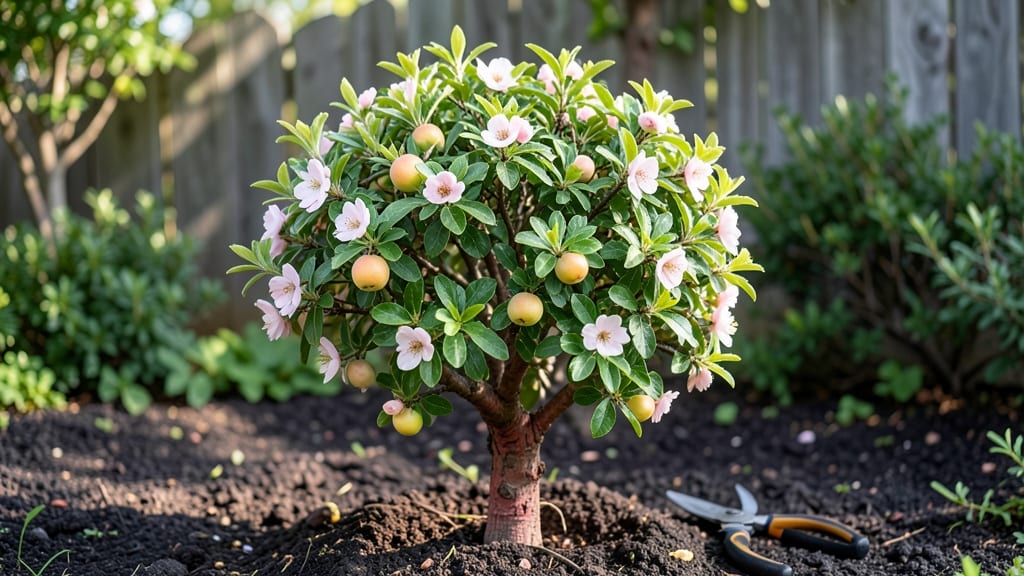
Dwarf apricot trees deliver sweet, velvety fruit in a fraction of the space—this compact citrus relative thrives even in cooler climates where full-size trees would shiver. I planted mine in my Zone 5 backyard last spring, and by midsummer, it was heavy with golden globes that tasted like sunshine.
The key? Choosing a cold-hardy variety like 'Goldcot' or 'Patio' and pruning with winter's chill in mind to protect tender wood.
You'll need well-draining soil, 6+ hours of sun daily, and a spot sheltered from harsh winds—think south-facing patio or raised bed. Dwarf varieties top out around 8 feet, making them perfect for containers or small yards.
Water deeply once a week (more in summer heat), and mulch heavily to keep roots cozy through winter. The real magic happens in pruning: open the center for airflow and shape in late winter before buds swell.
By summer's end, you'll be harvesting fruit that bursts with flavor—no grocery store substitute compares. The trees bloom early, so protect blossoms from late frosts with frost cloth. With proper care, your dwarf apricot can produce for decades, rewarding you with fruit from June through August.
The secret? Treating it like a perennial shrub rather than a finicky fruit tree.
Works beautifully in Zones 5-9, though varieties like 'Goldbar' handle Zone 4 winters with a little winter protection. Container-grown trees need larger pots (15+ gallons) and winterizing wraps.
Whether you're growing in ground or pots, the payoff is the same: homegrown apricots without the orchard commitment. Let's get your tree thriving!
📚 In This Guide
- What you need
- Instructions
- Tips and common mistakes
- Wrapping up and next steps
What you need
- ● Dwarf apricot tree sapling: Choose a cold-hardy variety (e.g., ‘Blush’, ‘Goldcot’, or ‘Honeycot’). Ensure it’s grafted for disease resistance.
- ● Well-draining soil: A mix of 60% topsoil, 30% compost, and 10% perlite or sand (1 cubic yard for planting).
- ● Organic fertilizer: 10-10-10 NPK blend (1 lb per tree). Use slow-release for year-round nutrition.
- ● Mulch: 3-4 inches of wood chips or straw (spread in a 3-foot radius around the base).
- ● Drip irrigation system: 1/4-inch tubing with emitters (10-15 feet per tree).
- ● Pruning tools: Bypass pruners (for clean cuts)
- ● Loppers (for thicker branches)
- ● Hand saw (for stubborn limbs)
- ○ Grafting tools (optional): Grafting knife and rubber bands for propagation.
- ● Staking kit: 3 wooden stakes + 3 ft of twine (for young trees).
- ● Pest control: Copper spray or neem oil (for aphids/mites).
- ● Sunlight: Full sun (6+ hours daily)—ensure no shade from buildings/trees.
- ● Spacious planting site: Minimum 8 ft diameter (account for root spread).
- ● Cold-hardiness zone: USDA Zones 5-8 (verify your local climate).
- ● Water access: Consistent moisture (deep watering 2-3x/week in dry spells).
Step-by-step guide to planting and pruning a cold-hardy dwarf apricot tree
Here's how to establish a thriving dwarf apricot that keeps producing fruit reliably through all seasons.
🌱 Step 1: Plant in the Right Location and Soil
Choose a sunny spot with at least 6-8 hours of direct sunlight daily. Apricots need warmth to ripen fruit, so avoid shady areas or spots where cold air pools. The tree thrives in well-draining soil with a pH between 6.0 and 7.0—test your soil before planting. If it's too dense, mix in 2-3 inches of compost to improve structure and fertility.
Dig a hole twice as wide as the root ball but no deeper—planting too deep can suffocate roots. Gently loosen any circling roots with your fingers and position the tree so the graft union sits 2-3 inches above soil level. This prevents moisture from rotting the graft and encourages strong growth above ground.
💧 Step 2: Water Deeply and Mulch for Moisture Retention
Water the tree deeply immediately after planting—soak the soil until water drains 6-8 inches down. Dwarf apricots have shallow roots, so consistent moisture is critical, especially in the first year. Use a drip irrigation system or water at the base to avoid wetting leaves, which can spread disease.
Apply 2-3 inches of organic mulch (like wood chips or straw) around the base, keeping it 6 inches away from the trunk. Mulch locks in moisture and regulates soil temperature, but avoid piling it against the bark—this can trap moisture and cause rot. Replenish mulch annually as it breaks down.
☀️ Step 3: Prune for Structure and Cold Hardiness
Prune in late winter or early spring before buds swell, removing 20-30% of the previous year's growth. Start by cutting out dead, diseased, or crossing branches—these compete for energy and weaken the tree. Use clean, sharp pruners to make cuts just outside the branch collar (the swollen area where the branch meets the trunk).
Open the center of the tree to improve airflow, which reduces humidity-related diseases. For cold-hardy varieties, avoid heavy pruning in fall—this stimulates new growth that won’t harden off before winter. Instead, focus on shaping the tree to reduce wind exposure and protect against late frosts.
✂️ Step 4: Maintain Through the Growing Season
Fertilize in early spring with a balanced 10-10-10 formula, applying ½ pound per inch of trunk diameter. Apricots are heavy feeders but don’t overdo it—too much nitrogen leads to leafy growth at the expense of fruit. Water 1-2 times per week during dry spells, checking soil moisture by sticking your finger 2 inches deep—if it feels dry, it’s time to water.
Watch for aphids or mites on new growth—spray with neem oil if you spot sticky residue (honeydew) on leaves. Thin fruit in late spring to 6-8 inches apart—this ensures larger, higher-quality apricots. Overcrowded fruit strains the tree and leads to smaller, less flavorful harvests.
⏰ Step 5: Prepare for Winter and Next Season
In fall, reduce watering as temperatures drop but keep the soil slightly moist. Apply a 3-inch layer of mulch to insulate roots from freezing. For young trees, wrap the trunk with tree guard to protect against rodent damage and harsh winds. Mature dwarf apricots handle cold well but benefit from winter pruning to remove any dead wood before dormancy.
Plan next year’s care by marking the tree’s current height and spread—this helps track growth patterns. If fruit production drops, consider cross-pollinating with another apricot variety nearby, as some dwarf types need a partner for optimal yields. With consistent care, your tree will reward you with years of sweet, homegrown apricots.
Tips & tricks for perfect dwarf apricot tree care
Here's what nobody tells you about keeping your cold-hardy apricot thriving year after year.
Sunlight Secret: That 6-8 hours of sunlight is non-negotiable—apricots won't ripen properly in less. I've seen trees in partial shade produce tiny, mealy fruit. If your yard gets less than 6 hours, consider planting near a south-facing wall or fence that reflects extra warmth onto the tree. Even a few extra hours makes a noticeable difference in fruit quality.
Soil Prep Tip: Before planting, mix that 2-3 inches of compost right into the bottom of the hole, not just around the sides. This creates a nutrient-rich pocket where roots can establish quickly. I also recommend adding a handful of bone meal to the planting hole—it provides phosphorus for strong root development without overloading the tree with nitrogen too early.
Pruning Precision: When you're removing those 20-30% of branches in Step 3, focus on thinning rather than topping. Cut back to a bud or branch collar rather than making flush cuts—this prevents water from pooling and rotting the wound. I mark branches with tape before cutting so I can step back and evaluate the tree's shape from all angles.
Watering Wisdom: The 6-8 inch deep watering after planting is just the beginning. In the first year, I set up a drip irrigation timer for 15 minutes every other day during dry spells. This mimics natural rainfall patterns better than occasional deep watering. The key is keeping those shallow roots consistently moist without waterlogging the soil.
Pro Tips for Dwarf Apricot Tree
- Here's what nobody tells you about keeping your cold-hardy apricot thriving year after year.
- Sunlight Secret: That 6-8 hours of sunlight is non-negotiable—apricots won't ripen properly in less.
- Soil Prep Tip: Before planting, mix that 2-3 inches of compost right into the bottom of the hole, not just around the sides.
Frequently asked questions
How cold-hardy is a dwarf apricot tree, and can it survive winter?
A dwarf apricot tree typically thrives in USDA zones 5-9, meaning it can handle winters down to -20°F (-29°C). However, young trees or those in colder microclimates may need winter protection, like wrapping the trunk with burlap or applying mulch. Pro tip: Plant in a sheltered spot to shield it from harsh winds!
How long does it take for a dwarf apricot tree to bear fruit?
With proper care, a dwarf apricot tree can produce fruit in as little as 2-3 years, though full harvests may take 3-5 years. Patience pays off—ensure it gets full sun (6+ hours/day) and well-draining soil to speed up fruiting. Bonus: Dwarf varieties often fruit earlier than standard trees!
When and how should I prune my dwarf apricot tree for maximum yield?
Prune in late winter or early spring (before buds swell) to remove dead/diseased branches and shape the tree. Focus on open-center pruning to improve airflow and sunlight exposure. Avoid heavy pruning in fall, as it can stimulate new growth vulnerable to frost. Pro tip: Thin out crowded branches to boost fruit size!
Do dwarf apricot trees need cross-pollination, or can they fruit alone?
Most dwarf apricot trees are self-pollinating, meaning they can fruit without another tree nearby. However, planting a second variety (even a different apricot) can increase yield and fruit diversity. Bees love them—just ensure the tree stays healthy to attract pollinators!
Why aren’t my apricots ripening fully, even though the tree looks healthy?
Underripe apricots often result from insufficient sunlight, water stress, or late-season heatwaves. Ensure your tree gets 6+ hours of sun daily and water deeply (1-2 inches per week). If temps drop suddenly in late summer, harvest slightly underripe fruit—it’ll ripen indoors in a paper bag with a banana!
Can I grow a dwarf apricot tree in a container, or does it need ground planting?
Yes! Dwarf varieties work well in large containers (15+ gallons) with drainage holes. Use a well-draining potting mix and repot every 2-3 years. Place the container in a sunny spot and water consistently—just avoid soggy soil. Tip: Move containers indoors if temps drop below 20°F (-7°C)!
Wrapping up and next steps
Growing a dwarf apricot tree is a rewarding way to enjoy fresh, homegrown fruit—even in colder climates! With the right pruning techniques, you’ll maximize productivity, health, and year-round harvests while keeping your tree compact and manageable.
Whether you’re a seasoned gardener or just starting, this cold-hardy variety makes fruit-growing accessible and fun.
Ready to take the next step? Start by assessing your tree’s shape and health—grab those pruners and get pruning! For extra guidance, explore our pruning calendar or connect with local gardening groups to share your progress. Happy growing! 🌱✂️