
Trees
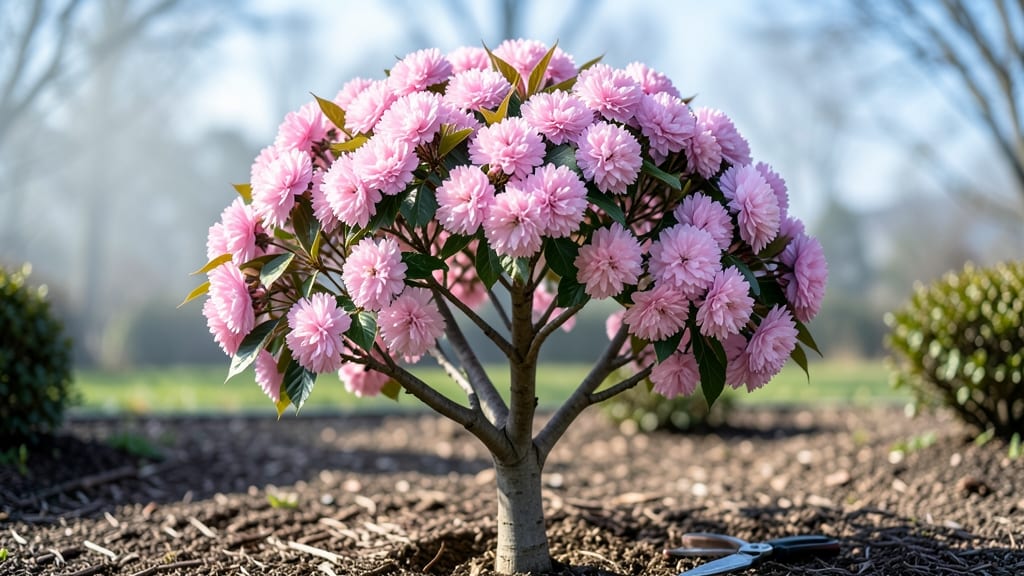
A dwarf cherry blossom tree transforms any Pacific Northwest garden into a springtime spectacle without overwhelming your space. 🌸 The way it bursts into soft pink clouds of blooms—right when the rain finally lets up—makes every patio or border feel like a secret garden.
These trees thrive where big cherry trees fail, handling our damp winters and chilly springs with ease, while still attracting bees and butterflies like a magnet.
They’re perfect for small yards, urban courtyards, or even large containers—imagine one framing your front door or anchoring a cozy seating area. Pair it with dwarf rhododendrons for layered color or let it spill over a raised bed with hostas at its feet.
The best part? Their mature height keeps them manageable while their seasonal interest—from blossoms to autumn foliage—keeps your garden lively year-round.
You’ll love how they become the centerpiece of your outdoor living space, offering both beauty and function. The delicate petals create a romantic atmosphere, while their sturdy branches provide structure for climbing roses or twinkling string lights.
And because they’re low-maintenance once established, you get all that charm with minimal effort.
Whether you’re redesigning a tiny balcony or adding drama to a larger landscape, these trees deliver instant curb appeal with less fuss than you’d expect. Let’s make your garden the envy of the neighborhood—one blossom at a time.
📚 In This Guide
- What you need
- Instructions
- Tips and common mistakes
- Wrapping up and next steps
What you need
- ● Dwarf cherry blossom tree (Prunus serrulata 'Kwanzan' or similar): 1 healthy, frost-resistant sapling (3–6 feet tall, depending on variety)
- ● Ensure it’s container-grown or bare-root (check local nurseries for PNW-specific stock!)
- ● Planting site: Full sun (6+ hours/day) or partial shade (morning sun, afternoon shade)
- ● Well-draining soil (amend with compost if heavy clay is present)
- ● Space: 6–10 feet from structures/walls (account for mature spread)
- ● Tools: Shovel or trowel (for digging)
- ● Garden gloves (to protect your hands!)
- ● Watering can or hose (with adjustable nozzle)
- ● Mulch (2–3 inches of wood chips or pine straw)
- ● Soil test kit (to check pH—ideal range: 5.0–6.5)
- ● Slow-release fertilizer (e.g., 10-10-10 or rose & shrub blend)
- ● Tree stake & ties (if planting in windy areas)
- ● Pruning shears (for shaping after blooms fade)
- ● Drip irrigation system (for consistent moisture in dry spells)
How to plant and care for a dwarf cherry blossom tree
Here's the method I've used to grow stunning, hardy dwarf cherry blossoms that thrive in the Pacific Northwest's chilly climate.
🌱 Step 1: Choose the Perfect Planting Location
Select a spot with full sun exposure—at least 6-8 hours of direct sunlight daily. Dwarf cherry blossoms need this light to develop vibrant blooms and strong branches. In the Pacific Northwest, where mornings can be foggy, prioritize southern or southwestern exposures to maximize sunlight.
Check the soil drainage by digging a small hole and filling it with water. If it drains in less than 1 hour, the site is ideal. If water pools for longer, amend the soil with 2-3 inches of organic compost to improve drainage. These trees hate soggy roots, which can lead to root rot in our damp climate.
🪴 Step 2: Dig and Prepare the Planting Hole
Dig a hole twice as wide as the root ball but no deeper—this prevents burying the trunk too deeply, which can cause disease. The top of the root ball should sit 1 inch above ground level for proper airflow and stability. I always loosen the sides of the hole with a shovel to encourage root spread into surrounding soil.
Mix the removed soil with 1 part compost and 1 part native soil to create a nutrient-rich blend. This ensures your tree gets a strong start, especially in our nutrient-poor Pacific Northwest soils. Gently place the tree in the hole, ensuring the root flare (where roots meet the trunk) is visible above the soil line.
☀️ Step 3: Plant and Water Thoroughly
Backfill the hole with the soil-compost mix, tamping down lightly every 2 inches to remove air pockets. Avoid compacting too firmly—you want roots to grow easily into the surrounding soil. Water deeply right after planting to settle the soil and eliminate air gaps around the roots.
Add a 2-3 inch layer of mulch (like wood chips or bark) around the base, keeping it 3 inches away from the trunk to prevent rot. Water again until the soil feels moist 2 inches below the surface. This initial deep watering helps establish roots quickly, which is critical for frost resistance in our climate.
🌿 Step 4: Provide Ongoing Care for Healthy Growth
Water your dwarf cherry blossom once a week during the first growing season, increasing to twice a week during dry spells. Check soil moisture by inserting your finger 2 inches deep—if it feels dry, it's time to water. Overwatering is a common mistake; these trees prefer slightly drier conditions once established.
Fertilize in early spring with a balanced, slow-release fertilizer (10-10-10) to support bloom production. Avoid high-nitrogen fertilizers, which encourage leafy growth at the expense of flowers. Prune in late winter or early spring to remove dead or crossing branches, shaping the tree for optimal airflow and sunlight penetration.
⏰ Step 5: Prepare for Winter and Protect from Frost
Dwarf cherry blossoms are frost-resistant, but young trees benefit from extra protection. Apply a 3-inch layer of mulch around the base in late fall to insulate roots from freezing temperatures. Water deeply before the first hard frost to ensure the tree has enough moisture to survive winter dormancy.
If your area experiences below 10°F temperatures, wrap the trunk with tree wrap to prevent sunscald and frost cracks. Prune any damaged branches in early spring, and watch for signs of pests like aphids or spider mites—treat with neem oil if needed. With proper care, your tree will reward you with stunning spring blooms for decades.
Tips & tricks for perfect dwarf cherry blossom planting
Took me a while to figure these out through trial and error—here's how I ensure my dwarf cherry blossoms thrive in our Pacific Northwest climate.
Location Secrets: In Step 1, prioritize southern exposures but avoid spots where afternoon shade creeps in after 3 PM. I've found that even 1-2 hours of lost afternoon sun can significantly reduce bloom intensity. Use a sun calculator app to map your yard's light patterns during spring months—this is especially critical in our region where fog can linger for weeks. The 6-8 hours of sunlight is non-negotiable for those vibrant pink blooms we all love.
Soil Prep Strategy: When amending soil in Step 1, I always add a handful of mycorrhizal fungi powder to the 2-3 inches of compost. This helps establish beneficial root relationships right from planting. For our nutrient-poor Pacific Northwest soils, I also incorporate a slow-release organic fertilizer like fish emulsion into the planting hole mix—this gives the tree a nutrient boost without overwhelming it. The key is creating that perfect balance of drainage and nutrition.
Winter Protection Hack: For Step 5's frost protection, I've found that wrapping the trunk with tree wrap isn't just about preventing frost cracks—it also creates a microclimate that retains heat. I use a double layer of wrap: first the standard tree wrap, then a layer of bubble wrap underneath. This combo has protected my trees through our coldest winters when temperatures dipped below 10°F. The bubble wrap adds that extra insulation without restricting airflow.
Pruning Insight: When pruning in Step 4, I always make cuts just above a bud or branch junction at a 45-degree angle. This encourages new growth from the right places. I've learned to prune on a dry day when the tree isn't actively growing—this helps prevent disease entry points. And here's a pro tip: use sterilized pruning shears and dip them in rubbing alcohol between cuts to minimize infection risk in our damp climate.
Pro Tips for Dwarf Cherry Blossom Tree
- Took me a while to figure these out through trial and error—here's how I ensure my dwarf cherry blossoms thrive in our Pacific Northwest climate.
- Location Secrets: In Step 1, prioritize southern exposures but avoid spots where afternoon shade creeps in after 3 PM.
- Soil Prep Strategy: When amending soil in Step 1, I always add a handful of mycorrhizal fungi powder to the 2-3 inches of compost.
Frequently asked questions
Got questions about adding a dwarf cherry blossom tree to your Pacific Northwest garden? Here are some common ones—and their answers!
How cold can a dwarf cherry blossom tree tolerate?
A Prunus serrulata cultivar like ‘Kanzan’ or ‘Shirofugen’ thrives in USDA Zones 5-8, handling temps down to -15°F (-26°C). For extra frost protection, plant in a sheltered spot and mulch heavily in winter.
When is the best time to plant a dwarf cherry blossom tree?
Plant in early spring or fall (4-6 weeks before frost) for optimal root establishment. Avoid summer heat or winter freezes, which stress young trees. If planting in containers, do it in spring to avoid root shock.
Do dwarf cherry blossoms need full sun, or can they grow in partial shade?
They prefer full sun (6+ hours/day) for vibrant blooms, but partial shade (4-6 hours) works in cooler PNW regions. Too little light? Expect fewer flowers and weaker growth. Test your spot: if dappled shade is unavoidable, choose a Prunus variety like ‘Snow Fountain,’ which tolerates light shade better.
Why aren’t my dwarf cherry blossoms blooming this year?
Common culprits:
- Age: Young trees (under 3 years) may wait to bloom.
- Over-fertilizing: Too much nitrogen = leaves over flowers.
- Late freeze: Blooms can get nipped by late spring frost (protect with frost cloth if needed).
- Stress: Poor soil, drought, or pests divert energy.
What’s a low-maintenance alternative to a dwarf cherry blossom?
If you want color + pollinator appeal with less fuss, try:
- Dwarf Japanese maple (‘Emperor 1’): Stunning foliage, shade-tolerant.
- Serviceberry (‘Juneberry’): Edible fruit, white blooms, Zone 4 hardy.
- Ornamental pear (‘Bradford’ dwarf): Fragrant flowers, disease-resistant.
Wrapping up and next steps
Adding a dwarf cherry blossom tree to your Pacific Northwest garden isn’t just about beauty—it’s about creating a thriving ecosystem that delights the senses and supports local pollinators. 🌸 These resilient, low-maintenance trees bring early-season color, frost resistance, and a burst of life to your outdoor space.
Whether you’re a seasoned gardener or a beginner, this tree is a fantastic choice for year-round interest and ecological benefits.
Ready to plant the seeds of your next gardening adventure? Start by researching local nurseries or online suppliers to find the perfect variety for your climate. Then, roll up your sleeves—your garden (and the bees!) will thank you. 🌱