Pruning
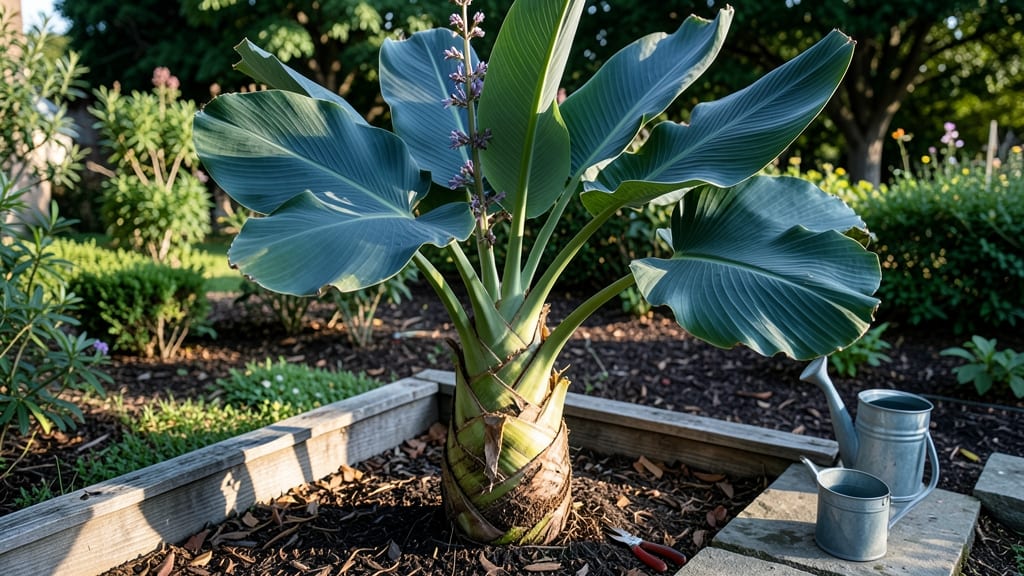
The ensete banana tree thrives in Pacific Northwest gardens when pruned with intention—its bold, architectural leaves and year-round interest make it a standout tropical accent. I’ve learned the hard way that aggressive pruning in winter can stunt growth, while strategic cuts in spring and fall unlock that lush, layered look.
The secret lies in timing: remove dead fronds immediately, but save the dramatic cuts for early spring when new shoots are just waking up.
You’ll need sharp pruners, a bucket for clippings (they’re great for mulch), and a sunny spot with 6+ hours of light—this plant craves warmth but handles PNW summers better than most tropicals.
The soil should drain well but stay moist; think rich, loamy garden mix with a splash of compost. Overwatering is the real enemy here—yellowing leaves scream "too much love."
By pruning correctly, you’ll reveal a fountain of new growth by midsummer, with leaves reaching 6-8 feet tall and wide. The plant’s dramatic, pleated foliage becomes even more striking, and you’ll encourage thicker stems for that classic ensete silhouette.
The best part? Those removed fronds can be divided for propagation or used as biomass for your compost pile.
This method works just as well for ornamental gardens as it does for edible crops—yes, the corms are starchy and nutritious, though they need 10+ years to mature.
Start small with divisions from a friend’s plant; seeds are finicky and slow. The PNW’s mild winters let you prune year-round, but spring is when the magic happens.
📚 In This Guide
- What you need
- Instructions
- Tips and common mistakes
- Wrapping up and next steps
What you need
- ● Pruning shears: Bypass-style, sharp, and sterilized (1 pair). Look for ergonomic handles for comfort during long sessions.
- ● Loppers: For thicker stems (1–2 inches in diameter) (1 pair). Choose ratcheting or bypass loppers for precision.
- ● Hand pruners: For delicate trimming of leaves and small shoots (1 pair). Opt for stainless steel blades to prevent rust.
- ● Disposable gloves: Nitrile or latex-free (for sensitive skin) (1–2 pairs). Protects against sap irritation and sharp edges.
- ● Pruning saw: For stubborn, woody stems (1). A bow saw or folding pruning saw works best.
- ● Hose or bucket of water: For cleaning tools and rinsing sap (1). Keeps blades sharp and prevents bacterial spread.
- ● Rubbing alcohol (70%+): For sterilizing tools between cuts (small bottle). Prevents disease transmission.
- ● Compost bin or bag: For pruned material (1). Ensete leaves and pseudostems break down quickly—great for garden compost!
- ● Mulch (wood chips or straw): To protect the base after pruning. Helps retain moisture and regulate soil temp.
- ● Fertilizer (balanced 10-10-10 or banana-specific): For post-pruning recovery. Apply 2–3 weeks after trimming.
- ● Plant support stakes: If your tree is top-heavy (2–4 stakes). Useful for young or heavily pruned trees.
- ● Sunscreen and hat: For long outdoor sessions. PNW weather can be unpredictable—stay comfy!
Step-by-step guide to pruning your ensete banana tree for year-round growth
This is how I keep my ensete thriving in the Pacific Northwest’s mild but unpredictable climate—pruning to encourage both beauty and productivity.
Assess Growth Stages and Identify Pruning Zones
Start by examining your ensete’s pseudostems—the thick, layered trunks that store energy. In the PNW, growth cycles are less defined than in tropical climates, so prune based on visual cues rather than seasons. Look for dead or dried outer leaves (these should be removed first) and new shoots emerging from the base (these indicate active growth).
Use clean, sharp pruners to make cuts at a 45-degree angle, about ½ inch above a visible node or leaf scar. This prevents water from pooling and causing rot. I always prune in the late winter to early spring (February-March) when new growth is just beginning, but you can do light maintenance pruning year-round if needed.
Remove Dead or Damaged Leaves and Pseudostems
Begin with the most obvious: any pseudostem that’s hollow, brown, or collapsed. These are no longer storing energy and may harbor pests. Cut these at the base with your pruners, then sterilize them with rubbing alcohol to prevent cross-contamination. If a pseudostem is still green but damaged (e.g., from wind or hail), remove it to redirect the plant’s energy.
For leaves, focus on yellowing or blackened fronds—these are energy drains. Cut these back to the pseudostem, but leave healthy green leaves intact. The ensete will naturally shed old leaves, but removing them early prevents fungal issues in the PNW’s damp climate. I like to do this in two passes: first the dead material, then the damaged but not yet dead.
Encourage New Growth with Strategic Cuts
Here’s where the PNW magic happens: ensete responds well to light pruning even in cooler months. After removing the dead material, look for new shoots (called "pups") emerging at the base. These are your plant’s way of preparing for growth. If you have space, you can transplant one or two pups to propagate new plants—just dig carefully to avoid damaging the roots.
For established plants, make a single clean cut on one pseudostem about ⅓ of the way up from the base. This stimulates the plant to produce a thicker, stronger replacement pseudostem. Avoid cutting more than one pseudostem per year unless you’re heavily shaping the plant, as this can stress the ensete. Water deeply after pruning to help the plant recover.
Maintain Year-Round with Seasonal Adjustments
In the Pacific Northwest’s wetter months (October-March), focus on preventative pruning: remove any leaves showing signs of fungal spots or mold. The ensete’s large leaves trap moisture, so keeping them healthy reduces disease risk. Use a fungicide spray (like neem oil) on cuts if your plant is in a shaded or poorly ventilated area.
During summer (June-August), prune only to shape or remove overly aggressive shoots. The ensete grows slowly in cooler climates, so avoid heavy pruning—this can shock the plant. Instead, thin out crowded fronds to improve air circulation. I also add a 2-inch layer of mulch around the base to retain moisture and regulate soil temperature.
Monitor and Adjust for Pacific Northwest Conditions
Ensete in the PNW grows differently than in tropical climates—it may go dormant in winter or continue slow growth. Watch for new leaf emergence as your cue to resume regular care. If your plant isn’t producing new growth by late spring, it may need more sunlight (ensete thrives in full sun to partial shade) or fertilizer (use a balanced 10-10-10 in early spring).
Finally, sterilize your tools after each pruning session to prevent the spread of disease. The ensete’s large leaves and pseudostems are prime targets for fungal infections in the damp PNW climate. I keep a small bottle of 70% isopropyl alcohol handy for quick cleanups between cuts. This small step saves hours of cleanup later.
Tips & tricks for pruning your ensete banana tree
Pruning ensete in the Pacific Northwest requires a thoughtful approach—here's how to maximize growth while avoiding common pitfalls that can stress your plant.
Seasonal Timing: The late winter to early spring window (February-March) is ideal for major pruning because it aligns with the plant's natural growth cycle in our cooler climate. This timing gives your ensete the full growing season to recover and produce new shoots. For maintenance pruning, you can work year-round, but always avoid heavy cuts during summer when the plant is most vulnerable to stress from our occasional heatwaves.
Cutting Technique: That 45-degree angle and ½-inch clearance above the node aren't just suggestions—they're critical for preventing rot. The angled cut directs water away from the stem, while the node clearance allows for proper healing. I've seen many gardeners skip this detail and end up with bacterial infections, so take your time with each cut. Use a sharp pair of pruners and make clean, decisive cuts rather than tearing the tissue.
Disease Prevention: The Pacific Northwest's damp climate makes ensete particularly susceptible to fungal infections. After each cut, immediately sterilize your tools with 70% isopropyl alcohol—this simple step prevents cross-contamination between cuts. For additional protection during wet months, apply a neem oil fungicide to any exposed cuts. I've found that plants in shaded areas benefit most from this extra precaution, as poor air circulation creates ideal conditions for fungal growth.
Strategic Pruning: When making that single clean cut on one pseudostem about ⅓ of the way up, you're essentially teaching your plant to grow stronger. This technique encourages the development of a thicker replacement stem by redirecting the plant's energy. Remember that the ensete's growth pattern differs significantly from tropical climates—it responds well to light pruning even in cooler months, which is why our PNW gardens can produce such healthy specimens with proper care.
Pro Tips for Ensete Banana Tree
- Pruning ensete in the Pacific Northwest requires a thoughtful approach—here's how to maximize growth while avoiding common pitfalls that can stress your plant.
- Seasonal Timing: The late winter to early spring window (February-March) is ideal for major pruning because it aligns with the plant's natural growth cycle in our cooler climate.
- Cutting Technique: That 45-degree angle and ½-inch clearance above the node aren't just suggestions—they're critical for preventing rot.
Frequently asked questions
Got questions about pruning your Ensete ventricosum (false banana tree) or keeping it thriving in the Pacific Northwest’s unique climate? You’re not alone! Here are answers to the most common questions—plus a few pro tips to keep your tree happy year-round.
How often should I prune my ensete banana tree?
Prune your ensete banana tree lightly every 3–4 months to encourage bushier growth and prevent overcrowding. Focus on removing dead, yellowing, or damaged leaves first. In the PNW’s mild winters, you can prune year-round, but avoid heavy cuts in late fall to protect new growth from unexpected cold snaps. Pro tip: Use sterilized shears to prevent disease!
Can I prune my ensete banana tree in winter?
Yes, but strategically! The PNW’s wet winters can stress the tree, so limit pruning to removing only dead or diseased foliage. Avoid heavy pruning in December–February, as new growth may struggle in cooler temps. If you must prune, do it on dry, mild days (above 40°F) and protect the base with mulch to retain warmth.
What should I do if my ensete banana tree stops growing after pruning?
Slow growth after pruning is often normal—your tree is redirecting energy to thicker stems or roots. However, if it’s completely stalled, check for:
- Underwatering: Ensete loves moisture but hates soggy soil. Adjust your watering schedule.
- Nutrient deficiency: Feed with a balanced fertilizer (10-10-10) in spring and summer.
- Pests/disease: Inspect for aphids or fungal spots. Treat with neem oil if needed.
Can I propagate my ensete banana tree from pruned cuttings?
Ensete cuttings root easily if done correctly. Here’s how:
The PNW’s wind and heavy rain can damage ensete leaves, but these tricks help:
Transplant once roots are 2+ inches long.
How do I protect my ensete banana tree from PNW rain and wind?
With these adjustments, your tree will thrive even in Portland’s driest summers or Seattle’s windiest winters!
Wrapping up and next steps
The Ensete banana tree is a stunning, low-maintenance addition to Pacific Northwest gardens—when pruned with care, it thrives year-round! 🌿 With the right tools, timing, and techniques, you’ll unlock lush foliage, vibrant blooms, and a resilient plant that rewards your effort.
Whether you’re trimming for aesthetics, health, or harvest, remember: patience and consistency are key.
Ready to give your Ensete the love it deserves? Start small—pick one pruning session this season and observe how your tree responds. Before you know it, you’ll be a PNW pruning pro! 🌱