Pruning
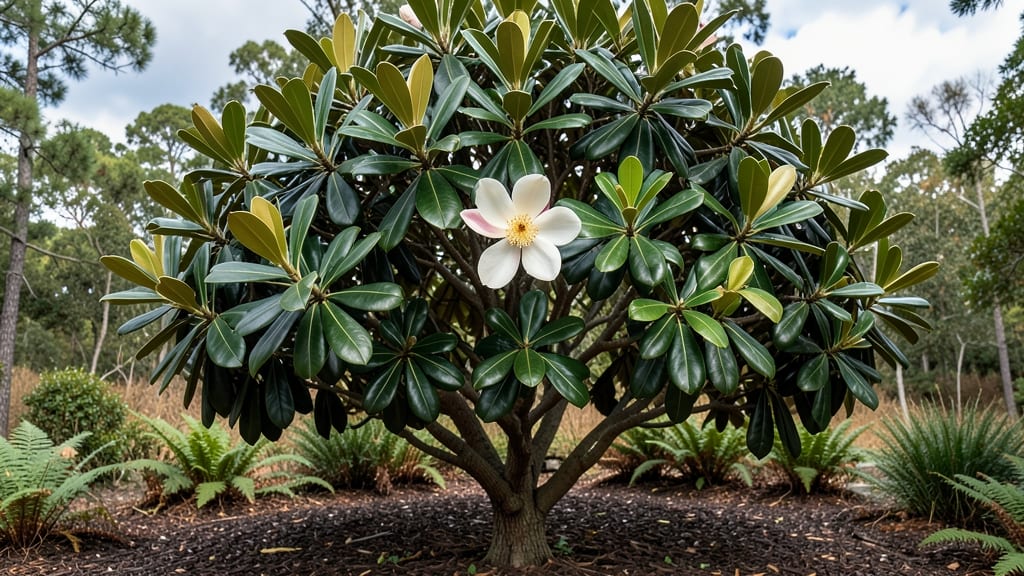
The Felix magnolia tree transforms any Pacific Northwest yard into a fragrant, evergreen vertical masterpiece. 🌿 I fell in love with its glossy leaves and creamy-white blooms after planting mine last spring—now it’s the centerpiece of my garden, offering seasonal interest without the fuss of annuals.
This evergreen beauty thrives in USDA zones 7-10, making it perfect for coastal climates where other magnolias struggle. It demands well-draining, acidic soil (think pine bark or compost-amended native soil) and morning sun with afternoon shade—critical for preventing leaf scorch.
Watering’s simple: deep soaks once a week unless we’re in a heatwave, then twice.
Pruning’s minimal but strategic—remove dead branches in late winter and shape lightly after flowering to maintain its natural elegance. The real magic? Those fragrant, 8-inch blooms arrive in late spring, followed by shiny, dark green foliage that stays lush year-round.
Even pests like scale or spider mites rarely bother it when sited correctly.
For beginners, start with a 5-gallon container to test your site before planting mature specimens. Advanced gardeners can layer understory plants like ferns or hellebores to highlight its texture. Once established, this tree needs almost no care—just occasional mulch and the occasional pruning to keep it looking effortless.
📚 In This Guide
- What you need
- Instructions
- Tips and common mistakes
- Wrapping up and next steps
What you need
- ● Pruning shears: Sharp, bypass-style shears (for cuts up to ½ inch thick). Example: Felco F-2 or Corona Tools.
- ● Loppers: Bypass loppers with 8-10 inch blades (for branches ½–1½ inches thick). Example: Fiskars PowerGear.
- ● Pruning saw: Curved-tooth saw for branches 1½+ inches thick. Example: Bahco Laplander.
- ● Gloves: Heavy-duty, cut-resistant gloves (e.g., Mechanix Wear or Wagners).
- ● Disinfectant: 70% isopropyl alcohol or bleach solution (1 part bleach to 9 parts water) to sterilize tools.
- ○ Pruning sealant: Tree wound dressing (optional but helpful for large cuts). Example: Tanglefoot Tree Wound Pruning Seal.
- ● Ladder or step stool: Sturdy, extension ladder (20–30 ft) or multi-level step stool for taller branches.
- ● Safety gear: Safety glasses and ear protection (if using a chainsaw for stubborn branches).
- ● Trash bags: Heavy-duty contractor bags (30–50 gallon) for debris.
- ○ Marking tools: Chalk or tape to outline cuts (optional but handy for complex pruning).
- ● Chainsaw: Gas or electric (e.g., Husqvarna or Stihl) for thick, mature branches (1.5+ inches).
- ● Pole saw: Extendable saw for high branches (e.g., Fiskars X27).
- ● Tree bag: Mesh bag to collect large pruning debris without mess.
- ● First-aid kit: Bandages and antiseptic wipes for minor cuts or scrapes.
- ● Weather check: Prune on a dry, calm day (avoid wind or rain).
Step-by-Step guide to cultivating a thriving Felix magnolia tree
Here's how to coax this Pacific Northwest showstopper into full bloom—year after year.
🌱 Step 1: Select the Perfect Planting Site
The Felix magnolia thrives where winter rains and summer sun meet. Choose a location with dappled shade during peak afternoon heat—think 6-8 hours of morning sunlight with afternoon relief from direct rays. This tree naturally grows in wooded understories, so mimic those conditions by placing it near larger trees or on the north side of structures.
Test your spot by observing how light shifts through the seasons. What looks like perfect shade in summer may turn too dark in winter, slowing growth. The ideal site balances brightness without scorching, keeping foliage lush and flowers abundant. If your yard lacks natural shade, plant near a south-facing wall to reflect light while providing afternoon shelter.
☀️ Step 2: Prepare Soil for Optimal Growth
Felix magnolias demand rich, acidic soil with pH between 5.0 and 6.0—closer to 5.5 for peak performance. Before planting, amend native soil with 3 inches of organic matter (compost or well-rotted leaf mold) mixed into the top 12 inches of earth. This tree’s roots spread wide but shallow, so deep amendments matter more than depth.
Dig a hole twice as wide as the root ball but only as deep—planting too deep suffocates roots. Loosen the sides of the hole to encourage root expansion. If your soil drains poorly, add sand or perlite to improve aeration, but avoid heavy clay amendments that compact over time. A simple soil test kit confirms your pH—amend with sulfur if results exceed 6.5.
🪴 Step 3: Plant and Stake for Stability
Remove the tree from its container and tease apart any circled or tangled roots gently with your fingers. Position the root flare—where roots meet trunk—1-2 inches above ground level. Backfill with native soil mixed with compost, tamping lightly every 4 inches to eliminate air pockets. Water deeply to settle the soil, then add a 2-inch mulch layer (avoid wood chips—use pine straw or shredded bark) to retain moisture.
Stake only if necessary—Felix magnolias develop strong root systems quickly. If staking, use two vertical stakes on opposite sides, tied loosely with soft fabric strips (never wire). The goal is to prevent swaying during wind, not immobilize the tree. Remove stakes after 12 months to encourage natural trunk strength. Water twice weekly for the first month, then taper to once weekly once leaves appear.
✂️ Step 4: Prune for Structure and Bloom
Prune in late winter or early spring before new growth begins. Remove dead, crossing, or inward-growing branches first, cutting just outside the branch collar. Thin the canopy to allow light penetration to the center, where flowers form. Never remove more than 25% of the foliage in one season—this tree blooms on old wood, so aggressive cuts reduce next year’s flowers.
Watch for suckers at the base—these saplings divert energy from the main trunk. Snip them at ground level as soon as they appear. After flowering, remove spent blooms to encourage a second, lighter flush of flowers in late summer. Avoid heavy pruning after June 15, as new growth won’t harden off before winter in the Pacific Northwest.
💧 Step 5: Maintain Year-Round Care
Water deeply once weekly during the first growing season, then every 10-14 days once established—1-2 inches of water per week is ideal. Check soil moisture by probing 3 inches deep; if dry, water slowly to penetrate roots. Overhead watering encourages fungal diseases, so use a soaker hose at the base instead. In winter, reduce watering to once monthly unless temperatures drop below 20°F, then add mulch protection to insulate roots.
Fertilize annually in early spring with acid-loving plant fertilizer (10-10-10 or similar). Scatter granules 6 inches from the trunk and water deeply to activate. Avoid high-nitrogen fertilizers—they promote leafy growth at the expense of flowers. Monitor for aphids or scale insects, common pests on magnolias. Treat infestations early with neem oil spray to prevent spread. With consistent care, your Felix magnolia will reward you with fragrant blooms from late winter through spring, plus occasional summer reblooms.
Tips & tricks for perfect Felix magnolia cultivation
Between us, these insights will help you avoid the common pitfalls that turn promising magnolias into struggling underperformers.
Light Balance is Everything: That 6-8 hours of morning sunlight mentioned in Step 1 isn't just about quantity—it's about timing. Use a simple light meter or observe your yard from 10 AM to 2 PM during summer. If leaves show brown edges by late afternoon, your tree is getting too much direct sun. The Pacific Northwest's coastal fog actually helps here—plant where morning sun warms the leaves but afternoon mist cools them naturally.
Soil Science Matters More Than You Think: The 5.0-6.0 pH range is non-negotiable, but achieving it takes strategy. If your soil test shows 6.5+, don't just add sulfur—mix it into the top 6 inches of soil where roots are most active. I've seen gardeners add sulfur to the planting hole only, which creates a chemical barrier that roots avoid. Also, test again in 6 months—pH changes take time, and your tree's roots will acidify the soil naturally over years.
Root Care During Planting: When teasing apart those circled or tangled roots in Step 3, focus on the outer third of the root ball—these are the most flexible and will establish fastest. The center roots are often already established and don't need pruning. After planting, create a moat around the base with the removed soil to encourage outward root growth. This simple technique can double your tree's root system in the first growing season.
Pruning with Purpose: That 25% foliage limit in Step 4 isn't arbitrary—it's based on how magnolias store energy. Each branch stores nutrients for next year's blooms, so cutting more than a quarter forces the tree to divert energy from flowers to leaf regrowth. When removing spent blooms, cut back to the first set of healthy leaves rather than just the stem—this encourages stronger reblooming stems for summer.
Pro Tips for Felix Magnolia Tree
- Between us, these insights will help you avoid the common pitfalls that turn promising magnolias into struggling unde...
- Light Balance is Everything: That 6-8 hours of morning sunlight mentioned in Step 1 isn't just about quantity—it's ab...
- Soil Science Matters More Than You Think: The 5.0-6.0 pH range is non-negotiable, but achieving it takes strategy. If...
Frequently asked questions
Got questions about the Felix magnolia tree? You’re not alone!
This stunning evergreen beauty is a favorite in the Pacific Northwest, but pruning and care can feel tricky. Here are answers to the most common questions—so you can keep your Felix magnolia thriving year-round.
When is the best time to prune my Felix magnolia?
The ideal time to prune is late winter to early spring (February–March), just before new growth begins. This timing promotes healthy blooms and minimizes stress on the tree. Avoid heavy pruning in fall or winter, as it can leave branches vulnerable to cold damage. Pro tip: Lightly shape the tree after flowering (late spring) if needed, but keep cuts minimal to preserve its natural form.
How much can I trim back my Felix magnolia?
Never remove more than 25–30% of the foliage at once. Over-pruning stresses the tree and can reduce flowering. Focus on dead, diseased, or crossing branches first, then lightly thin out dense areas to improve airflow. For dramatic shaping, spread pruning over 2–3 years to avoid shock. Remember: These trees bloom on old wood, so avoid cutting back flowering stems!
What should I do if my Felix magnolia isn’t blooming?
If your tree skips blooms, it’s often due to over-pruning, poor sunlight, or nutrient deficiencies. Ensure it gets at least 6 hours of sunlight daily and prune lightly to preserve flowering wood. Fertilize in early spring with an acid-loving plant formula (like 10-10-10). If the issue persists, check for pests (like scale) or root stress from compacted soil. Patience pays off: Mature trees (10+ years) bloom more reliably!
Can I replace my Felix magnolia with a similar evergreen?
If you love the look but want alternatives, consider these Pacific Northwest-friendly evergreens with vertical growth:
- ‘Green Velvet’ Plum Yew (Cephalotaxus): Slower-growing, dense, and drought-tolerant.
- ‘Hoopsii’ Holly (Ilex): Compact, upright, and great for small spaces.
- ‘Emerald Sentinel’ Arborvitae (Thuja): Fast-growing with a clean, columnar shape.
- ‘Sky Pencil’ Holly (Ilex crenata): Narrow, elegant, and thrives in shade.
For year-round color and blooms, the Felix magnolia is unmatched—but these options offer low-maintenance beauty too!
Why are the leaves on my Felix magnolia turning yellow or brown?
Yellowing leaves often signal overwatering or poor drainage, while brown edges can mean underwatering or sunburn. Check the soil—it should stay evenly moist but not soggy. Mulch around the base (2–3 inches) to retain moisture and protect roots. If leaves curl or drop suddenly, inspect for spider mites or aphids (treat with horticultural oil if needed). Adjust care: These trees prefer acidic, well-draining soil (pH 5.0–6.0).
Still stumped? Snap a photo of your tree’s issue and compare it to online resources or consult a local arborist. With the right care, your Felix magnolia will reward you with vibrant blooms and lush foliage for decades!
Wrapping up and next steps
The Felix magnolia tree is a stunning, low-maintenance gem that brings year-round beauty to the Pacific Northwest with its glossy foliage and delicate blooms. By mastering pruning techniques—like timing, tool care, and strategic cuts—you’ll ensure this vertical showstopper thrives for decades.
Your garden (or landscape) will thank you with vibrant color and effortless elegance!
Ready to level up your pruning skills? 🌿 Start small: grab your tools, pick a sunny day, and give your Felix magnolia the attention it deserves. Happy pruning—your tree’s future blooms depend on it!