
Trees
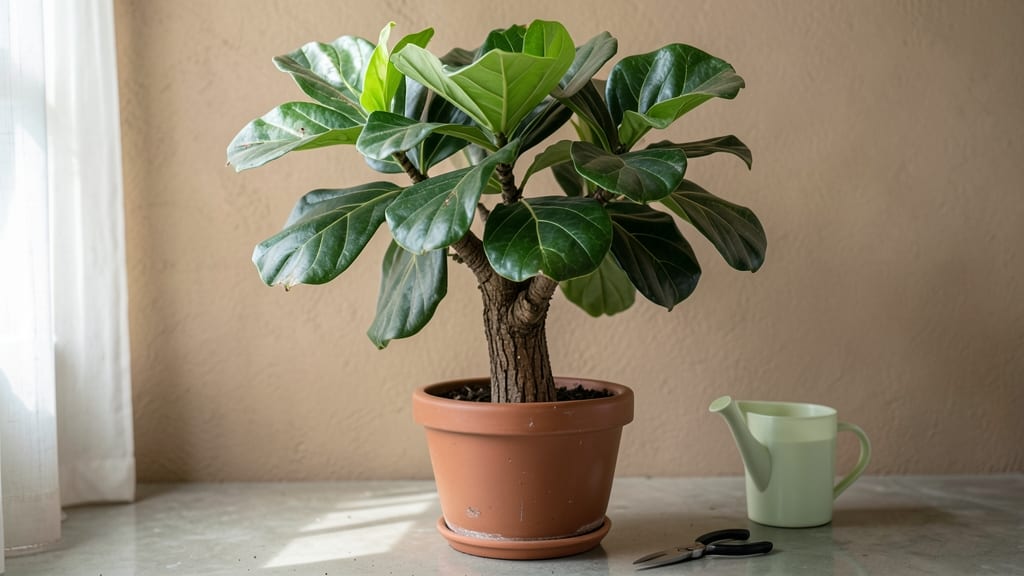
Growing ficus trees in pots lets you bring tropical drama indoors without the fuss of a full garden. 🌿 I’ve kept mine thriving for years by focusing on three key things: the right container, a well-draining soil mix, and a watering routine that mimics their natural habitat.
Most people overwater these plants, and that’s when the trouble starts—droopy leaves, yellowing foliage, and root rot.
Start with a pot that’s about 2 inches wider than the root ball and has drainage holes—ficus trees hate soggy feet. Use a lightweight potting mix with perlite or sand to keep roots aerated.
Place your pot where it gets bright, indirect light (think east or north-facing windows), and water only when the top inch of soil feels dry to the touch. Overwatering is the #1 killer, but underwatering will make those glossy leaves dull and crispy.
With the right care, your ficus will reward you with shiny, leathery leaves that grow taller and fuller each year. Prune leggy stems in spring to encourage bushier growth, and wipe the leaves occasionally to keep them dust-free.
Even in low-light conditions, a ficus will survive—but it’ll thrive when you give it just a little extra attention.
Troubleshooting is simple once you know the signs: yellow leaves mean overwatering, brown tips mean dry air, and pests like spider mites love stressed plants. Keep your ficus happy, and it’ll stay lush for years—indoors or on a sunny patio. Ready to give it a try?
📚 In This Guide
- What you need
- Instructions
- Tips and common mistakes
- Wrapping up and next steps
What you need
- ● Ficus Tree: Choose a young Ficus elastica (rubber plant), Ficus benjamina (weeping fig), or Ficus lyrata (fiddle-leaf fig) in a pot (4–6 inches in diameter for small varieties, 8+ inches for larger ones).
- ● Pot: Required: 1–2 drainage holes + pot 2–4 inches larger in diameter than the nursery pot (terracotta or ceramic preferred).
- ○ Optional: Self-watering pot or cache pot for aesthetics (ensure drainage holes are added if needed).
- ● Well-Draining Soil: 1 bag (5–10 gallons) of ficus-specific mix or a blend of: 60% potting soil
- ● 30% perlite or orchid bark
- ● 10% coarse sand or pumice
- ● Drainage Layer: 1–2 inches of gravel or perlite (for the pot’s base).
- ● Watering Can: 1 with a narrow spout (1–2 gallons capacity).
- ● Pruning Tools: Required: 1 pair of sterilized pruning shears (for shaping or trimming).
- ○ Optional: Small hand saw (for thicker branches).
- ● Fertilizer: Required: 1 bottle of balanced liquid fertilizer (10-10-10 or 20-20-20, diluted to half-strength).
- ○ Optional: Slow-release granules or organic options (e.g., worm castings).
- ● Humidity Tray: 1 shallow tray + pebbles (for tropical varieties like Ficus lyrata).
- ● Support (if needed): 1–2 bamboo stakes or moss poles (for weeping figs or tall varieties).
- ● Soil moisture meter (to avoid over/under-watering).
- ● Misting bottle (for humidity-loving ficus types).
- ● Decorative pot sleeve (to hide cache pots or add style).
- ● Root stimulator (for repotting stress relief).
- ● Gloves (to protect hands from sap or soil).
Step-by-Step instructions for growing ficus trees in pots indoors
Here's how to keep your ficus thriving with minimal effort—no green thumb required.
🪴 Step 1: Choose the Right Pot and Drainage
Start with a pot that’s 2-3 inches wider than your ficus’s root ball, but don’t go too big—10-12 inches is plenty for most varieties. Ficus trees hate soggy roots, so pick a container with drainage holes and add a 2-inch layer of gravel or perlite at the bottom. This prevents water from pooling and ensures roots stay aerated.
I like to use terracotta pots because they breathe better than plastic, but if your home runs dry, opt for a glazed ceramic instead. Just avoid anything too shallow—ficus roots need room to spread without circling the bottom, which leads to girdling and stunted growth.
☀️ Step 2: Set Up the Perfect Light Spot
Ficus trees crave bright, indirect light—think near an east or west-facing window where they get 4-6 hours of morning or afternoon sun. If your ficus starts dropping leaves, it’s either getting too much direct sun (leaves crisp and brown) or not enough light (leaves pale and sparse).
Here’s the trick: Rotate the pot a quarter turn every few weeks so the tree grows evenly. You’ll notice new growth leaning toward the light—this is normal until you adjust its position. For low-light spots, a grow light 12-18 inches away for 12-14 hours daily works wonders.
💧 Step 3: Water Only When the Soil is Truly Dry
Overwatering kills ficus trees faster than anything else. Stick your finger 2 inches into the soil—if it feels dry, it’s time to water. Pour water slowly until it drains from the bottom, then empty the saucer 10 minutes later to avoid root rot. In winter, you might only need water every 3-4 weeks, but in summer, once a week is more typical.
I know it seems counterintuitive, but yellow leaves usually mean overwatering, not underwatering. If the soil stays damp for more than a few days, hold off. A ficus in the right pot will tell you when it’s thirsty—droopy leaves that perk up after watering are a good sign.
🌿 Step 4: Feed and Prune for Long-Term Health
Fertilize once a month in spring and summer with a balanced liquid fertilizer (like 10-10-10) diluted to half strength. Skip fertilizing in fall and winter—the tree’s growing slower and doesn’t need extra nutrients. I like to fertilize right after watering so the roots absorb it immediately.
Prune only when necessary—ficus trees handle light trimming well. Use clean, sharp pruners to snip back leggy growth or yellowing leaves at a 45-degree angle just above a leaf node. This encourages bushier growth and prevents bare stems. Never prune more than a third of the foliage at once, or the tree will stress.
Tips & tricks for perfect ficus trees in pots
These simple strategies will help your ficus thrive with minimal effort—no plant parent guilt required.
Pot Selection: Pay attention to the 2-3 inch wider rule in Step 1—this prevents root-bound stress. I've learned the hard way that too-large pots encourage overwatering. If you're unsure about the size, measure your current pot and add 2 inches to the diameter. For drainage, I recommend using a cache pot (decorative outer pot) with a plastic inner pot that has holes—this hides the drainage while keeping roots healthy.
Light Rotation: The quarter-turn rotation in Step 2 isn't just about aesthetics—it prevents lopsided growth. Set a reminder every 3 weeks on your phone. I notice my ficus grows most evenly when I rotate it toward the lightest side of the window. If you see new leaves growing only on one side, that's your cue to adjust position immediately.
Watering Wisdom: The 2-inch soil check in Step 3 is your best friend. I've ruined ficus trees by watering on schedule rather than checking moisture. Here's a pro move: Use a moisture meter or chopstick to check deeper than 2 inches—ficus roots often extend deeper than you think. In winter, I water every 4-5 weeks instead of the weekly summer schedule.
Pruning Precision: When trimming in Step 4, always cut at a 45-degree angle just above a leaf node—this is where new growth emerges. I use small nail clippers for delicate trimming and regular pruners for thicker branches. Never cut more than a third at once, but don't hesitate to remove yellow leaves immediately—they drain energy from healthy growth.
Pro Tips for Ficus Trees In Pots
- These simple strategies will help your ficus thrive with minimal effort—no plant parent guilt required.
- Pot Selection: Pay attention to the 2-3 inch wider rule in Step 1—this prevents root-bound stress.
- Light Rotation: The quarter-turn rotation in Step 2 isn't just about aesthetics—it prevents lopsided growth.
Frequently asked questions
Got questions about keeping your ficus trees in pots happy and thriving? You’re not alone! Here are some of the most common queries—plus straightforward answers to help you avoid stress and keep your leafy friend flourishing.
How often should I water a potted ficus tree?
Water your ficus when the top 1–2 inches of soil feel dry to the touch—usually every 1–2 weeks, depending on humidity and light. Overwatering is the #1 killer! Let excess water drain completely to prevent root rot. Pro tip: Stick your finger in the soil before watering—it’s the foolproof method!
Why are my ficus leaves dropping? Is it dying?
Don’t panic! Ficus trees drop leaves due to stress—common triggers include sudden temperature changes, drafts, or inconsistent watering. If the rest of the plant looks healthy, it’s likely just adjusting. Move it to a stable spot with bright, indirect light and keep watering routines consistent.
Can I keep a ficus tree in a small pot long-term?
Nope! Ficus trees outgrow small pots quickly and become root-bound, which stunts growth and weakens health. Repot every 2–3 years or when roots circle the drainage holes. Choose a pot just 1–2 inches wider than the current one for gradual growth.
What’s the best way to prune a potted ficus?
Prune in spring or early summer to encourage bushier growth. Use clean, sharp shears to trim back leggy stems or yellowing leaves. You can also propagate cuttings in water! Just avoid heavy pruning in fall/winter—it stresses the tree.
How do I get rid of pests like spider mites or mealybugs?
Start with a neem oil spray or insecticidal soap (diluted and applied at dusk). Wipe leaves with a damp cloth to remove pests manually. Isolate the plant until pests are gone—ficus trees are sensitive to infestations! For severe cases, repeat treatment every 5–7 days.
Bonus Tip:
Ficus trees love humidity—mist leaves occasionally or place the pot on a pebble tray with water. Avoid cold drafts (like AC vents) and sudden moves. With these tweaks, your potted ficus will reward you with lush, drama-free growth for years!
Wrapping up and next steps
Growing ficus trees in pots is a rewarding way to bring nature indoors with minimal effort! 🌿 With the right pot, soil, and a little sunlight, these hardy plants thrive—even for beginners. Remember, consistency in watering and occasional pruning keeps them lush and healthy.
Ready to give it a try? Start by choosing your favorite ficus variety and follow the care tips shared here. Before you know it, you’ll have a stunning, low-maintenance green companion that purifies the air and brightens your space. Happy planting! 🌱