
Trees
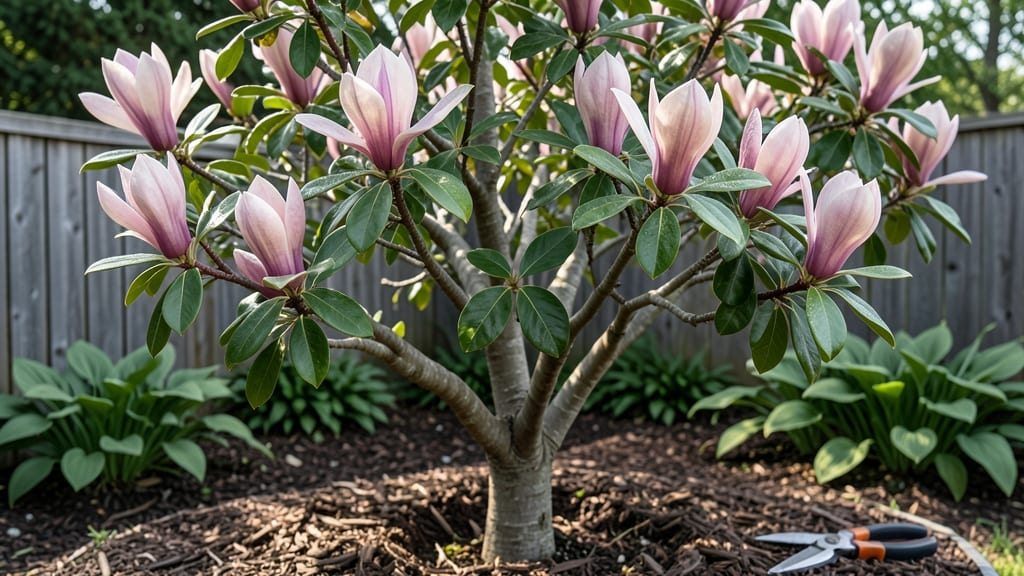
The flowering magnolia tree thrives in the Pacific Northwest’s damp climate, but its frost-resistant pruning secrets are what keep it blooming year after year. 🌸 I’ve watched mine stand tall through icy winters, its glossy leaves unfazed by the chill, and its fragrant blooms arriving earlier than any neighbor’s. The key isn’t just timing—it’s understanding how cold snaps shape its growth.
Start with the right variety—like the Saucer Magnolia or Jane magnolia, both bred to handle PNW winters. These trees need well-draining, slightly acidic soil and morning sun with afternoon shade to prevent leaf scorch.
Water deeply once a week during dry spells, but avoid soggy roots—they’re the enemy of those iconic blooms. Most challenges (like powdery mildew) vanish with proper airflow and mulch.
Pruning in late winter, just before buds swell, is your secret weapon. Cut back dead or crossing branches first, then shape lightly to encourage next year’s flowers. The goal? Open the canopy so sunlight reaches the center—where the best blooms hide.
With this approach, you’ll see bold, healthy flowers by early spring, and a tree that outlasts the frost.
Works for urban yards, rain gardens, or woodland edges—just adapt spacing (15–25 feet apart) to your space. Once established, these trees need almost no care beyond an annual pruning session. Your reward? A backyard centerpiece that smells like spring, even in December.
📚 In This Guide
- What you need
- Instructions
- Tips and common mistakes
- Wrapping up and next steps
What you need
- ● Flowering magnolia tree: 1–2 Magnolia × soulangeana or Magnolia stellata (frost-hardy varieties like 'Black Tulip' or 'Jane')
- ● Size: 3–5 gallon container (young trees) or 15-gallon+ (mature specimens)
- ● Soil & amendments: 50 lbs well-draining, acidic soil mix (pH 5.0–6.5)
- ● 10 lbs peat moss or pine bark fines (for moisture retention)
- ● 5 lbs compost or aged manure (organic matter)
- ● 1 lb sulfur or aluminum sulfate (to lower pH if needed)
- ● Planting tools: 1 shovel or spade (for digging)
- ● 1 hand trowel (for delicate root adjustments)
- ● 1 pruning shears (sterilized, sharp)
- ● 1 measuring tape (for spacing)
- ● Mulch: 3–4 inches pine straw or wood chips (acid-loving mulch)
- ● Watering supplies: 1 hose with adjustable nozzle or watering can
- ○ 1 soaker hose (optional, for deep watering)
- ● 1 tree stake & soft tie (for young trees in windy areas)
- ● 1 frost cloth or burlap wrap (for extra winter protection)
- ● 1 pH testing kit (to monitor soil acidity)
- ● 1 fertilizer (balanced 10-10-10 or magnolia-specific formula)
- ● 1 tree guard or protective barrier (to deter critters)
Step-by-step guide to pruning frost-resistant magnolias in the Pacific Northwest
Here’s how to shape your magnolia for vibrant blooms while protecting it from PNW’s unpredictable frosts.
✂️ Step 1: Time Pruning for Late Winter Dormancy
Prune your magnolia in late winter, just as new buds begin to swell but before any leaves emerge. This timing ensures you don’t accidentally cut off next year’s flowers—magnolias set their buds in the previous season. In the Pacific Northwest, aim for February or early March when temperatures consistently stay above 32°F but below 50°F.
Use sharp, clean pruning shears to make 45-degree cuts just above a bud or branch collar. Avoid cutting into old wood unless you’re removing dead limbs—magnolias heal slowly, and improper cuts invite disease. If you’re unsure which branches to trim, focus on crossing limbs first, then any that rub against each other or grow inward.
☀️ Step 2: Thin for Better Airflow and Sun Penetration
Magnolias thrive with 6+ hours of sunlight daily, but dense canopies block light and trap moisture, creating ideal conditions for fungal diseases like powdery mildew. Step back and scan the tree—look for branches that cast shade on others or create thick clusters. Remove one-third of the thinnest, weakest branches first, cutting them back to the main trunk or a strong lateral branch.
Here’s the thing—magnolias grow slowly, so don’t over-prune. You’ll see new growth emerge in late spring, signaling the tree is recovering. If you notice yellowing leaves or stunted growth after pruning, you may have removed too much. In that case, wait until next winter to make minor adjustments.
🌿 Step 3: Protect New Growth from Late Frosts
The Pacific Northwest’s late spring frosts (common in April) can damage tender new shoots. After pruning, monitor the tree closely. If a hard freeze (below 28°F) is forecasted, cover young, vulnerable branches with frost cloth or burlap. Secure the fabric loosely—tight wraps can trap heat and cause more harm than good.
Water deeply once a week during dry spells in early spring to encourage strong root growth. Healthy roots mean better frost resistance. You’ll know your tree is hydrated properly when the soil feels moist 2-3 inches below the surface—probe with your finger to check. Avoid overhead watering, as wet foliage increases the risk of fungal issues.
⏰ Step 4: Monitor for Flower Bud Development
Magnolia flower buds form on old wood, so prune with care. In early summer, inspect the tree for small, round buds along last year’s growth—these are your future blooms. If you notice any dead or diseased branches, remove them immediately, but avoid heavy pruning now. The tree is focused on growing leaves and strengthening itself for next year’s flowers.
By mid-summer, you’ll see the buds swell slightly. This is your cue to reduce watering slightly (let the top 1-2 inches of soil dry out between waterings) to harden off the wood. Overwatering now can lead to weak, frost-sensitive growth. In the Pacific Northwest, where summers can be wet, ensure your tree has well-draining soil to prevent root rot.
Tips & tricks for pruning frost-resistant magnolias
Here's what I wish I'd known before shaping my first magnolia—these tricks will help you avoid common pitfalls while keeping your tree thriving in PNW's tricky climate.
Timing is Everything: The February-early March window is non-negotiable for frost-resistant varieties. I learned this the hard way after accidentally pruning in January—new growth emerged just before a hard freeze, and those tender shoots never recovered. Check your local frost dates and aim for when daytime temps consistently stay above 32°F during the day but don't exceed 50°F at night. This balance prevents stress while avoiding late-season frost damage.
Cutting Technique Matters: Those 45-degree angles aren't just aesthetic—they're crucial for proper healing. When you make clean cuts just above the branch collar, you're actually creating a natural shield that prevents water from pooling and causing rot. I now keep a small notepad by my tools to sketch the ideal cut angle before I start pruning. And always sterilize your shears between cuts with rubbing alcohol to prevent spreading disease between branches.
Frost Protection Strategy: For the April frost watch, I've started using a simple system: I hang a small thermometer near the tree and set my phone alerts for 28°F warnings. When that temperature triggers, I'm ready with frost cloth cut to size. The key is loose wrapping—tight fabric can actually trap too much heat and cause more damage than the frost itself. You'll know you're doing it right when you can still see sunlight filtering through the fabric.
Seasonal Watering Wisdom: That once-a-week deep watering in early spring is critical, but the mid-summer adjustment is where many gardeners go wrong. I now use a soil moisture meter to check that top 2-3 inches—if it's still damp, I wait. The goal is to harden off those flower buds without encouraging weak, frost-sensitive growth. In wet PNW summers, I've even added a 4-inch layer of wood chips around the base to improve drainage while retaining moisture.
Pro Tips for Flowering Magnolia Tree
- Here's what I wish I'd known before shaping my first magnolia—these tricks will help you avoid common pitfalls while keeping your tree thriving in PNW's tricky climate.
- Timing is Everything: The February-early March window is non-negotiable for frost-resistant varieties.
- Cutting Technique Matters: Those 45-degree angles aren't just aesthetic—they're crucial for proper healing.
Frequently asked questions
Got questions about growing your flowering magnolia tree in the Pacific Northwest? You’re not alone! Here are answers to some of the most common concerns—from timing to troubleshooting—so you can keep your magnolia thriving and stunning year after year.
When is the best time to plant a flowering magnolia in the PNW?
Plant your magnolia in early spring (March–April) or fall (September–October) when soil is moist but not soggy. Avoid extreme heat or frost—PNW winters can be harsh, so give roots time to establish before cold sets in. Choose a spot with morning sun and afternoon shade for optimal growth.
How cold-hardy are flowering magnolias, and can they survive PNW winters?
Most flowering magnolias (like Magnolia × soulangeana or M. stellata) tolerate USDA Zones 5–9, making them great for the PNW. However, young trees may need winter mulch (3–4 inches of wood chips) to protect roots. Evergreen varieties like M. grandiflora are even hardier—just avoid late-spring frosts that can damage blooms.
Should I prune my magnolia after it flowers, or can I do it now?
Prune right after flowering (late spring) to avoid cutting off next year’s buds. Never prune in fall or winter—this can stimulate weak growth that’s vulnerable to frost. Use clean, sharp tools and remove only dead, crossing, or overcrowded branches. Check out our PNW-specific pruning tips for frost-resistant shaping!
What pests or diseases should I watch for in PNW magnolias?
Keep an eye out for magnolia scale (a sap-sucking pest) and anthracnose fungus (brown spots on leaves). Treat scales with horticultural oil in early spring, and improve airflow to prevent fungus. Overwatering or poor drainage can worsen issues—ensure your tree has well-draining soil and space to grow.
Can I grow a flowering magnolia in a container, or does it need to be planted in the ground?
While possible, magnolias thrive best in the ground due to their size and root systems. If container-grown, use a large pot (20+ gallons), high-quality potting mix, and repot every 2–3 years. Dwarf varieties like M. ‘Black Tulip’ adapt better, but expect slower growth and limited frost resistance in small pots.
Pro Tip:
For extra frost protection, wrap young magnolia trunks with tree guard in late fall. And if your blooms get frost-nipped? Don’t panic—magnolias are resilient! They’ll often rebloom later in the season.
Wrapping up and next steps
Your journey to cultivating a stunning, frost-resistant flowering magnolia tree in the Pacific Northwest is well within reach! 🌸 From selecting the right variety to mastering pruning techniques, every step ensures your tree thrives with vibrant blooms and resilience.
Now that you’re armed with expert tips, take the next step—visit a local nursery, grab your pruning shears, and give your magnolia the care it deserves. Watch your garden transform into a breathtaking showcase of nature’s beauty! 🌿