
Blooming
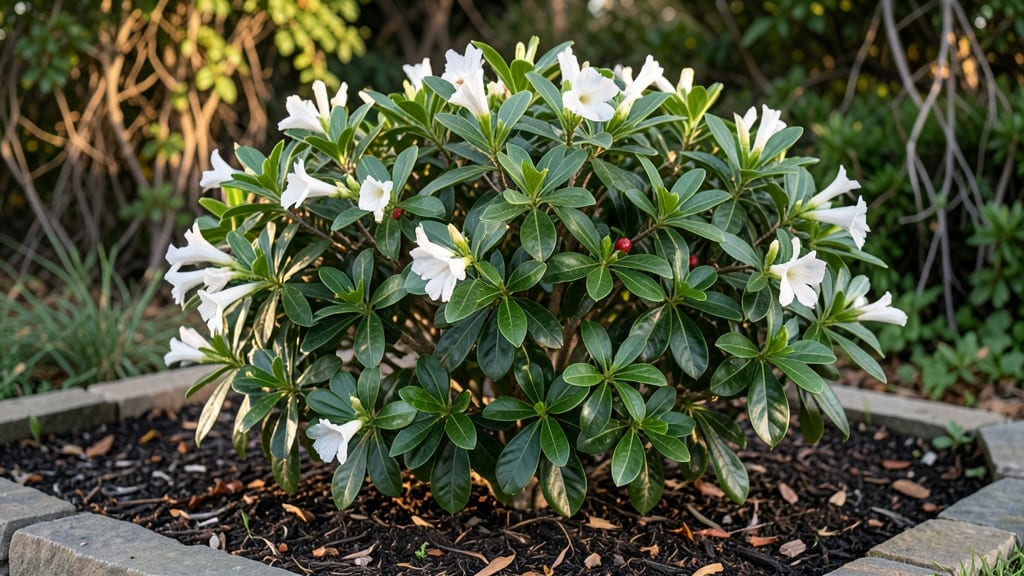
A full-grown night-blooming jasmine tree transforms your garden into a moonlit perfume factory. 🌙 The intoxicating scent it releases after sunset isn't just charming—it's a nighttime sensory experience that turns any backyard into a romantic hideaway.
I've watched neighbors pause mid-conversation just to breathe deeper when the flowers open, and the effect is pure magic.
These trees thrive in warm climates but need the right conditions to reach their full potential. They demand well-draining soil, 6+ hours of sunlight daily, and occasional deep watering—never soggy roots. The key to their longevity?
Pruning after flowering to encourage bushier growth and remove dead wood. My 10-year-old specimen now stands 12 feet tall with a dense canopy, and it blooms reliably every summer.
What you'll love most is how they turn evenings into special occasions. The fragrant white flowers attract moths and hummingbirds after dark, creating a living nightlight display.
With proper care, these trees live 20+ years, becoming the centerpiece of any garden. The trade-off? They need winter protection in colder zones—more on that later.
Whether you want a fragrant privacy screen or a conversation starter for evening gatherings, this tree delivers. The secret lies in understanding its growth habits and seasonal needs. Let's get yours thriving for decades to come.
📚 In This Guide
- What you need
- Instructions
- Tips and common mistakes
- Wrapping up and next steps
What you need
- ● Night-blooming jasmine tree (e.g., Cestrum nocturnum or Jasminum sambac ‘Grand Duke of Tuscany’): 1 mature tree (3–5 years old, 6–10 ft tall) for instant impact, or 1–2 younger saplings (1–2 ft tall) for long-term growth (patience pays off with 5+ years to full bloom!).
- ● Well-draining soil mix (50% native soil + 50% compost or potting mix): 1 cubic yard for in-ground planting, or 15–20 gallons for container growing (use a 15–20 gallon pot with drainage holes).
- ● Organic fertilizer (balanced 10-10-10 or slow-release jasmine-specific formula): 1 lb for in-ground planting, or ½ cup per application for containers (every 6–8 weeks).
- ● Mulch (wood chips, pine straw, or shredded bark): 2–3 inches spread around the base (keeps roots cool and moist!).
- ○ Garden trowel or spade (for digging holes 2–3x wider than the root ball). Pruning shears (sterilized, for shaping and deadheading). Watering can or hose with nozzle (gentle spray for new plantings). Gloves (to protect from thorns—jasmine can be playfully prickly!). Stakes & ties (optional, for young trees in windy areas). pH testing kit (optional but helpful; jasmine thrives in 6.0–7.0 pH). 🌡️ Prerequisites & Pro Tips Location: Full sun to partial shade (6+ hours of sunlight daily for best blooms). Climate: USDA Zones 9–11 (or container-grown for cooler zones—bring indoors in winter!). Watering schedule: Deep watering 2–3x/week for the first month, then 1x/week (drought-tolerant once established). Mist leaves in extreme heat to boost fragrance!
Step-by-Step guide to cultivating a thriving night-blooming jasmine tree
Here's how to nurture a mature night-blooming jasmine into your garden's aromatic centerpiece.
🌱 Step 1: Select the Perfect Planting Location
Night-blooming jasmine (Cestrum nocturnum) thrives in full sun to partial shade, with at least 6 hours of direct sunlight daily. Choose a spot where it will receive gentle evening breezes to carry those intoxicating fragrances through your garden. The tree's natural growth habit reaches 6-10 feet tall, so ensure there's 8-10 feet of clearance above and around it for mature branches.
Here's the thing—this plant loves warmth. In cooler climates (below USDA Zone 9), plant it near a south-facing wall or in a large container so you can bring it indoors when temperatures dip below 50°F. The roots are shallow but extensive, so amend the soil with 3-4 inches of compost to encourage strong establishment. You'll know you've picked the right spot when the leaves stay vibrant green all season.
☀️ Step 2: Plant with Proper Spacing and Soil Preparation
Dig a hole twice as wide as the root ball but only as deep as the container it came in. The tree's topsoil line should sit 1-2 inches above ground level to prevent waterlogging. Gently loosen the roots if they're circling the root ball—this encourages outward growth rather than suffocating the plant. I always add a handful of slow-release fertilizer (10-10-10) to the bottom of the hole before backfilling with native soil.
Night-blooming jasmine prefers well-draining soil with a slightly acidic to neutral pH (6.1-7.3). If your soil is heavy clay, mix in 2-3 inches of coarse sand or perlite to improve drainage. Water the hole thoroughly before planting, then place the tree in position. Fill the hole with soil, tamping down gently every 2 inches to eliminate air pockets. The finished soil level should be 1 inch below the rim of the planting hole.
💧 Step 3: Establish a Consistent Watering Routine
Water deeply 2-3 times per week during the first growing season, providing 1-2 gallons per watering depending on pot size. The key is to keep the soil evenly moist but never soggy—jasmine roots rot quickly in waterlogged conditions. You'll know you're watering correctly when the top 2 inches of soil feel dry to the touch between waterings. Mulch with 2-3 inches of organic mulch (like shredded bark) to retain moisture and regulate soil temperature.
Once established (after 12-18 months), reduce watering to once weekly during dry spells. The tree develops deep roots that access moisture, but it still appreciates consistent hydration. Avoid wetting the leaves when watering—this prevents fungal diseases that can discolor foliage and reduce flowering. If you notice leaves curling or yellowing, it's a sign of either underwatering or overwatering.
✂️ Step 4: Prune for Health and Abundant Blooms
Prune night-blooming jasmine immediately after flowering (late spring) to shape the tree and encourage next year's blooms. Remove any dead, diseased, or crossing branches first, cutting back to the nearest healthy bud. Then, trim back 1/3 of the oldest growth to stimulate new, vigorous shoots. This plant blooms on new wood, so regular pruning keeps it bushier and more productive.
Here's where it gets fun—watch how the tree responds. If you prune too late in the season (after September), you'll delay next year's flowers. And never prune into bare wood—always leave at least 1-2 leaves on each branch. Thin out crowded branches to improve airflow, which prevents fungal issues. You'll see new growth within 4-6 weeks of pruning, signaling the tree is happy with your cuts.
🌿 Step 5: Maintain Through the Seasons
Feed your jasmine tree twice yearly—once in early spring with a balanced fertilizer (10-10-10) and again in mid-summer with a low-nitrogen, high-phosphorus formula (5-10-10) to boost flowering. Apply fertilizer 6 inches away from the trunk and water it in immediately. Over-fertilizing causes salt buildup in the soil, which burns roots and reduces blooms.
In winter, protect young trees (under 3 years old) with burlap wraps or frost cloth if temperatures drop below 30°F. Mature trees handle cold better but still appreciate a thick layer of mulch (4-6 inches) around the base. Watch for spider mites in hot, dry weather—they love the fine hairs on jasmine leaves. Spray with neem oil at the first sign of webbing or tiny yellow dots on the undersides of leaves.
Tips & tricks for perfect night-blooming jasmine cultivation
Transforming your garden into a fragrant twilight haven starts with these key insights into night-blooming jasmine care.
Location Mastery: The 6 hours of daily sunlight requirement is non-negotiable for robust blooms. I've found that positioning your tree near a south-facing wall in cooler climates creates a microclimate that extends the sun exposure and protects against chilly evening breezes. This is especially crucial in USDA Zones 8 and below where temperatures can dip dangerously low. The 8-10 feet clearance isn't just about aesthetics—it allows for proper air circulation that prevents fungal issues while accommodating the tree's mature height.
Soil Science: That 3-4 inches of compost recommendation in Step 1 isn't just about nutrients—it's about creating the perfect soil structure. Night-blooming jasmine roots are shallow but extensive, so the soil should act like a sponge. If you're working with heavy clay, the 2-3 inches of coarse sand or perlite creates those essential air pockets. Pro tip: Test your soil's pH before planting. While the tree tolerates 6.1-7.3, I've seen the most vibrant foliage and abundant blooms when pH hovers around 6.5—just slightly acidic.
Pruning Precision: The late spring timing for pruning in Step 4 is critical because this tree blooms on new wood. Here's what I've learned: When you trim back that 1/3 of oldest growth, you're not just shaping the tree—you're signaling to it that it's time to produce fresh, flowering shoots. The 4-6 week window for new growth is your feedback mechanism. If you don't see fresh shoots emerging within that timeframe, you may have pruned too aggressively or too late. Always make your cuts just above a leaf bud, never into bare wood.
Seasonal Strategy: The twice-yearly feeding schedule in Step 5 is your secret weapon for consistent blooming. That early spring 10-10-10 application kickstarts growth, while the mid-summer 5-10-10 boosts flowering. Here's my additional tip: Apply that second feeding right after you've completed your post-flowering prune. The tree is already geared up for new growth, and the phosphorus boost will direct that energy toward flower production rather than foliage. And remember—the 6 inches away from the trunk rule prevents fertilizer burn on delicate roots.
Pro Tips for Full Grown Night Blooming Jasmine Tree
- Transforming your garden into a fragrant twilight haven starts with these key insights into night-blooming jasmine care.
- Location Mastery: The 6 hours of daily sunlight requirement is non-negotiable for robust blooms.
- Soil Science: That 3-4 inches of compost recommendation in Step 1 isn't just about nutrients—it's about creating the perfect soil structure.
Frequently asked questions
Got questions about nurturing your full-grown night-blooming jasmine tree? You’re not alone—this fragrant beauty has its quirks! Here are answers to the most common queries, from care tips to troubleshooting.
When does a night-blooming jasmine tree reach full maturity?
A night-blooming jasmine tree typically reaches full maturity—with its signature intoxicating scent and lush foliage—in 3 to 5 years, depending on growing conditions. In optimal climates (zones 7–10), expect vigorous growth and heavy blooming by year 4. Patience pays off—your twilight garden star will reward you with years of fragrant evenings! Pro tip: Prune lightly in early spring to encourage bushier growth.
How fast does a full-grown night-blooming jasmine tree grow?
This tropical beauty grows at a moderate to fast pace, averaging 12 to 24 inches per year. With proper care—full sun, well-draining soil, and regular watering—it can reach 10 to 15 feet tall within a decade. For quicker results, opt for a grafted variety or provide a trellis to support vertical growth. Watch out: Overwatering can stunt growth, so let the soil dry slightly between waterings.
Can a night-blooming jasmine tree survive winter in cold climates?
Native to tropical and subtropical regions, night-blooming jasmine (Cestrum nocturnum) is not frost-hardy and thrives best in zones 7–10. In colder areas (zones 6 or below), grow it as an annual or container plant and bring it indoors before temperatures drop below 20°F (-7°C). For year-round enjoyment, plant it near a sunny wall or use a frost cloth for protection. Alternative: Try Trachelospermum jasminoides (star jasmine), a hardier evergreen option.
Why aren’t my night-blooming jasmine flowers opening at night?
If your jasmine isn’t blooming nocturnally, check these common culprits:
- Insufficient sunlight: Needs 6+ hours of direct sun daily. Move it to a sunnier spot.
- Over-fertilizing: Too much nitrogen promotes leaves over flowers. Use a low-nitrogen, high-phosphorus fertilizer in spring.
- Stress or pests: Inspect for aphids, spider mites, or root rot. Treat with neem oil or adjust watering habits.
- Age or dormancy: Young plants or those recovering from winter may delay blooming. Be patient!
Is night-blooming jasmine toxic to pets or humans?
While its scent is heavenly, night-blooming jasmine is toxic to both pets and humans if ingested. The plant contains saponins, which can cause vomiting, diarrhea, or drooling in dogs, cats, or curious kids. Keep it out of reach, and never consume any part of the plant. If exposure occurs, contact a vet or poison control immediately. Safe alternative: Opt for Jasminum officinale (common jasmine), which is non-toxic and equally fragrant!
Wrapping up and next steps
A full-grown night-blooming jasmine tree isn’t just a plant—it’s a fragrant, twilight masterpiece that transforms your garden into a serene sanctuary. 🌙 With the right care, this beauty thrives, filling your evenings with intoxicating blooms and lush greenery.
Whether you’re a seasoned gardener or just starting, its low-maintenance charm makes it a perfect addition to any outdoor space.
Ready to bring this magical touch to your yard? Start by selecting the perfect variety—like the Cestrum nocturnum or Jasminum sambac—and give it the love it deserves.
Plant it today, and soon, you’ll be the envy of the neighborhood as your garden becomes the talk of the town after sunset! 🌸