
Pruning
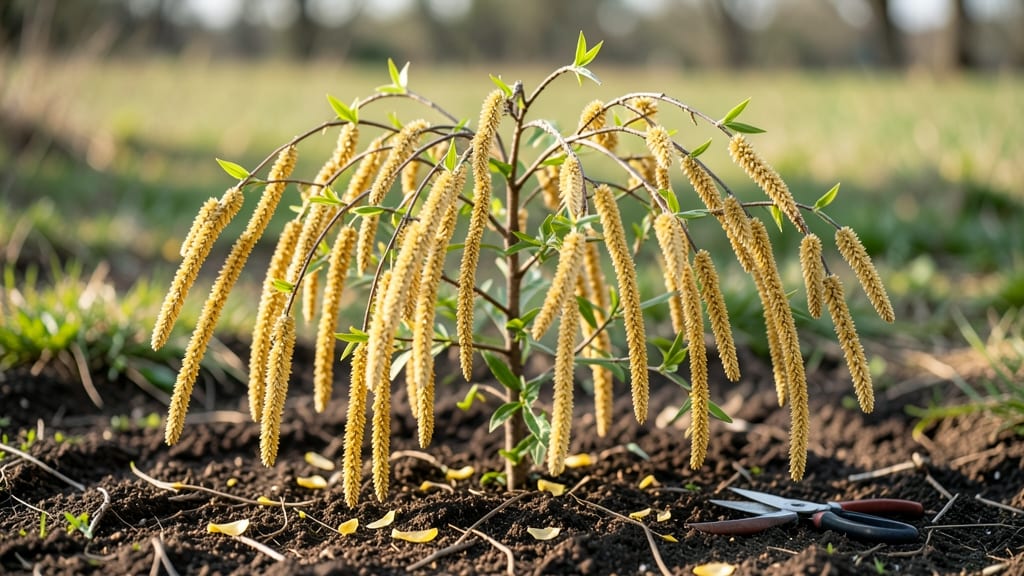
The golden curly willow tree brings year-round drama to any landscape with its cascading golden branches that shimmer in every season.
I planted mine last spring, and the way its weeping habit frames my patio like a natural curtain still takes my breath away—especially when winter winds make the branches sway like golden ribbons.
It’s the kind of tree that makes neighbors stop and ask questions, all while demanding almost no pruning once established.
This tree thrives in full sun to partial shade, making it perfect for yards with open spaces or even large containers. The soil can be average—it’s not fussy about nutrients—but it does need good drainage to prevent those delicate roots from sitting in soggy conditions.
In my zone 6 garden, I planted mine in early spring after the last frost, and within weeks, the new growth started unfurling like clockwork. The key is giving it room to spread—these trees can reach 15-20 feet wide if left unpruned, so plan accordingly.
Once settled, the golden curly willow rewards you with minimal effort. Water deeply the first year to encourage root growth, then let nature take over—it’s surprisingly drought-tolerant once established. Pruning? Just a light trim in late winter to shape it or remove any dead branches.
The real magic happens when the golden foliage catches the light, creating a dazzling display that lasts from spring through fall, and even holds its own in winter’s stark beauty.
Perfect for creating privacy screens, framing patios, or adding texture to large garden beds. It’s the kind of tree that grows more stunning with age, and the best part? You’ll spend more time admiring it than fussing over it. Ready to add this showstopper to your yard?
📚 In This Guide
- What you need
- Instructions
- Tips and common mistakes
- Wrapping up and next steps
What you need
- ● Golden Curly Willow Tree: 1 healthy sapling or small tree (check local nurseries for Salix caprea ‘Pendula’ or similar cultivars).
- ● Well-draining soil: 2–3 cubic yards (or amend existing soil with compost for better drainage).
- ● Organic mulch: 3–4 inches (e.g., wood chips or straw) to retain moisture and suppress weeds.
- ● Watering can or hose: With a gentle spray nozzle for deep watering.
- ● Pruning shears: Sharp, bypass-style shears (for small branches, ¼–½ inch thick).
- ● Loppers: 1 pair (for thicker branches, up to 1–2 inches in diameter).
- ● Pruning saw: 1 handheld saw (for stubborn branches over 2 inches thick).
- ● Gloves: Heavy-duty work gloves to protect against thorns and rough bark.
- ○ Disinfectant (optional but recommended): 70% rubbing alcohol or pruning sealant to sterilize tools between cuts.
- ● Fertilizer: Slow-release, balanced fertilizer (10-10-10) for nutrient boosts in early spring.
- ● Tree stakes & ties: 2–3 stakes (for young trees in windy areas).
- ● Pest control: Horticultural oil or neem oil (if aphids or spider mites become an issue).
- ● Decorative accents: Solar-powered lights or garden flags to highlight your tree’s golden curls!
How to plant and maintain a golden curly willow tree
Here's how to bring this stunning, low-maintenance tree into your landscape with ease.
🌱 Step 1: Choose the Perfect Planting Spot
Golden curly willow thrives in full sun to partial shade, but for maximum drama, aim for at least 6 hours of direct sunlight daily. The tree’s golden foliage and cascading branches need bright light to maintain their vibrant color all year. Look for a spot with well-draining soil—this tree hates soggy roots, so avoid low-lying areas where water pools.
I like to plant mine near a water feature or pond edge, where the weeping branches can create natural movement and shade. If your soil is heavy clay, mix in 2-3 inches of compost to improve drainage before planting. The tree’s roots will thank you by growing stronger and healthier.
Dig a hole twice as wide as the root ball but only as deep. The top of the root ball should sit 1 inch above ground level—this prevents water from pooling around the base. Gently loosen the roots if they’re circling tightly in the container, as this encourages outward growth.
🪴 Step 2: Plant and Water for Immediate Stability
Place the tree in the hole and backfill with native soil, tamping lightly every 6 inches to remove air pockets. Water deeply right after planting to settle the soil and eliminate gaps. You’ll know it’s done right when the soil surface looks slightly damp but not muddy—this ensures the roots make good contact with the earth.
I always add a 2-3 inch layer of mulch around the base, keeping it 6 inches away from the trunk to prevent rot. Use organic mulch like wood chips or shredded bark, which breaks down slowly and improves soil structure over time. Mulch also helps retain moisture, reducing the need for frequent watering.
Water the tree once a week for the first month, providing 1-2 gallons per watering to encourage deep root growth. After that, reduce to every 2 weeks unless your area experiences extreme heat or drought. Overwatering is the biggest mistake—yellowing leaves often signal soggy roots.
☀️ Step 3: Prune Strategically for Year-Round Appeal
Golden curly willow is famous for its minimal pruning needs, but a little effort goes a long way. The best time to prune is late winter or early spring, just before new growth begins. Remove any dead, diseased, or crossing branches first—they’ll ruin the tree’s natural shape and health.
To encourage that lush, cascading look, I lightly trim the outer branches to 2/3 of their length in early spring. This stimulates bushier growth and prevents the tree from becoming too leggy. Avoid heavy pruning in fall, as the tree needs its foliage to store energy for winter.
Watch for suckers—small shoots growing at the base of the tree. While they’re not harmful, they divert energy from the main branches. Snip them off at the base with clean pruners. A little pruning now means bold, golden foliage all year with almost no upkeep.
✂️ Step 4: Maintain Year-Round Without the Hassle
Fertilize lightly in early spring with a balanced, slow-release fertilizer to support new growth. Over-fertilizing leads to weak, floppy branches, so stick to half the recommended dose. The tree’s natural beauty comes from its structure, not excessive nutrients.
Monitor for pests like aphids or spider mites, which love tender new growth. A strong spray of water usually washes them away, but if they persist, use an insecticidal soap—it’s gentle on the tree and effective. Healthy golden curly willow rarely attracts pests, so this is more of a preventative check than a regular chore.
In winter, the tree’s golden branches create stunning contrast against snow. I never prune for winter interest—just enjoy the natural shape. If you notice any brown, brittle branches, remove them in late winter to keep the tree looking its best.
Tips & tricks for perfect golden curly willow tree planting
Here's what nobody tells you about making your golden curly willow thrive with almost no effort.
Sunlight Secret: That 6 hours of sunlight isn't just a suggestion—it's non-negotiable for maintaining those golden leaves year-round. I've seen trees in partial shade lose their vibrant color by summer. If your yard only gets 4-5 hours, consider planting near a south-facing wall or using reflective surfaces like light-colored fencing to maximize light exposure.
Root Ball Rescue: When you're loosening those circling roots in Step 1, don't just pull them apart—score the bottom of the root ball with a knife first. This creates channels for new roots to grow outward immediately, giving your tree a stronger start. I've seen trees planted without this step struggle for years to establish properly.
Mulch Magic: That 2-3 inch layer of mulch isn't just decoration—it's your secret weapon against weeds and moisture loss. I always use cedar mulch because it naturally repels pests while breaking down slowly. Just remember to keep it 6 inches away from the trunk to prevent rot. A fresh layer every spring keeps your tree looking pristine with minimal effort.
Watering Wisdom: Those first 2 gallons per week aren't just about hydration—they're about teaching your tree's roots to grow deep. I've seen many gardeners overwater, thinking more is better, only to end up with yellowing leaves from soggy roots. Let the top inch of soil dry between waterings after the first month, and your tree will develop that strong root system that makes golden curly willows so drought-tolerant.
Pro Tips for Golden Curly Willow Tree
- Here's what nobody tells you about making your golden curly willow thrive with almost no effort.
- Sunlight Secret: That 6 hours of sunlight isn't just a suggestion—it's non-negotiable for maintaining those golden leaves year-round.
- Root Ball Rescue: When you're loosening those circling roots in Step 1, don't just pull them apart—score the bottom of the root ball with a knife first.
Frequently asked questions
Got questions about the golden curly willow tree? You’re not alone! This stunning tree is low-maintenance but still deserves attention. Here are answers to the most common queries to help you keep your willow thriving—without the hassle.
How often should I prune my golden curly willow?
The golden curly willow is famous for its minimal pruning needs—just a light trim in late winter or early spring (before new growth starts) to shape it and remove dead branches. Avoid heavy pruning; this tree thrives on its natural, wispy form! For dramatic effect, a light haircut once a year is plenty.
Can golden curly willows survive winter?
These trees are hardy in USDA zones 4-9 and handle winter well, thanks to their flexible branches and cold resistance. However, young trees may need winter protection (like wrapping or mulch) in harsh climates. If your area gets heavy snow, gently brush off branches to prevent breakage.
What’s the best way to revive a leggy or sparse golden curly willow?
If your willow looks too sparse, it’s likely due to over-pruning or poor sunlight. Try these fixes:
- Prune strategically: Cut back 1/3 of the oldest branches at the base to encourage new growth.
- Boost sunlight: Plant in a full-sun spot (6+ hours of light daily).
- Fertilize lightly: Use a balanced, slow-release fertilizer in early spring.
Are there alternatives to golden curly willows for small spaces?
If space is tight, consider these low-maintenance, ornamental willow alternatives:
- Weeping Pussy Willow (Salix caprea ‘Pendula’): Smaller but still dramatic, with fuzzy catkins.
- Dwarf Golden Willow (Salix alba ‘Chermesina’): Compact (8-10 ft tall) with golden foliage.
- Purple Smoke Tree (Cotinus coggygria): Adds color and texture without the willow’s sprawl.
Why are my golden curly willow leaves turning yellow or brown?
Yellowing or browning leaves usually signal overwatering, underwatering, or nutrient issues. Check these fixes:
- Watering: Keep soil moist but not soggy—willows hate “wet feet.”
- Soil pH: Test for acidity (pH 6.0-7.5). Amend with sulfur if needed.
- Pests/disease: Look for aphids or fungal spots. Treat with neem oil or fungicide if spotted.
Wrapping up and next steps
The golden curly willow tree is a stunning, low-maintenance star that brings year-round drama to any landscape—with minimal pruning effort! 🌿 Whether you're drawn to its cascading branches, golden hues, or adaptability, this tree is a dream for both beginners and seasoned gardeners.
Its resilience and beauty make it a worthy addition to gardens, water features, or even urban spaces.
Ready to transform your outdoor space? Start by assessing your tree’s needs—whether it’s a gentle trim in early spring or a strategic cut to shape its growth. Grab your tools, roll up your sleeves, and give your golden curly willow the care it deserves! 🌟