
Pruning
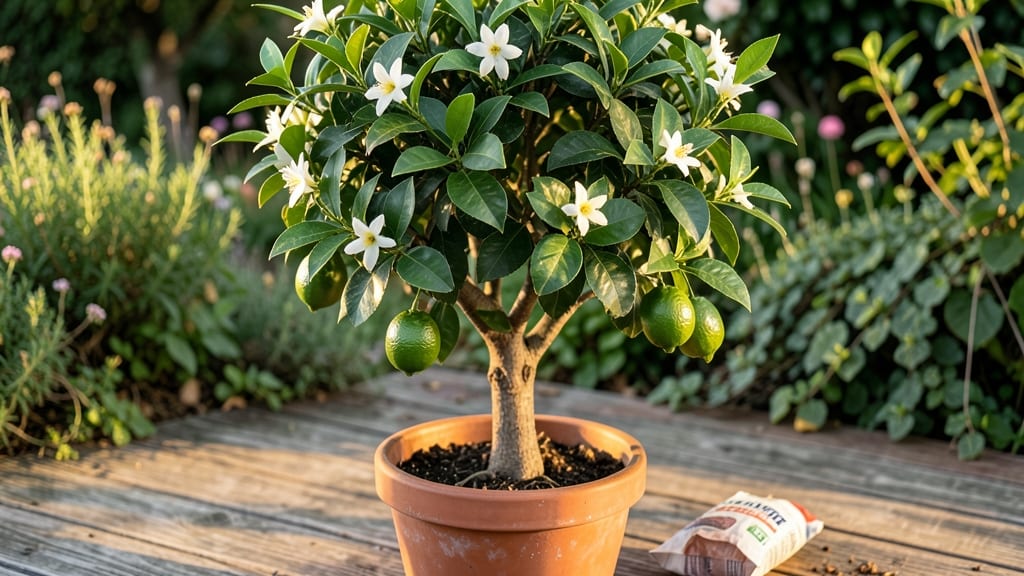
A grafted lime tree can thrive in the Pacific Northwest—yes, even with our chilly winters. 🌿 I’ve grown these citrus wonders for years, and the secret lies in the right variety, strategic pruning, and a few clever tricks to protect them from frost.
The key is choosing a cold-hardy rootstock like 'Swingle' or 'Flying Dragon,' then training the tree to produce fruit year-round despite our damp climate.
Most people assume lime trees belong in California, but grafted varieties with tough rootstock can handle temperatures down to 15°F with proper care. You’ll need well-draining soil, full sun exposure, and a pruning schedule that keeps the tree compact yet productive.
The first year is about establishing strong roots, while subsequent winters focus on protecting blossoms and young fruit from late frosts.
By spring, you’ll be harvesting bright, juicy limes straight from your backyard—something most PNW gardeners thought was impossible. The tree stays lush and green even through winter, with minimal dieback if you follow the frost-proofing steps.
Plus, the pruning process itself becomes therapeutic once you see how responsive these trees are to your care.
This method works for both container growing (great for patios) and in-ground planting, though containers offer extra frost protection. The biggest challenge is balancing fruit production with cold tolerance, but once you master the pruning blueprint, your lime tree will reward you with abundant harvests every season—no greenhouse required.
📚 In This Guide
- What you need
- Instructions
- Tips and common mistakes
- Wrapping up and next steps
What you need
- ● Grafted lime tree (Citrus × aurantifolia or hybrid): 1–2 trees (choose a frost-hardy variety like ‘Improved Meyer’ or ‘Ponderosa’ grafted onto a trifoliate orange rootstock for PNW resilience).
- ● Size: 1–3 gallon container (young trees) or bare-root (for transplanting).
- ● Pruning tools: 1 pair bypass pruners (sharp, clean, and sanitized with rubbing alcohol).
- ● 1 pair felco pruners (for thicker branches, 8–12" handles).
- ● 1 pruning saw (for large limbs, 8–10" blade).
- ● Safety gear: 1 pair gardening gloves (nitrile-coated for grip).
- ○ 1 respirator mask (optional but recommended for dusty debris).
- ● Healing agents: 1 tube pruning sealant (e.g., Tanglefoot Tree Wound Pruning Seal).
- ○ 1 bag organic wound dressing (optional: beeswax or tree pitch).
- ● Container or planting site (if not in-ground): 1 large pot (15+ gallons, with drainage holes) or a raised bed (if growing in containers).
- ● 1–2 potting mix bags (citrus-specific or well-draining blend: 60% peat/perlite, 30% compost, 10% sand).
- ● 1 humidity dome or frost cloth (for young trees in winter).
- ● 1 tree support stake (if planting in windy PNW areas).
- ● 1 soil moisture meter (to monitor drought stress).
- ● 1 citrus fertilizer (balanced NPK, 6-6-6 or organic options like fish emulsion).
- ● 1 mulch blanket (2–3" layer of straw or wood chips to insulate roots).
Step-by-step pruning guide for Pacific Northwest grafted lime trees
Here’s how to keep your frost-hardy lime thriving—and fruiting—through PNW winters.
✂️ Step 1: Time Your First Cut for Winter Hardening
Prune your grafted lime tree in early spring, just as new growth begins but before buds swell. This timing ensures the tree isn’t stressed by late frosts while still allowing energy to focus on frost-resistant wood development. In the PNW, aim for late February to March—after the last hard freeze but before active growth surges.
Use sharp, clean pruners to make cuts at a 45-degree angle about ¼ inch above a bud facing outward. This prevents water from pooling and reduces disease risk. If you missed the window, wait until late winter dormancy (January) but avoid cutting too early—you’ll expose tender wood to winter dieback.
🌿 Step 2: Remove Dead, Weak, and Crossing Branches
Start by eliminating dead or diseased wood—it’s the easiest way to improve airflow and reduce fungal pressure. Look for branches with brown, shriveled leaves or hollow centers; cut these back to the main trunk or a healthy lateral branch. Never leave stubs—they invite pests and rot.
Next, remove weak, thin branches (those smaller than a pencil) and crossing or rubbing branches. These compete for energy and create entry points for pathogens. If two branches grow toward each other, remove the weaker one at its base. You’ll know you’ve done this right when the tree’s structure opens up, letting sunlight reach the center.
☀️ Step 3: Shape for Sun Exposure and Frost Protection
Grafted lime trees need full sun (6+ hours daily) to ripen fruit, but PNW winters demand strategic shaping. Focus on raising the canopy by cutting back lower branches to 3-4 feet off the ground. This prevents snow and ice from breaking limbs while keeping the fruit-bearing wood above frost pockets.
Thin out the center to reduce frost pockets—dense growth traps cold air, damaging buds. Aim for an open vase shape with branches spaced 8-12 inches apart. If your tree has water sprouts (fast-growing vertical shoots), remove them entirely—they drain energy and rarely bear fruit.
⏰ Step 4: Summer Light Pruning for Fruit Production
After the initial spring prune, perform light maintenance cuts in summer to encourage fruiting. Pinch back new growth tips by ½ inch to promote bushier, more productive branches. Do this in June or July when the tree shows vigorous new shoots—this signals it’s ready for shaping.
Remove suckers (shoots growing below the graft) immediately—they divert energy from the grafted lime. If you see small, leathery leaves on the trunk, cut them off at the base. Summer pruning keeps the tree manageable and ensures energy goes to fruit development, not excessive foliage.
✂️ Step 5: Autumn Cleanup for Winter Resilience
In October or November, do a final light prune to remove any damaged or diseased branches from the current year’s growth. Avoid heavy cuts now—the tree needs to harden off before winter. Focus on sanitizing tools between cuts (wipe with rubbing alcohol) to prevent spreading disease.
Apply a 2-inch layer of mulch around the base (but not touching the trunk) to insulate roots from frost. This is especially critical in the PNW, where sudden cold snaps can stress grafted trees. Water deeply before the first freeze to help the tree store moisture for winter.
Tips & tricks for perfectly pruned Pacific Northwest grafted lime trees
Mastering these pruning strategies will transform your frost-hardy lime into a year-round fruit powerhouse.
Timing is Everything: The late February to March window is non-negotiable for PNW climates. I learned this the hard way after pruning too early—my tree's tender wood froze solid during a late March cold snap. Check your local frost dates and aim for when buds begin to swell but haven't broken yet. This timing balances frost protection with new growth stimulation.
Tool Prep Makes All the Difference: Never skip sanitizing your pruners between cuts. I use a 70% rubbing alcohol wipe between each branch, especially when dealing with diseased wood. Sharp tools make clean cuts that heal faster, and a 45-degree angle about ¼ inch above an outward-facing bud creates the perfect growth platform. Dull tools crush wood fibers, inviting infections.
Visual Cues for Pruning Success: When removing crossing branches, imagine sunlight streaming through your tree—this is your goal. You'll know you've done it right when you can see clear pathways through the center. For water sprouts, look for those fast-growing vertical shoots that shoot straight up like arrows; these are energy vampires that never bear fruit. Remove them completely at the base.
Seasonal Strategy for Maximum Fruit: The summer pinch-back technique in June or July is where the magic happens for fruit production. When you see vigorous new shoots, that's your cue to pinch back those tips by ½ inch. This might seem counterintuitive, but it forces the tree to branch out rather than grow tall, creating more fruit-bearing wood. I've seen trees go from sparse fruit to abundant harvests just by mastering this summer pruning.
Pro Tips for Grafted Lime Tree
- Mastering these pruning strategies will transform your frost-hardy lime into a year-round fruit powerhouse.
- Timing is Everything: The late February to March window is non-negotiable for PNW climates.
- Tool Prep Makes All the Difference: Never skip sanitizing your pruners between cuts.
Frequently asked questions
about grafted lime trees—especially in the Pacific Northwest—can save you time and frustration. Here are answers to the most common queries from gardeners and homeowners alike.Can grafted lime trees survive PNW winters without extra protection?
Most grafted lime trees (like Meyer lime varieties) are bred for cold tolerance, handling temps down to 15–20°F with proper care. However, young trees or severe freezes (<15°F) may need burlap wraps, mulch, or temporary row covers. Prune in late winter to reduce frost damage risk.
When’s the best time to prune a grafted lime tree in the PNW?
Prune late winter to early spring (Feb–March) before new growth starts. Avoid heavy pruning in fall—it can stress the tree before winter. Focus on removing dead wood, crossing branches, and shaping to improve airflow and sunlight.
How do I encourage more fruit production on my grafted lime?
Fruit production thrives with balanced pruning, adequate sunlight (6+ hours/day), and regular watering. Thin overcrowded fruit in summer to improve size/quality. Avoid over-fertilizing with nitrogen—it boosts leaves over fruit. Pro tip: Grafted trees may take 2–3 years to bear fruit.
What are good alternatives if my grafted lime tree struggles in cold climates?
If your grafted lime tree fails, consider cold-hardy citrus hybrids like:
- ‘Improved Meyer’ lime (hardier than standard Meyer)
- ‘Calamondin’ orange (tolerates 20°F)
- ‘Trifoliate orange’ rootstock (boosts cold resistance)
Or opt for container-growing and winterizing pots with insulation.
Why are my grafted lime tree’s leaves yellowing or dropping?
Yellow leaves often signal overwatering, nutrient deficiency, or root issues. Check soil moisture (limes hate soggy roots!) and test for nitrogen/iron deficiency (common in PNW soil). If the graft union (bulge near base) cracks or rots, the tree may need re-grafting or replacement.
Wrapping up and next steps
Grafting your lime tree for the Pacific Northwest’s chilly climate isn’t just possible—it’s a game-changer for year-round fruit! 🌱 With the right frost-resistant varieties, pruning techniques, and seasonal care, you can enjoy homegrown limes even in cooler regions.
The key lies in patience, precision, and a little extra love during winter.
Ready to take the next step? Start by selecting your grafted variety (like ‘Meyer’ or ‘Improved Meyer’) and booking a local nursery or grafting workshop if you’re new to the process. Then, roll up your sleeves—your future lime harvest is waiting! 🍋✨