
Pruning
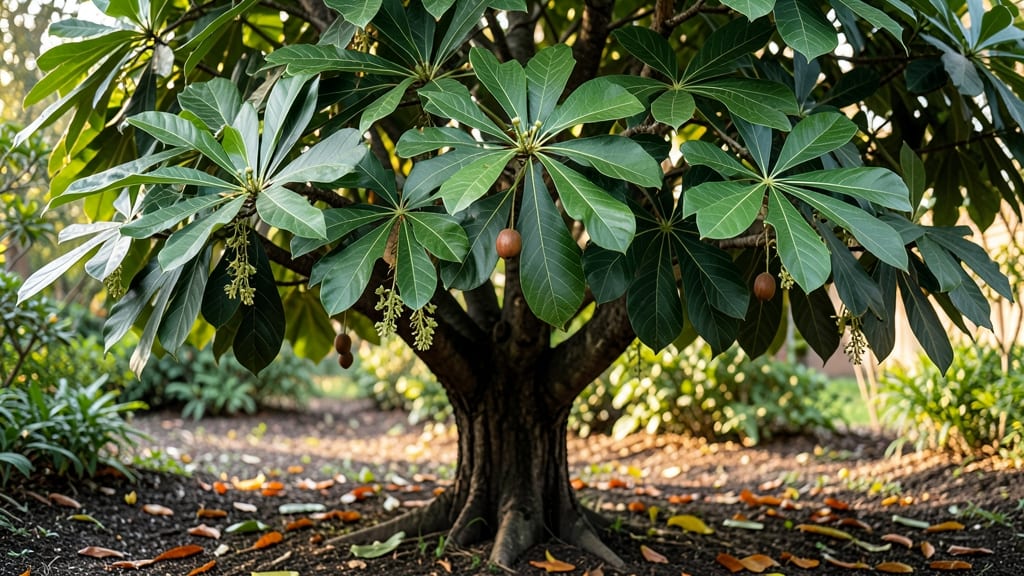
Growing a green almond tree in the Pacific Northwest starts with understanding its tropical roots and cold-hardy adaptations. I learned the hard way—my first tree nearly died after a late frost—until I adjusted my pruning approach to protect its delicate leaves while encouraging new growth.
The key is timing: prune after the last frost, but before summer heat sets in, to avoid stressing the tree when it's most vulnerable.
This tree thrives in well-draining soil and full sun, but it’s surprisingly adaptable to cooler climates than most assume. In my zone 8 garden, it handles temperatures down to 20°F once established, though young trees need winter protection.
The leaves alone make it worth growing—they turn a stunning bronze in fall, and the glossy green foliage provides year-round shade. Plus, those edible nuts? They’re a bonus for patient gardeners.
Pruning isn’t just about shaping—it’s about survival. I focus on removing dead wood first, then thinning out crowded branches to improve airflow and light penetration. The goal is a strong, open canopy that sheds snow easily and resists fungal diseases common in damp Pacific Northwest winters.
With the right cuts, your tree will reward you with vibrant new growth by early summer and a harvest of almonds in late fall.
Whether you’re using it as a shade tree, a specimen plant, or even for its edible leaves (young ones make great tea!), the green almond tree adds dramatic tropical flair to any landscape.
The secret to long-term success? Don’t rush pruning—patience here means fewer cold-damage struggles down the road. Ready to give it a try?
📚 In This Guide
- What you need
- Instructions
- Tips and common mistakes
- Wrapping up and next steps
What you need
- ● Green almond tree (Prunus scoparia) – Choose a 1-3 year old sapling from a reputable nursery (ensure it’s cold-hardy for zones 5-8).
- ● Well-draining soil mix – A blend of 60% native soil, 30% compost, and 10% perlite or coarse sand (pH 6.0-7.5).
- ● Pruning tools: Bypass pruners (for small branches, ¼”-½” diameter)
- ● Loppers (for medium branches, ½”-1½” diameter)
- ● Hand saw (for thick branches, 1½”+ diameter)
- ● Disinfectant (70% isopropyl alcohol or bleach solution) – To sterilize tools between cuts.
- ○ Pruning sealant (optional but recommended) – For larger cuts to prevent disease (e.g., Tree Wound Pruning Seal).
- ● Gloves (heavy-duty, cut-resistant) – Protects hands from thorns and sap.
- ● Mulch (wood chips or straw) – 2-3 inches deep, kept 6” away from the trunk.
- ● Watering can or hose with adjustable nozzle – For deep, consistent watering.
- ● Soil moisture meter – Ensures optimal hydration levels.
- ● Fertilizer (balanced 10-10-10 or organic compost) – Apply in early spring.
- ● Tree support stakes & ties – For young saplings in windy PNW areas.
- ● Bird netting – Protects almonds from hungry wildlife (if growing for harvest).
How to prune a green almond tree for Pacific Northwest resilience
Cold-hardy pruning keeps your almond tree thriving through PNW winters.
Time Your Pruning for Winter Dormancy
Prune your green almond tree during its dormant season, typically between late winter and early spring—just before new growth begins. In the Pacific Northwest, this usually falls between February and March, when temperatures average 40-50°F. Pruning too early exposes fresh cuts to harsh winter winds, while waiting too long risks encouraging early growth that can't survive late frosts.
Look for bare branches and no visible buds—these are your cues that the tree is fully dormant. If you see even a hint of green swelling at the buds, wait another week. The goal is to shape the tree while it's at its strongest natural state, with minimal stress.
Remove Dead, Damaged, or Crossing Branches First
Start by identifying and removing dead, diseased, or broken branches—these are the easiest to spot and the most critical to eliminate. Dead branches appear brown, brittle, and hollow when tapped, while diseased branches may have blackened spots, oozing sap, or fungal growth. Cut these out completely, making your cuts at the branch collar (the swollen area where the branch meets the trunk) to prevent unsightly stubs.
Next, look for crossing or rubbing branches—these create wounds where bark can be damaged, inviting pests and disease. Use sharp pruning shears to make clean cuts just outside the branch collar. If a branch is too thick to cut safely with shears, use a pruning saw instead. Always cut at a 45-degree angle to allow water to run off, reducing the risk of rot.
Thin the Canopy for Airflow and Sunlight
Green almond trees need good airflow and sunlight to prevent fungal diseases and encourage strong fruit production. Focus on thinning the canopy by removing branches that are growing inward or too densely packed. Aim to create an open, vase-like shape that allows light to reach the center of the tree. This also reduces the risk of branch breakage under heavy snow or fruit loads.
When thinning, prioritize branches that are smaller than ½ inch in diameter—these are easier to remove and won’t leave large wounds. Step back frequently to assess the tree’s shape from all angles. You’ll know you’ve achieved the right balance when you can see light filtering through the branches and the tree’s structure looks balanced and upright.
Shape for Structural Strength and Fruit Production
To encourage strong growth and abundant fruit, shape the tree by shortening overly long branches and lifting branches that sag. Start with the scaffold branches (the main structural limbs) and reduce their length by no more than ⅓ to avoid shocking the tree. Make your cuts just above an outward-facing bud to promote new growth in the desired direction.
Pay special attention to the central leader (the main vertical trunk). If it’s weak or competing with side branches, select the strongest branch to become the new leader and remove the others. This ensures the tree grows upright and sturdy, especially important in the PNW’s windy conditions. Avoid over-pruning—your goal is to refine the shape, not drastically reduce the tree’s size.
Clean Up and Protect the Tree
After pruning, sterilize your tools with rubbing alcohol or a 10% bleach solution to prevent spreading disease between cuts. Remove all clippings and debris from the area around the tree—this reduces hiding spots for pests and fungal spores. If possible, dispose of diseased branches separately to avoid contaminating your compost.
Apply a thin layer of mulch (about 2-3 inches deep) around the base of the tree, keeping it 6 inches away from the trunk to prevent rot. This helps retain moisture and regulate soil temperature, which is especially beneficial in the PNW’s wet winters. Finally, give the tree a deep watering to help it recover from the pruning stress and prepare for the growing season ahead.
Tips & tricks for perfect green almond tree pruning
Pruning your green almond tree the right way makes all the difference in Pacific Northwest resilience. Here's what I've learned to keep these trees thriving year after year.
Timing is Everything: The February-March window between 40-50°F is non-negotiable for PNW pruning. I've seen trees stressed by early pruning when buds were still swelling, and they just couldn't recover from the shock. If you're unsure about dormancy, do the "bud test" - gently press a bud. If it's firm and brown, you're good to go. If it feels soft or green, wait another week. This simple check has saved me from making costly mistakes.
The 45-Degree Cut Secret: When removing branches in Step 2, that 45-degree angle isn't just for looks - it's about water runoff. I used to make straight cuts and noticed more rot developing at the wounds. The angled cut creates a natural channel for water to flow away from the trunk, keeping your tree healthier. Make sure to cut just outside the branch collar where the branch meets the trunk - this prevents those ugly stubs that collect moisture and invite disease.
Canopy Thinning Strategy: For Step 3, focus on branches smaller than ½ inch in diameter first. These are easier to remove and won't leave large wounds that take years to heal. I've found that removing just 20-25% of the canopy opens up airflow dramatically. Step back frequently to check your progress - you should be able to see light filtering through the branches from all angles. This open structure is especially important in the PNW's wet climate to prevent fungal issues.
Central Leader Maintenance: When shaping your tree in Step 4, pay special attention to the central leader. If it's weak, select the strongest scaffold branch to become your new leader. I've seen trees develop multiple leaders that compete for resources, leading to weak growth. Remember the "one-third rule" - never cut back more than one-third of any branch's length at once. This prevents shocking the tree and gives it the best chance to recover and produce fruit.
Pro Tips for Green Almond Tree
- Pruning your green almond tree the right way makes all the difference in Pacific Northwest resilience.
- Timing is Everything: The February-March window between 40-50°F is non-negotiable for PNW pruning.
- The 45-Degree Cut Secret: When removing branches in Step 2, that 45-degree angle isn't just for looks - it's about water runoff.
Frequently asked questions
Got questions about growing and pruning your green almond tree in the Pacific Northwest? You’re not alone! Here are some of the most common concerns—and their solutions—to help you cultivate a thriving, cold-hardy tree.
How cold can a green almond tree tolerate?
A green almond tree (Prunus dulcis var. 'Green Almond') is surprisingly resilient, handling temperatures down to 10–15°F (-12 to -9°C) once established. Young trees (under 3 years) may need winter protection like mulch or frost cloth. In the PNW’s mild winters, they often thrive with minimal fuss—just avoid late spring frosts, which can damage blossoms.
When is the best time to prune for PNW climates?
Prune your green almond tree late winter or early spring (February–March), just before buds swell but before new growth starts. This timing promotes strong regrowth and avoids disease spread. Skip summer pruning unless removing dead wood—PNW’s damp summers can invite fungal issues. Pro tip: Use sterilized tools and seal cuts with pruning paste to prevent infection.
What tools do I need for pruning, and how do I sterilize them?
You’ll need:
- A sharp bypass pruner (for branches under ½ inch)
- Loppers (for ½–2 inch branches)
- Pruning saw (for thicker branches)
- Rubbing alcohol (70%+) or a bleach solution (1 part bleach to 9 parts water) to sterilize tools between cuts.
Why aren’t my green almonds ripening? Troubleshooting tips.
If your tree flowers but drops fruit early, check these common culprits:
- Insufficient pollination: Green almonds are self-pollinating but benefit from cross-pollination. Plant a second tree nearby if yields are poor.
- Nutrient deficiency: Yellow leaves? Test soil for zinc or boron—critical for nut development. Amend with compost or a balanced fertilizer in early spring.
- Overwatering: PNW’s rainy season can drown roots. Ensure well-draining soil and reduce watering as harvest nears to concentrate flavor.
Are there cold-hardy alternatives if green almonds struggle in my zone?
If your PNW microclimate is too harsh, consider these low-maintenance, cold-tolerant nut trees:
Tree
Cold Hardiness
Notes
Hazelnut (Corylus avellana)
Zone 4–8 (-30°F/-34°C)
Thrives in shade; produces nuts in 3–5 years.
Pecan (Carya illinoinensis)
Zone 5–9 (varies by cultivar)
Slow-growing but drought-resistant; needs space.
Filbert (Corylus maxima)
Zone 5–8 (-20°F/-29°C)
Larger nuts than hazelnuts; loves moist soil.
Wrapping up and next steps
Growing a green almond tree in the Pacific Northwest is absolutely achievable with the right care—especially when it comes to cold-hardy pruning! By following the steps outlined, you’ll ensure your tree thrives, stays healthy, and produces delicious nuts for years to come. 🌱✨
Now that you’re equipped with the knowledge, take action! Grab your pruning shears, mark your calendar for seasonal trims, and watch your green almond tree flourish. Happy pruning—and may your harvest be bountiful! 🌿💚
Next step: Start small—prune just a few branches this season and observe how your tree responds. Adjust as needed!