
Trees
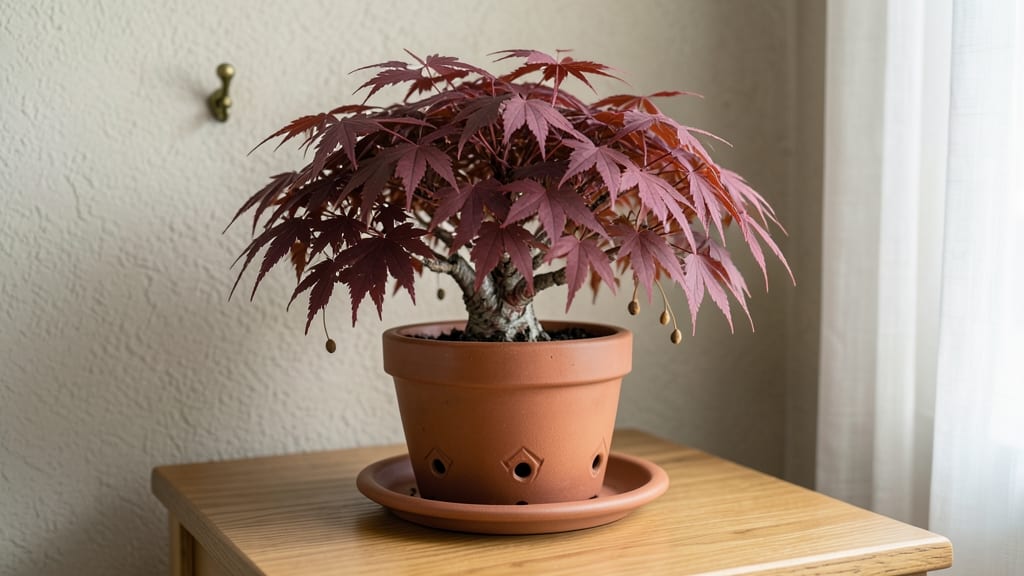
Growing a maple tree indoors isn't just possible—it's a rewarding way to bring nature's elegance into your home. 🌿 My first dwarf Japanese maple now stands proudly in my sunroom, its delicate lace leaves a daily reminder that patience and the right conditions transform tiny seeds into living art.
The key starts with choosing the right variety—dwarf maples like 'Bloodgood' or 'Emperor I' grow slowly but reliably indoors, staying under 6 feet tall with proper care.
You'll need just a few essentials: a 10-15 gallon container with drainage, well-draining potting mix designed for acid-loving plants, and a spot where it gets 6+ hours of bright, indirect light daily.
Most people overlook humidity—these trees thrive when you mist them regularly or place the pot on a tray of pebbles and water. The first year is all about establishing roots, so expect slow but steady growth rather than rapid expansion.
By year three, you'll see that velvety foliage taking shape, with leaves developing their signature colors in cooler months. The real magic happens when you prune correctly—removing dead branches in late winter and shaping lightly after growth spurts.
This isn't a quick project, but the payoff is a tree that lives for decades, adapting to your home's rhythm just as it would in a forest.
Even in small spaces, these trees adapt beautifully to indoor life. The secret? Mimicking their natural understory environment—bright light, consistent moisture, and occasional fresh air. Your home becomes their forest, and with each passing season, they grow into something truly special.
📚 In This Guide
- What you need
- Instructions
- Tips and common mistakes
- Wrapping up and next steps
What you need
- ● Dwarf Maple Seedling or Sapling: Species: Acer palmatum (Japanese Maple) or Acer buergerianum (Trident Maple) – dwarf varieties like 'Bloodgood' or 'Emperor I' (3–6 ft. mature height).
- ● Quantity: 1 (start with one to master care!).
- ● Source: Reputable nursery or online supplier (ensure disease-free and potted).
- ● Container: Size: 12–18 inches in diameter (with drainage holes).
- ● Material: Terracotta or ceramic (breathable) or high-quality plastic.
- ● Quantity: 1 (upgrade to 18–24 inches as the tree grows).
- ● Well-Draining Potting Soil: Type: Acidic, loamy mix (pH 5.0–6.5).
- ● Recommendation: 60% premium potting soil + 30% perlite/pumice + 10% peat moss or orchid bark.
- ● Quantity: Enough to fill the container (typically 5–10 gallons).
- ● Drainage Layer: Material: Small gravel, expanded clay pebbles, or lava rock (1–2 inches).
- ● Watering Can or Spray Bottle: Size: 1–2 gallons (with a narrow spout for precision).
- ● Fertilizer: Type: Balanced, slow-release fertilizer (10-10-10 or 20-20-20) or organic options like fish emulsion or compost.
- ● Schedule: Apply every 4–6 weeks during growing season (spring–fall).
- ● Pruning Shears: Type: Sharp, clean shears (sterilize with rubbing alcohol between uses).
- ○ Support Stake (Optional but Helpful): Use for young trees in drafty areas (bamboo or metal stakes, 18–24 inches tall).
- ● Grow Lights: LED full-spectrum bulbs (12–14 hours/day) if natural light is <12 hours/day.
- ● Humidity Tray: A pebble tray with water to boost moisture (especially in dry climates).
- ● Mulch: Wood chips or bark mulch to retain soil moisture (apply lightly on top soil).
- ● Soil Moisture Meter: To monitor root health without overwatering.
- ● Decorative Stones or Moss: For aesthetic appeal around the base (ensure they don’t block drainage).
Step-by-step guide to cultivating dwarf maple trees indoors
Here’s how to nurture a sunlit, thriving maple tree inside—with dwarf varieties that fit your space.
🌱 Step 1: Select the Right Dwarf Maple Variety and Pot
Choose a dwarf maple cultivar like Acer palmatum 'Bloodgood' or Acer buergerianum 'Trident'—both stay under 6 feet tall indoors. These varieties tolerate indoor conditions better than full-sized maples. Pick a 12-15 inch diameter pot with drainage holes to prevent root rot, which is the #1 killer of container-grown maples.
Use a well-draining potting mix (equal parts peat moss, perlite, and garden soil) to mimic their forest floor habitat. Avoid heavy garden soil—it compacts and suffocates roots. I like to add a handful of orchid bark for aeration, which helps prevent waterlogging. Fill the pot 2/3 full before planting, leaving room for root growth.
☀️ Step 2: Position for Maximum Light and Humidity
Maples need bright, indirect light—place yours near an east or west-facing window where they get 6-8 hours of filtered sunlight daily. South-facing windows work too, but use a sheer curtain to diffuse harsh midday rays, which can scorch delicate leaves. You’ll notice new growth slowing or yellowing if light is insufficient.
Maintain 50-60% humidity—indoor air is usually too dry. Mist the leaves 2-3 times weekly or set the pot on a pebble tray filled with water (ensure the pot sits above the waterline). A humidifier near the plant works best for long-term care. Low humidity causes brown leaf edges, a classic sign of indoor stress.
💧 Step 3: Water Deeply and Prune for Shape
Water when the top 1-2 inches of soil feel dry—stick your finger in to check. Dwarf maples hate soggy roots but also despise drought. Water thoroughly until it drains from the bottom, then empty the saucer to prevent root rot. Overwatering is far more dangerous than underwatering for these trees.
Prune in late winter or early spring before new growth starts. Remove dead or crossing branches with clean sterilized pruners, cutting just above a leaf node. Shape lightly to encourage a fuller canopy—maples respond well to pruning but don’t overdo it. You’ll see fresh green leaves emerge within 2-3 weeks of pruning, signaling healthy regrowth.
⏰ Step 4: Fertilize and Monitor for Pests
Feed every 4-6 weeks in spring and summer with a balanced 10-10-10 fertilizer, diluted to half strength. Avoid fertilizing in fall or winter—maples go semi-dormant indoors and don’t need extra nutrients. Yellowing leaves in spring? It’s likely a sign of over-fertilization or nutrient burn. Flush the soil with water if this happens.
Watch for spider mites or scale insects—common pests on indoor maples. Wipe leaves with a neem oil solution (1 tsp neem oil + 1 quart water) weekly as a preventive measure. If you spot webbing or sticky residue on leaves, act fast. Early intervention keeps these pests from spreading and damaging the tree’s health.
🪴 Step 5: Repot Every 2-3 Years for Long-Term Health
Repot in early spring when roots circle the pot’s bottom. Choose a container 2-3 inches larger in diameter—maples resent being root-bound. Gently loosen the root ball before transferring to fresh potting mix. This is also the time to divide suckers if they’ve formed at the base, which can crowd the main trunk.
After repotting, place the tree in bright, indirect light and reduce watering slightly for 2 weeks to help roots establish. You’ll see new growth within 4-6 weeks if the transplant went well. Skipping repots leads to stunted growth and nutrient deficiencies—don’t wait until the tree looks stressed to act.
Tips & tricks for perfect indoor dwarf maple cultivation
Between us, nurturing a dwarf maple indoors isn't rocket science—but it does require understanding what these trees truly need to thrive. Here's what nobody tells you about keeping your indoor maple lush and vibrant.
Lighting Strategy: While east or west windows provide ideal bright, indirect light, north-facing windows might leave your maple light-deprived. If that's your only option, supplement with a grow light for 12-14 hours daily to mimic natural daylight. I've seen maples grow beautifully under LED grow lights positioned 6-12 inches above the foliage—just rotate the pot weekly for even growth. The 6-8 hours of sunlight mentioned is a minimum, but more is always better for these light-loving trees.
Humidity Hacks: That 50-60% humidity target can feel impossible in dry winter months. Beyond misting and pebble trays, try placing the pot on a bed of damp sphagnum moss in a shallow tray—this creates a self-regulating humidity zone. For extra insurance, group your maple with other houseplants to create a microclimate. You'll know you've nailed the humidity when your maple's leaves stay consistently vibrant without brown edges.
Root Health Secrets: When checking soil moisture in Step 3, don't just rely on your finger—lift the pot to assess weight. A properly moist pot should feel moderately heavy but not soggy. If you notice roots growing out of drainage holes or circling the bottom, it's time to repot sooner than the 2-3 year guideline. I've found that repotting every 18-24 months prevents root-bound stress, especially in fast-growing varieties like 'Trident'.
Fertilizer Timing: The 4-6 week feeding schedule works, but here's the trick: always fertilize after watering to prevent root burn. I've also had success using a slow-release fertilizer pellet mixed into the soil during repotting—this provides nutrients gradually without the risk of over-fertilization. Watch for those yellow leaves in spring as your first warning sign of nutrient issues, but remember they can also indicate overwatering or poor drainage.
Pro Tips for Grow A Maple Tree Indoors
- Between us, nurturing a dwarf maple indoors isn't rocket science—but it does require understanding what these trees truly need to thrive.
- Lighting Strategy: While east or west windows provide ideal bright, indirect light, north-facing windows might leave your maple light-deprived.
- Humidity Hacks: That 50-60% humidity target can feel impossible in dry winter months.
Frequently asked questions
Got questions about growing a maple tree indoors?
You’re not alone! Here are answers to the most common queries—from sunlight struggles to long-term care. Let’s dive in!
Can I grow a full-sized maple tree indoors?
Nope! Full-sized maples need way too much space, sunlight, and outdoor conditions to thrive. Instead, opt for dwarf varieties like Norway Maple ‘Columnare’ or Japanese Maple ‘Bloodgood’, which stay manageable (6–10 feet tall) with proper pruning. Even then, treat it as a long-term indoor plant—not a tree for your lifetime.
How long does it take for an indoor maple tree to grow?
Patience is key! Dwarf maples grow 1–2 inches per year indoors with ideal care. Expect a 3–5 foot tree in 10–15 years. Speed up growth with bright, indirect light (south or west-facing windows) and seasonal outdoor acclimation (spring/summer only). Think of it as a living heirloom—worth the wait!
Why is my indoor maple tree dropping leaves?
Leaf loss usually signals stress from one of these culprits:
- Low humidity: Mist leaves or use a pebble tray to mimic forest floors.
- Overwatering: Let the top 2 inches of soil dry out between waterings.
- Drafts or temperature swings: Keep temps steady (60–75°F) and avoid AC vents.
- Pests: Check for spider mites or scale insects—treat with neem oil if spotted.
What’s the easiest alternative to a maple tree for indoors?
If maples seem too finicky, try these low-maintenance, slow-growing trees:
- Ficus microcarpa ‘Ginseng’ (bonsai-friendly, air-purifying)
- Olive tree (Olea europaea) (drought-tolerant, elegant)
- Citrus trees (dwarf lemon/lime) (fragrant, edible—if you can handle their mess!)
- Jade plant (Crassula ovata) (succulent-like, nearly indestructible)
Can I grow maple syrup from an indoor tree?
Dream big—but no, not realistically! Maple syrup requires sap from mature trees (40+ years old) tapped in early spring. Indoor maples are ornamental, not productive. For a fun twist, harvest “sap” from a sapling (if you have an outdoor tree) or buy organic syrup to enjoy while your indoor tree grows!
What’s the #1 mistake beginners make with indoor maples?
Overpotting.
Maple roots hate being cramped. Start with a 1–2 gallon pot and upgrade every 2–3 years (spring is best). Use well-draining soil (60% potting mix, 30% perlite, 10% sand) to prevent root rot. Pro move: Prune roots when repotting to encourage bushier growth.
Wrapping up and next steps
Growing a dwarf maple tree indoors is a rewarding journey that brings nature’s beauty into your home—one leaf at a time! 🌿 With the right variety, sunlight, and care, you can nurture a thriving mini-maple that adds color and serenity to your space.
Start small, stay patient, and let your green thumb shine as you watch your tree flourish.
Ready to take the next step? Pick your dwarf variety (like Japanese maple ‘Drummondii’ or Norway maple ‘Pygmy’), gather your supplies, and begin your indoor forest adventure today! 🌱