
Pruning
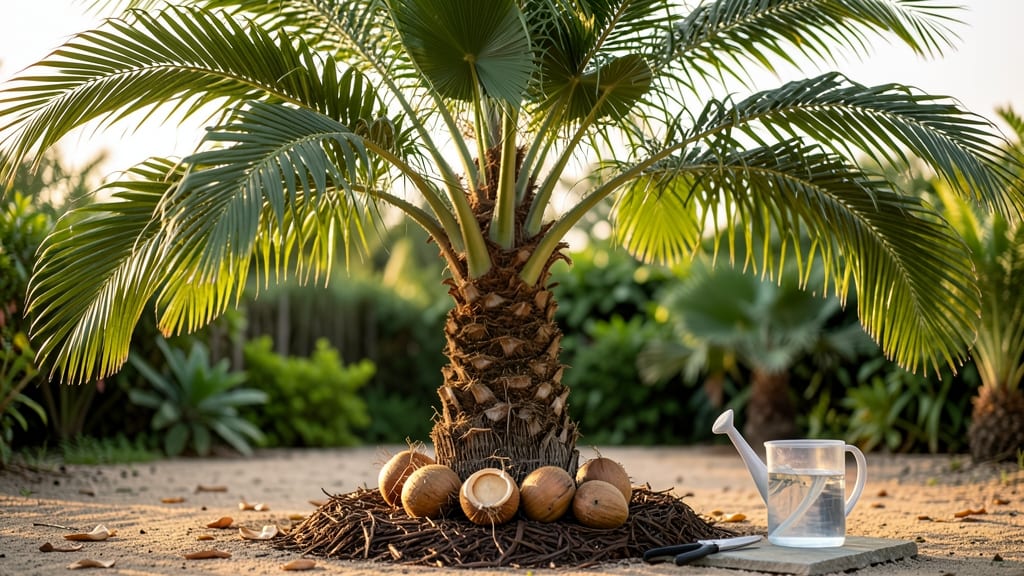
Trimming your Hawaii palm tree in the Pacific Northwest isn’t about cutting back—it’s about strategic pruning to keep it thriving when frost threatens. 🌿 I learned the hard way that these tropical palms need careful attention in cooler climates, where even a light freeze can damage fronds.
The key is removing dead or yellowing leaves before they become a weight that stresses the plant, while preserving the crown’s natural shape.
You’ll need sharp pruners, disinfectant, and a ladder (or sturdy stool) for taller palms. Work on a dry day when the tree isn’t stressed, and always cut at the base of the frond where it meets the trunk—never tear leaves, or you risk inviting pests.
The goal is to mimic the tree’s natural shedding process, keeping it healthy enough to bounce back from seasonal challenges.
When done right, your palm will reward you with vibrant new fronds and a stronger trunk over time. The pruned leaves can even be composted, turning "waste" into garden gold. Just avoid over-trimming—never remove more than a third of the fronds at once, or you’ll shock the plant.
For Pacific Northwest gardeners, timing matters: prune in late winter or early spring before new growth begins. If frost is forecast, cover young fronds with burlap for extra protection. With these adjustments, your Hawaii palm can thrive year-round—even in cooler climates.
📚 In This Guide
- What you need
- Instructions
- Tips and common mistakes
- Wrapping up and next steps
What you need
- ● Pruning shears or lopers – Sharp, bypass-style shears (for small fronds) or bypass lopers (for thicker branches, 4–6 ft reach). Quantity: 1–2 pairs.
- ● Pole saw or pruning saw – Extendable 10–15 ft pole saw for high fronds. Quantity: 1.
- ● Heavy-duty gloves – Cut-resistant (ANSI-rated) and gardening-grade for grip and protection. Quantity: 1 pair.
- ● Safety goggles – Impact-resistant to shield eyes from debris. Quantity: 1.
- ● Disinfectant (70% isopropyl alcohol or bleach solution) – 1:10 bleach-water mix to sterilize tools and prevent disease. Quantity: Small spray bottle or wipe pack.
- ● Heavy-duty trash bags (30–50 gallon) – For debris removal. Quantity: 2–3 bags.
- ○ Ladder or lift (optional but recommended) – Sturdy, 20–30 ft extension ladder or cherry picker for tall palms. Quantity: 1 (if needed).
- ● Burlap or frost cloth – Lightweight, breathable (10x12 ft sheets) to wrap palm fronds during cold snaps. Quantity: 2–3 sheets.
- ● Twine or zip ties – To secure frost protection materials. Quantity: Small roll.
- ○ Thermometer (optional) – Digital outdoor thermometer to monitor frost risk (Quantity: 1.
- ● Check local frost dates – Prune after the last expected frost in your PNW zone (typically late spring).
- ● Wait for dry weather – Avoid pruning if rain is forecasted within 24–48 hours.
- ● Test tool sharpness – Dull blades tear fronds, increasing stress on the palm. 🔪
- ● Wear long sleeves/pants – Protect against palm thorns and sun exposure.
Step-by-step instructions for pruning Hawaii palm trees safely
Here's how I trim these tropical beauties without risking damage—perfect for Pacific Northwest winters.
🌿 Step 1: Assess the Palm Before Pruning
Start by examining your Hawaii palm for signs of frost damage or disease. Look for brown, crispy fronds at the base or blackened leaf tips—these are dead and ready for removal. Healthy fronds should be green with a slightly leathery texture. I always wait until spring to prune, when new growth signals the tree has recovered from winter stress.
Check the trunk for any cracks or discoloration, which could indicate internal rot. Run your hand along the trunk—smooth bark means the tree is healthy, while rough or peeling areas suggest damage. If you see webbing or tiny bugs, that's a sign of spider mites, which need immediate attention before pruning.
✂️ Step 2: Gather the Right Tools and Safety Gear
You'll need a sharp pruning saw for thick fronds, a pair of bypass pruners for smaller cuts, and a ladder tall enough to reach the fronds safely. I always wear gloves to protect my hands from the sharp edges of palm fronds and eye protection in case debris falls unexpectedly.
Have a bucket or tarp ready to collect the cut fronds—this keeps your workspace clean and makes cleanup easier. Never prune a palm tree on a windy day, as falling fronds can cause injury or damage to nearby property. I also keep a disinfectant spray handy to clean tools between cuts and prevent spreading disease.
🌱 Step 3: Remove Dead or Damaged Fronds First
Begin by cutting away any fronds that are completely brown or black, starting from the bottom and working your way up. Use your pruning saw to make a clean cut about 6 inches below the base of the frond, where it meets the trunk. Avoid cutting into the green, healthy tissue—this can harm the tree and leave it vulnerable to disease.
If a frond is partially dead but still has some green, leave it for now. You'll know it's ready to remove when it turns completely brown and brittle. Never remove more than one-third of the fronds in a single pruning session, as this can stress the tree. I like to remove only the dead fronds first, then reassess the tree’s health before deciding if further pruning is needed.
☀️ Step 4: Trim Healthy Fronds for Shape and Airflow
Once all dead fronds are removed, focus on the healthy ones. Trim any fronds that are rubbing against each other or blocking sunlight from reaching the center of the palm. Use your pruners to make a clean cut at the point where the frond starts to curve inward toward the trunk. This encourages new growth and improves airflow, which reduces the risk of fungal infections.
For very large fronds, you can also remove the lower third of the frond to reduce wind resistance and make the tree more manageable. Just be sure to leave enough leaf surface to maintain the palm’s ability to photosynthesize. After trimming, step back and admire your work—your palm should now have a balanced, open shape that allows light and air to circulate freely.
🪴 Step 5: Clean Up and Monitor Recovery
Collect all the cut fronds and dispose of them properly. You can compost the healthy, disease-free fronds or use them as mulch in your garden. Disinfect your tools with a 10% bleach solution to prevent the spread of any potential pathogens. I always rinse my tools with water afterward to remove any bleach residue.
After pruning, water the base of the palm deeply to help it recover. Monitor the tree over the next few weeks for any signs of stress, such as yellowing leaves or wilting. If you notice new fronds emerging from the center, that’s a good sign the tree is healing. Avoid fertilizing immediately after pruning—wait until the tree shows signs of new growth before adding any nutrients.
Tips & tricks for perfect Hawaii palm tree pruning
Common pitfalls—and how to sidestep every one—when trimming these tropical giants in cold climates.
Timing is Everything: Spring is your best window for pruning Hawaii palms in the Pacific Northwest, but don't wait until summer heat arrives. The tree should show fresh green fronds emerging from the center—this signals it's recovered from winter stress and ready for trimming. I've learned the hard way that pruning too early can stress the tree when it's still vulnerable to frost damage.
Tool Sharpness Matters: A dull pruning saw or bypass pruners will tear fronds instead of making clean cuts, which can damage the tree and make cleanup a nightmare. Before you start, test your tools on a scrap piece of wood—if it doesn't cut smoothly, sharpen your blades. I keep a small file in my toolkit specifically for this purpose, and it's saved me from making messy cuts that can invite disease.
Safety First: The most common mistake I see is underestimating the weight of palm fronds. Always work from a sturdy ladder with a spotter if possible, and wear gloves that provide good grip—those sharp edges can slip and cause serious hand injuries. I also recommend wearing long sleeves and closed-toe shoes to protect against scratches and falling debris. Remember, palm fronds can weigh 20 pounds or more each!
Post-Pruning Care: After you've finished trimming, don't just walk away. Water the base of the palm deeply to help it recover, and monitor it closely for the next few weeks. Look for signs of new fronds emerging—this is your best indicator that the tree is healing properly. I've found that avoiding fertilizer immediately after pruning gives the tree time to focus on recovery rather than producing new growth too quickly.
Pro Tips for Hawaii Palm Tree
- Common pitfalls—and how to sidestep every one—when trimming these tropical giants in cold climates.
- Timing is Everything: Spring is your best window for pruning Hawaii palms in the Pacific Northwest, but don't wait until summer heat arrives.
- Tool Sharpness Matters: A dull pruning saw or bypass pruners will tear fronds instead of making clean cuts, which can damage the tree and make cleanup a nightmare.
Frequently asked questions
Got questions about pruning your Hawaii palm tree in the Pacific Northwest? You’re not alone! Here are answers to the most common concerns—from frost prep to long-term care.
Can Hawaii palm trees survive frost in the PNW?
Yes, but they’re tropical and need protection. Young trees or exposed ones may suffer damage below 25°F. Wrap trunks with burlap or use frost cloths, and mulch the base. Mature trees often bounce back, but prune dead fronds after frost to assess damage.
When is the best time to prune a Hawaii palm tree?
Prune in late winter or early spring (February–March) to remove dead fronds and stimulate new growth. Avoid heavy pruning in fall—it leaves the tree vulnerable to frost. Never prune in winter if frost is forecasted!
How do I know if I’m over-pruning my Hawaii palm?
Over-pruning shows as yellowing fronds, stunted growth, or exposed trunk. Hawaii palms rely on fronds for photosynthesis—remove only 10–20% of healthy fronds per year. If you see bare patches, you’ve gone too far. Here’s how to revive it.
What’s a good alternative to Hawaii palms for frost-prone PNW gardens?
Consider windmill palms (Trachycarpus fortunei) or California fan palms (Washingtonia filifera)—both tolerate cooler temps (down to 15°F!). For a similar look, Kentia palms (Howea forsteriana) thrive indoors or in sheltered microclimates.
Why are my palm fronds turning brown after pruning?
Brown fronds post-pruning usually mean stress or disease. Check for:
- Underwatering: Palms need consistent moisture (1–2 inches/week).
- Fungal issues: Prune with sterilized tools and avoid wetting the crown.
- Cold shock: If pruned during a frost warning, delay until temps stabilize.
Wrapping up and next steps
Pruning your Hawaii palm tree in the Pacific Northwest doesn’t have to be a winter nightmare—with the right techniques, you can keep it thriving even when frost lingers! 🌿❄️ Remember, patience and precision are key: trim only when necessary, use sharp tools, and always prioritize safety.
Your palm’s health (and your garden’s beauty) will thank you.
Ready to tackle your next pruning session? Start small—pick a single frond or two to practice your cuts—then gradually build confidence. Before you know it, your Hawaii palm will be the star of your PNW landscape year-round!