
Fertilization
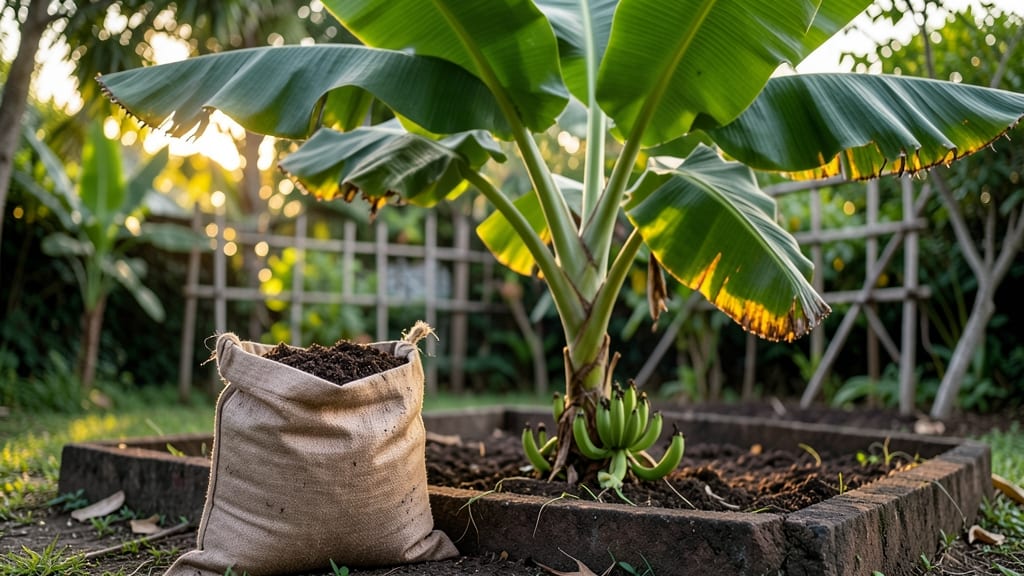
Banana trees gobble up nutrients like teenagers eat pizza—homemade banana tree fertilizer turns your kitchen scraps into a growth supercharge without breaking the bank. 🌱 I learned this the hard way after watching my first plant yellow despite regular store-bought fertilizer.
The fix? A mix of what I’d normally toss—peels, coffee grounds, and eggshells—that now has my banana trees reaching for the sky in just 6 weeks.
This isn’t your grandma’s compost tea—it’s a targeted nutrient boost using ingredients you already own. Banana peels (crushed and steeped) deliver potassium for fruit production, while coffee grounds acidify the soil just enough for tropical plants to thrive.
Eggshells add calcium to prevent leaf scorch, and a splash of compost tea feeds the soil microbes that keep roots happy. The best part? It costs pennies compared to bagged fertilizer, and you’re keeping waste out of landfills.
You’ll see the difference in shinier leaves, sturdier pseudostems, and more flower spikes—all without the risk of burning roots from over-fertilizing. The key is consistency: apply the liquid fertilizer every 2-4 weeks during growing season, and mix in dried scraps into the soil annually.
Even my brown thumbs can’t mess this up.
Works for container-grown bananas, in-ground plants, or even houseplants that need a tropical boost. Let’s turn your trash into treasure—and your banana trees into jungle giants.
📚 In This Guide
- What you need
- Instructions
- Tips and common mistakes
- Wrapping up and next steps
What you need
- ● Banana peels: 5–10 fresh or dried peels (rich in potassium and phosphorus)
- ● Eggshells: 3–5 crushed shells (calcium boost for strong stems)
- ● Coffee grounds: ½ cup (nitrogen-packed for leafy growth)
- ● Wood ash: ¼ cup (potassium and trace minerals)
- ● Water: 1 gallon (for mixing or compost tea)
- ○ Compost or well-rotted manure: 1–2 cups (optional but ideal for bulk nutrients)
- ● Blender or food processor (for pulverizing peels/shells)
- ● Cheesecloth or fine mesh strainer (to filter liquid fertilizers)
- ● Garden trowel or small shovel (for applying compost/fertilizer)
- ● Spray bottle (for foliar feeding with banana peel tea)
- ○ Gloves (optional, for handling wood ash or manure)
Step-by-Step guide to creating fast-acting banana tree fertilizer
Here's how to transform kitchen scraps into nutrient-rich fertilizer that delivers visible results in weeks.
🌱 Step 1: Collect and Prepare Organic Kitchen Scraps
Gather banana peels, coffee grounds, eggshells, and vegetable trimmings—these are your banana tree's powerhouse nutrients. I chop peels into smaller pieces for faster decomposition, while coffee grounds go straight into the mix. The key is variety: peels provide potassium, eggshells add calcium, and vegetable scraps bring nitrogen and micronutrients.
Rinse all scraps thoroughly to remove any residue that could harm your plant. Place them in a 5-gallon bucket (or similar container) and layer them with 1 inch of garden soil or compost between each layer. This creates airflow and prevents mold. The more surface area exposed, the faster the decomposition—and the quicker your banana tree gets those nutrients.
💧 Step 2: Add Water and Maintain the Compost Mix
Moisten the scraps with warm water until the mixture feels like a damp sponge—squeeze it gently, and a few drops should come out. Too dry, and decomposition slows; too wet, and you risk anaerobic conditions that create foul odors. I stir everything together, breaking up any large clumps to ensure even moisture distribution.
Cover the bucket with a breathable cloth (like an old towel) to keep pests out while allowing airflow. Place it in a warm, shaded spot—direct sunlight dries it out too quickly, while full shade slows decomposition. Stir the mix every 3-4 days to aerate it. Within 2-3 weeks, you'll have a dark, crumbly compost ready to use.
☀️ Step 3: Apply the Finished Fertilizer to Your Banana Tree
Once the scraps break down into a rich, earthy-smelling compost, mix 1 cup of the finished fertilizer with 2 gallons of water to create a liquid fertilizer. This dilution ensures you don’t overwhelm your banana tree with too much nitrogen at once. Pour the mixture directly into the soil around the base of the plant, avoiding the leaves to prevent fungal issues.
For a dry application, sprinkle ½ cup of the compost directly onto the soil surface and lightly scratch it in. Water the area thoroughly to help the nutrients penetrate. Banana trees love potassium and phosphorus, so I apply this fertilizer every 4-6 weeks during the growing season (spring through fall). You’ll notice larger leaves, stronger stems, and more frequent flowering within a few applications.
✂️ Step 4: Monitor and Adjust for Optimal Growth
Watch for yellowing leaves, which often signal nitrogen deficiency—add more vegetable scraps or coffee grounds to your next batch. Dark, mushy spots on leaves could mean too much moisture; reduce watering and ensure the compost mix is well-drained. A healthy banana tree should have deep green, sturdy leaves and a steady stream of new growth at the top.
Here’s the thing—banana trees respond quickly to organic fertilizers. If you see new shoots emerging within 3-4 weeks, you’re on the right track. For extra boosts, top-dress the soil with a thin layer of compost after each application. This method isn’t just fast—it’s sustainable, cost-effective, and keeps your kitchen scraps out of the trash where they belong.
Tips & tricks for perfect homemade banana tree fertilizer
Real talk: turning kitchen scraps into plant power isn't just eco-friendly—it's a game-changer for your banana tree's growth. Here's what nobody tells you about maximizing this fertilizer's potential.
Decomposition Speed: For faster results in Step 1, shred banana peels into smaller pieces—think rice-sized chunks rather than large strips. The smaller the surface area, the quicker beneficial microbes can break down the nutrients. I've seen decomposition cut in half by doing this simple prep step. Also, if you're using a blender, pulse vegetable trimmings briefly to create more surface area without turning them into mush.
Layering Technique: When building your compost layers in Step 1, alternate between "greens" (vegetable scraps, coffee grounds) and "browns" (eggshells, garden soil). This creates a perfect carbon-to-nitrogen ratio that speeds up decomposition. I like to start and end with browns to contain any potential odors while maintaining airflow throughout the mix.
Moisture Management: In Step 2, the damp sponge test is critical—aim for that perfect balance where water drips out when squeezed but doesn't pool. Too dry? Add warm water gradually. Too wet? Mix in more dry garden soil or compost to absorb excess moisture. I keep a spray bottle handy for quick adjustments between stirrings. This balance prevents that dreaded anaerobic smell while keeping decomposition active.
Application Timing: The 4-6 week application schedule in Step 3 works beautifully, but here's the pro move: apply during the early morning when banana trees naturally absorb nutrients most efficiently. Also, split your liquid fertilizer into two applications—half now, half again in 2-3 days—to prevent nutrient runoff while giving your plant time to absorb each dose.
Pro Tips for Homemade Fertilizer For Banana Trees
- Real talk: turning kitchen scraps into plant power isn't just eco-friendly—it's a game-changer for your banana tree's growth.
- Decomposition Speed: For faster results in Step 1, shred banana peels into smaller pieces—think rice-sized chunks rather than large strips.
- Layering Technique: When building your compost layers in Step 1, alternate between "greens" (vegetable scraps, coffee grounds) and "browns" (eggshells, garden soil).
Frequently asked questions
Got questions about keeping your banana trees thriving with homemade fertilizers? We’ve got answers! Here are some of the most common concerns—and solutions—to help you grow like a pro.
How often should I fertilize banana trees with homemade options?
For fast growth, apply homemade fertilizers like banana peel tea or coffee grounds every 4–6 weeks during the growing season (spring and summer). Reduce frequency in winter when growth slows. Overdoing it can harm roots, so consistency is key!
Can I use expired or spoiled food scraps as fertilizer?
Nope! Only use fresh, unspoiled scraps like banana peels, eggshells, or coffee grounds. Moldy or fermented scraps can introduce harmful bacteria or fungi to your soil. When in doubt, toss it—your banana tree will thank you!
What’s the best homemade fertilizer for banana trees?
Banana trees love potassium-rich and nitrogen-boosting fertilizers. Top picks:
- Banana peel tea (high in potassium)
- Coffee grounds (adds nitrogen + acidity)
- Eggshells (calcium for strong stems)
- Wood ash (potassium + raises pH slightly)
Why are my banana tree leaves turning yellow after using homemade fertilizer?
Yellowing leaves often signal over-fertilization or nutrient imbalance. Flush the soil with water to dilute excess salts, and switch to a lighter homemade fertilizer (like diluted banana peel tea). If the issue persists, test your soil’s pH—banana trees prefer 6.0–7.5.
Do I need to mix homemade fertilizer with store-bought options?
Not necessarily! Homemade fertilizers work well alone, but you can complement them with a balanced store-bought fertilizer (like 10-10-10) during peak growing seasons. Just avoid high-salt fertilizers, which can burn roots. Think of it as a team effort for your banana tree’s health!
Wrapping up and next steps
Growing a thriving banana tree doesn’t have to break the bank—or fill your trash can! With just a few simple, kitchen-friendly ingredients, you can create nutrient-rich fertilizers that give your banana tree the love it craves.
Whether you’re using coffee grounds, eggshells, or banana peels, these homemade solutions are eco-friendly, cost-effective, and packed with natural goodness to speed up growth and boost fruit production.
Now that you’re armed with the know-how, roll up your sleeves and get composting! Start small, experiment with what works best for your tree, and watch it flourish. Happy gardening—your banana tree will thank you with bigger, sweeter harvests in no time! 🌱🍌