
Pruning
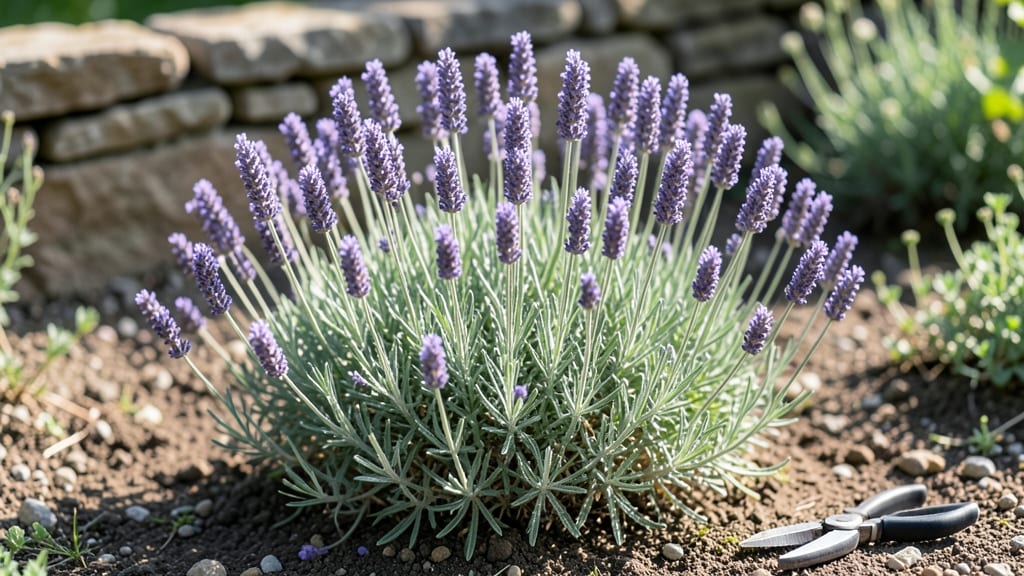
Caring for a small lavender tree means turning your yard into a fragrant, purple paradise that thrives year-round—even in tricky climates. 🌿 I’ve nursed my own dwarf lavender to five-foot perfection by mastering its quirks: drought tolerance, pruning timing, and soil that drains like a sieve.
Most people overwater and kill it within weeks, but with the right approach, your lavender will reward you with silver-blue blooms from spring to fall and that intoxicating scent that lingers long after summer fades.
The secret lies in mimicking its Mediterranean roots: well-draining soil, full sun, and sparse watering—think once a week in summer, almost never in winter. My lavender sits in a raised bed with gravel underneath, and I swear by a light trim after blooming to keep it bushy.
Skip the heavy pruning unless you’re shaping it into a topiary, or you’ll strip away next year’s flowers. The key is patience; lavender grows slow but lives long, making it the ultimate low-maintenance star for small spaces.
By next summer, you’ll have a fragrant, drought-proof centerpiece that hums with bees and repels mosquitoes—no chemicals needed. The best part? It handles heat waves, cold snaps, and even urban pollution better than most plants.
Just avoid the rookie mistakes: never let it sit in soggy soil, and never prune in fall (that’s when it sets buds for spring). With these tweaks, your lavender tree will outlive your mailbox and still look stunning.
Works for dwarf varieties, espaliered shapes, or even container-grown lavender—just scale the soil and water adjustments. Ready to turn your yard into a perfumed retreat? Let’s get growing.
📚 In This Guide
- What you need
- Instructions
- Tips and common mistakes
- Wrapping up and next steps
What you need
- ● Well-draining soil: A mix of cactus/succulent soil (or garden soil amended with 50% perlite or coarse sand) to prevent root rot. (~10 gallons per 1-gallon pot or in-ground planting)
- ○ Pot with drainage holes: Terracotta or ceramic (for containers); 12–18 inches in diameter for a small tree (3–4 feet tall). (Optional: Elevate pots to improve drainage!)
- ● Pruning shears: Bypass pruners (sharp, clean, and sterilized with rubbing alcohol to avoid disease). (Avoid anvil pruners—they crush stems!)
- ● Gloves: Heavy-duty gardening gloves (lavender can be slightly prickly and has aromatic oils that may irritate skin).
- ● Mulch: Gravel or pebbles (to retain heat and deter weeds) or organic mulch (like straw, but keep it 2–3 inches away from the stem).
- ● Watering can or hose with a gentle spray nozzle: Drip irrigation is ideal to avoid wetting foliage.
- ● Fertilizer: Slow-release, low-nitrogen fertilizer (e.g., 10-10-10 or 5-10-10) or orgánico compost in spring. (Avoid high-nitrogen—it promotes leafy growth over blooms!)
- ○ Support stake (optional): Bamboo or metal stake (for young or top-heavy trees in windy areas).
- ● Shade cloth (30–50%) for afternoon sun protection.
- ● Drip irrigation timer for consistent moisture.
- ● Frost cloth or burlap wrap for winter protection (if temps drop below 15°F).
- ● Windbreak (e.g., a lattice screen) to shield from harsh winds.
- ● Test your soil: Use a pH test kit (lavender thrives in neutral to slightly alkaline soil (6.5–7.5)). Adjust with lime if needed.
- ● Choose the right variety: Dwarf varieties like ‘Hidcote’ or ‘Munstead’ are perfect for small trees (3–4 feet tall).
- ● Label your plants: A waterproof plant marker helps track varieties and care notes!
Step-by-step guide for cultivating a healthy small lavender tree
Lavender thrives with the right balance of sun, soil, and seasonal care—here's how to keep yours flourishing year-round.
💧 Step 1: Master Watering for Root Health
Water your small lavender tree deeply but infrequently—once every 7-10 days during active growth (spring through fall). The key is letting the soil dry completely between waterings; lavender roots rot in soggy conditions. Stick your finger 2 inches deep into the soil—if it feels dry, it's time to water. In winter, reduce watering to every 3-4 weeks unless your climate is unusually wet.
Here's the thing—lavender is drought-tolerant once established, but young trees need consistent moisture. Water at the base in the morning to prevent fungal issues from evening dampness. Overwatering is the fastest way to kill lavender, so if leaves yellow or stems soften, you're watering too much.
☀️ Step 2: Position for Maximum Sunlight
Lavender demands full sun (6-8 hours daily) for best growth and fragrance. Place your tree in the sunnest spot—south-facing windows or a sheltered outdoor location. If you notice leaves yellowing or stems stretching toward light, your tree isn't getting enough sun. In hot climates, afternoon shade helps prevent leaf scorch, but morning sun is non-negotiable.
Containers dry out faster than ground plantings, so move potted lavender to a shaded area during peak summer heat (10 AM–4 PM). Watch for bleached or crispy leaves—this is your signal to adjust placement immediately. Lavender grown in partial shade loses its signature fragrance and grows leggy, so prioritize sun exposure.
✂️ Step 3: Prune Strategically for Shape and Growth
Prune your lavender tree once a year in late spring after new growth appears. Cut back one-third of the previous year's growth to encourage bushiness. Use clean, sharp shears to make cuts just above a set of leaves or a bud. Avoid cutting into old wood—this stunts regrowth. If your tree looks woody or sparse, it's a sign you've been pruning too late in the season.
Shape the tree by trimming the outer branches first, then working inward. Never prune more than one-third at a time, or you risk stressing the plant. Deadheading spent flowers in summer keeps the tree looking tidy, but avoid heavy pruning then—it reduces winter hardiness. After pruning, apply a light mulch (if in ground) to retain moisture without suffocating roots.
🌿 Step 4: Feed and Protect Seasonally
Fertilize lavender sparingly—once in early spring with a low-nitrogen, phosphorus-heavy fertilizer (like 5-10-10). Too much nitrogen makes lavender grow weak and leafy instead of woody. In containers, mix a slow-release fertilizer into the soil at planting time and skip annual feedings. Organic options like compost tea (diluted to half strength) work well if your soil is poor.
Protect young trees from harsh winters with a light burlap wrap or mulch around the base (if planted in ground). Lavender tolerates cold but despises wet roots. In spring, remove winter protection as soon as new growth appears. Watch for pests like spider mites—they thrive in dry conditions. Spray infested trees with water to deter them, or treat with neem oil if outbreaks occur.
Tips & tricks for perfect lavender tree care
These insider tricks will help your small lavender tree thrive through every season without the guesswork.
Soil Drainage Secret: Lavender's roots are particularly sensitive to soggy conditions, so if you're planting in containers, choose pots with drainage holes and use a well-draining soil mix. I recommend blending equal parts potting soil, perlite, and coarse sand. For in-ground planting, amend heavy clay soil with a 50-50 mix of native soil and gravelly sand. This mimics lavender's natural Mediterranean habitat and prevents root rot during the critical 7-10 day watering cycle.
Sunlight Strategy for Containers: The 6-8 hours of daily sun requirement becomes even more critical when growing lavender in containers. If your outdoor space has limited sun exposure, consider using a grow light for 4-6 hours daily during winter months when natural light diminishes. Position the light 6-12 inches above the plant and use a timer for consistency. This light supplement prevents the leggy growth that occurs when lavender doesn't get enough sunlight, especially in northern climates.
Pruning Precision: When you're ready for that once-a-year late spring pruning, focus on creating an open center by removing the oldest stems first. I like to use this "inverted triangle" approach: trim the outer branches to shape first, then work inward to create airflow. This method encourages new growth from the base while maintaining that signature lavender silhouette. Remember, those sharp shears should always be clean and sharp—dull blades crush stems instead of making clean cuts.
Winter Protection Hack: For container-grown lavender in cold climates, move pots to an unheated garage or shed during winter months. If that's not possible, wrap the pot in bubble wrap before adding the burlap protection. This extra insulation layer can make the difference between survival and winter kill. In ground plantings benefit from a 2-3 inch layer of straw mulch around the base, but keep it clear of the stems to prevent moisture buildup that encourages fungal growth.
Pro Tips for Care For A Small Lavender Tree
- These insider tricks will help your small lavender tree thrive through every season without the guesswork.
- Soil Drainage Secret: Lavender's roots are particularly sensitive to soggy conditions, so if you're planting in containers, choose pots with drainage holes and use a well-draining soil mix.
- Sunlight Strategy for Containers: The 6-8 hours of daily sun requirement becomes even more critical when growing lavender in containers.
Frequently asked questions
Got questions about keeping your small lavender tree happy and healthy? We’ve got answers! Here are some of the most common concerns—plus expert tips to troubleshoot and thrive.
Can I grow a small lavender tree indoors?
A small lavender tree can thrive indoors, but it needs bright, direct sunlight (at least 6 hours daily) and well-draining soil. Place it near a south-facing window or use a grow light. Avoid overwatering—lavender hates soggy roots! If possible, move it outdoors in summer for a boost.
How often should I prune my lavender tree?
Prune your lavender tree once a year, right after it blooms (late spring or early summer). Avoid heavy pruning—just trim back about 1/3 of the new growth to encourage bushiness. Never prune into old wood, as lavender struggles to regrow from there. Skip to our pruning guide for step-by-step tips!
Why is my lavender tree turning brown?
Brown tips or leaves usually mean overwatering or underwatering. Lavender loves dry soil—water only when the top inch feels bone-dry. Brown edges can also signal chlorosis (iron deficiency), often due to alkaline soil. Amend soil with compost or use an iron supplement if needed.
Does lavender need winter protection?
Most small lavender trees (like Lavandula angustifolia) are hardy to USDA Zone 5, but young plants or tender varieties need help. Mulch the base with 2–3 inches of gravel or straw to insulate roots. In freezing climates, wrap the plant in burlap or use a frost blanket. Avoid wet mulch—it can rot roots!
What’s the best alternative if my lavender tree isn’t thriving?
If your lavender struggles with your climate or soil, try Spanish lavender (Lavandula stoechas) for heat tolerance or English lavender (Lavandula x intermedia) for larger blooms. For a similar look, consider rosemary, thyme, or dwarf boxwood—all drought-tolerant and low-maintenance!
Wrapping up and next steps
Caring for a small lavender tree is all about patience, consistency, and a little love—and the rewards are well worth it! With the right soil, sunlight, and pruning techniques, your lavender will thrive year-round, filling your space with fragrant beauty. 🌿✨
Now that you’re armed with expert tips, why not take the next step? Start with a single plant, experiment with pruning styles, or even expand your garden with complementary herbs like rosemary or thyme. Your lavender’s journey to flourish begins today!