Pruning
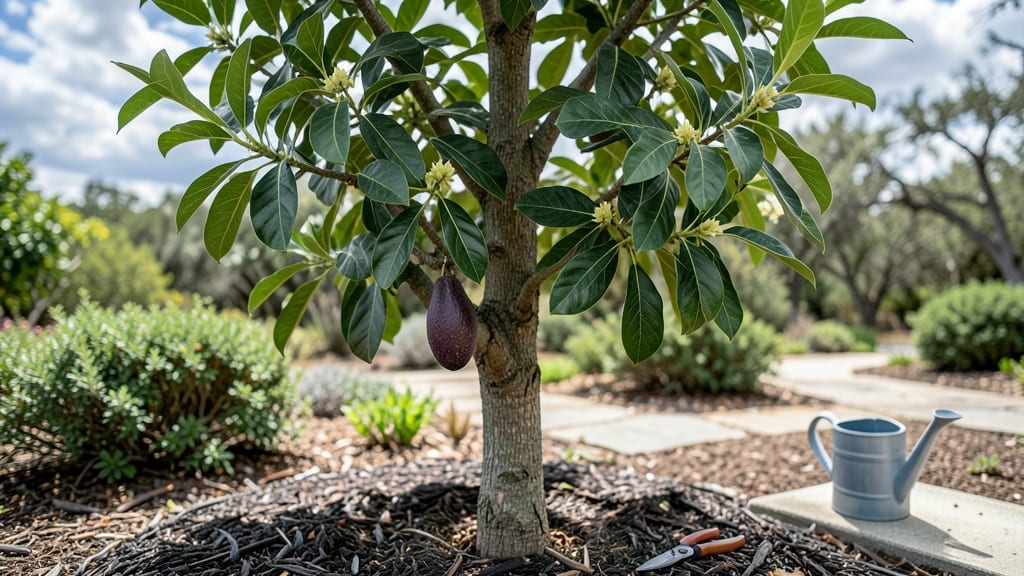
Caring for an avocado tree from a seed to a fruit-bearing giant feels like nurturing a tiny promise into something extraordinary. 🌱 The key to success starts with patience—those first leaves take months to appear, but when they do, you're hooked on the journey.
My first tree took nearly two years just to reach waist height, but now it stands tall in my sunroom, its glossy leaves catching every ray of light.
You'll need well-draining soil, bright indirect light (or full sun outdoors), and a watering routine that mimics the tree's natural habitat—moist but never soggy. The real magic happens when you balance pruning to shape the tree with fertilization to fuel its growth.
I learned the hard way that overwatering or using heavy clay soil will drown those delicate roots, so I switched to a mix of potting soil and perlite that keeps things airy.
By the time your tree hits three years, you might see those first tiny flowers—though fruit takes even longer to ripen. The payoff? A homegrown avocado that tastes nothing like the store-bought versions, with creamy flesh and a rich, nutty flavor.
The process teaches you more about plant resilience than any other tree I've grown.
Whether you're growing yours in a pot by the window or planting it in the ground, the same principles apply. The secret isn't just in the care—it's in the joy of watching something you nurtured from a seed become a thriving, fruit-bearing tree.
Here's how to make it happen without the common pitfalls.
📚 In This Guide
- What you need
- Instructions
- Tips and common mistakes
- Wrapping up and next steps
What you need
- ● Potting Mix: Well-draining cactus or succulent mix (2–3 bags, 1–2 cubic feet each)
- ● Perlite or pumice (1–2 cups) to improve aeration
- ● Containers: Small seed-starting pot (4–6 inches) for germination
- ● Medium grow pot (10–12 inches) for young trees
- ● Large fiberglass or ceramic pot (18+ inches) or garden plot (if outdoor) for mature trees
- ● Pruning Tools: Sharp bypass pruners (for small branches)
- ● Hand pruning saw (for thicker branches)
- ● Disinfectant (70% rubbing alcohol or bleach solution)
- ● Fertilizer: Balanced liquid fertilizer (10-10-10 or 20-20-20, diluted to half-strength)
- ○ Slow-release granular fertilizer (optional, for seasonal feeding)
- ● Watering Supplies: Watering can with a rose attachment (for gentle watering)
- ○ Moisture meter (optional, to monitor soil dryness)
- ● Support Structures: Sturdy bamboo stakes or tree ties (for young trees)
- ● Mulch (organic, like wood chips, for outdoor trees)
- ● Growth regulator (e.g., seaweed extract for stress relief)
- ● Humidity tray or pebble tray (for maintaining moisture in dry climates)
- ● Sunlight meter (to track light exposure)
- ● Avocado-specific compost (for nutrient-rich soil)
Step-by-step guide to nurturing your avocado tree
Here's how I keep my avocado tree thriving indoors—same method works for container or in-ground plants.
🌱 Step 1: Establish Proper Light and Temperature
Avocados crave bright, indirect light—think east or west-facing windows, not harsh southern sun. I rotate my tree every few weeks so all sides get equal exposure. You'll know it's happy when leaves stay glossy and dark green, not yellowing or crispy at the edges.
Keep temperatures between 65-80°F during the day and no lower than 55°F at night. Drafty windows or AC vents will shock the tree. If you notice leaves suddenly dropping or wilting, move it away from cold spots immediately.
💧 Step 2: Master the Watering Routine
Water when the top 2-3 inches of soil feel dry—stick your finger in to check. Overwatering is the #1 killer of avocado trees. I use the "soak and dry" method: water deeply until it runs out the drainage hole, then wait until the soil is mostly dry before watering again.
Use room-temperature water to avoid shocking roots. In winter, you might water only every 2-3 weeks, while summer could require weekly watering. Yellow leaves? Usually means too much water. Brown leaf tips? Often a sign of underwatering or low humidity.
☀️ Step 3: Fertilize for Healthy Growth
Start fertilizing lightly when your tree has 5-6 true leaves, using a balanced 10-10-10 or 20-20-20 fertilizer diluted to half strength. I feed every 4-6 weeks during spring and summer, but never in fall or winter when growth slows. You'll see new leaves emerging within weeks—that's your sign it's working.
For established trees, switch to a citrus/avocado-specific fertilizer in spring. Watch for salt buildup—if white crust forms on soil surface, flush the pot with water to prevent root burn. Never fertilize a stressed tree (like one with yellow leaves or pests).
✂️ Step 4: Prune for Shape and Airflow
Prune in late winter or early spring before new growth starts. Remove any dead, yellow, or crossing branches first using clean, sharp pruners. I cut just above a leaf node where new growth can emerge. Never leave stubs—they invite disease.
Shape your tree by thinning out crowded branches to improve airflow. You'll notice new shoots emerging from the pruned areas within weeks. For indoor trees, avoid heavy pruning—avocados respond better to light shaping than dramatic cuts.
🪴 Step 5: Support and Repot as Needed
Avocado trees need sturdy support as they grow. I use a small stake tied loosely to the trunk when it reaches about 2 feet tall. The tie should be tight enough to stabilize but loose enough to allow the trunk to thicken naturally. Check ties monthly and adjust as the tree grows.
Repot every 2-3 years or when roots circle the pot. Choose a container only 2-3 inches larger in diameter than the current one. The best time is early spring. You'll know it's time when roots grow out of drainage holes or the tree becomes top-heavy and tips over.
Tips & tricks for perfect avocado tree care
Here's what nobody tells you about keeping your avocado tree thriving—these are the details that separate good from great.
Light Rotation Secret: I rotate my tree every 2-3 weeks because avocados grow toward the light source. This prevents lopsided growth and ensures even exposure. If you notice new leaves only growing on one side, it's time to rotate! The goal is to keep the tree balanced so all branches get equal sunlight.
Temperature Matters: Avocados are tropical plants, so they can't handle sudden temperature drops. If your home gets chilly at night, move the tree away from drafty windows or doors. I've seen leaves drop dramatically when a tree sits near an AC vent—once the leaves hit the floor, they won't regrow. Keep that nighttime minimum at 55°F to avoid stress.
Watering Wisdom: The "finger test" is your best friend. Stick your finger about 2 inches into the soil—if it feels dry, it's time to water. I've learned the hard way that avocados hate soggy roots. Always use a pot with drainage holes, and empty the saucer after watering to prevent root rot. In winter, you might only need to water every 2-3 weeks, but in summer, weekly watering might be necessary.
Fertilizer Timing: When your tree has 5-6 true leaves, start with a balanced fertilizer diluted to half strength. I feed every 4-6 weeks during growing season, but I always check for salt buildup first. If you see white crust on the soil surface, flush the pot with water before fertilizing again. Never fertilize a stressed tree—wait until it's recovered from any leaf issues or pests.
Pro Tips for Care For An Avocado Tree
- Here's what nobody tells you about keeping your avocado tree thriving—these are the details that separate good from g...
- Light Rotation Secret: I rotate my tree every 2-3 weeks because avocados grow toward the light source. This prevents ...
- Temperature Matters: Avocados are tropical plants, so they can't handle sudden temperature drops. If your home gets c...
Frequently asked questions
Got questions about growing and nurturing your avocado tree? You’re not alone! Here are some of the most common queries—and their straightforward answers—to help you keep your tree thriving.
How long does it take for an avocado tree to bear fruit?
Patience is key! Indoor-grown avocado trees from seed typically take 5–13 years to produce fruit, while grafted trees (bought from nurseries) may fruit in 3–6 years. Factors like sunlight, soil quality, and care consistency speed up the process.
Why are my avocado tree’s leaves turning yellow?
Yellow leaves usually signal overwatering, underwatering, or nutrient deficiencies. Check the soil—it should be slightly moist but not soggy. If roots smell foul, repot immediately. For indoor trees, ensure they get 6+ hours of sunlight daily and fertilize every 2–3 months with citrus-friendly food.
Can avocado trees survive winter frost?
Avocado trees are tropical and thrive in USDA zones 9–11. If temperatures drop below 30°F (-1°C), move potted trees indoors near a sunny window. Outdoor trees in colder climates need winter protection, like frost cloth or a greenhouse. Young trees are especially vulnerable!
Do avocado trees need pruning, and when?
Yes! Prune in late winter or early spring to shape the tree, remove dead branches, and improve airflow. Use sterilized shears to cut just above a bud or leaf node. Avoid heavy pruning—avocado trees are sensitive to stress. Focus on open-center growth for better fruit production.
Can I grow an avocado tree indoors year-round?
With bright, indirect light (a south-facing window or grow lights), consistent watering, and occasional outdoor time in summer, indoor avocado trees can flourish. Just rotate the pot monthly for even growth and dust leaves gently to maximize photosynthesis.
Wrapping up and next steps
Caring for an avocado tree is a rewarding journey that blends patience, consistency, and a touch of green-thumb love! 🌱 With the right light, water, soil, and pruning techniques, your tree can thrive and eventually treat you to delicious homegrown avocados.
Remember, every expert was once a beginner—so don’t hesitate to learn as you go.
Now that you’re armed with knowledge, why not take the next step? Start with a seedling or a young tree, and watch it grow into a flourishing part of your home or garden. Happy planting—your future avocado feast awaits! 🥑✨