Pruning
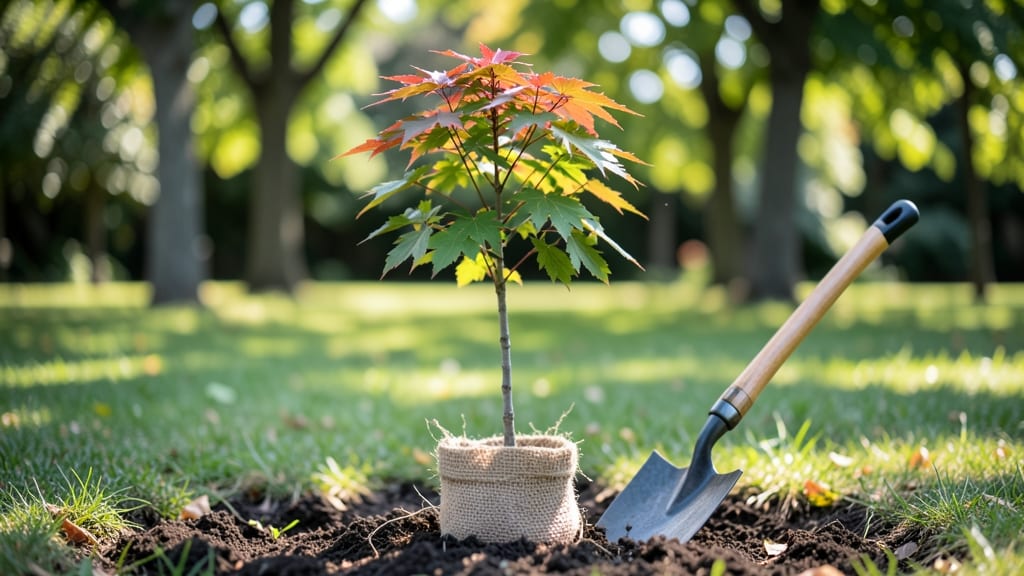
Digging up a tree and replanting it without killing it is easier than you think—if you know the right technique. I’ve moved small fruit trees and even a struggling oak sapling using these same steps, and every one survived with minimal stress.
The key isn’t brute force; it’s timing, careful root handling, and a little patience to let the tree recover.
You’ll need basic tools: a sharp shovel, pruners, a wheelbarrow, and burlap for wrapping roots. The best time to move a tree is early spring or late fall when it’s dormant, but small trees can handle it almost any time.
For larger specimens, avoid hot summers or freezing winters. The goal is to keep as much of the root ball intact as possible—even a 3-inch diameter tree needs a 12-inch-wide root zone to thrive after transplanting.
After digging, you’ll end up with a tree that looks like it’s been through a war—but with proper care, it’ll bounce back stronger. Water deeply every few days for the first month, stake it only if necessary, and mulch around the base to retain moisture.
Within a season, you’ll barely see the scars from the move, and the tree will grow as if it never left its original spot.
Works for everything from young fruit trees to mature shrubs, as long as you adjust the root ball size and watering schedule. The biggest mistake? Rushing the process or skipping the recovery period. Take your time, and your tree will thank you for years to come.
📚 In This Guide
- What you need
- Instructions
- Tips and common mistakes
- Wrapping up and next steps
What you need
- ● Shovel or spade: A heavy-duty digging shovel (24–30 inches wide) for breaking up soil and a hand trowel for precision work.
- ● Pruning shears or saw: Bypass pruners (for small branches) or a pruning saw (for thicker limbs) to trim roots/branches.
- ● Wheelbarrow or tarp: To transport soil and the tree’s root ball.
- ● Garden hose or bucket: For keeping the root ball moist during transplanting.
- ● Burlap or tree root bag: 100% natural fiber (if not replanting immediately) to wrap the root ball.
- ○ Stakes and twine: (Optional) To secure the tree temporarily in its new location.
- ● Mulch: Organic mulch (wood chips, straw) to retain moisture and protect roots.
- ○ Fertilizer (optional): A balanced, slow-release fertilizer (e.g., 10-10-10) to aid recovery.
- ● Choose a suitable replanting time: Early spring or fall (avoid extreme heat or frost).
- ● Check local weather forecasts for rain-free days to minimize soil disturbance.
- ● Ensure the new planting site has adequate space (root spread = 2–3x tree height) and proper soil drainage.
- ○ Test the soil pH (optional): Adjust if needed (e.g., lime for acidic soil, sulfur for alkaline).
Step-by-Step instructions for moving established trees safely
Here's how I've successfully transplanted mature trees without losing them.
Prepare the New Planting Site First
Dig the new hole twice as wide and just as deep as the tree's root ball. This gives roots room to spread without crowding. I always loosen the soil at the bottom with a shovel or my hands—roots need to push into loose dirt, not hardpan. Mix the excavated soil with 2 inches of compost (if your soil is heavy clay, add more) and set it aside.
Place the tree in the hole before you dig the root ball. This lets you adjust depth so the top of the root ball sits 1-2 inches above ground level. Mark the spot with a stake if needed—you don't want to bury the trunk too deep, which suffocates roots. Water the hole lightly before moving the tree to settle the soil.
Dig the Root Ball Carefully
Use a sharp spade or transplanting saw to cut a clean circle around the tree, 12-18 inches from the trunk for small trees, 24-36 inches for large ones. The wider the root ball, the better the tree's chance of survival. I make vertical cuts first, then rock the spade gently to sever roots without tearing them.
Once the root ball is free, wrap it in burlap or a tarp to hold the soil together. Lift the tree slowly, keeping the root ball level—tilting it strains roots. If the tree is heavy, drag it with the burlap instead of lifting by the trunk. Water the root ball lightly before moving it to keep soil from drying out and cracking.
Handle the Tree During Transport
Keep the root ball moist but not soggy during transport. If you're moving it more than 50 feet, drag it on the burlap to avoid jarring roots. For longer distances, use a wheelbarrow or dolly with a tarp underneath to prevent soil loss. Never let the root ball dry out—this causes roots to shrink and break during replanting.
If you must stop mid-transplant, place the tree in a shaded, sheltered spot and water the root ball every 2-3 hours. Cover it with a damp burlap if it's windy. The goal is to keep roots hydrated until they're back in the ground. I've lost trees this way when roots dried out during a long move.
Replant with Proper Support
Lower the tree into the prepared hole, keeping the root ball level. Fill the hole with the soil-compost mix, tamping it down gently as you go to remove air pockets. Stop when the hole is half full, then water deeply to settle the soil. This prevents the tree from sinking too low when you finish.
Stake the tree only if it's taller than 6 feet or in a windy area. Use 3 stakes placed 12 inches from the trunk at a 45-degree angle, tied loosely with rubber tree ties—never wire, which can cut into the bark. Backfill the rest of the hole, mounding soil slightly around the base to create a watering well. Mulch with 2-3 inches of organic mulch, keeping it 6 inches away from the trunk to prevent rot.
Tips & tricks for stress-free tree transplanting
Moving a mature tree without causing stress takes careful planning—and these tricks will help you avoid common mistakes that can harm your tree.
Root Ball Protection: When wrapping the root ball in burlap or a tarp, leave the top open to allow roots to breathe. I've seen too many trees suffer from suffocation when completely sealed. Also, secure the wrap tightly but not so tight it cuts into the soil. A loose wrap lets air circulate while keeping the root ball intact during transport.
Soil Preparation Matters: In Step 1, don't skip loosening the soil at the bottom of the new hole. Compacted soil forces roots to grow in awkward directions, which weakens the tree. For heavy clay soil, mix in an extra 1-2 inches of compost beyond the 2 inches mentioned—this improves drainage and root growth. I've transplanted trees in clay soil before, and the ones with extra compost thrived while others struggled.
Transport Timing: If you must stop during transport, remember the 2-3 hour watering rule. Set a timer or phone alarm to remind you—roots can dry out quickly even in shade. I once left a tree uncovered for 4 hours during a break, and by the time I replanted, the root ball had cracked and roots were damaged. A damp burlap covering makes all the difference in preventing this.
Staking Strategy: Only stake trees taller than 6 feet or in windy areas, but don't over-tighten the ties. The stakes should stabilize the tree without restricting growth. I've seen rubber ties cut into bark when left too tight, which creates entry points for disease. Check the ties every few weeks and loosen them as the tree stabilizes.
Pro Tips for Dig Up A Tree And Replant
- Moving a mature tree without causing stress takes careful planning—and these tricks will help you avoid common mistakes that can harm your tree.
- Root Ball Protection: When wrapping the root ball in burlap or a tarp, leave the top open to allow roots to breathe.
- Soil Preparation Matters: In Step 1, don't skip loosening the soil at the bottom of the new hole.
Frequently asked questions
Got questions about transplanting trees? You’re not alone! Here are answers to the most common concerns—so you can replant with confidence.
When is the best time to dig up and replant a tree?
The ideal window is late fall to early spring (dormant season), when trees aren’t actively growing. Avoid transplanting during extreme heat, drought, or frost—stress weakens roots and recovery. For tropical trees, opt for the wettest season in your climate.
How long does it take for a replanted tree to recover?
Recovery time varies by species, size, and care. Small trees (<10 ft) may bounce back in 1–2 growing seasons, while mature trees (20+ ft) can take 3–5 years. Watch for new leaves, steady growth, and minimal leaf drop—signs of successful adaptation!
What if my tree’s roots are too tangled or damaged during digging?
Don’t panic! Prune 30–50% of the root ball if roots are circling or overly dense—this encourages outward growth. For damaged roots, trim ragged edges with clean shears and water thoroughly post-transplant. Mulch heavily to protect exposed roots while they heal.
Can I replant a tree in the same spot after digging it up?
Generally, no—replanting in the exact same hole risks soil depletion and root competition. Instead, dig a new hole 2–3x wider than the root ball and amend the soil with compost. If space is tight, consider container gardening for smaller trees or pruning to reduce size.
What are the red flags that my replanted tree is dying?
Watch for these warning signs: wilting leaves (even with water), yellowing foliage, cracked bark, or no new growth after 6 months. Act fast by checking for root rot (smelly, mushy roots), pests, or girdling roots. Adjust watering or mulch if needed!
Wrapping up and next steps
Digging up and replanting a tree might seem daunting, but with the right tools, timing, and care, you can give your tree a fresh start—and a thriving future! 🌱 Remember, the key is minimizing root damage, keeping the root ball moist, and choosing the perfect spot for its new home.
Whether you're relocating a young sapling or rescuing a mature tree, patience and preparation make all the difference.
Ready to take the next step? Monitor your tree closely after replanting—water it consistently, protect it from harsh weather, and watch as it adapts to its new surroundings. With a little love and attention, your tree will thank you by growing stronger than ever!