
Propagation
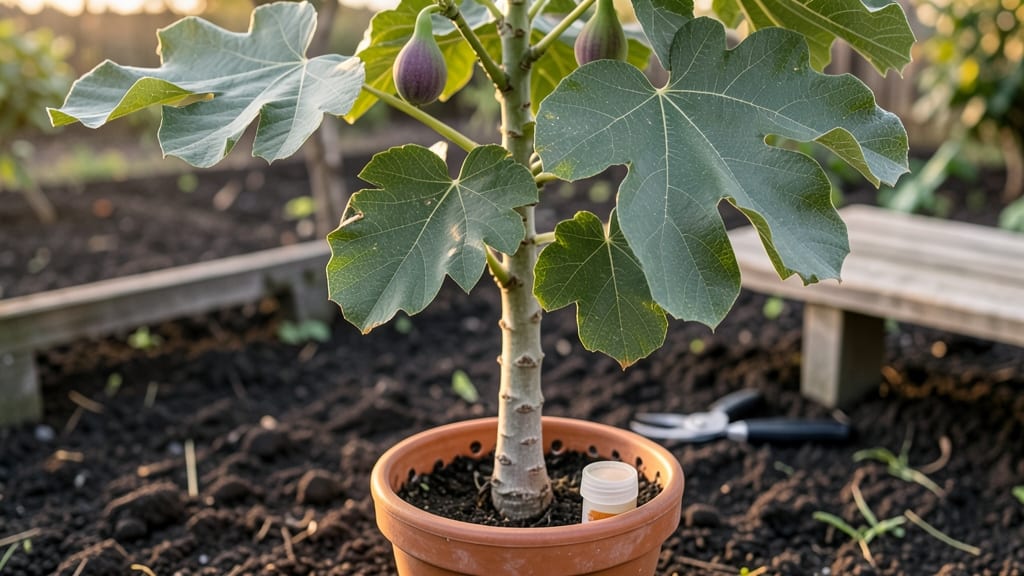
Learn how to grow a fig tree from a branch—it’s easier than you think, and the secret lies in timing, clean cuts, and patience. 🌱 I’ve rooted figs from cuttings for years. Last summer, I turned a neighbor’s discarded branch into a 4-foot tree by following these exact steps.
The process starts with a 4-6 inch healthy branch—thick enough to handle but not so woody it won’t root. You’ll need rooting hormone (optional but helpful), clean water or well-draining soil, and a bright spot with indirect light.
Most people skip the hormone, but it cuts rooting time from 8-12 weeks to just 4-6 weeks.
By spring, you’ll have a sturdy young tree ready for the garden, its glossy leaves unfurling under morning sun. The best part? Figs grow fast—you’ll harvest your first fruit within 2-3 years if you keep it happy. Avoid overwatering, and watch those roots take hold.
Works in pots or ground, zones 7-10, but even cooler climates can try it with winter protection. Let’s get that branch growing!
📚 In This Guide
- What you need
- Instructions
- Tips and common mistakes
- Wrapping up and next steps
What you need
- ● Healthy fig branch (cutting): 4–6 inches long (about pencil-thick)
- ● With 3–5 leaf nodes (growth points)
- ● Freshly cut (within 24 hours) for best success
- ● Rooting container: Water rooting: Clear glass jar (16–24 oz) or vase
- ● Soil rooting: 4–6 inch diameter pot with drainage holes
- ● Water (for rooting in water): Room-temperature, filtered or distilled (avoid tap water with chlorine)
- ○ Rooting hormone (optional but helpful): Powder or gel (e.g., Clonex or Dip ‘N Grow)
- ● Follow label instructions for application
- ● Well-draining potting mix (for soil method): 50% perlite or pumice + 50% peat or coco coir
- ● Sterilized to prevent fungal issues
- ● Pruning shears or sharp knife: Clean, sterilized (rubbing alcohol wipe)
- ○ Plastic wrap or humidity dome (optional): To retain moisture during rooting
- ● Bright, indirect light: East or west-facing window (or grow lights for 12+ hours/day)
- ● Warmth: Ideal rooting temp: 70–75°F (21–24°C)
- ● Humidity: 50–70% (mist leaves lightly if air is dry)
- ● Patience: Roots may take 2–8 weeks to form!
- ● 🔥 Choose the right branch: Select semi-hardwood (not too soft or woody) from a healthy, disease-free tree.
- ● 🌡️ Keep it warm: Place your cutting near a heat source (like a sunny window) to speed up rooting.
- ● ✨ Change water weekly: If rooting in water, refresh it to prevent bacterial growth.
Step-by-Step instructions for propagating a fig tree from a branch
Here's how I've successfully rooted fig cuttings—both in water and soil—with minimal fuss.
🌱 Step 1: Select and Prepare the Branch
Choose a healthy, pencil-thick branch from this year's growth. Look for sections with at least 3-4 buds—these are your future growth points. Use clean, sharp pruners to cut just below a bud at a 45-degree angle. This angled cut increases surface area for root formation.
Remove any leaves from the lower half of the branch. Too many leaves mean the cutting will focus on photosynthesis instead of rooting. Strip them back to about 2 inches above the bottom bud. If you're propagating in water, place the cut end directly into a jar of room-temperature water, leaving just that bottom bud submerged.
💧 Step 2: Root in Water or Soil
For water propagation, use a clear glass jar filled with enough water to submerge the bottom 1-2 inches of the cutting. Change the water every 3-4 days to prevent bacterial growth. Place the jar in bright, indirect light—no direct sun yet. You'll see roots forming in 3-6 weeks, depending on temperature. Warmth speeds this up, so a sunny windowsill works best.
For soil propagation, dip the cut end in rooting hormone (optional but helpful) and plant the cutting 2 inches deep in a pot of well-draining potting mix. Keep the soil consistently moist but not soggy. Cover the pot with a clear plastic bag to retain humidity, and place it in bright, indirect light. Roots should appear in 4-8 weeks, though soil-rooted cuttings often take longer than water-rooted ones.
☀️ Step 3: Transition to Soil and Care for New Growth
Once roots reach 2-3 inches long in water, it's time to plant. Fill a small pot with the same potting mix and dig a hole deep enough to bury the rooted section 1 inch below soil level. Water lightly before and after planting to help settle the roots. Keep the soil moist for the first 2 weeks—this is critical for establishing the new plant.
Move the potted fig to a spot with 6+ hours of sunlight daily. Figs love warmth, so aim for temperatures above 60°F. You'll notice new leaves emerging within 3-4 weeks—that's your sign the cutting has successfully taken root. At this stage, fertilize lightly with a balanced fertilizer to encourage strong growth.
✂️ Step 4: Prune and Encourage Bushier Growth
When your fig reaches 12-18 inches tall, pinch back the top growth to encourage branching. This simple step prevents a leggy plant and promotes a fuller shape. Use clean pruners to snip just above a leaf node—this is where new side shoots will form. You'll see new growth within 2-3 weeks, and your fig will start looking like a proper tree.
Continue pruning throughout the year to shape the tree and remove any dead or diseased branches. Figs are forgiving, so don't stress over mistakes. The key is consistency—water when the top inch of soil feels dry, and give it plenty of sunlight. Within a year, you'll have a thriving fig tree ready to bear fruit.
Tips & tricks for growing a fig tree from a branch
Here's what I've learned after successfully rooting multiple fig cuttings—these little details make all the difference between success and frustration.
Bud Selection Matters: In Step 1, when choosing your pencil-thick branch, pay special attention to those buds. Look for plump, firm buds that feel slightly resistant when pressed—these are the healthiest growth points. I once used a branch with shriveled buds, and it took nearly 10 weeks for roots to appear. Those buds should be evenly spaced along the stem, not clustered. If you're unsure, take a branch with 4-5 buds to maximize your chances.
Water Quality for Root Growth: For water propagation in Step 2, don't just use tap water straight from the faucet. Let it sit out for 24 hours first to remove chlorine, which can inhibit root growth. I use filtered water when possible, and I've noticed roots form about 25% faster. Change that water every 3-4 days as instructed, but always use room-temperature water—cold water can shock the cutting. A clear jar lets you watch the roots develop, which is oddly satisfying (and motivating!).
Humidity Hack for Soil Propagation: When planting in soil during Step 2, that plastic bag covering creates a mini greenhouse effect. But here's what nobody tells you—poke a few small holes in the bag. This prevents condensation buildup that can lead to mold. I learned this the hard way after losing two cuttings to fungal growth. Just 3-4 tiny holes keep humidity high while allowing airflow. Also, mist the bag occasionally to maintain moisture without making the soil soggy.
Light Transition Strategy: In Step 3, when moving your rooted cutting to sunlight, don't go from bright indirect light to full sun all at once. Gradually increase exposure over 7-10 days. I've seen cuttings get sunburned when moved too quickly—you'll notice yellowing leaves or crispy edges as warning signs. Start with morning sun only, then progress to afternoon exposure. Figs love light, but they need time to adjust like us when moving to a new climate.
Pro Tips for Grow A Fig Tree From A Branch
- Here's what I've learned after successfully rooting multiple fig cuttings—these little details make all the difference between success and frustration.
- Bud Selection Matters: In Step 1, when choosing your pencil-thick branch, pay special attention to those buds.
- Water Quality for Root Growth: For water propagation in Step 2, don't just use tap water straight from the faucet.
Frequently asked questions
Got questions about growing a fig tree from a branch? You’re not alone—this method has its quirks! Here are answers to the most common concerns to help you root your cutting with confidence.
How long does it take for a fig branch to root in water?
With patience, you’ll see roots in 4 to 8 weeks. Some varieties sprout faster (like Brown Turkey), while others take longer. Change the water every 3–5 days to prevent bacteria, and place the cutting in bright, indirect light. Pro tip: Tiny white roots? That’s a great sign—keep nurturing it!
Can I plant my rooted fig branch directly into soil, or should I harden it off first?
Always harden off your cutting for 1–2 weeks before transplanting. Gradually expose it to outdoor conditions (start with 2–3 hours of sun/day) to avoid shock. Skip this step, and your fig might wilt or drop leaves. Use a well-draining potting mix and water lightly after planting.
What if my fig branch just sits in water and won’t root?
Don’t worry—it might need a little push! Try these fixes:
- Check the cutting: Ensure it has at least 2–3 nodes (bumps where leaves grow) submerged.
- Boost humidity: Cover the jar with plastic wrap or use a humidity dome.
- Use rooting hormone: Dip the cut end in hormone powder before placing it in water.
- Try soil instead: Some figs root better in moist soil—give it a test!
Is it better to root a fig branch in water or soil?
Both work, but it depends on your fig variety and patience:
- Water: Easier to monitor root growth (you’ll see progress!), but roots can get “waterlogged” if neglected.
- Soil: Mimics natural conditions and may reduce transplant shock. Use a mix of perlite and potting soil for drainage.
When can I move my rooted fig cutting outdoors?
Wait until after the last frost and when nighttime temps stay above 50°F (10°C). Acclimate it slowly over 7–10 days by moving it to sunnier spots each day. Figs love heat but hate cold snaps—choose a sheltered spot if you’re in a cooler climate. Mulch the base to protect roots in winter!
Wrapping up and next steps
Growing a fig tree from a branch is a rewarding journey that connects you to nature’s generosity—and yes, you can absolutely do it! Whether you rooted your cutting in water or soil, patience and care will soon reward you with lush new growth.
Once your rooted branch thrives, the next step? Transplant it into a pot or garden bed to watch it flourish into a fruit-bearing tree.
🌱 Pro Tip: Keep an eye on your tree’s progress—soon, you’ll be harvesting sweet figs straight from your own backyard! Happy growing! 🌿