
Propagation
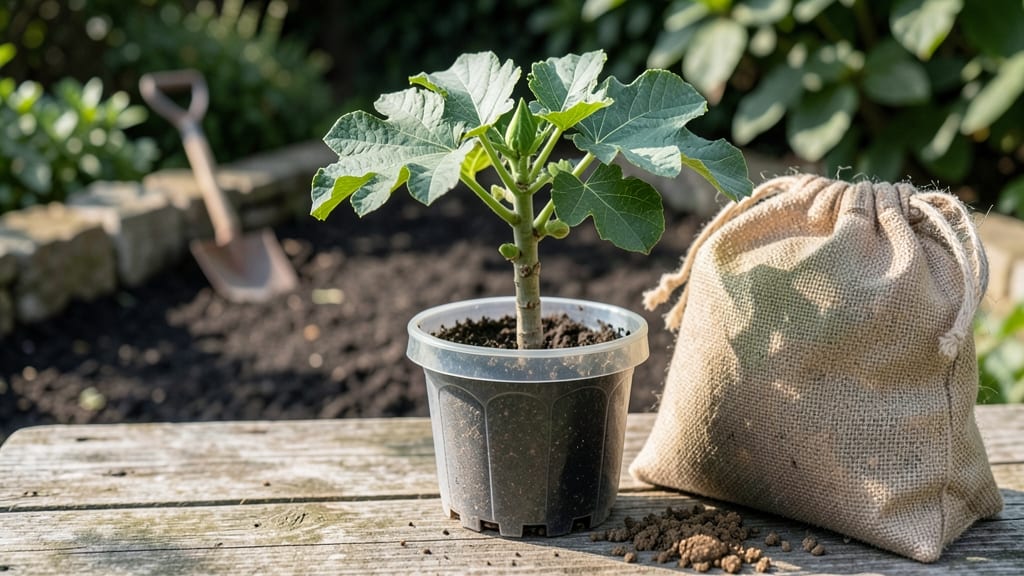
Growing a fig tree from seed is slower than grafting, but there’s nothing like watching that first pale green shoot push through the soil—proof you’re building something that’ll feed you for decades. 🌱 The key isn’t rushing; it’s creating the perfect cozy conditions where seeds stay patient but determined, like waiting for the right moment to bloom.
You’ll need just three things: fresh fig seeds (save them from your grocery-store figs), a shallow container with drainage, and a mix of potting soil and perlite to keep roots happy. Most seeds sprout within 2-4 weeks if kept warm—think 70-80°F—and moist but not soggy.
Forget the myth that fig seeds are finicky; with the right setup, germination rates climb to 70-80%.
Once those seedlings appear, you’ll trade impatience for excitement as they grow 2-3 inches in their first month. Thin the strongest sprout, give them bright light (but no scorching afternoon sun), and prepare for a 3-5 year wait before your first harvest.
The reward? A tree that thrives in containers, resists pests, and produces fruit without chemicals.
This method works best in Zones 7-10, but even cooler climates can grow them in pots and overwinter indoors. The secret to fast sprouts? Warmth, consistency, and a little faith—your future fig tree starts with a single seed and a steady hand.
📚 In This Guide
- What you need
- Instructions
- Tips and common mistakes
- Wrapping up and next steps
What you need
- ● Fresh fig seeds – Harvest them from ripe, organic figs (avoid store-bought figs treated with preservatives). You’ll need 2–5 seeds per planting.
- ● Small seed-starting pots (3–4 inches wide) – Use 2–3 pots per batch of seeds for better germination rates.
- ● Well-draining potting mix – A blend of 50% peat moss or coco coir and 50% perlite or vermiculite works best.
- ● Spray bottle – For gentle watering without disturbing seeds.
- ● Clear plastic wrap or humidity dome – To create a mini greenhouse effect.
- ● Grow lights or sunny windowsill – Fig seeds thrive in warmth (70–80°F) and bright, indirect light.
- ● Seedling heat mat – Speeds up germination (ideal for cooler climates).
- ● Fertilizer (balanced, low-nitrogen) – Like 5-5-5 or 3-4-6 once sprouts appear.
- ● Pruning shears – For trimming seedlings later.
- ● pH testing kit – Ensures soil pH stays 6.0–7.0 (figs prefer slightly acidic to neutral).
Step-by-step instructions for growing figs from seed
Fast germination is the key—here's how to crack the shell and get those first sprouts in record time.
🌱 Step 1: Harvest and Prepare the Seeds
Start with fresh fig seeds—remove them from ripe fruit and rinse off any remaining pulp. The trick to fast germination lies in breaking the seed's hard outer shell. Place seeds in a bowl of lukewarm water for 24 hours to soften the coating. I like to add a few drops of dish soap to help loosen debris without damaging the seed.
After soaking, gently rub the seeds between two sheets of sandpaper or a coarse grit cloth. You're not trying to remove the shell entirely—just create tiny scratches that allow water to penetrate. This step mimics natural weathering and dramatically speeds up germination. Test one seed by pressing it between your fingers; it should feel slightly rougher than before.
💧 Step 2: Create the Ideal Germination Environment
Fill a small container with moistened peat moss or coconut coir—these materials hold moisture without compacting. Press the prepared seeds ½ inch deep into the mix, spacing them 1 inch apart. The goal is to keep them warm and consistently damp, not soggy. I use a clear plastic container with a lid to create a mini greenhouse effect.
Place the container in a warm spot—75-85°F is ideal. A seedling heat mat under the container adds 5-10°F of warmth and can cut germination time from weeks to days. Check daily and mist with water if the surface feels dry to the touch. You'll see the first sprouts in 7-14 days, though some varieties may take slightly longer.
☀️ Step 3: Transplant Seedlings to Individual Pots
Once seedlings reach 2-3 inches tall with their first true leaves, it's time to transplant. Use 4-inch diameter pots filled with a mix of 50% potting soil and 50% perlite for excellent drainage. Gently remove each seedling, being careful not to damage the delicate roots—fig seedlings are surprisingly fragile at this stage.
Plant each seedling 1 inch deep, firming the soil around the base to eliminate air pockets. Place the pots in a location with bright, indirect light for the first week to help them acclimate. Avoid direct sunlight initially, as young fig seedlings can scorch easily. You'll notice new growth within 2-3 weeks if they're thriving.
🌿 Step 4: Gradually Introduce Sun and Outdoor Conditions
After 4-6 weeks of indoor growth, fig seedlings are ready for their first taste of outdoor conditions. Start by placing them in a sheltered spot with morning sun only for 1-2 hours daily. Gradually increase exposure over 2 weeks, moving them to full sun by mid-afternoon. This slow transition prevents shock and encourages stronger stem development.
Watch for signs of stress—yellowing leaves or wilting indicate too much sun too soon. Figs are drought-tolerant once established, but young plants need consistent moisture. Water deeply when the top 1 inch of soil feels dry, and always water at the base to prevent fungal issues. By the time they're 6-8 inches tall, your seedlings will be ready for permanent outdoor planting.
Tips & tricks for fast fig tree germination
Here's what nobody tells you about speeding up those stubborn fig seeds—these tricks cut weeks off your waiting game.
Seed Prep Precision: The 24-hour soak in lukewarm water isn't just about softening—it's about breaking dormancy. I've found adding a few drops of dish soap doesn't just clean, it helps create microscopic pores in the seed coat that water can penetrate. After soaking, test one seed by pressing it between your fingers; it should feel noticeably rougher than before. This isn't optional—it's the difference between sprouts in 7 days versus 3 weeks. For stubborn seeds, you can extend the soak to 48 hours, but don't exceed that or you risk damaging the seed.
Heat Hack: That 75-85°F range isn't just a suggestion—it's critical for mimicking figs' natural Mediterranean climate. A seedling heat mat adds that extra 5-10°F boost that makes all the difference. I place mine under a clear plastic container with a lid to create a mini greenhouse effect. The key is consistency—fluctuations wider than 5°F can delay germination. Pro tip: If your home runs cooler, consider using a small space heater near the container rather than trying to compensate with longer soak times.
Transplant Timing: Waiting until seedlings reach 2-3 inches with true leaves before transplanting might seem like waiting forever, but it's worth it. At this stage, roots have developed enough to handle the transition. When you do transplant, the 1-inch depth is crucial—too shallow and roots dry out; too deep and they suffocate. I've seen beginners bury seedlings too deep, which causes them to rot before they even get a chance to grow. Use a small stick to mark the original soil line if you're unsure.
Sunlight Transition: The gradual outdoor acclimation over 2 weeks is non-negotiable for young fig seedlings. I start with just 1-2 hours of morning sun because figs are Mediterranean plants—they're used to hot days but cool nights. Sudden full sun exposure can scorch delicate leaves. Watch for subtle signs of stress like yellowing leaf edges or slightly curled leaves; these are your early warnings. If you notice these, move the seedlings back to indirect light for another week before trying more sun exposure.
Pro Tips for Grow A Fig Tree From Seed
- Here's what nobody tells you about speeding up those stubborn fig seeds—these tricks cut weeks off your waiting game.
- Seed Prep Precision: The 24-hour soak in lukewarm water isn't just about softening—it's about breaking dormancy.
- Heat Hack: That 75-85°F range isn't just a suggestion—it's critical for mimicking figs' natural Mediterranean climate.
Frequently asked questions
Got questions about growing fig trees from seed?
You’re not alone—this method takes patience and a few tricks. Here are answers to the most common queries to help you avoid pitfalls and boost your success rate.
How long does it take for fig seeds to germinate?
Germination can take anywhere from 2 weeks to 3 months, depending on temperature, moisture, and seed freshness. Most seeds sprout within 4–8 weeks if kept consistently warm (70–80°F) and moist. Patience is key! If nothing sprouts after 3 months, the seeds may need stratification (cold treatment) or could be non-viable.
Can I speed up germination?
Yes! Try these pro tips to encourage faster sprouts:
- Soak seeds in warm water for 24 hours before planting to soften the outer shell.
- Use a heat mat (75–85°F) under your seed tray to mimic tropical conditions.
- Mist seeds daily to maintain moisture without overwatering.
- Consider stratification: Place seeds in a damp paper towel in the fridge for 4–6 weeks before planting.
Will a fig tree grown from seed produce fruit?
Probably not the same fruit as its parent! Fig trees grown from seed are unpredictable—they may take 5–10 years to bear fruit, and the quality/flavor could differ drastically. For reliable fruit, grafted trees or cuttings are better. If you’re okay with a betting on nature, seed-grown trees can still be stunning ornamental plants!
What’s the best time of year to plant fig seeds?
Start indoors anytime, but aim for early spring (March–April) so seedlings have time to establish roots before outdoor planting. If you’re in a warm climate (Zones 8–11), you can plant seeds outdoors in late winter. Just ensure soil temps stay above 60°F—figs hate cold!
Why aren’t my fig seeds sprouting?
Don’t panic! Check these troubleshooting tips:
- Dampness issues: Overwatering can cause rot; underwatering may stall growth. Keep soil moist but not soggy.
- Temperature shock: Seeds need warmth. If your home is cool, use a seedling heat mat.
- Old seeds: Fresh seeds (from ripe figs) germinate better. If yours are dried out, try soaking them first.
- Poor soil: Use a light, well-draining mix (like perlite + coconut coir). Figs hate soggy roots!
Can I grow a fig tree from seed in cold climates?
Fig trees thrive in Zones 7–11, but with care, you can grow them in colder areas too:
- Start seeds indoors 8–10 weeks before last frost.
- Use containers for easy winter moves indoors or to a greenhouse.
- Choose cold-hardy varieties like ‘Chicago Hardy’ or ‘Celeste’ for better survival.
- Mulch heavily and protect roots with burlap wraps if temps drop below 20°F.
Wrapping up and next steps
Growing a fig tree from seed is a rewarding journey that combines patience with the joy of nurturing life! 🌱 With the right techniques—like soaking seeds, providing warmth, and ensuring proper drainage—you’ll soon watch those tiny sprouts stretch toward the sun. Remember, even if some seeds take longer to germinate, persistence pays off!
Now that you’re armed with these germination secrets, why not plant a few extra seeds and share the excitement with friends? Once your seedlings are thriving, you can transplant them into pots or your garden—imagine the delicious figs you’ll harvest in just a few years! 🍇