Propagation
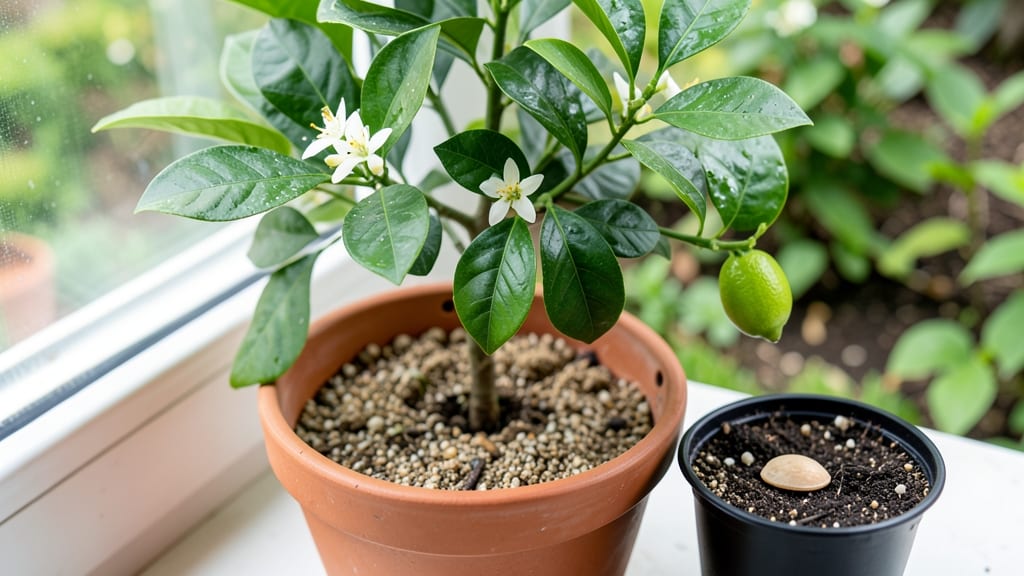
Growing a lemon tree from lemon seeds is the kind of project that turns a kitchen counter into a tiny citrus grove—if you’re willing to wait. 🌱 The seeds from your grocery-store lemons hold real potential, though they’ll need patience (and a sunny spot) to become anything resembling a fruit-bearing tree.
I’ve watched my own seedlings go from tiny sprouts to 3-foot-tall bushes in just six months, and the journey is as rewarding as the eventual harvest.
The secret starts with the right setup: a warm, bright windowsill or a grow light, well-draining soil mix, and a pot with drainage holes. You’ll need to keep the soil consistently moist (but not soggy) during germination, which can take anywhere from 2-4 weeks—sometimes longer.
Once sprouted, the seedlings need 6+ hours of sunlight daily to stay sturdy, and they’ll outgrow their first pot faster than you think.
By month six, you’ll have a leggy but determined young tree with glossy leaves and a woody stem. Prune it back to encourage bushier growth, and if you’ve been growing it indoors, start hardening it off for outdoor life.
The real magic happens years later, when—if you’re lucky—you’ll see tiny white flowers and, eventually, lemons. Most seed-grown trees take 5-10 years to fruit, but the process is pure joy.
Whether you keep it on a patio or plant it in the ground, this tree will thrive with consistent care. The key is balancing water, light, and space—no fancy tools needed. Here’s how to get started without overcomplicating it.
📚 In This Guide
- What you need
- Instructions
- Tips and common mistakes
- Wrapping up and next steps
What you need
- ● Lemon seeds: 3–5 fresh, plump seeds (from organic lemons if possible)
- ● Small pots: 2–3 (4–6 inches in diameter) with drainage holes
- ● Well-draining potting mix: 1–2 bags (look for a blend labeled "citrus" or "seed-starting" mix)
- ● Spray bottle: For gentle watering (16 oz or larger)
- ○ Plastic wrap or clear dome: To create a mini greenhouse (optional but helpful)
- ● Grow lights or sunny windowsill: A south-facing window or LED grow light (12–16 hrs/day)
- ● Watering can or cup: For deeper watering (8 oz or larger)
- ○ Fertilizer (optional but recommended): Balanced liquid fertilizer (e.g., 10-10-10) or
- ● Slow-release citrus fertilizer pellets
- ● Seedling heat mat: To keep soil warm (70–85°F) during germination
- ● Humidity tray: A shallow tray with pebbles and water to boost moisture
- ● Pruning shears: Small, sharp pair for future trimming (sterilized with rubbing alcohol)
- ● pH testing kit: To monitor soil acidity (ideal: 6.0–7.0 for citrus)
- ● Larger container: 1–2 gallon pot for transplanting after 3–4 months
Step-by-Step instructions for growing a lemon tree from seeds
Here's how to turn a kitchen scrap into a thriving citrus tree—no green thumb required.
🌱 Step 1: Extract and Prepare the Seeds
Start with fresh, organic lemons—conventional ones are often treated with waxes that can inhibit germination. Cut the fruit in half and scoop out the seeds, rinsing them gently under cool water to remove any pulp. Let them air-dry on a paper towel for 24 hours—this prevents rot later.
Here's the thing—you don't need all the seeds. Pick 4-5 plump, intact ones (the bigger, the better). I tap them gently on the counter to check for a hollow sound—empty seeds won't sprout. Place them in a small container with a damp paper towel, fold the towel over them, and store in a warm spot (70-75°F) for 3-5 days. You'll see tiny white roots emerge first—that's your cue they're ready to plant.
🪴 Step 2: Choose Containers and Plant the Sprouted Seeds
Use 4-inch diameter pots with drainage holes—smaller containers prevent overwatering, which is the #1 killer of young citrus. Fill each pot with well-draining potting mix (avoid garden soil—it compacts and suffocates roots). Press the mix down lightly so it's firm but not packed.
Plant one seed per pot, burying it just ½ inch deep—any deeper and it struggles to push through. Water gently until moisture reaches the bottom (you'll see it drain from the holes). Place all pots in a bright, indirect light spot—a south-facing window works, but avoid harsh midday sun. Keep the soil evenly moist but never soggy—citrus seeds rot faster than they sprout.
☀️ Step 3: Provide Warmth and Light for Germination
Citrus seeds germinate best in warmth (75-85°F). If your home runs cooler, place pots on a seedling heat mat or nestle them in a warm spot like on top of the fridge. You'll see first sprouts in 2-4 weeks—sometimes faster, sometimes slower depending on seed freshness.
Once seedlings emerge, move them to a sunny window (6+ hours of light daily). If leaves look pale or stems stretch toward the light, your plant needs more intensity. I use a grow light on a timer (14 hours/day) for stronger growth. Watch for true leaves (the second set after the initial seed leaves)—that's when you can start fertilizing lightly with half-strength citrus fertilizer every 4 weeks.
🌿 Step 4: Transplant and Train for Strong Growth
When seedlings have 4-6 true leaves (about 3-4 months old), transplant them into 6-inch pots with fresh potting mix. Gently loosen the root ball to encourage spreading—citrus trees hate root disturbance. Water deeply after transplanting, then let the top inch of soil dry out before watering again.
This is the moment that matters: prune leggy growth. Pinch back the top set of leaves to encourage bushier growth. Place pots in full sun (6+ hours daily)—outdoor space is ideal, but a south-facing window works in winter. Citrus trees need consistent moisture but dread soggy roots, so I water when the top 1-2 inches feel dry. You'll see new leaves emerge within a week—that's your signal everything is working.
⏰ Step 5: Overwinter and Prepare for Fruit (If You're Lucky!)
Most seed-grown lemons won't fruit for 5-10 years, but proper care now sets the stage. In winter, reduce watering and move pots indoors near a bright window (60-65°F). If leaves yellow, it's usually overwatering—let the soil dry more between waterings.
Real talk: Your tree might never bear fruit, but that doesn't mean it's failed. A healthy seedling with glossy leaves and steady growth is already a win. If you want to boost flowering chances, wait until the tree is 3-4 feet tall, then prune to shape and fertilize monthly with citrus-specific food in spring and summer. Patience is key—just keep the light bright and the soil happy.
Tips & tricks for growing a lemon tree from seeds
Here's what I learned the hard way after watching dozens of seedlings fail—and how to avoid those same mistakes.
Seed Selection Matters: The 24-hour drying period is crucial, but don't stop there. I learned to pick only the largest, heaviest seeds—they contain more stored energy for germination. After drying, I float-test them in water: empty seeds sink, while viable ones stay afloat. This simple step saved me from planting dozens of duds.
Warmth is Non-Negotiable: Those 75-85°F temperature ranges in Step 3 aren't just suggestions—they're make-or-break. If your home runs cooler, create a mini greenhouse using a clear plastic bag over each pot. Place them on top of your fridge or near a sunny window with a heat mat underneath. I've seen germination rates double when maintaining consistent warmth during those critical 2-4 weeks.
Light Intensity Trick: When moving seedlings to sunny windows in Step 3, I start with just 2-3 hours of direct light and gradually increase by 1 hour each day. This prevents "sunburn" on tender new leaves. For indoor growers, a simple LED bulb on a timer (14 hours/day) works wonders—just keep it 6-12 inches above the plants and adjust as they grow.
Transplanting Timing: The 3-4 month window for transplanting in Step 4 is flexible, but watch for these signs: when your seedling develops its 4th true leaf AND you see roots growing through the drainage holes, it's ready. I've found that transplanting slightly earlier (around 2.5 months) with 3 true leaves works too—just be extra gentle with watering for the first week after moving.
Pro Tips for Grow A Lemon Tree From Lemon Seeds
- Here's what I learned the hard way after watching dozens of seedlings fail—and how to avoid those same mistakes.
- Seed Selection Matters: The 24-hour drying period is crucial, but don't stop there.
- Warmth is Non-Negotiable: Those 75-85°F temperature ranges in Step 3 aren't just suggestions—they're make-or-break.
Frequently asked questions
Got questions about growing a lemon tree from seeds? You’re not alone! Here are some of the most common queries—and their straightforward answers—to help you avoid pitfalls and celebrate small wins along the way.
How long does it take for a lemon seed to sprout?
A lemon seed typically sprouts within 2 to 4 weeks if kept in warm, moist conditions. If you’re not seeing signs of life after 4 weeks, gently check for mold or rot—adjust moisture levels if needed. Patience is key, but most seeds show progress within this window!
Will my lemon tree from seed produce real lemons?
Probably not! Seed-grown lemon trees are usually non-fruiting and may take 5–10 years (or never) to produce fruit, even if they look healthy. For faster, reliable lemons, consider grafting or buying a nursery-grown tree. Still, enjoy the journey—your tree’s foliage and fragrance are a reward in themselves!
Can I grow a lemon tree indoors, and what’s the best light setup?
Lemon trees thrive indoors with 6–8 hours of bright, direct sunlight daily. Place your tree near a south-facing window or use a grow light (12+ inches away) for 12–14 hours/day. Rotate the pot weekly to prevent lopsided growth. Watch for leaf drop—a sign it’s not getting enough light!
Why are my lemon seedling’s leaves turning yellow or curling?
Yellowing or curling leaves often signal overwatering, underwatering, or pests. Check the soil—it should be damp but not soggy. Inspect the undersides of leaves for spider mites or aphids (use a damp cloth to wipe them off). Adjust watering and ensure proper drainage to revive your tree.
Is it better to use organic or conventional lemon seeds for growing?
Use organic seeds if possible, as they’re less likely to carry pesticides or chemicals that could harm your seedling. If you’re using conventional seeds, rinse them thoroughly before planting. Just avoid seeds from store-bought lemon juice—they’re often treated to prevent sprouting!
Wrapping up and next steps
Growing a lemon tree from seeds is a rewarding journey that brings a touch of sunshine—and fresh lemons—right to your home! 🌱 With patience, the right care, and a dash of love, you’ll watch your tiny seedling transform into a thriving citrus plant in just 6 months.
Whether you’re a beginner or a green thumb, this project is a fun way to connect with nature and enjoy homegrown fruit.
Now that you’re armed with tips and tricks, take the first step today—pick your favorite lemon, grab those seeds, and get planting! Soon, you’ll be sipping fresh lemonade from your very own tree. Happy growing! 🍋✨