
Size
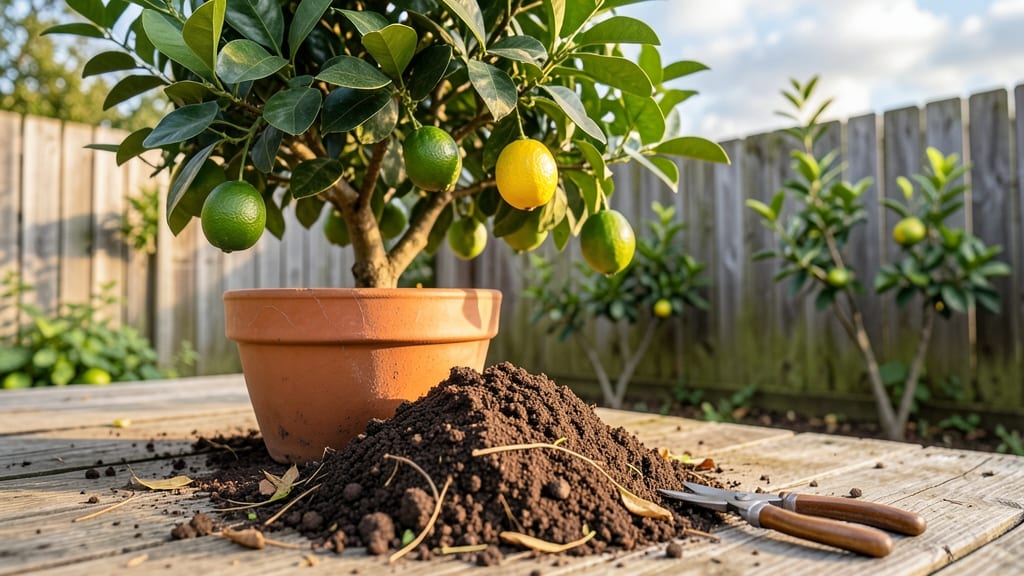
Growing a lime tree from seed or sapling delivers that tangy reward you’ve been craving—juicy, homegrown limes year after year. 🌱 My first attempt in a 5-gallon pot proved that even beginners can pull this off with the right light, soil, and patience.
The key isn’t just sunshine; it’s matching your tree’s tropical roots to your climate, whether you’re growing it indoors near a window or outdoors in a warm corner.
The setup is simpler than you’d think: well-draining soil, a container with drainage holes (or a sunny garden spot in frost-free zones), and a consistent watering routine that keeps roots happy without drowning them.
I’ve learned the hard way that overwatering kills citrus faster than pests ever could—your lime tree will thank you for the balance. With the right care, you’ll see new growth within weeks, and by year two, those first tart limes will be ready to pick.
You’ll end up with a tree that produces fruit for decades, its glossy leaves shimmering with health and its branches heavy with bright green limes by late summer.
The smell of fresh citrus in your kitchen or garden is unmatched, and the satisfaction of harvesting your own limes—no store-bought substitutes needed—makes every pruning session worth it. Now, let’s get your tree thriving from day one.
Whether you’re starting with a seed or a nursery sapling, the basics stay the same: warmth, light, and a little extra love. Indoor growers can extend the season with grow lights, while outdoor gardeners in zones 9-11 get to enjoy their trees year-round.
The secret to success? Pay attention to the leaves—they’ll tell you exactly what your tree needs before you even see a fruit.
📚 In This Guide
- What you need
- Instructions
- Tips and common mistakes
- Wrapping up and next steps
What you need
- ● Lime tree seedling or grafted plant: Choose a Citrus aurantifolia (Key lime) or Citrus latifolia (Persian lime) from a nursery. A 1- to 3-gallon container-grown plant is ideal for beginners.
- ● Pot (if container-growing): A 5-gallon or larger container with drainage holes. For dwarf varieties, a 3-gallon pot works. Use terracotta, plastic, or fabric grow bags.
- ● Well-draining potting mix: A blend of 60% citrus-specific mix, 20% perlite or pumice, and 20% coarse sand or compost. Avoid garden soil—it compacts easily!
- ○ Ground planting (optional): If planting outdoors, pick a sunny, sheltered spot with well-draining soil (pH 6.0–7.0). Amend clay soil with compost and sand.
- ● Fertilizer: A balanced citrus fertilizer (e.g., 6-6-6 or 8-3-9) or organic options like fish emulsion or citrus-specific compost.
- ● Mulch: 2–3 inches of organic mulch (e.g., straw or wood chips) to retain moisture and regulate soil temp.
- ● Watering can or hose with gentle spray nozzle: Lime trees hate soggy roots—water deeply but infrequently.
- ● Pruning shears: Sharp, sterilized shears for shaping and removing dead growth.
- ○ Support stake (optional): A 3–4 ft bamboo or metal stake to stabilize young trees in windy areas.
- ● USDA Zones 9–11 (outdoor planting): Lime trees thrive in warm climates (below 25°F can damage them). In colder zones, grow in containers and bring indoors during winter.
- ● Full sun (6–8+ hours daily): Partial shade in extreme heat (e.g., desert areas) helps prevent sunburn.
- ● Protection from wind: Young trees are fragile—use a windbreak or place in a sheltered spot.
- ● Citrus tree spray: Organic neem oil or copper fungicide to prevent pests/diseases like aphids or citrus canker.
- ● Grow lights (for indoor/container growers): A full-spectrum LED grow light (12–14 hours/day) if natural light is limited.
- ● Soil moisture meter: Ensures you’re watering at the right top 1–2 inches dry level.
- ● Epsom salt (magnesium sulfate): A monthly foliar spray (1 tbsp/gallon water) boosts green growth.
Step-by-Step instructions for growing a thriving lime tree
Here's my foolproof method for coaxing a lush lime tree to life—whether in a pot or planted directly.
🌱 Step 1: Choose and Prepare Your Lime Tree Starter
Start with a healthy bush variety lime tree (like 'Meyer' or 'Bearss') from a nursery—avoid bare-root plants unless you're experienced. I always inspect the roots first: they should be white or light tan, not brown or mushy. If buying potted, check for first true leaves that look vibrant, not yellowed or curled.
For container growing, pick a pot at least 12 inches wide and deep with drainage holes. Fill the bottom 2 inches with gravel or coarse sand to create a drainage layer. This prevents root rot, which is the #1 killer of young citrus trees. Here's the thing—lime trees hate soggy feet, so never skip this step.
🪴 Step 2: Plant in Well-Draining Soil Mix
Use a 50/50 blend of potting mix and coarse sand or perlite—this mimics the fast-draining conditions lime trees love in their native habitats. I add 1 part compost to the mix for nutrients, but avoid fresh manure (it burns tender roots). Fill the pot or planting hole with your mix, leaving 1 inch of space below the rim for watering.
Remove the tree from its nursery pot and loosen any circling roots gently with your fingers. Place it in the center of the prepared spot so the graft union (the bump near the base) sits 1 inch above soil level. This prevents water from pooling around the graft, which can cause rot. Backfill with your soil mix, pressing lightly to eliminate air pockets.
☀️ Step 3: Position for Maximum Sunlight and Warmth
Lime trees crave full sun—at least 6-8 hours daily—but they'll scorch in intense afternoon heat. In hot climates, provide afternoon shade during summer's peak. I place mine on a patio where it gets morning sun and afternoon shade from a nearby building. Watch for leaves curling or turning yellow—this means it's getting too hot.
Keep temperatures between 65-85°F for best growth. If growing in containers, move them indoors when nighttime temps drop below 50°F. Lime trees are frost-sensitive, so protect yours with frost cloth or bring pots inside before the first freeze. A heat lamp can help if you're extending the growing season.
💧 Step 4: Water Deeply and Maintain Consistent Moisture
Water deeply once a week, soaking the entire root zone until water runs out the drainage holes. Let the top 2 inches of soil dry out between waterings—this encourages deep root growth. Overwatering is the fastest way to kill a lime tree, so I always check moisture by sticking my finger 1 inch into the soil. If it feels dry, water again.
In containers, you'll need to water more frequently because pots dry out faster. Use room-temperature water (cold water shocks roots) and avoid getting leaves wet to prevent fungal diseases. A drip irrigation system works best for container trees—it delivers water directly to the roots without wetting foliage.
✂️ Step 5: Fertilize and Prune for Healthy Growth
Feed your lime tree with a balanced citrus fertilizer (like 6-6-6) every 4-6 weeks during growing season. I halve the recommended dose for young trees to avoid burning roots. Look for new growth after fertilizing—that's your signal it's working. In winter, reduce feeding to every 8-12 weeks as growth slows.
Prune in late winter or early spring before new growth starts. Remove any dead, diseased, or crossing branches first, then shape the tree by cutting back overgrown limbs to an outward-facing bud. Never prune more than 25% of the canopy at once. Here's what I do: I step back and imagine the tree's natural shape, then make cuts to encourage an open center that lets sunlight reach all branches.
Tips & tricks for growing a thriving lime tree
These simple tricks will help you avoid the most common pitfalls and give your lime tree the best chance to thrive.
Root Health Check: Before planting, soak the nursery pot in water for 10 minutes to check for root rot. If roots smell sour or appear mushy, your tree might already be compromised. Healthy roots should feel firm and smell fresh—this is your first line of defense against root rot, that silent lime tree killer mentioned in Step 1. If you're unsure, gently separate a few roots to inspect the interior.
Soil Mix Secrets: For the 50/50 blend in Step 2, I recommend using coarse horticultural sand instead of regular sand—it drains better and won't compact over time. If you're planting directly in ground soil, amend it with 20% perlite to improve drainage. The key is preventing waterlogging, which is why that 2-inch gravel layer at the bottom of containers is non-negotiable.
Sunlight Strategy: When positioning your tree in Step 3, pay special attention to the 6-8 hours of sunlight requirement. In urban areas, south-facing windows or balconies work well for containers. For ground planting, observe your yard's sun patterns—trees need direct sunlight, not just bright light. I've seen lime trees struggle when placed under dappled shade from other trees, even if they get "enough light."
Watering Wisdom: The once-a-week watering in Step 4 is a guideline, not a rule. In containers, you might need to water every 3-4 days during summer heat. I test moisture by lifting the pot—if it feels light, it's time to water. For ground-planted trees, use a long screwdriver to check soil moisture at 3 inches deep. The goal is consistent moisture without soggy soil, which is why that 2-inch dry top layer matters so much.
Pro Tips for Grow A Lime Tree
- These simple tricks will help you avoid the most common pitfalls and give your lime tree the best chance to thrive.
- Root Health Check: Before planting, soak the nursery pot in water for 10 minutes to check for root rot.
- Soil Mix Secrets: For the 50/50 blend in Step 2, I recommend using coarse horticultural sand instead of regular sand—it drains better and won't compact over time.
Frequently asked questions
Got questions about growing your own lime tree? You’re not alone! Here are answers to the most common queries—from first-time gardeners to citrus enthusiasts looking to troubleshoot.
How long does it take for a lime tree to bear fruit?
A lime tree typically takes 3 to 5 years to produce fruit, depending on the variety and growing conditions. Dwarf varieties may fruit sooner (around 2–3 years), while standard-sized trees can take longer. Patience is key—consistent care (sunlight, water, and nutrients) speeds up the process! Pro tip: Prune young trees to encourage a stronger structure and earlier fruiting.
Can lime trees survive winter in cold climates?
Lime trees are tropical and thrive in USDA zones 9–11. In colder areas (below 25°F), grow them in containers and move them indoors or to a garage during winter. For outdoor planting, choose cold-hardy varieties like ‘Meyer’ limes (tolerates brief chills down to 20°F) or use frost cloth for protection. Troubleshooting: Yellow leaves in winter? Likely from cold stress—relocate to a warmer spot ASAP.
How often should I water a lime tree?
Water lime trees deeply 2–3 times per week in hot, dry weather, ensuring the top 2–3 inches of soil stay moist. Reduce watering in winter (once a week or less). Overwatering is risky—yellow leaves or root rot can occur if soil stays soggy. Test it: Stick your finger in the soil; if it’s dry 1–2 inches down, it’s time to water!
Why aren’t my lime tree’s fruits ripening?
Unripe limes often stem from lack of sunlight, nutrients, or pollination. Ensure your tree gets 6+ hours of direct sun daily and fertilize with citrus-specific food every 2–3 months. Hand-pollinate flowers with a small brush if bees are scarce. Check for pests too—aphids or mites can stress the tree. If flowers drop early, it may need more phosphorus (look for a “bloom booster” fertilizer).
Can I grow a lime tree from a store-bought lime?
Yes, but success isn’t guaranteed! Remove seeds from a ripe lime, dry them for 2–3 days, then plant in well-draining soil. Germination can take weeks to months, and seed-grown trees may take 5+ years to fruit (vs. 2–3 years for grafted trees). For faster results, buy a grafted nursery tree—they’re bred for fruit production! Alternative: Ask a local citrus grower for a cutting or rooting.
What pests should I watch for on lime trees?
Common pests include aphids, scale insects, and citrus leaf miners. Aphids (tiny green bugs) and scale (brown bumps on stems) suck sap, weakening the tree. Leaf miners create white squiggly trails on leaves. Treat with neem oil or insecticidal soap for mild infestations. Preventative tip: Inspect leaves weekly and remove damaged foliage promptly.
Wrapping up and next steps
Growing your own lime tree is a rewarding journey—whether you’re nurturing it in a cozy container or letting it thrive in the ground. With the right soil, sunlight, and care, you’ll soon enjoy fresh, tangy limes straight from your backyard! 🌱✨
Now that you’re armed with tips, don’t wait—start your lime tree today! Pick your spot, plant with confidence, and watch your citrus dreams bloom. Ready to take the next step? Head back to our planting guide or explore common questions to keep your tree happy and healthy.