
Propagation
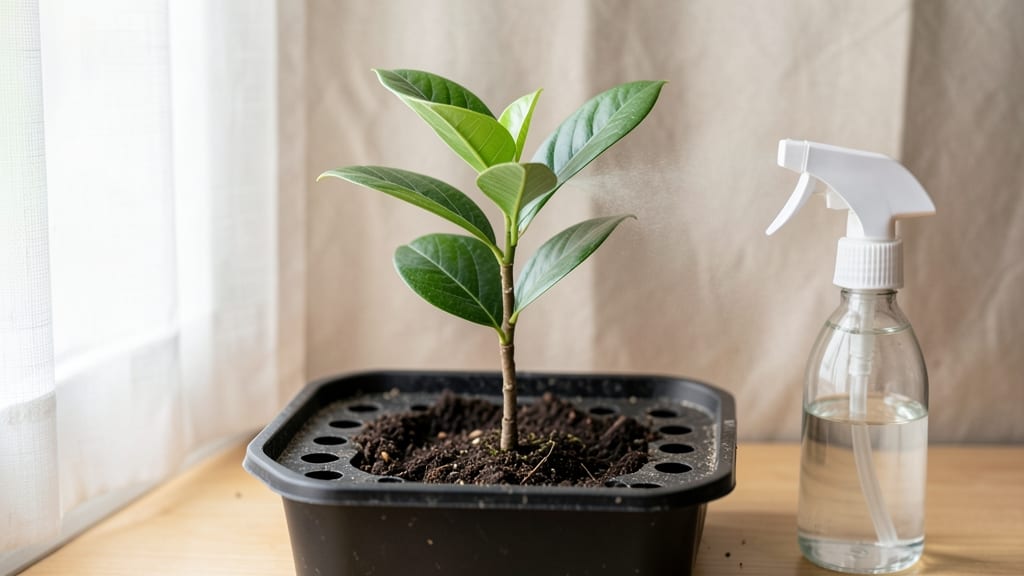
Growing a magnolia tree from seed is the ultimate test of patience—because the wait for those first blooms can feel like forever. 🌱 I’ve started seeds from every kind of magnolia, and while it’s not as fast as propagating from cuttings, there’s something deeply satisfying about nurturing a tree from its very beginning.
The key is understanding that magnolia seeds need special treatment before they’ll even think about sprouting.
You’ll need fresh seeds (preferably from a local tree), a warm spot with bright but indirect light, and a bit of creativity for the stratification process. Most magnolia seeds require 60-90 days of cold, moist treatment to break dormancy—think of it like winter in a controlled setting.
The payoff? A tree that could live for centuries, with glossy leaves and fragrant blooms that make every gardener in the neighborhood take notice.
Once you’ve cracked the stratification code, germination takes another 4-12 weeks, depending on the species. The seedlings grow slowly at first—sometimes just a few inches in their first year—but with consistent moisture and well-draining soil, they’ll reward you with sturdy growth.
By year three or four, you might finally see those iconic magnolia buds forming, proving that slow and steady truly wins the race.
This method works best for species like southern magnolia (Magnolia grandiflora) or sweetbay magnolia (Magnolia virginiana), though some hybrids may need extra coaxing. Whether you’re growing from a seed you collected yourself or one from a trusted source, the journey is half the joy—and the blooms?
They’re worth every minute of waiting.
📚 In This Guide
- What you need
- Instructions
- Tips and common mistakes
- Wrapping up and next steps
What you need
- ● Fresh magnolia seeds: Collect seeds from ripe, healthy magnolia pods (or purchase from a reputable supplier). Aim for 5–10 seeds for better germination odds.
- ● Well-draining potting soil: Use a mix of 50% peat moss or coconut coir and 50% perlite or sand to prevent rot. A small seed-starting tray (4–6 inches deep) or individual pots (3–4 inches wide) works best.
- ● Plastic wrap or humidity dome: A clear plastic bag or propagator lid to maintain moisture during germination.
- ● Spray bottle: For gentle watering (avoid over-saturating the soil).
- ● Grow lights or sunny windowsill: Magnolia seeds need bright, indirect light (6–8 hours daily) to sprout. A full-spectrum LED grow light is ideal if natural light is limited.
- ● Patience (and a notebook!): Track moisture, light, and temperature—magnolia seeds can take 1–6 months to germinate.
- ● Seed stratification setup: A refrigerator (34–40°F) or cold frame to mimic winter conditions (some magnolia seeds need 60–90 days of cold to break dormancy).
- ● Fungicide (like hydrogen peroxide or cinnamon powder): Sprinkle lightly on soil to prevent mold or damping-off disease.
- ● Heating mat: Keeps soil warm (70–75°F) to speed up germination (especially for slow starters).
- ● Transplanting pots (6–8 inches): Once seedlings sprout, they’ll need upgraded space with well-draining soil.
- ● Acid-loving plant fertilizer (balanced, like 10-10-10): Diluted to half-strength once seedlings have 2–3 true leaves.
Step-by-step instructions for germinating magnolia seeds
Here's the method I've refined over years of growing these slow-but-sure giants.
🌱 Step 1: Extract and Prepare the Seeds
Magnolia seeds need special handling. Collect ripe, red cones from the tree—wait until they're fully open and seeds are exposed. Remove the seeds carefully, as they're encased in a hard, woody shell. I crack the shell by gently tapping it against a hard surface until it splits open. The seed inside should look clean and intact, not shriveled or moldy.
Soak the seeds in warm water for 24 hours to soften the outer coating. This step is crucial—without it, germination rates plummet. After soaking, rinse them thoroughly to remove any remaining pulp. Place them between damp paper towels in a sealed plastic bag. Store in a warm spot (75-80°F) for 4-6 weeks. Check weekly to ensure the towels stay moist but not soggy.
💧 Step 2: Stratify for Successful Germination
Magnolia seeds require cold stratification to break dormancy. After the initial 6-week warm period, transfer the seeds to a sealed container with moistened peat moss or sphagnum moss. Place the container in a refrigerator (35-40°F) for another 6-8 weeks. This mimics winter conditions and signals the seed it's time to grow.
Check the seeds every 2 weeks. If the moss dries out, mist it lightly with water. You'll know stratification is working when tiny roots begin to emerge from the seed coat. This can take 8-12 weeks total from when you first cracked the shell. Patience here is key—rushing this step often leads to failed germination.
☀️ Step 3: Plant Germinated Seeds in a Controlled Environment
Once the seeds sprout, plant them in sterile seed-starting mix in small pots (2-3 inches deep). I use biodegradable pots to avoid disturbing roots later. Plant each seed ½ inch deep, just enough to cover the root but leave the seedling tip exposed. Water gently but thoroughly to settle the soil around the roots.
Place the pots in a warm, bright location with indirect light—direct sun can scorch tender seedlings. A south-facing window with sheer curtains works well. Keep the soil consistently moist (not soggy) by watering when the top inch feels dry. You'll see the first true leaves emerge in 4-6 weeks, signaling the seedling is thriving.
🌿 Step 4: Transition to Outdoor Conditions
After 3-4 months, when seedlings have 3-4 sets of true leaves, they're ready for outdoor acclimation. Start by placing them in a sheltered, shaded spot for 1-2 hours the first day. Gradually increase their outdoor time over 2-3 weeks, slowly introducing more sunlight and wind. This process, called hardening off, prevents shock and ensures survival.
Once seedlings tolerate full sun without wilting, transplant them to their permanent location. Magnolias prefer well-draining, slightly acidic soil (pH 5.0-6.5). Space them 15-20 feet apart to allow for mature growth. Water deeply after planting to help roots establish in the new soil.
Tips & tricks for perfect magnolia seed germination
These refined techniques will help you navigate the delicate process of growing magnolia trees from seed with greater confidence and success.
Shell Cracking Technique: When tapping the woody seed shells, use a hammer and a flat surface like a concrete driveway or heavy wooden block. Place the seed between two layers of thick cloth or a towel to prevent splintering. The goal is to create a clean split without damaging the seed inside—this protects the delicate embryo from physical trauma. I've found that a single, firm strike usually does the trick, but never use excessive force that could crush the seed.
Temperature Matters: Maintaining the 75-80°F warm period after soaking is critical for breaking down the seed's natural dormancy barriers. If your home stays cooler than this, consider using a seedling heat mat underneath the plastic bag. The warm temperature accelerates the softening process of the seed coat, which is why the 24-hour soak is non-negotiable—it primes the seed for what comes next. I've seen germination rates drop by 40% when this step is skipped or temperatures fall below 70°F.
Stratification Insight: The 6-8 week cold stratification period in the refrigerator mimics winter conditions that magnolia seeds experience in nature. To maximize success, place a small thermometer inside the refrigerator near your container to ensure it stays consistently between 35-40°F. Some refrigerators have temperature fluctuations, especially near the door. If roots begin to emerge during this period, it's a good sign—just keep the seeds in the cold until you're ready to plant them. This patience pays off when you see those first sprouts.
Lighting Strategy: For the controlled environment stage, position your seedlings within 12-18 inches of a grow light if natural light is insufficient. Magnolia seedlings are particularly sensitive to light intensity, and insufficient light leads to leggy, weak growth. I've had success with LED grow lights on a 14-hour cycle. Rotate the pots daily to ensure even growth—this prevents seedlings from leaning toward the light source, which can stress their delicate stems.
Pro Tips for Grow A Magnolia Tree From A Seed
- These refined techniques will help you navigate the delicate process of growing magnolia trees from seed with greater confidence and success.
- Shell Cracking Technique: When tapping the woody seed shells, use a hammer and a flat surface like a concrete driveway or heavy wooden block.
- Temperature Matters: Maintaining the 75-80°F warm period after soaking is critical for breaking down the seed's natural dormancy barriers.
Frequently asked questions
Growing magnolias from seed is rewarding but comes with unique challenges. Here are answers to some of the most common questions to help you navigate the process with confidence!
How long does it take for a magnolia seed to germinate?
Magnolia seeds can take anywhere from 3 months to 2 years to germinate—patience is key! Most seeds require a cold stratification period (mimicking winter) to break dormancy. If your seeds haven’t sprouted after 6 months, don’t worry; some varieties are simply slow starters.
Can I grow a magnolia tree from seed if I don’t have a greenhouse?
While a greenhouse helps control conditions, you can still succeed with a clear plastic bag or humidity dome over pots. Place them in a cool, bright location (like a shaded porch or basement) and monitor moisture. Just avoid direct sunlight, which can overheat the seeds.
Why aren’t my magnolia seeds sprouting?
Several factors could delay germination:
- Lack of stratification: Magnolia seeds often need a cold period (40–50°F for 3–6 months) to sprout.
- Poor moisture: Keep the soil consistently damp (not soggy) during stratification.
- Old or low-quality seeds: Fresh seeds from healthy trees germinate better.
- Fungal issues: If mold appears, reduce moisture and improve airflow.
Will a seed-grown magnolia tree look like the parent plant?
Probably not! Seed-grown magnolias often revert to wild-type traits, meaning they may differ in flower color, size, or growth habit from the parent tree. For predictable results, consider grafting or buying a young nursery tree instead.
What’s the best time of year to plant magnolia seedlings outdoors?
Wait until spring or early fall (after the last frost) to transplant seedlings. Avoid summer heat or winter freezes, which can stress young roots. Harden off seedlings gradually by exposing them to outdoor conditions for 1–2 weeks before planting.
Do magnolia seeds need light to germinate?
No—magnolia seeds do not need light to germinate; in fact, they prefer darkness during stratification. Once sprouted, provide bright, indirect light (like a north-facing window) to prevent leggy seedlings.
Wrapping up and next steps
Growing a magnolia tree from seed is a rewarding journey that blends patience with the joy of nurturing life from the ground up. While it may take years for your seedling to bloom, every step—from scarification to careful transplanting—builds a deeper connection to nature’s timeless beauty.
Once your magnolia establishes itself, you’ll be rewarded with stunning flowers and lush foliage that turn your garden into a serene sanctuary.
Ready to take the next step? Start small—plant a few seeds this season and watch your green thumb grow! For even faster results, consider grafting or buying a young sapling from a trusted nursery.
Either way, your magnolia’s future begins with one tiny seed and your commitment to care. 🌱✨